
Color recognition Normal Reading Worksheets for Ages 3-4
3 filtered results
Difficulty Level
Grade
Age
-
From - To
Subject
Activity
Standards
Introducing our "Color Recognition Normal Reading Worksheets for Ages 3-4," designed to spark early learning through engaging, colorful activities! These worksheets help preschoolers explore color identification while enhancing their reading skills in a fun, interactive way. Each worksheet features visually appealing images and simple prompts, fostering a love for learning and boosting cognitive development. Perfect for home or classroom use, these printable resources encourage young children to button up their color vocabulary alongside foundational reading concepts. Empower your child with essential skills while they enjoy the vibrant world of colors—making learning both enjoyable and effective! Discover the joy of reading with colors today!
Favorites
With answer key
Interactive
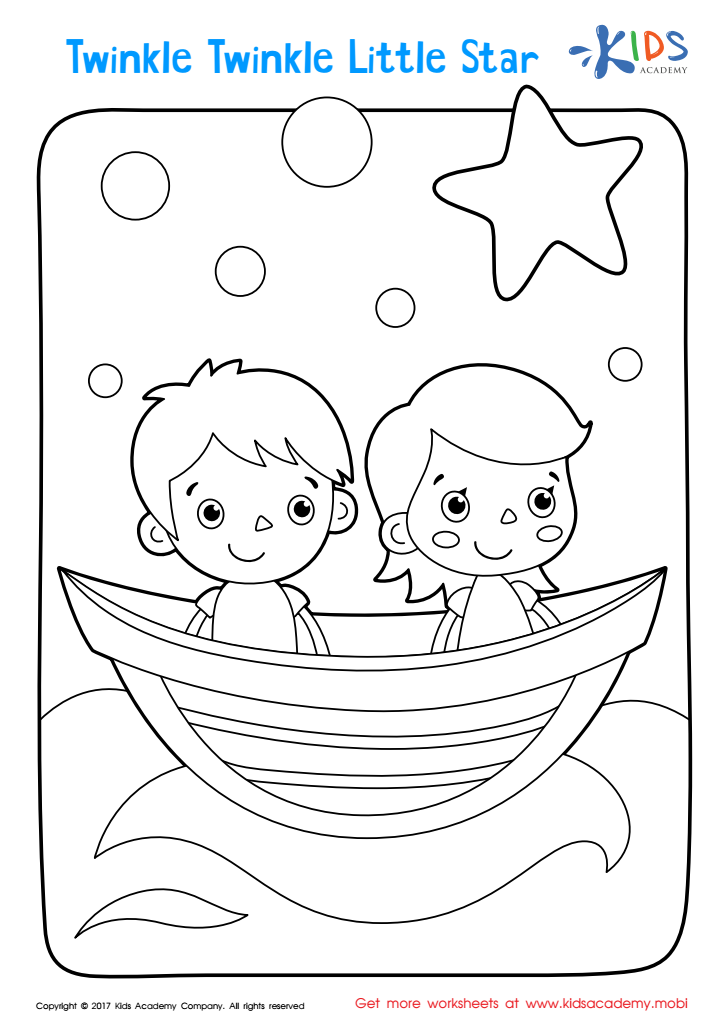
Twinkle Twinkle Little Star Coloring Page
Let your child wish upon a star as they color this scene of boy and girl stargazing. Sing Twinkle Twinkle Little Star while they choose colors to show the star twinkling in the night sky.
Download (PDF)
 Assign to My Students
Assign to My Students
Twinkle Twinkle Little Star Coloring Page
Worksheet
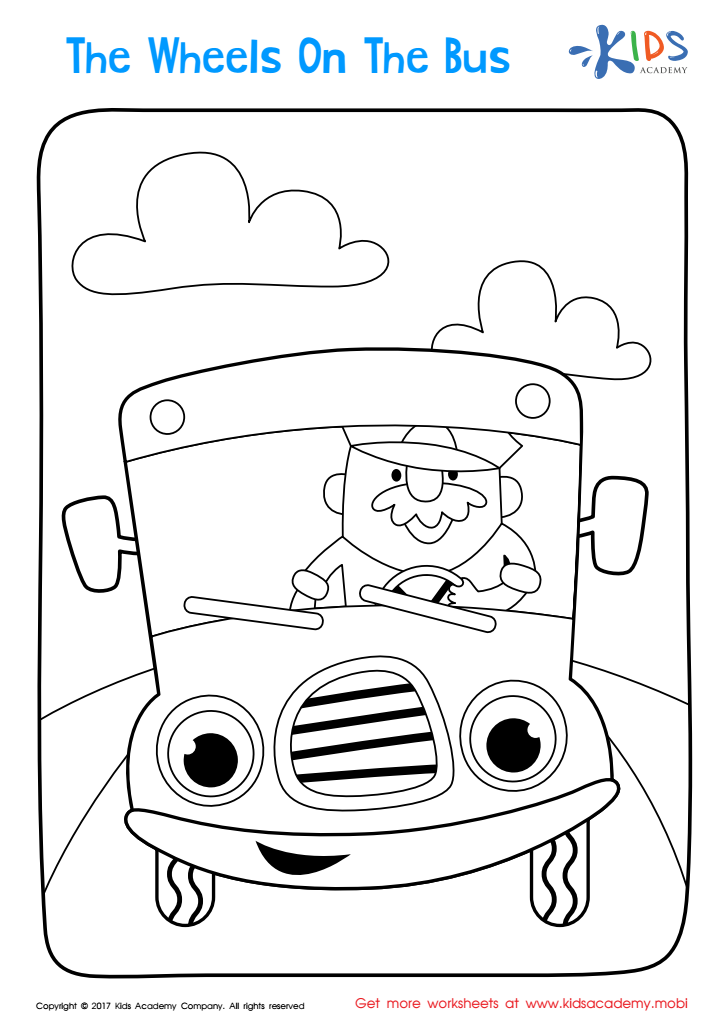
The Wheels on the Bus Coloring Page
Colour and sing with this printable Wheels on the Bus page! Let your child have fun singing the song with you as they colour. It'll make the activity even more entertaining and memorable.
Download (PDF)
Assign to My Students
Assign to My Students
The Wheels on the Bus Coloring Page
Worksheet
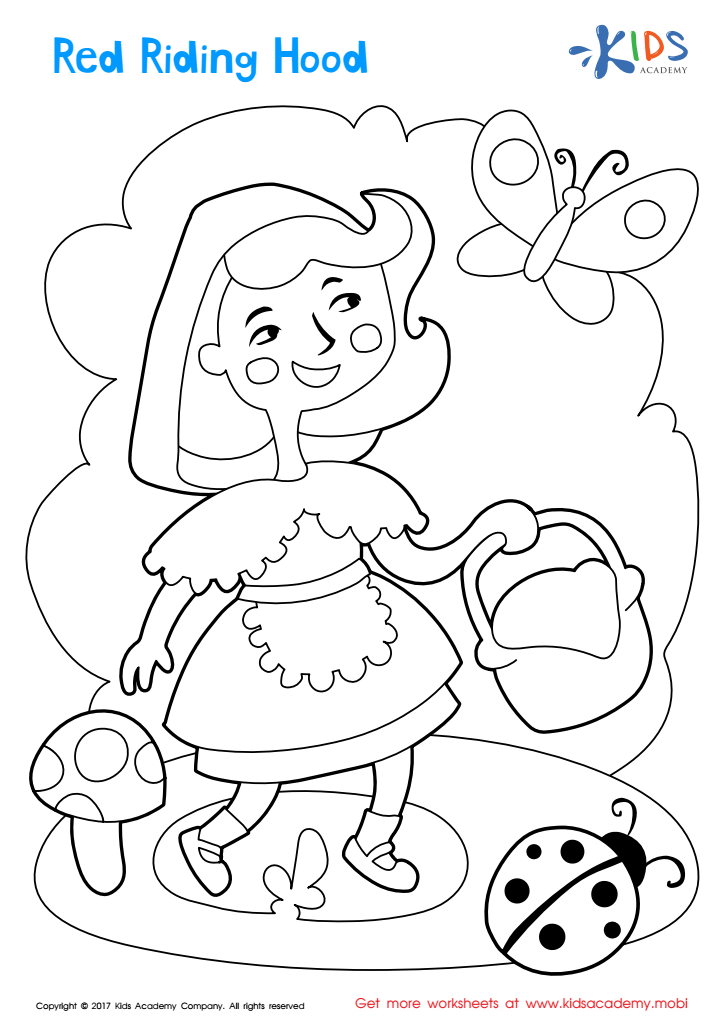
Red Riding Hood Coloring Page
Red Riding Hood awaits in the woods, with a butterfly, mushroom, and ladybug around her. Let your child bring the story to life with this magical printable coloring page. Fairytale fun for all!
Download (PDF)
Assign to My Students
Assign to My Students
Red Riding Hood Coloring Page
Worksheet
Join Kids Academy for Free
Who is primarily going to use this learning content?








Color recognition is an essential foundational skill for children ages 3-4, significantly contributing to their cognitive, language, and social development. At this age, children are naturally curious and observant, making it an ideal time to introduce them to colors. Recognizing colors helps boost their vocabulary, as they learn not only the names of colors but also related words, such as “bright,” “dark,” or “mix.”
Moreover, color recognition fosters critical thinking and problem-solving abilities. As children identify and categorize colors, they begin to make connections between colors and objects in their environment, enhancing their understanding of the world. This skill also supports early math concepts, as children learn to group by color and count items.
For parents and teachers, emphasizing color recognition creates opportunities for engaging learning experiences through play and exploration. Simple activities like sorting colored blocks or matching colored items can make learning fun and interactive. Encouraging children to express themselves through art and crafts involving various colors nurtures creativity and self-expression.
Overall, prioritizing color recognition in early childhood education lays the groundwork for a child’s ongoing academic success and fosters interpersonal skills, making it an invaluable part of their development.








