Hand-eye Coordination Normal Reading Worksheets for Ages 3-4
4 filtered results
-
From - To
Enhance your child's learning experience with our Hand-eye Coordination Normal Reading Worksheets designed specifically for ages 3-4. These engaging worksheets promote essential skills through fun and interactive activities, helping young learners develop their coordination while improving reading readiness. Each page features vibrant visuals and relatable themes that captivate children's attention and foster cognitive growth. By combining hand-eye coordination exercises with reading activities, your child will gain confidence in their abilities and become eager to explore the world of literacy. Perfect for parents and educators, these worksheets provide a solid foundation for lifelong learning. Download today and watch your little one thrive!
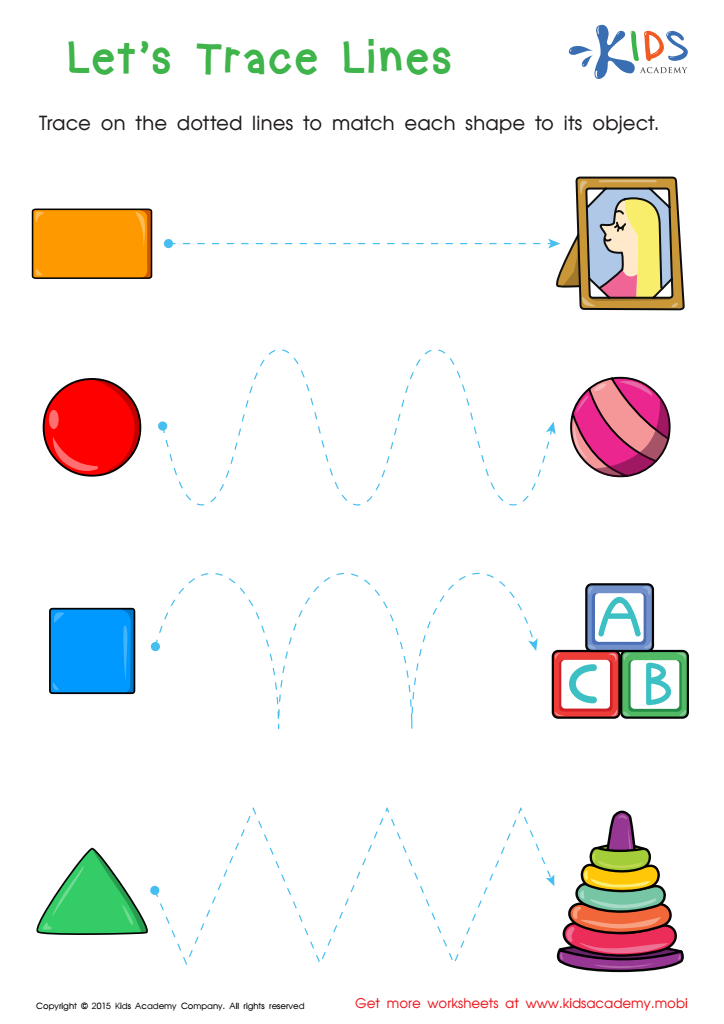
First Words: Let's Trace Lines Worksheet
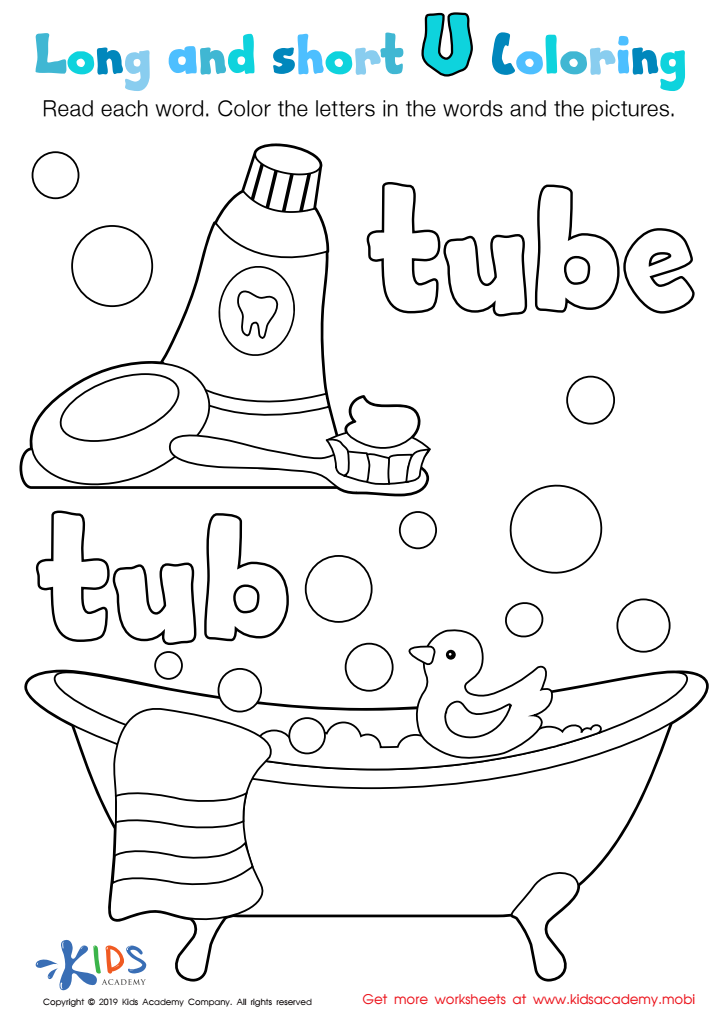
Long and Short U Worksheet
 Assign to My Students
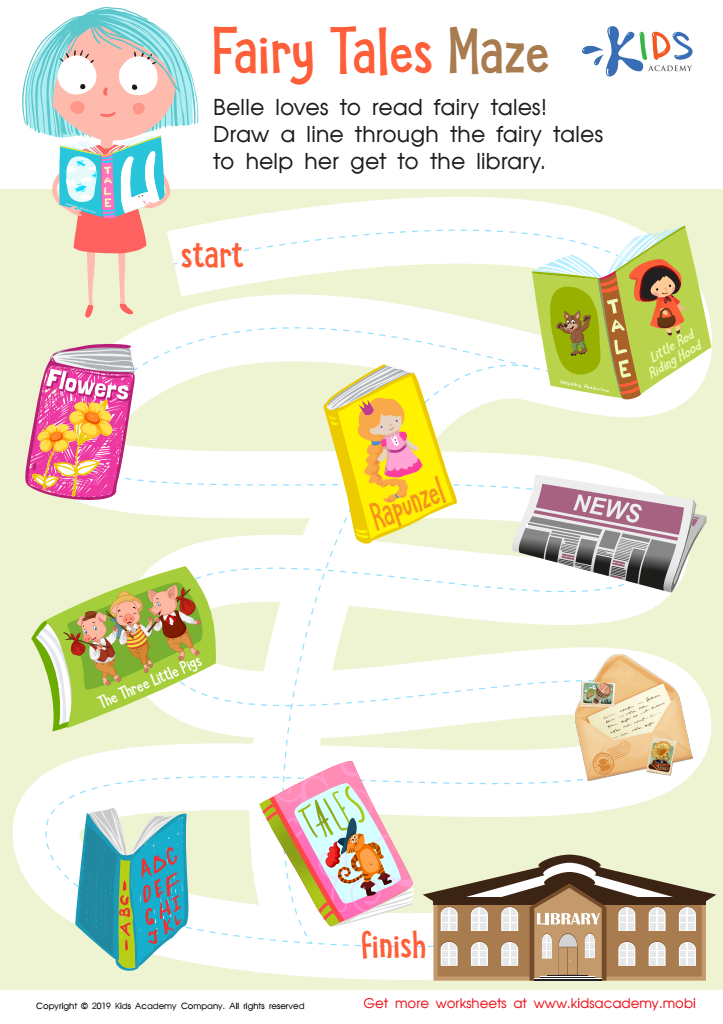
Fairy Tales Maze Worksheet
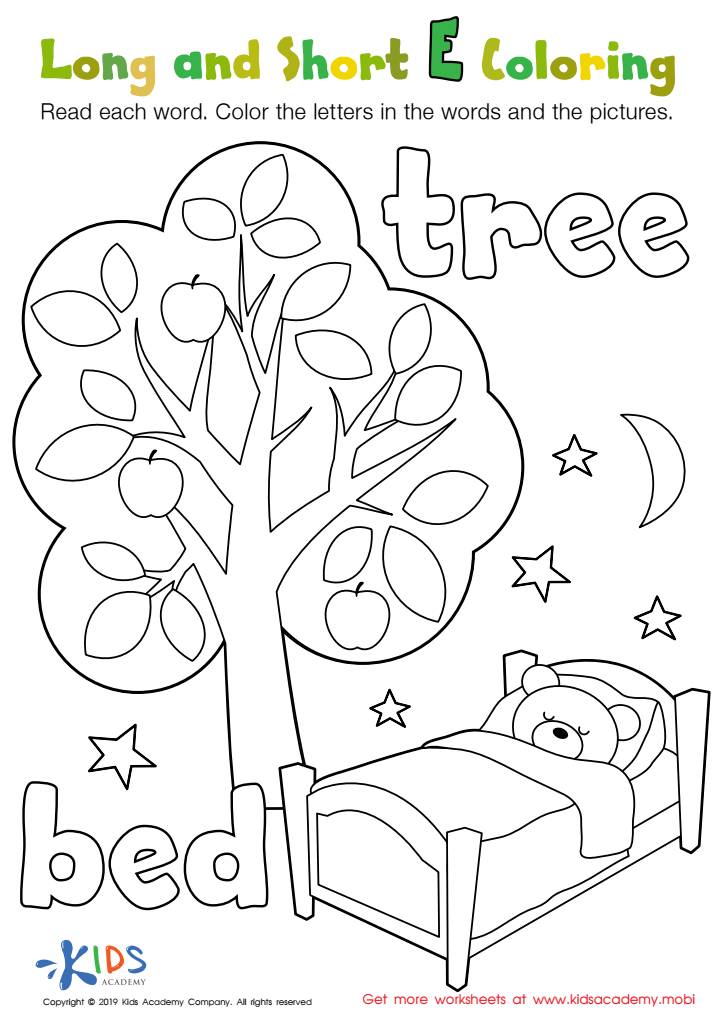
Long and Short E Worksheet
Assign to My Students







Hand-eye coordination is a crucial development milestone in early childhood, particularly for children aged 3-4 years. This skill underpins a child’s ability to interact with their environment, affecting activities such as playing games, drawing, and writing. Parents and teachers should pay close attention to fostering hand-eye coordination during this stage, as it not only aids physical development but also enhances cognitive skills.
When children engage in activities that promote hand-eye coordination, such as stacking blocks, threading beads, or playing catch, they are also enhancing their attention spans, problem-solving techniques, and overall motor skills. A child with strong hand-eye coordination is typically better equipped for future learning, especially when it comes to tasks like reading and writing.
In the context of reading, hand-eye coordination contributes to tracking text on a page, enabling children to recognize letters and words smoothly. Additionally, young learners who practice these skills develop greater confidence, contributing positively to their lingering interest in literacy activities.
By nurturing these essential skills early on, parents and teachers lay the foundation for effective reading and learning later in life, ensuring children are prepared for academic success as they transition into formal schooling.








