Categorization skills Normal Science Worksheets for Ages 3-4
4 filtered results
-
From - To
Explore our engaging Categorization Skills Normal Science Worksheets designed specifically for children ages 3-4. These worksheets introduce young learners to the essential concept of classifying objects based on attributes like size, color, and shape. Our fun and interactive activities not only promote critical thinking but also aid in developing vocabulary and early science knowledge. With colorful illustrations and simple instructions, children will enjoy matching items and categorizing various objects. These resources are perfect for home or classroom use, fostering cognitive skills while providing an enjoyable learning experience. Start nurturing your child's categorization abilities today with our expertly crafted science worksheets!
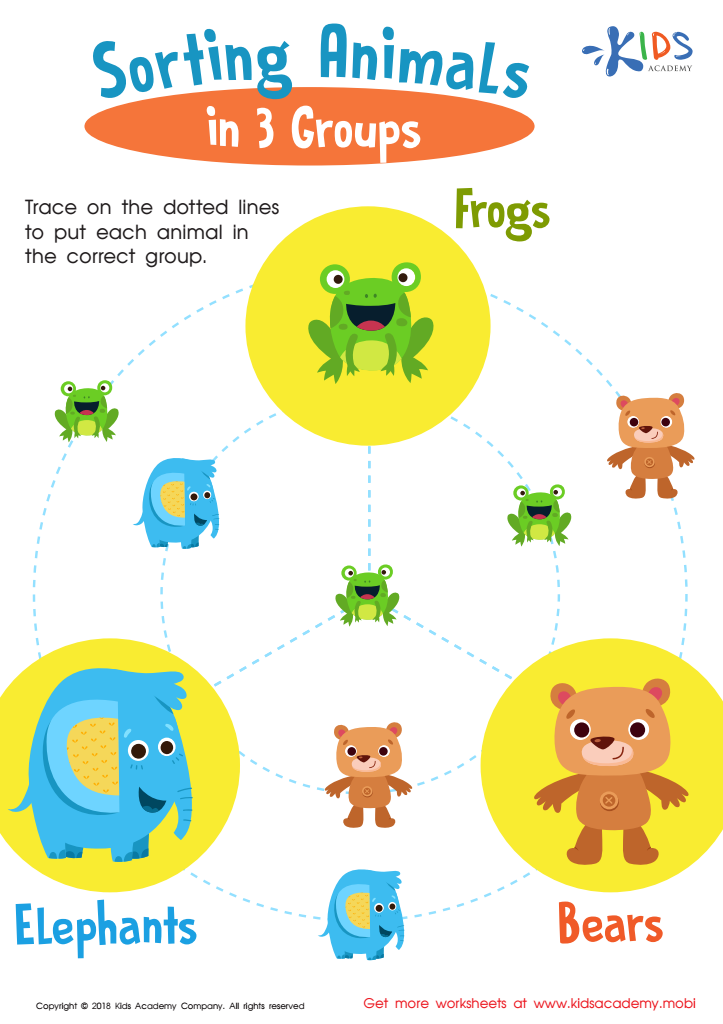
Sorting Animals in 3 Groups Worksheet
 Assign to My Students
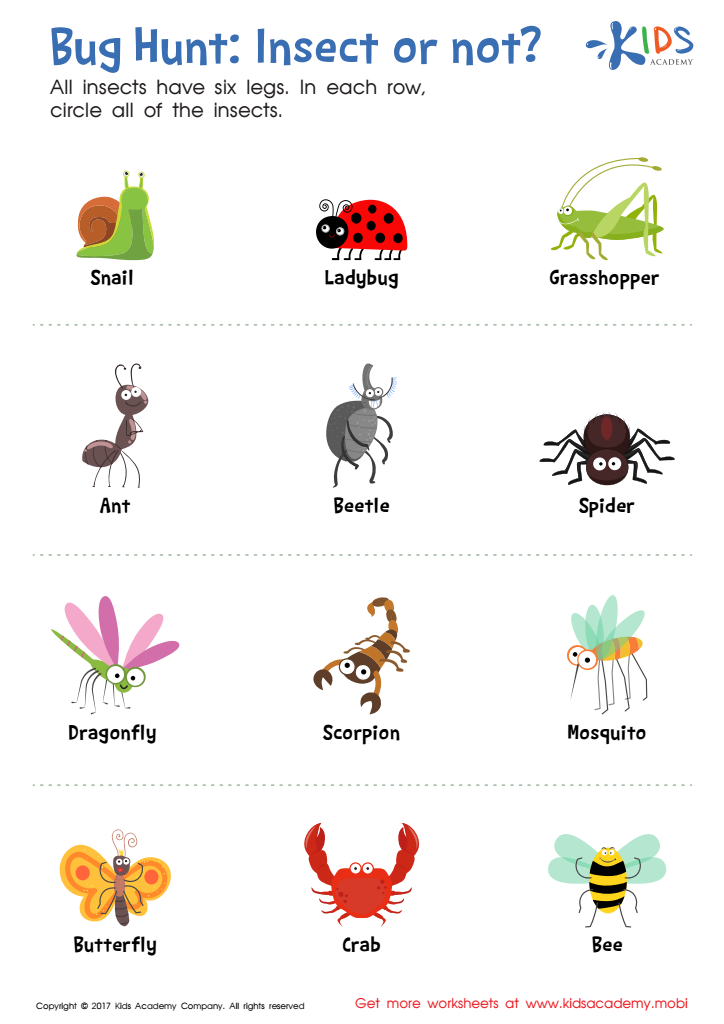
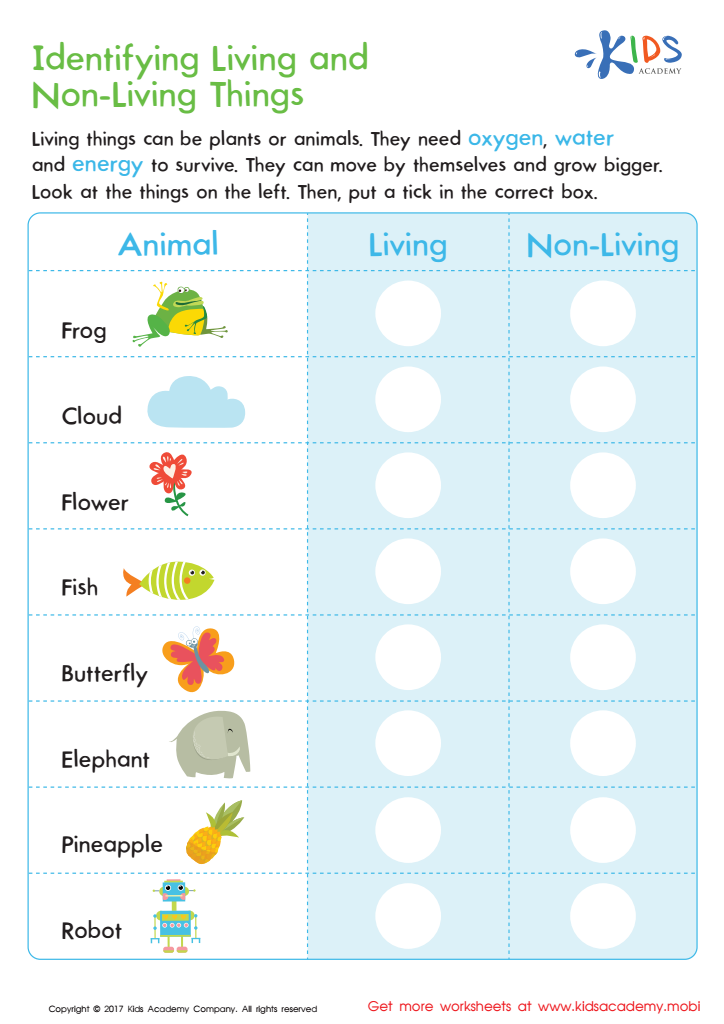
Identifying Living or Non–living Worksheet
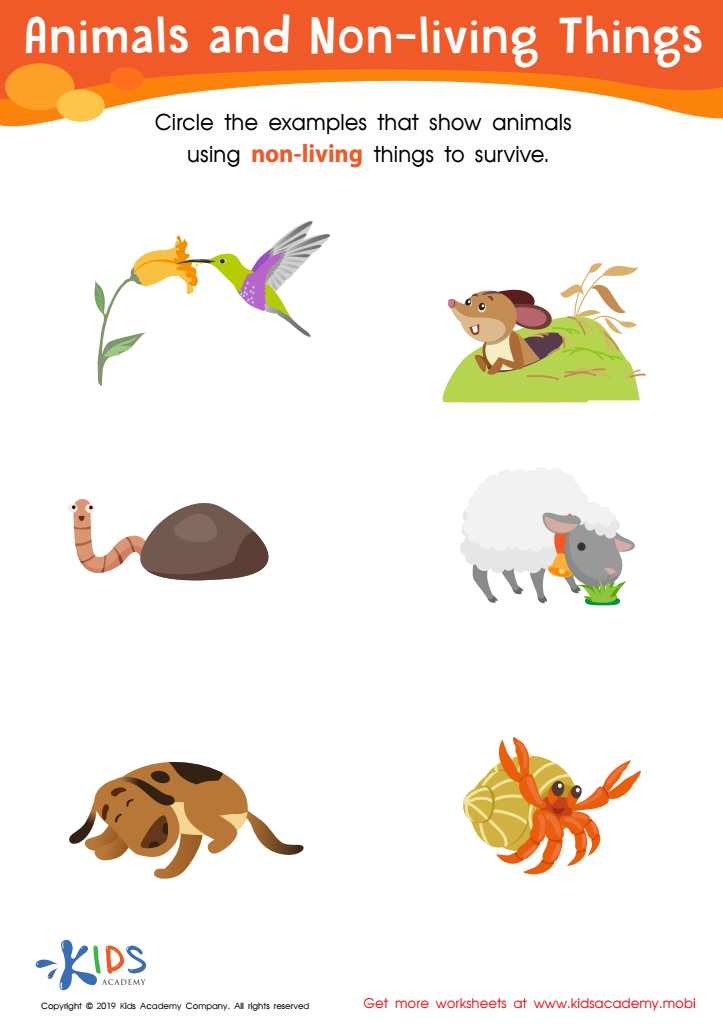
Animals and Non-Living Things Worksheet




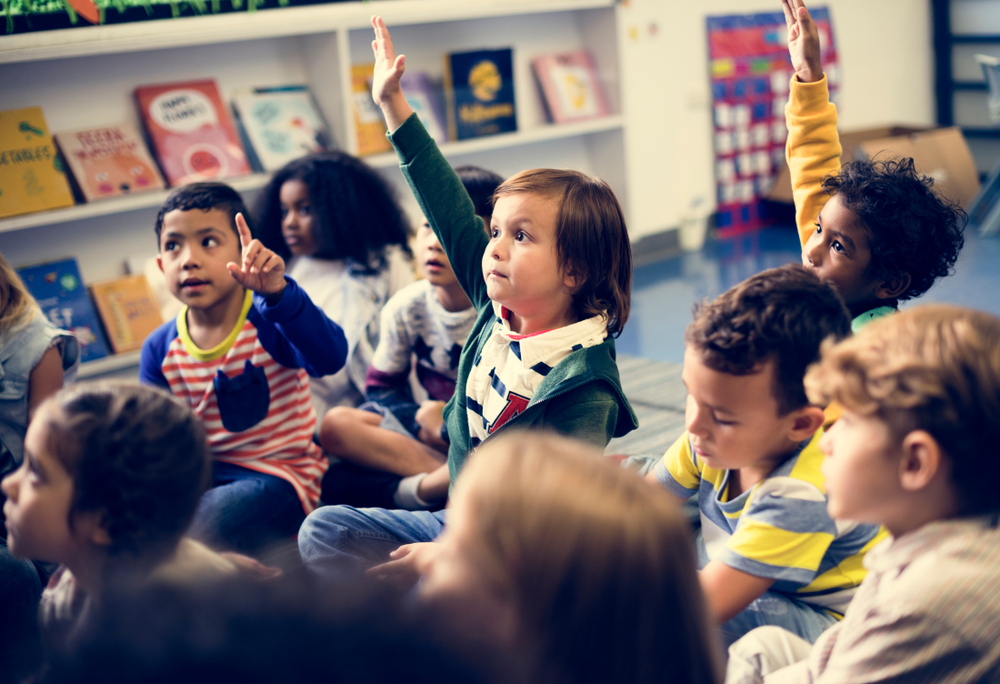



Categorization skills are essential for young children, particularly those ages 3-4, as they lay the foundation for critical thinking, problem-solving, and cognitive development. During these formative years, children begin to group objects, ideas, and experiences according to shared attributes, which enhances their understanding of the world. This early skill supports language development as children learn to label and describe different categories, paving the way for increased vocabulary.
Parents and teachers should care about categorization because it fosters comprehension in various subjects, from math to science and literacy. For instance, when children classify animals, such as grouping them by habitat or size, they engage in early scientific reasoning. This process encourages curiosity and exploration, inspiring a lifelong love of learning.
Moreover, fostering categorization skills can aid in social development, as children learn to identify emotions and behaviors in themselves and others through grouping experiences. By providing developmentally appropriate categorization opportunities, such as sorting games, interactive stories, and hands-on activities, adults can support children in building essential skills that contribute to future academic and social success. Ultimately, prioritizing categorization during early childhood positively impacts cognitive growth, setting a strong foundation for lifelong learning.







