Enhancing observation skills Normal Science Worksheets for Ages 3-4
5 filtered results
-
From - To
Unlock the wonders of early science exploration with our "Enhancing Observation Skills" worksheets designed for children aged 3-4. These interactive and fun activities encourage young learners to observe their surroundings, identify differences, and recognize patterns in nature. Each worksheet promotes critical thinking through engaging visuals and simple tasks tailored to their developmental stage. As children immerse themselves in hands-on learning, they will not only sharpen their observation skills but also ignite their curiosity about the world around them. Perfect for both home and classroom settings, these worksheets are a great tool for fostering a love of science in young minds!
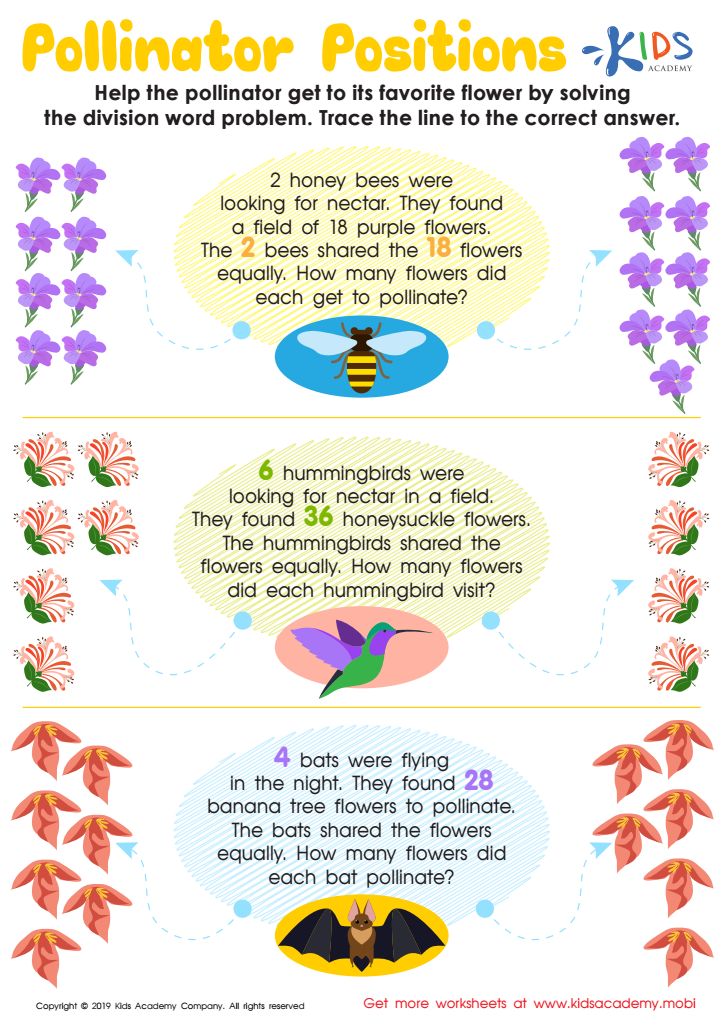
Pollinator Positions Worksheet
 Assign to My Students
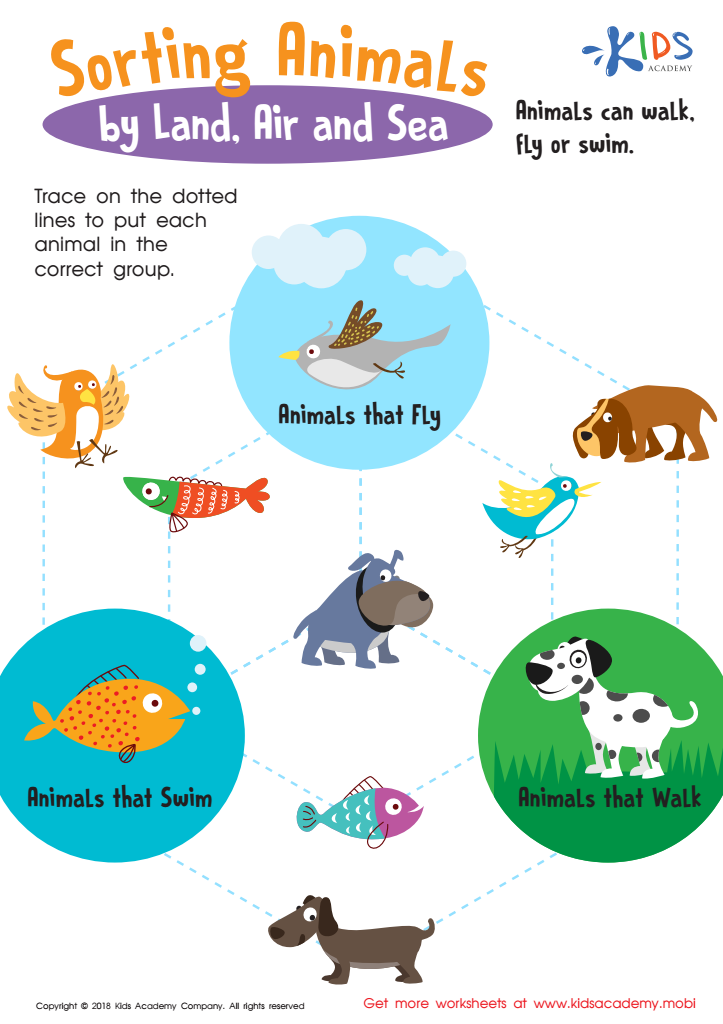
Sorting Animals by Land, Air and Sea Worksheet
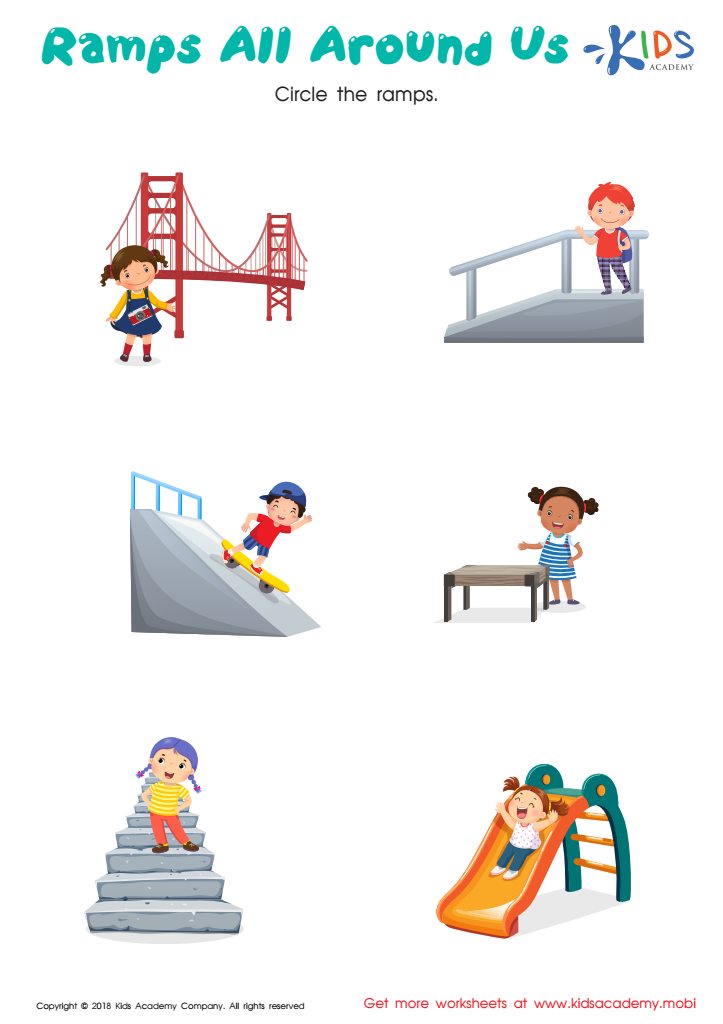
Ramps All Around us Worksheet
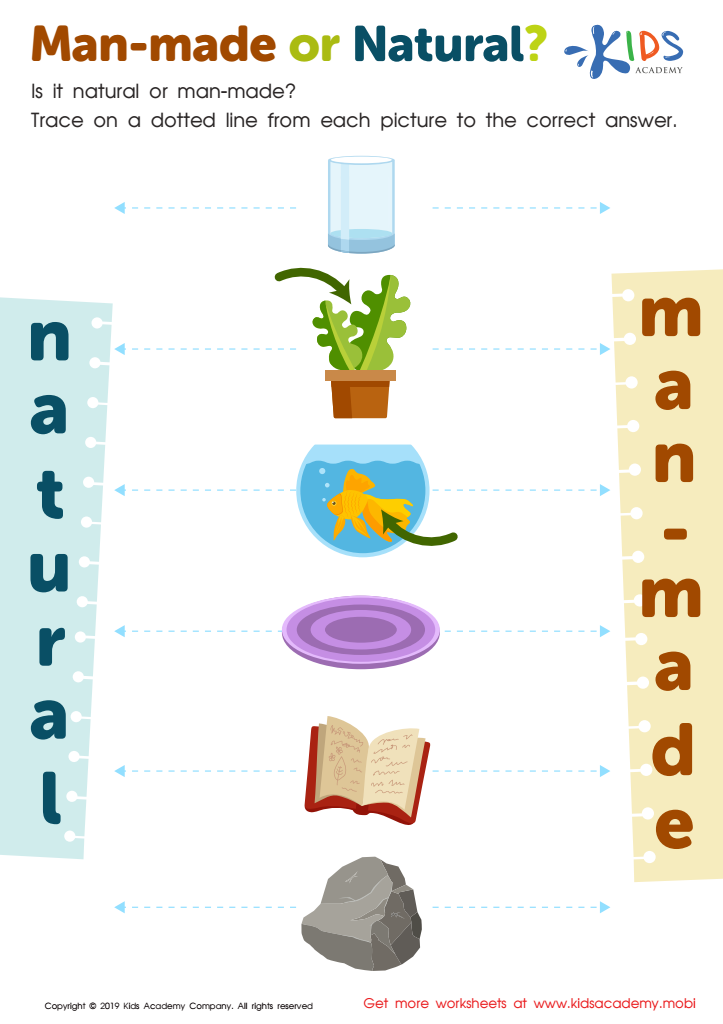
Man-Made or Natural? Worksheet
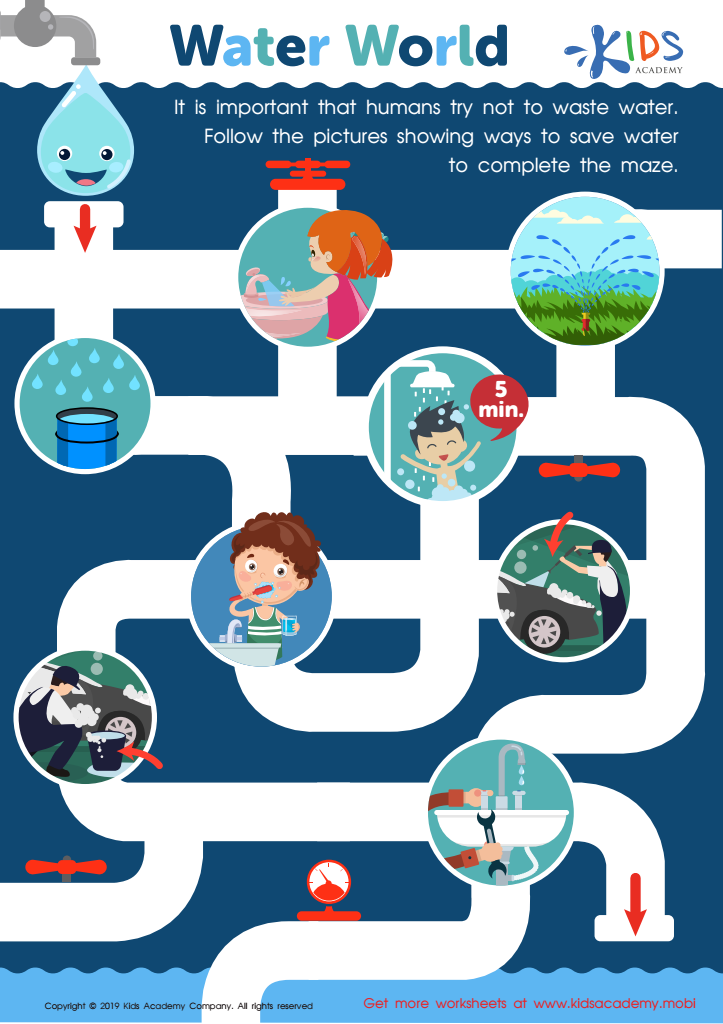
Water World Worksheet







Enhancing observation skills in young children, particularly those aged 3 to 4, is essential for fostering their curiosity and understanding of the world around them. At this crucial stage of development, children learn best through exploration and interaction. By encouraging observation, parents and teachers can help children cultivate critical thinking, problem-solving abilities, and a foundational love for learning.
Observation skills promote cognitive, language, and social development. As children observe their environment, they learn to articulate their thoughts and questions, which enhances their vocabulary and communication skills. Furthermore, engaging in observation allows children to make connections between concepts, aiding in early scientific inquiry and reasoning.
Parents and teachers should prioritize this practice by creating rich, stimulating environments where children can explore. Simple activities, such as nature walks, nature scavenger hunts, or even observing everyday occurrences, can encourage children to notice details, ask questions, and develop theories.
Ultimately, enhancing observation skills at an early age lays the groundwork for future academic success and fosters a lifelong interest in learning. By investing in this developmental aspect, adults empower children to become thoughtful, inquisitive individuals open to new ideas and experiences.







