Alphabet Recognition Normal ABC Coloring Pages Worksheets for Ages 3-5
10 filtered results
-
From - To
Unlock your child's creativity and learning with our Alphabet Recognition Normal ABC Coloring Pages Worksheets, designed specifically for ages 3-5! These engaging printable worksheets provide a fun and interactive way for young learners to master their ABCs. Each page features colorful designs and simple images that correspond to letters, reinforcing letter recognition and phonics skills. Perfect for classrooms or at home, these worksheets encourage fine motor skills development through coloring activities. Watch as your little ones boost their confidence and knowledge of the alphabet while having fun. Start your child's educational journey today with our delightful and effective coloring pages!
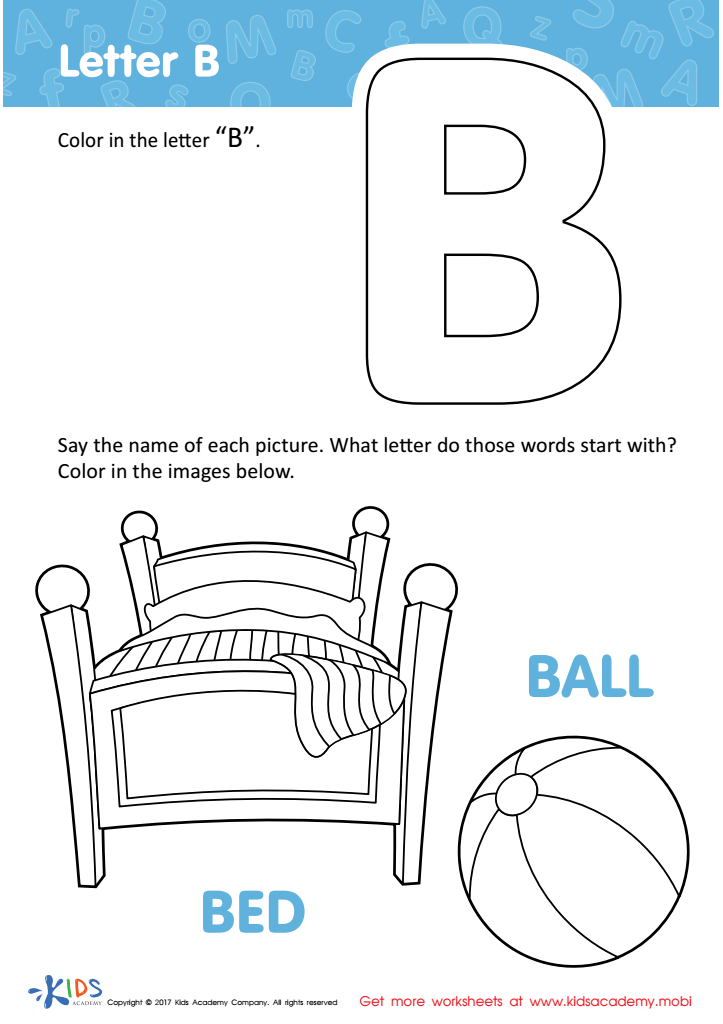
Letter B Coloring Sheet
 Assign to My Students
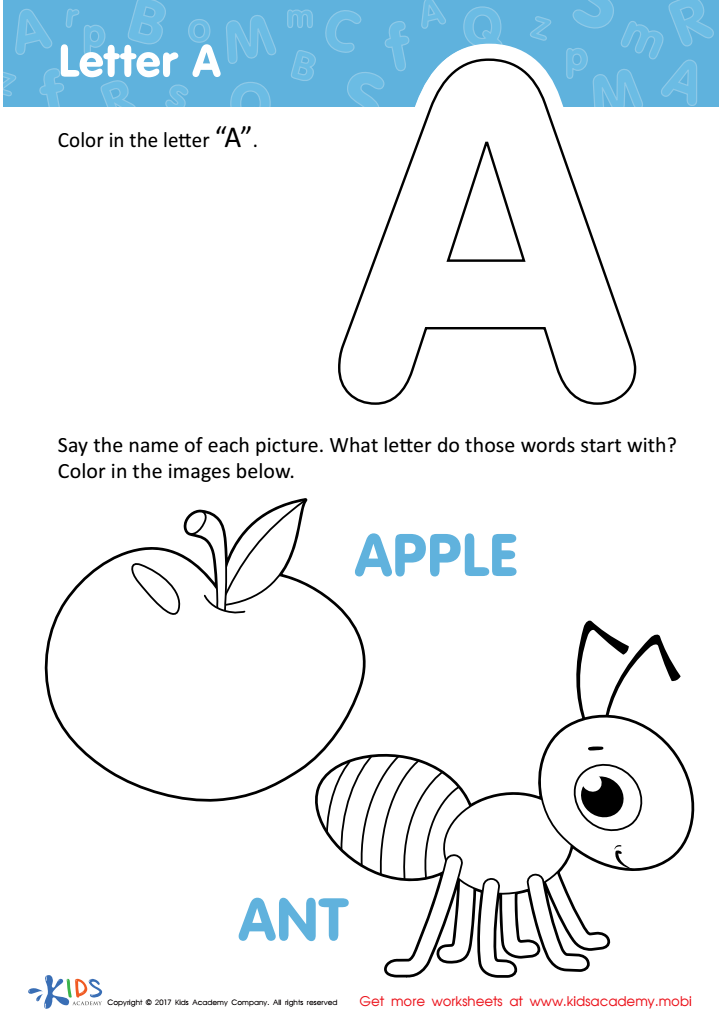
Letter A Coloring Sheet
Assign to My Students
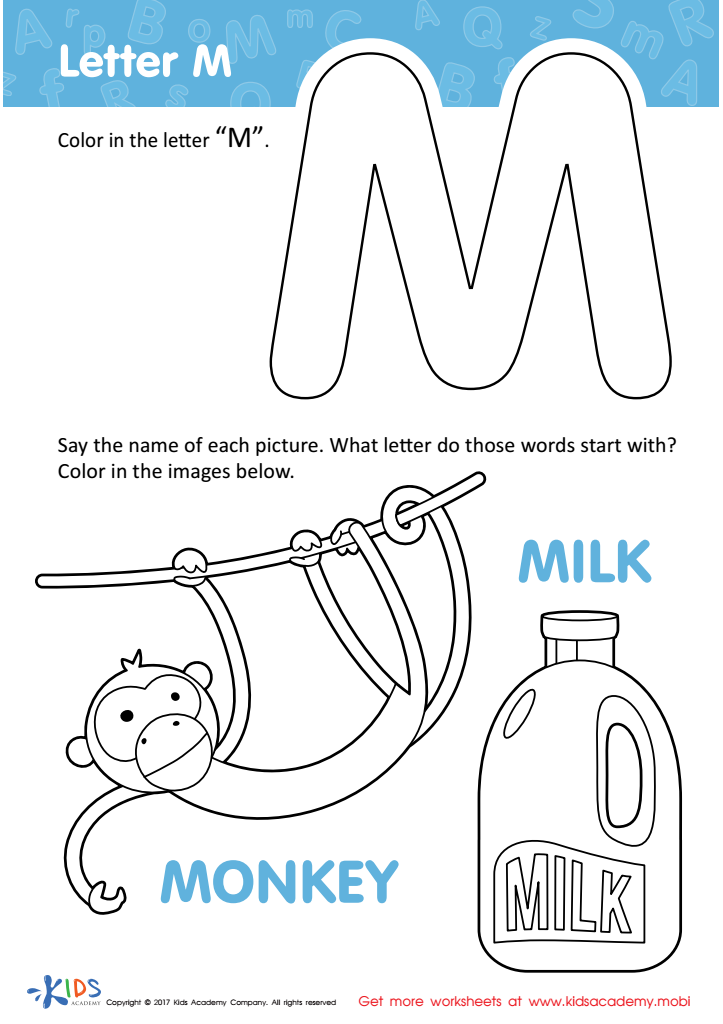
Letter M Coloring Sheet
Assign to My Students
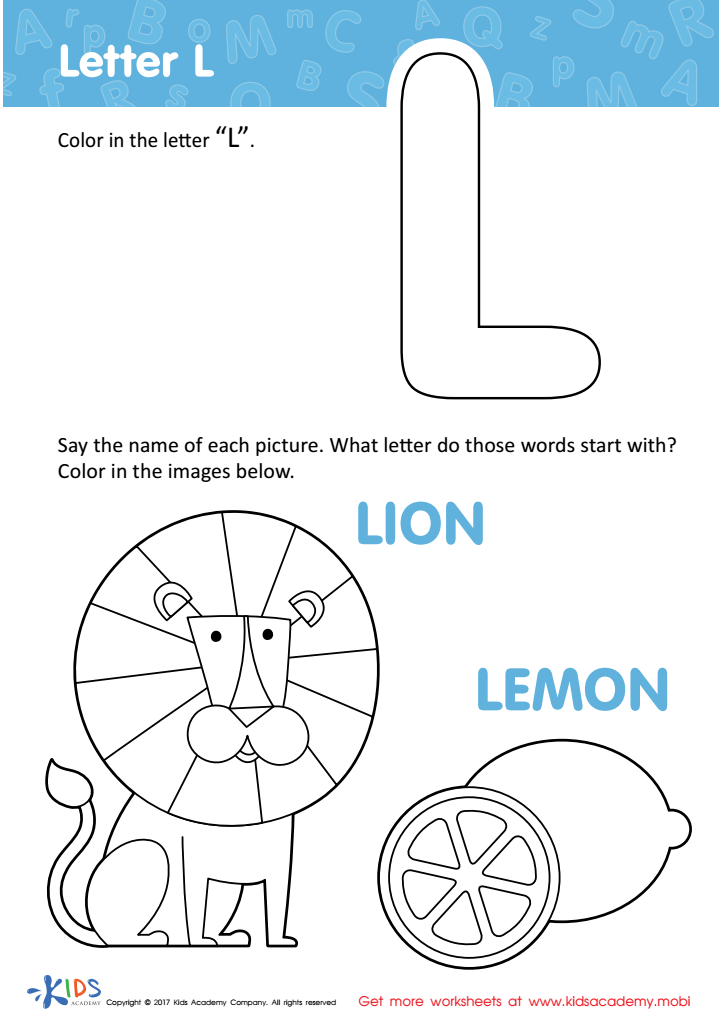
Letter L Coloring Sheet
Assign to My Students
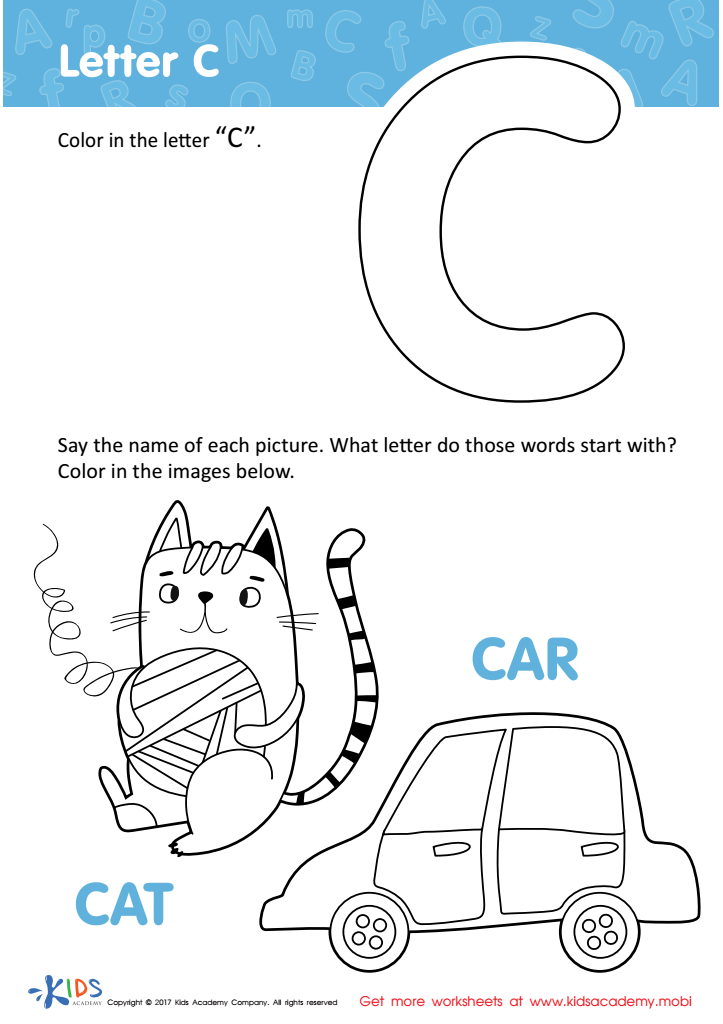
Letter C Coloring Sheet
Assign to My Students
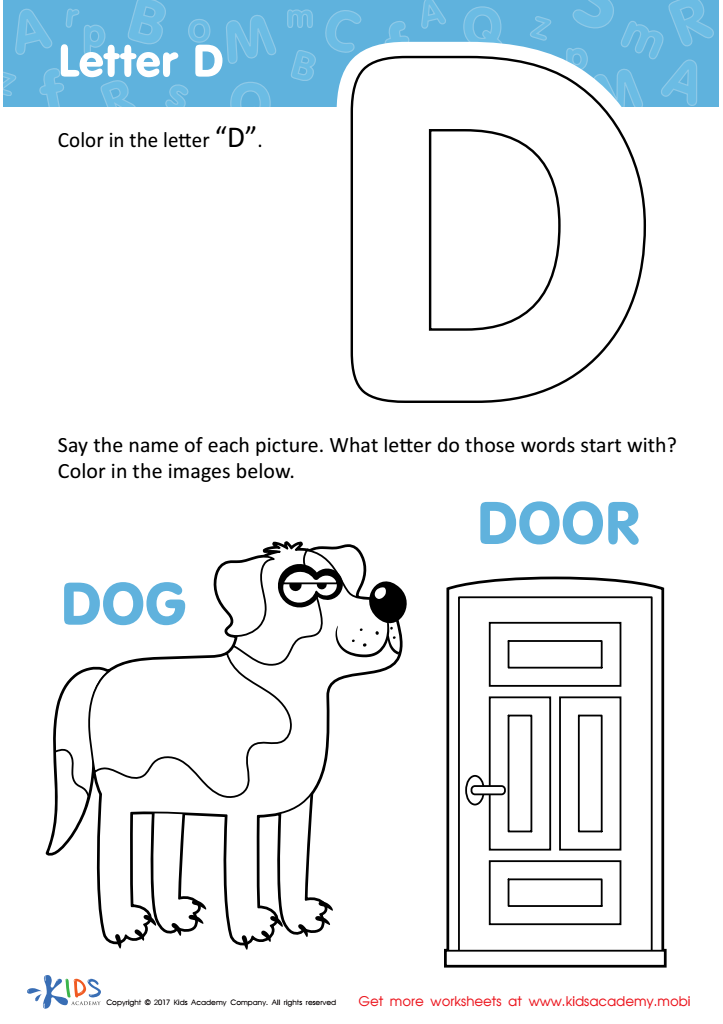
Letter D Coloring Sheet
Assign to My Students
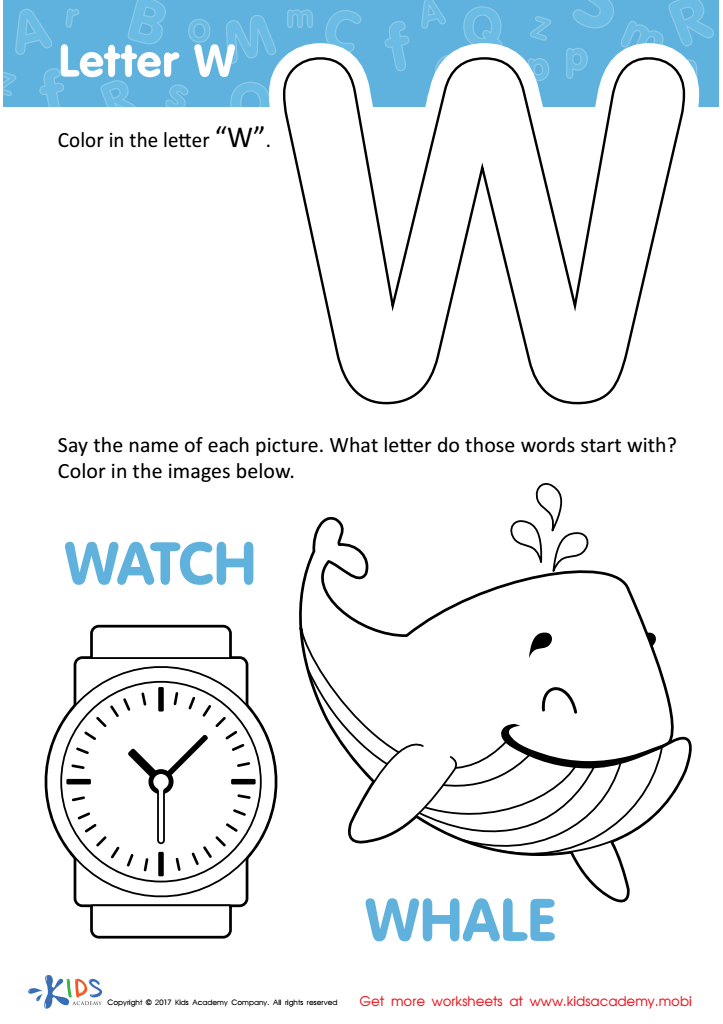
Letter W Coloring Sheet
Assign to My Students
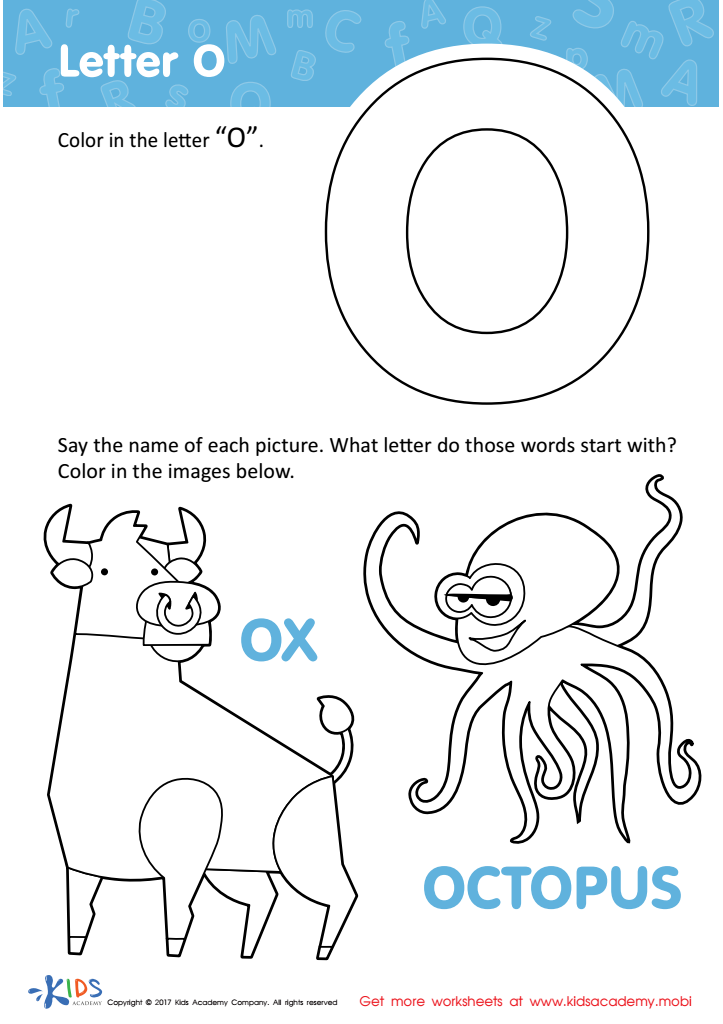
Letter O Coloring Sheet
Assign to My Students
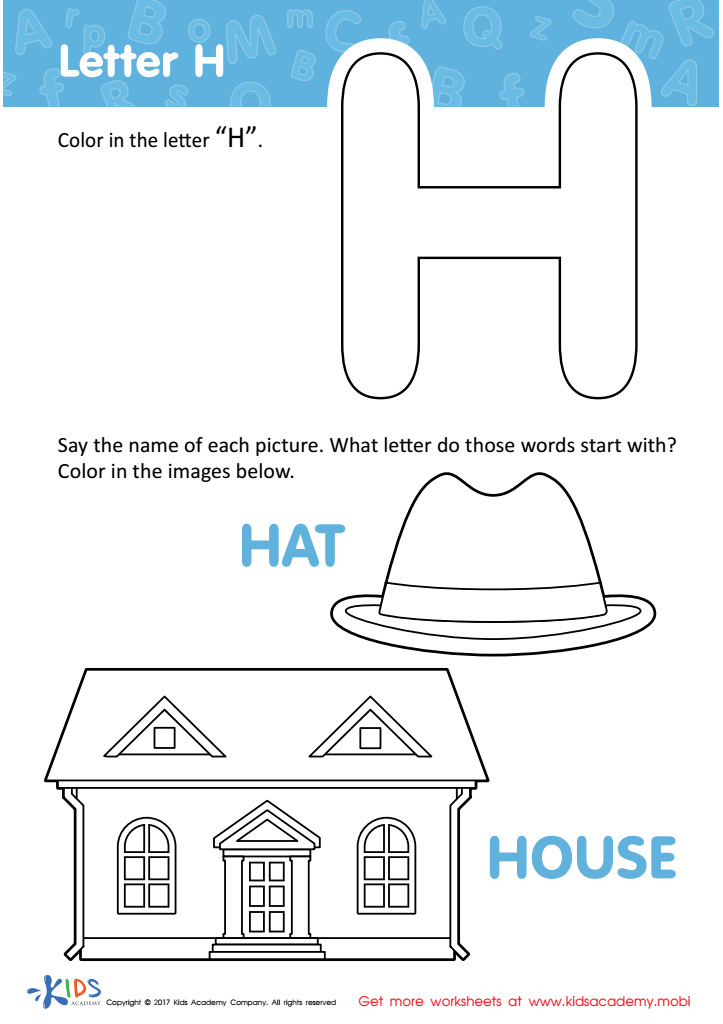
Letter H Coloring Sheet
Assign to My Students
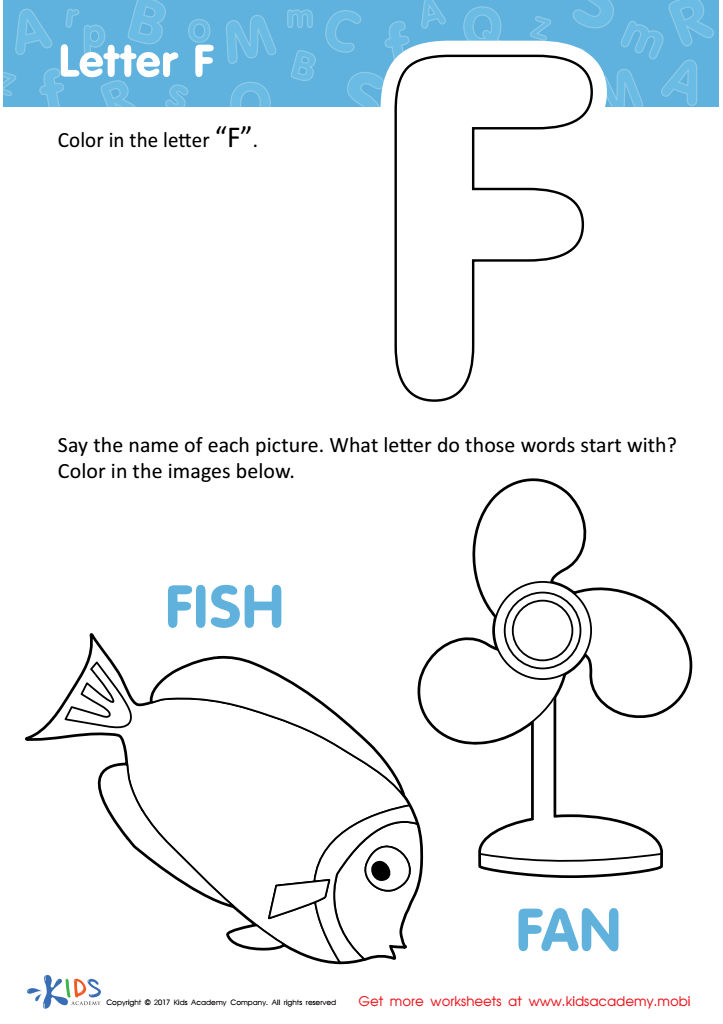
Letter F Coloring Sheet
Assign to My Students



Alphabet recognition is a critical developmental milestone for children aged 3 to 5. During these formative years, children begin to understand the relationship between letters and sounds, forming the foundation for literacy. Alphabet recognition coloring pages not only make learning enjoyable but also engage children’s creativity, which can enhance memory retention.
Parents and teachers should care about these coloring pages because they serve multiple educational purposes. While children color and engage in artistic expression, they simultaneously reinforce their understanding of letters and phonetics. This multitasking promotes cognitive skills and fosters a positive learning environment. It also encourages fine motor skill development as children manipulate crayons or markers, which aids in their overall physical coordination.
Moreover, visually appealing alphabet coloring pages can spark a child’s interest in reading, leading to further exploration of written language. When used in group or classroom settings, these activities also encourage social interaction, sharing, and teamwork, important components of early childhood education.
Involving children in such interactive learning reinforces parental participation and teacher guidance, creating a collaborative atmosphere that enriches their educational experiences. By caring about these resources, adults can significantly contribute to a child’s early literacy development and lifelong love for learning.