Fine Motor Skills Normal Alphabet Worksheets for Ages 3-5 - Page 3
51 filtered results
-
From - To
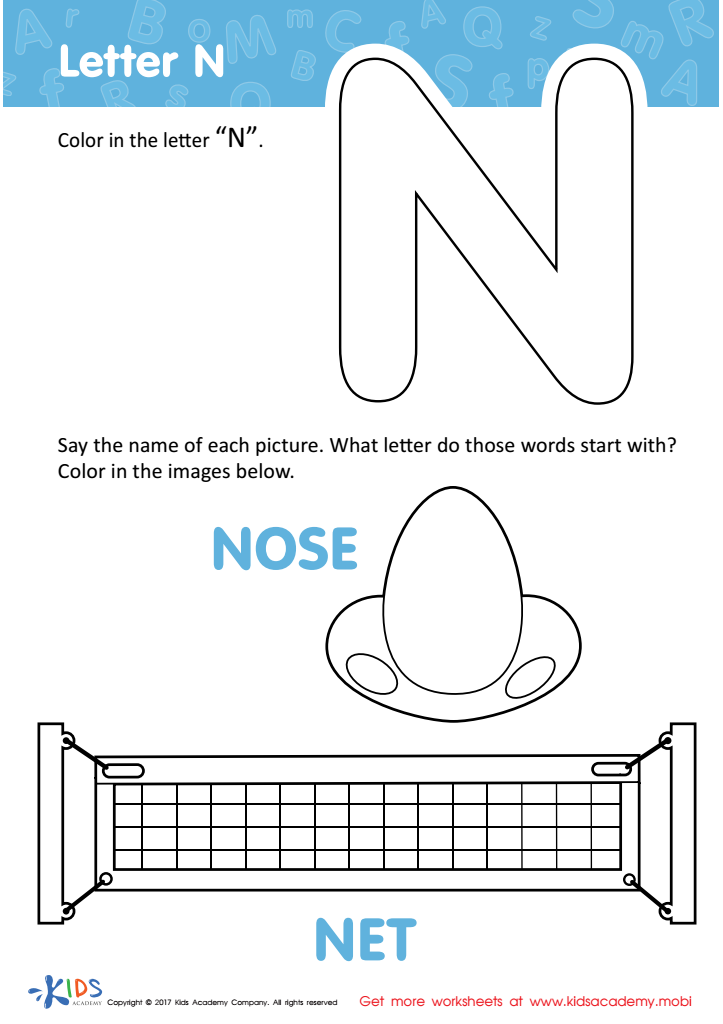
Letter N Coloring Sheet
 Assign to My Students

Letter D Tracing Page
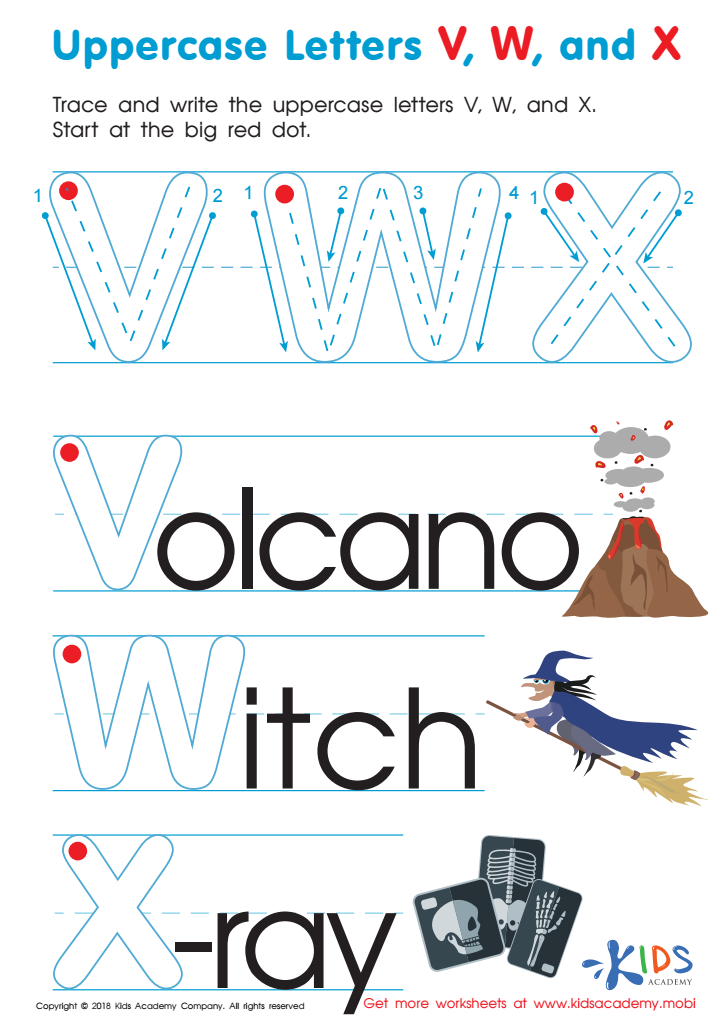
Uppercase Letters V, W, and X Worksheet






Ensuring the development of fine motor skills in children aged 3-5 is vital for their success in school and daily activities. Fine motor skills involve the coordinated efforts of small muscles in the hands and fingers, necessary for tasks like writing, buttoning clothes, and using utensils. By focusing on these skills, parents and teachers lay a strong foundation for children's academic and personal growth.
During the critical preschool years, children begin to learn the alphabet, an essential cornerstone of literacy. Proper fine motor skills make learning to write the alphabet easier and more enjoyable, promoting a positive attitude towards education. A child who can confidently hold a pencil and form letters correctly feels more capable and engaged in classroom activities.
Furthermore, activities that enhance fine motor skills simultaneously boost cognitive development, including problem-solving and hand-eye coordination. Engaging young children in playful, skill-building activities like drawing, cutting with scissors, or playing with clay can significantly impact their fine motor proficiency.
Caring about fine motor skill development isn't just about academics; it's also about empowering children to be independent. Fine motor skills enable young kids to perform everyday tasks like tying their shoes or opening snack containers, fostering confidence and self-sufficiency. Therefore, attention to fine motor skills during early childhood sets the stage for a more successful, independent, and confident future.







