Phonics recognition Normal Alphabet Worksheets for Ages 3-5
5 filtered results
-
From - To
Discover our engaging Phonics Recognition Normal Alphabet Worksheets designed specifically for children ages 3-5! These colorful and interactive resources introduce young learners to the fundamental sounds of letters while enhancing their reading skills. Each worksheet encourages phonemic awareness through fun activities like letter matching, sound identification, and phonics games. By exploring the connections between letters and sounds, kids will build a solid foundation for future literacy success. Perfect for preschoolers and kindergartners, our worksheets make learning enjoyable and effective, promoting cognitive growth through playful learning experiences. Start your child's phonics journey today with our expertly crafted resources!
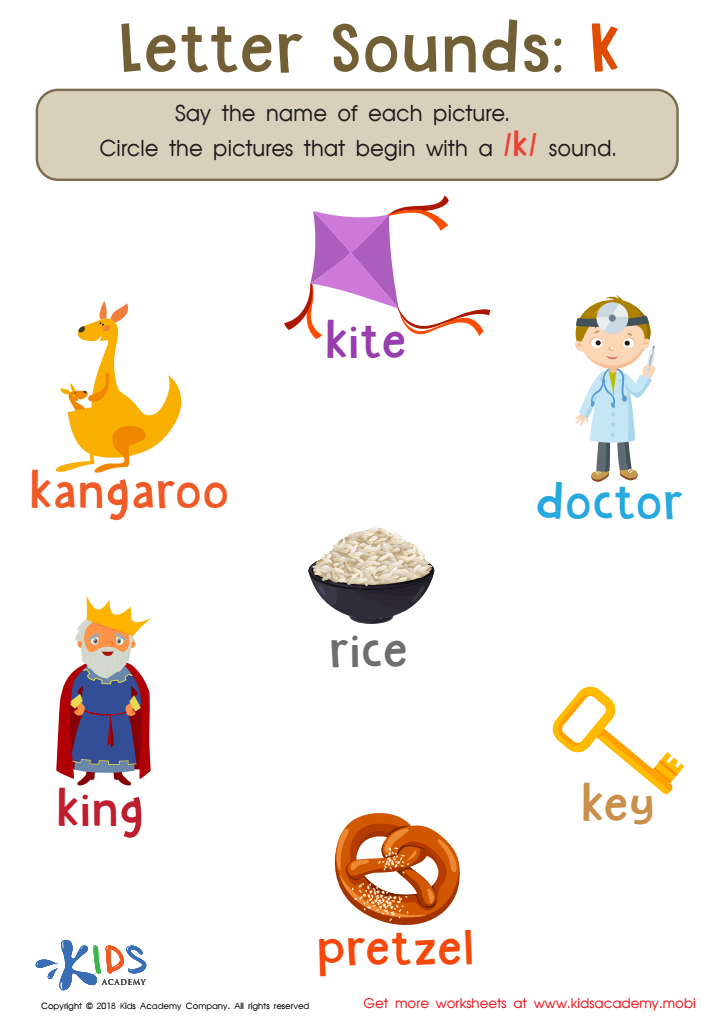
Letter K Sounds Worksheet
 Assign to My Students
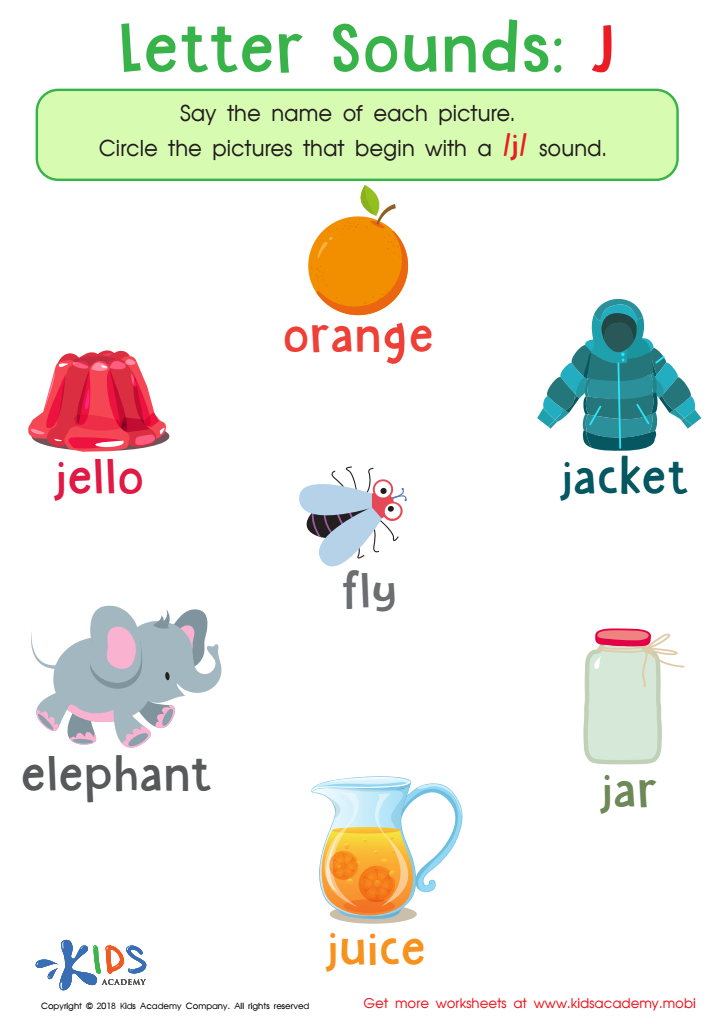
Letter Sounds: J Printable Worksheet
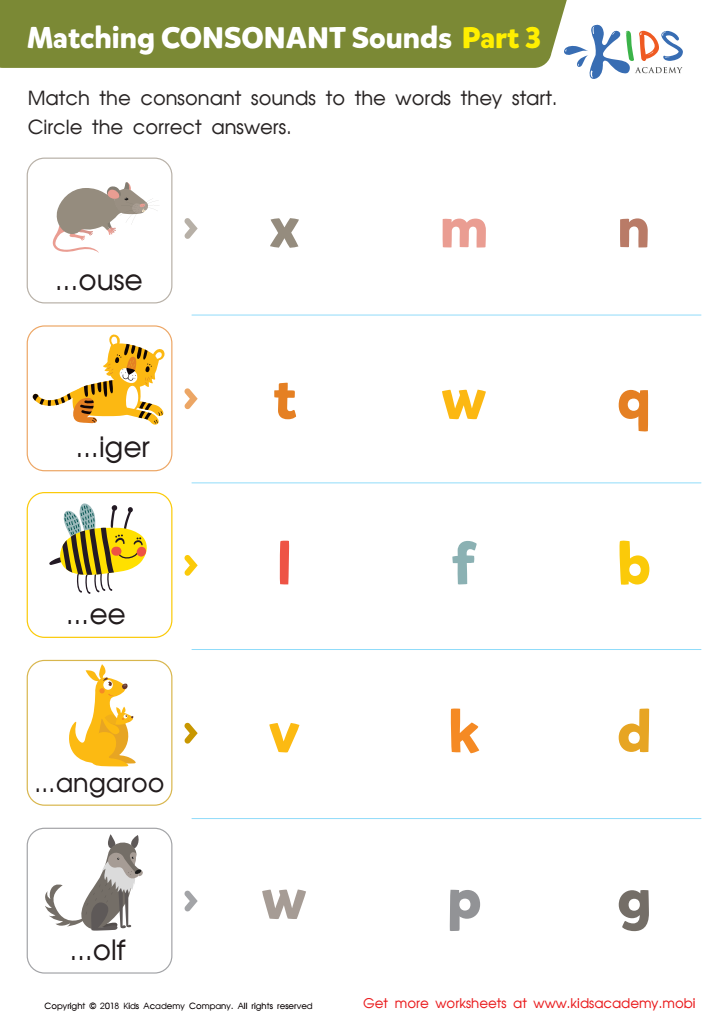
Matching Consonant Sounds: Part 3 Worksheet
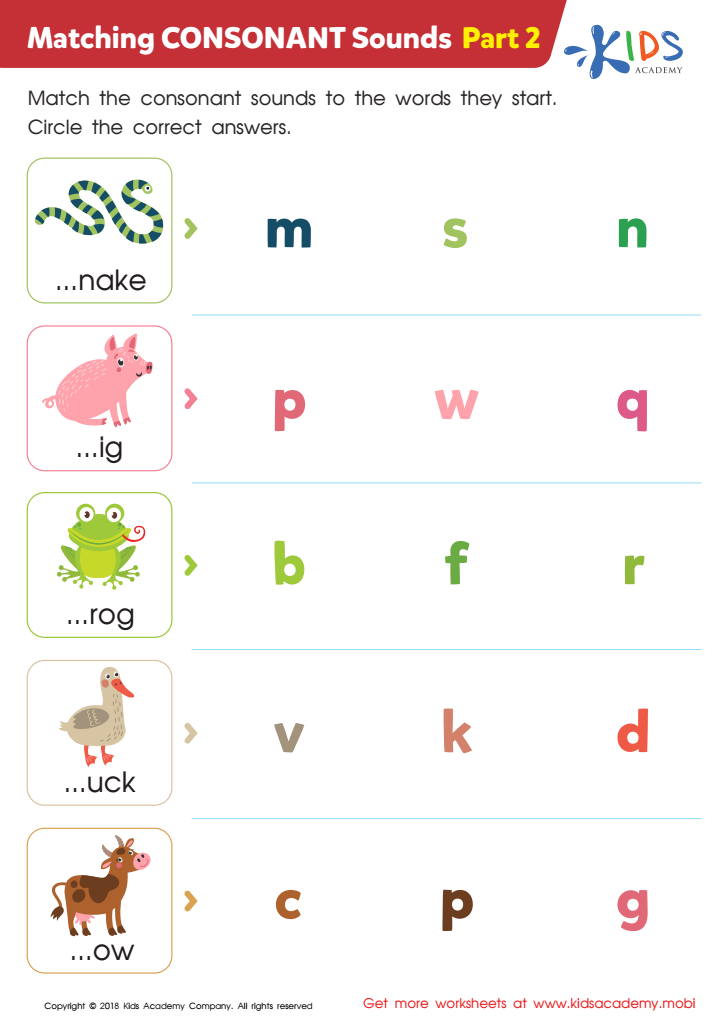
Matching Consonant Sounds: Part 2 Worksheet
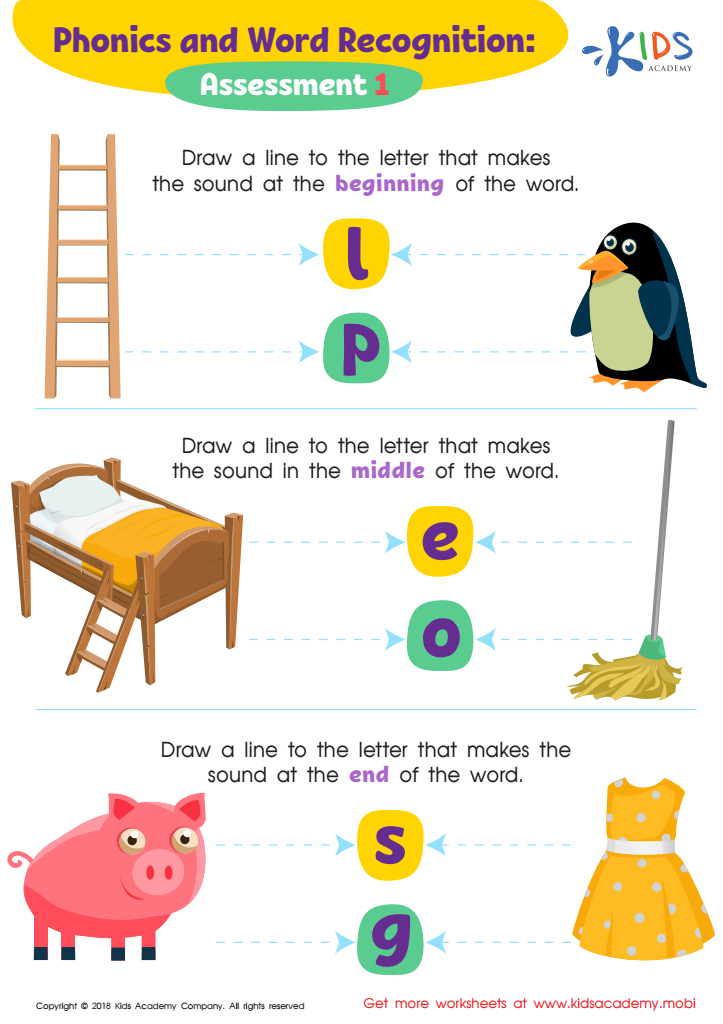
Phonics and Word Recognition: Assessment 1 ELA Worksheet






Phonics recognition of the regular alphabet is crucial for children aged 3-5 as it lays the foundation for literacy development. At this age, children are highly receptive to language learning, making it an ideal time to introduce sounds associated with letters, which can enhance their future reading and writing skills. Phonics instruction helps children understand the relationship between letters and sounds, allowing them to decode words independently.
Parents and teachers play a pivotal role in this process; by incorporating phonics into daily activities through songs, games, and reading, they can foster an engaging learning environment. Mastery of phonics can lead to improved vocabulary and comprehension skills, empowering children to express themselves better and enjoy reading as a pleasurable activity.
Moreover, strong phonics recognition can boost a child's confidence and motivation when they begin reading. Children who struggle with recognizing phonemes may feel frustration or anxiety, potentially leading to negative attitudes toward learning. Therefore, investing time and resources into phonics recognition is not just about learning to read; it's about providing children with the tools they need for lifelong academic success and self-esteem. Ultimately, nurturing these skills equips young learners for a brighter educational journey ahead.







