Problem-Solving Skills Normal Alphabet Worksheets for Ages 3-5
3 filtered results
-
From - To
Introduce your children to the joy of learning with our Problem-Solving Skills Normal Alphabet Worksheets designed especially for ages 3-5! These fun and engaging printable worksheets help young learners develop essential problem-solving skills while mastering the alphabet. Each worksheet features vibrant illustrations and age-appropriate challenges that encourage critical thinking and creativity. Perfect for preschoolers and kindergartners, our worksheets make early learning enjoyable and effective. Enhance your child’s cognitive abilities and lay the groundwork for future academic success with our carefully crafted problem-solving alphabet activities! Download now and watch your child thrive in both problem-solving and literacy.
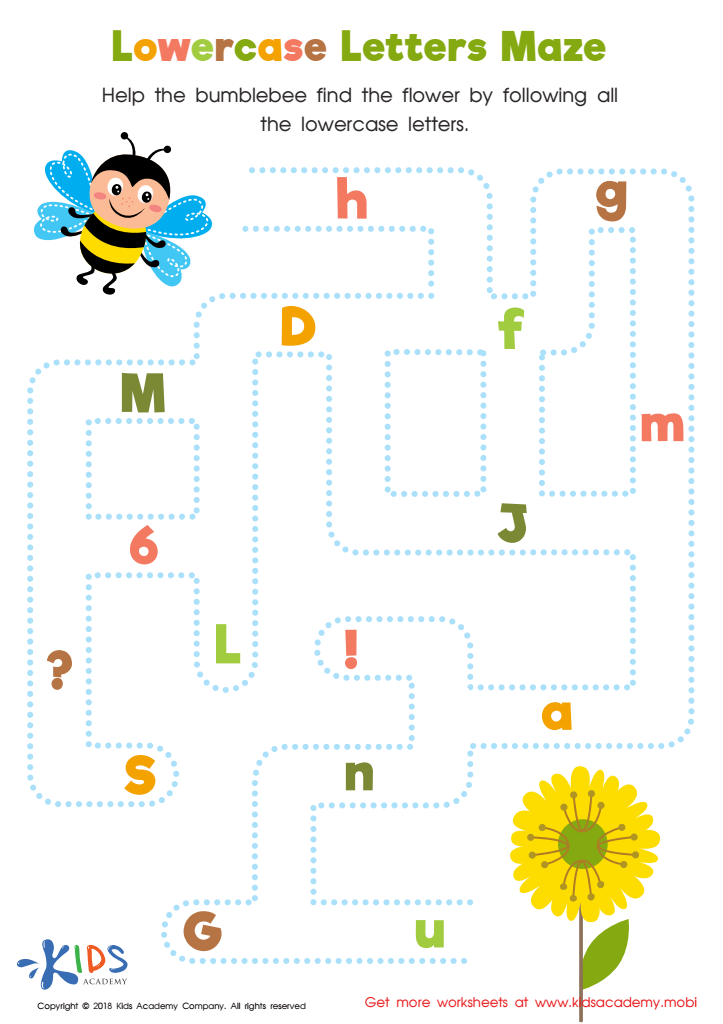
Lowercase Letters Maze Worksheet
 Assign to My Students
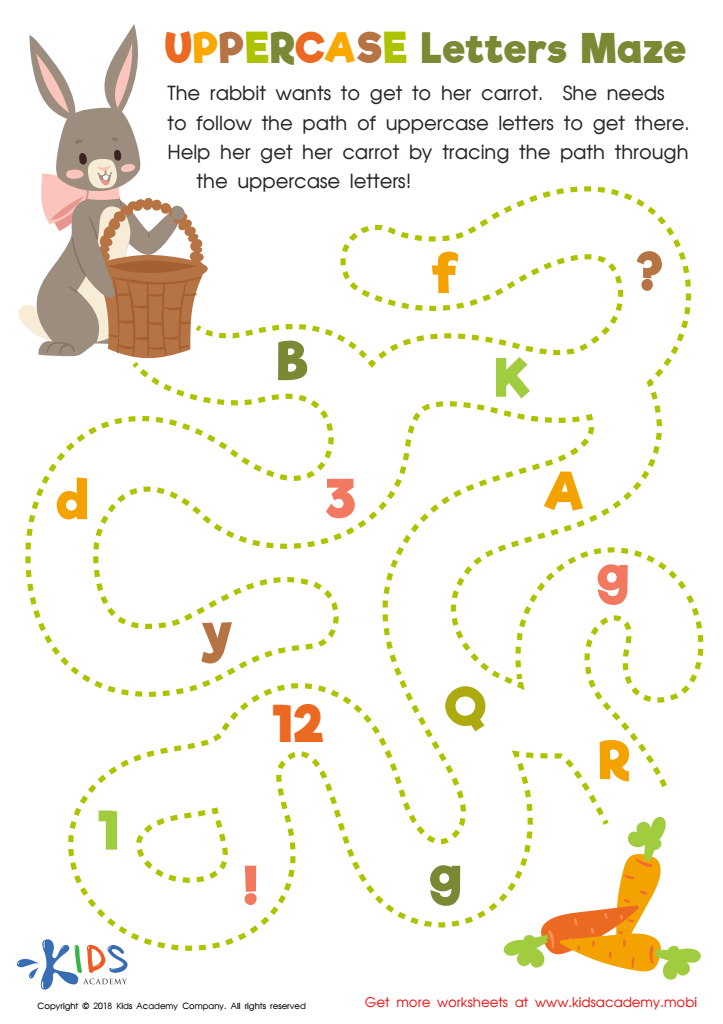
Uppercase Letters Maze Worksheet
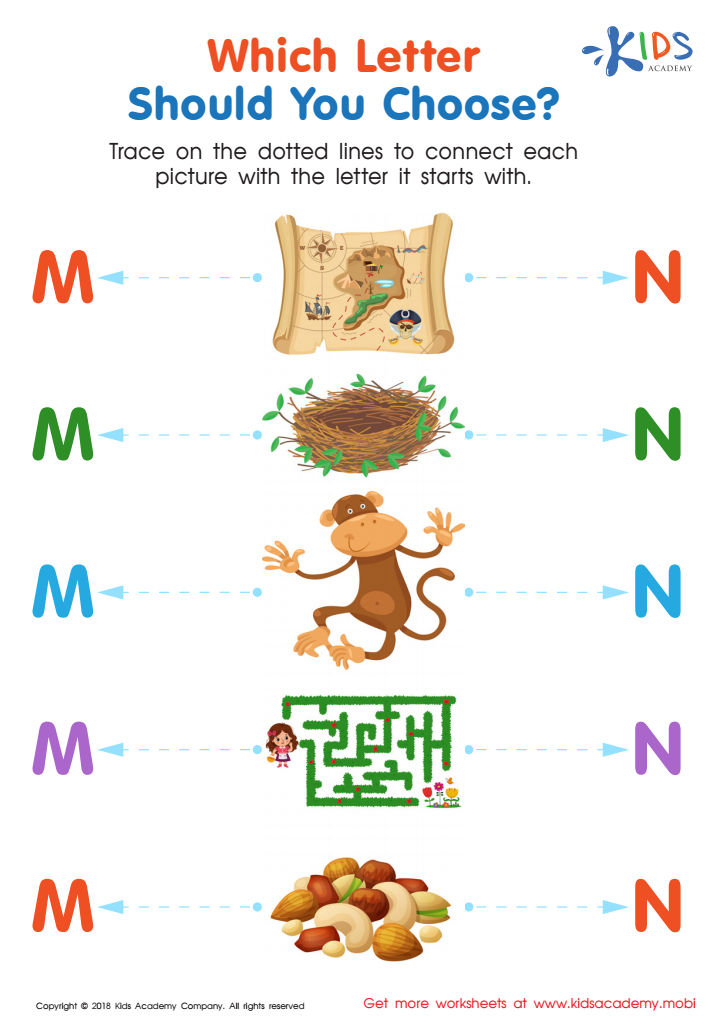
Which Letter Should you Choose? Worksheet






Problem-solving skills are an essential foundation for a child's cognitive, social, and emotional development, especially in the crucial early years of ages 3-5. During this period, children's brains are highly malleable, with neurons creating essential connections through new experiences and challenges. By cultivating problem-solving abilities early, parents and teachers set the stage for lifelong learning and success.
One important reason to focus on these skills is that they enhance critical thinking. Young children learn to observe, analyze, and approach problems from different angles, thereby developing thinking patterns that will benefit them academically and socially. Whether it's figuring out how to stack blocks without toppling or resolving a dispute with a peer, these problem-solving experiences contribute significantly to their learning process.
Moreover, problem-solving boosts confidence and independence. As children learn to solve problems on their own, they build self-esteem and a sense of autonomy. This independence fosters a love for learning and curiosity, encouraging them to explore and engage more deeply with their environment.
Socially, problem-solving teaches children to work collaboratively, improving their communication skills and empathy. When they navigate problems with peers, they gain an understanding of team effort and mutual respect.
Therefore, nurturing problem-solving abilities in children aged 3-5 prepares them for future academic challenges and helps them become resilient, confident, and empathetic individuals.







