Handwriting practice Normal Letter Recognition Worksheets for Ages 3-5
23 filtered results
-
From - To
Boost your child's early literacy skills with our "Handwriting Practice Normal Letter Recognition Worksheets for Ages 3-5." Designed for preschool and kindergarten children, these engaging worksheets help young learners recognize uppercase and lowercase letters while building fine motor skills. Fun and interactive, each worksheet integrates colorful images and tracing activities, ensuring children stay interested. Perfect for parents and educators, our meticulously crafted materials lay a strong foundation for reading and writing. Equip your little ones with the essential tools they need for academic success. Visit Kids Academy to explore our vast collection of high-quality educational resources today!
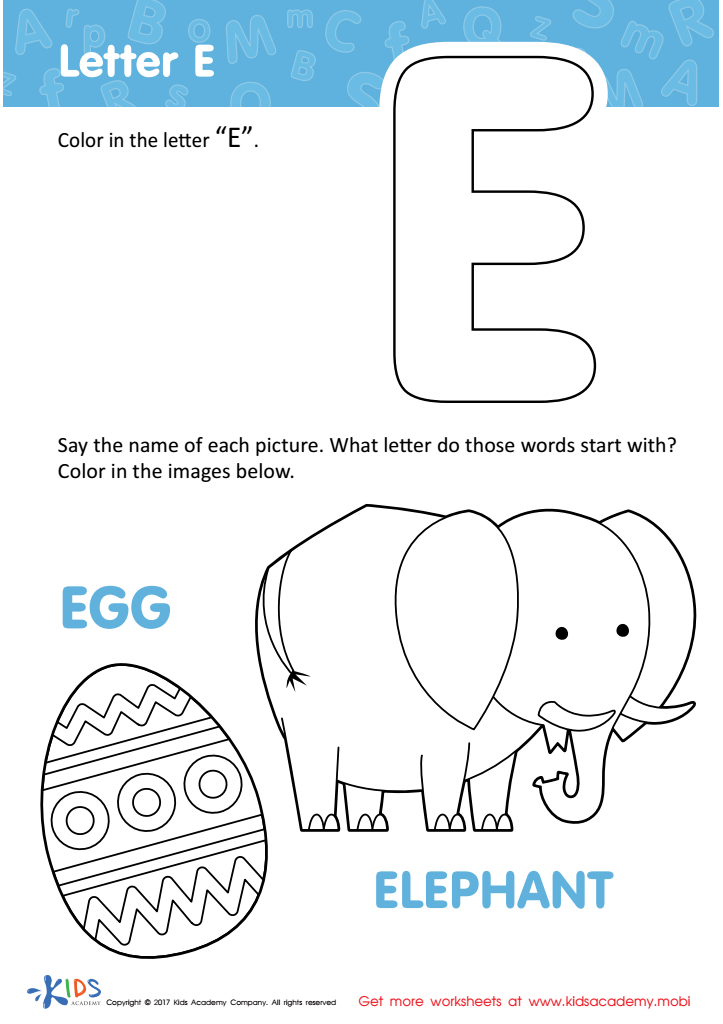
Letter E Coloring Sheet
 Assign to My Students
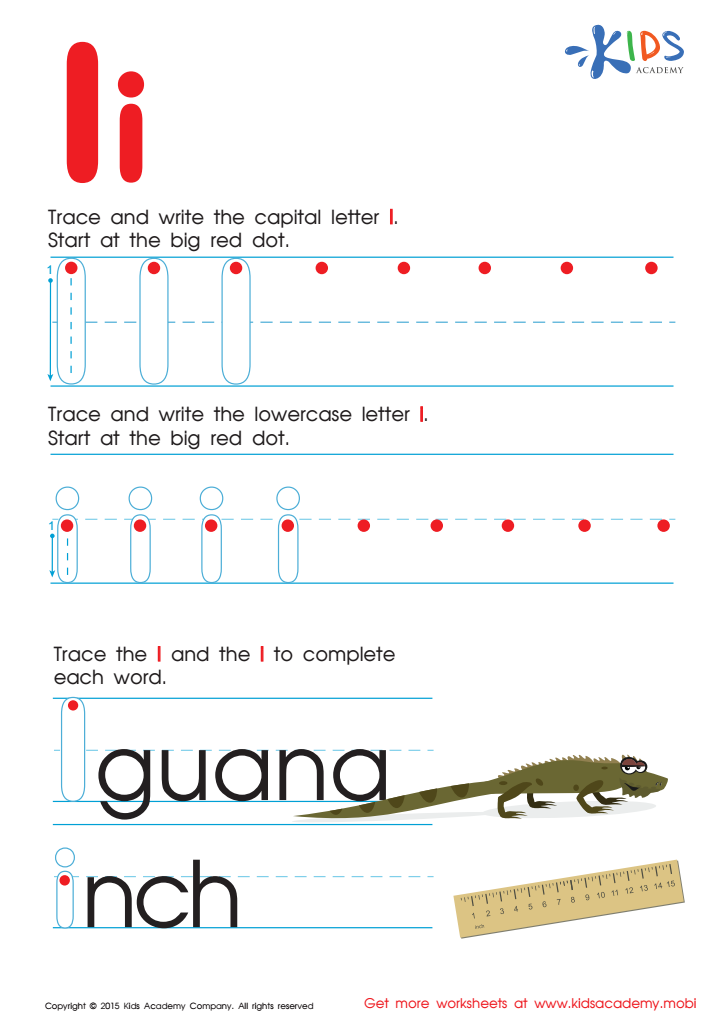
Letter I Tracing Page
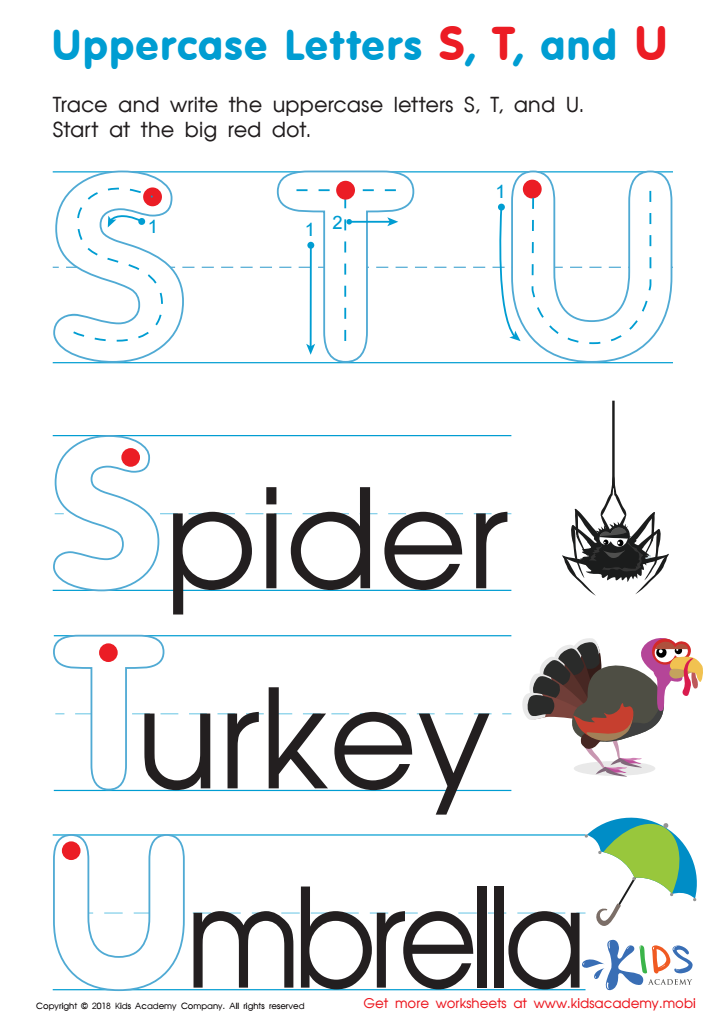
Uppercase Letters S, T, and U Worksheet
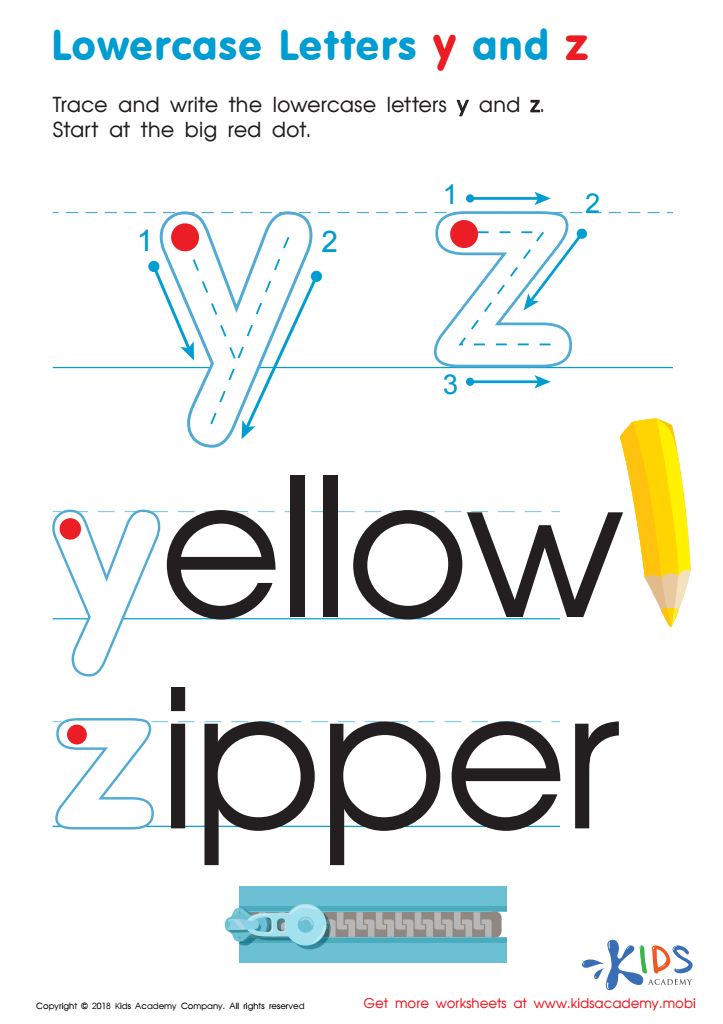
Lowercase Letters y z Worksheet
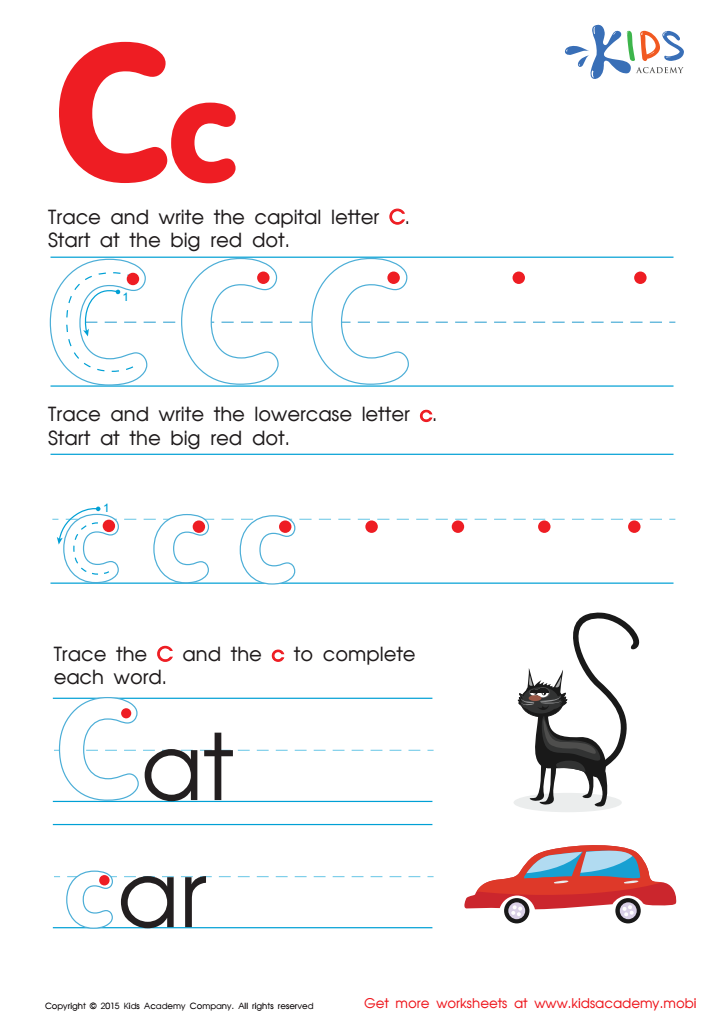
Letter C Tracing Page
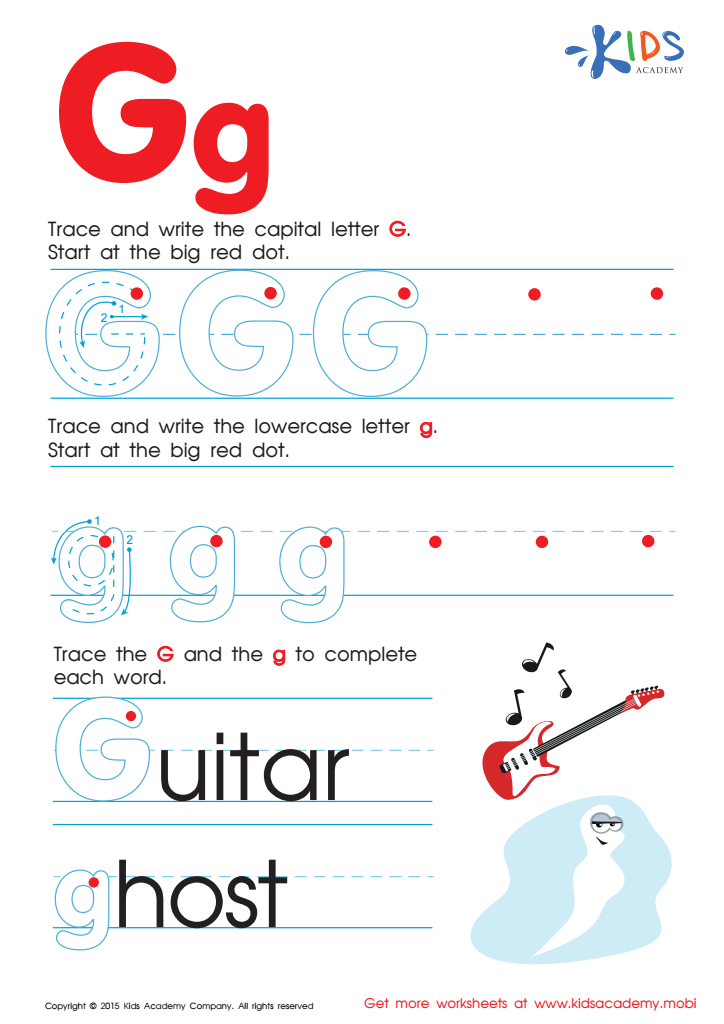
Letter G Tracing Page
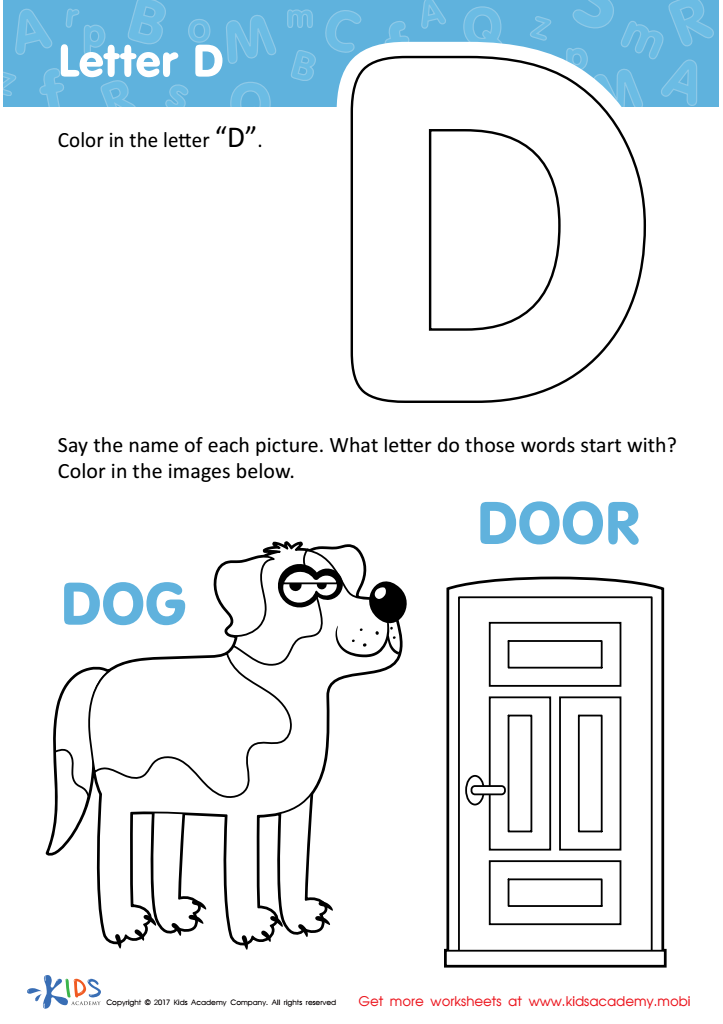
Letter D Coloring Sheet
Assign to My Students
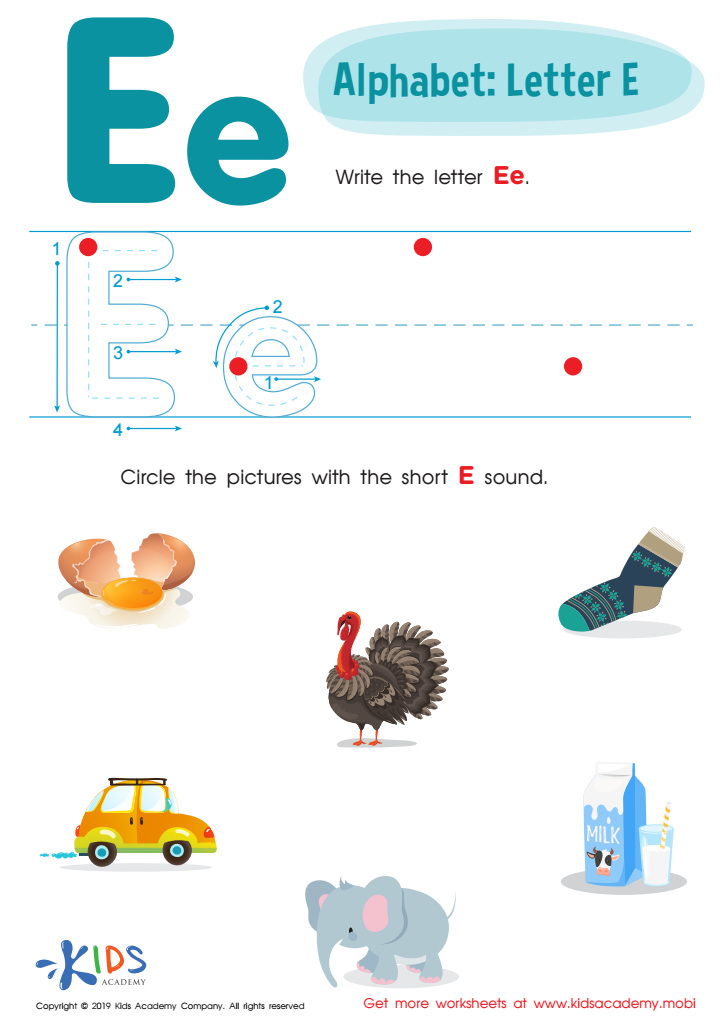
Letter E Tracing Worksheet
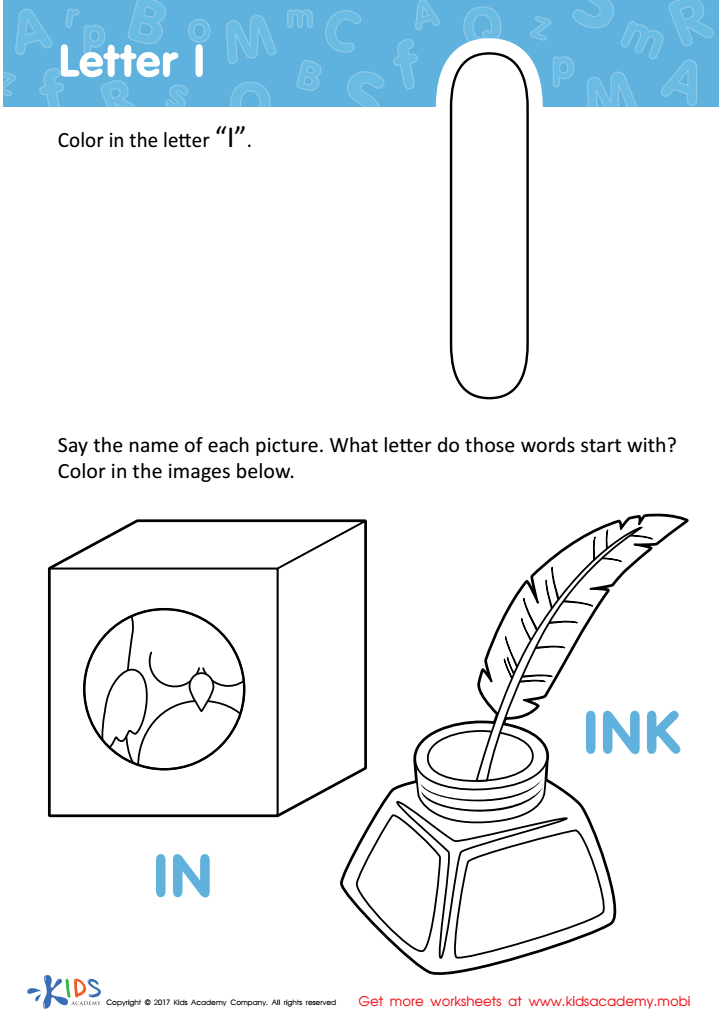
Letter I Coloring Sheet
Assign to My Students
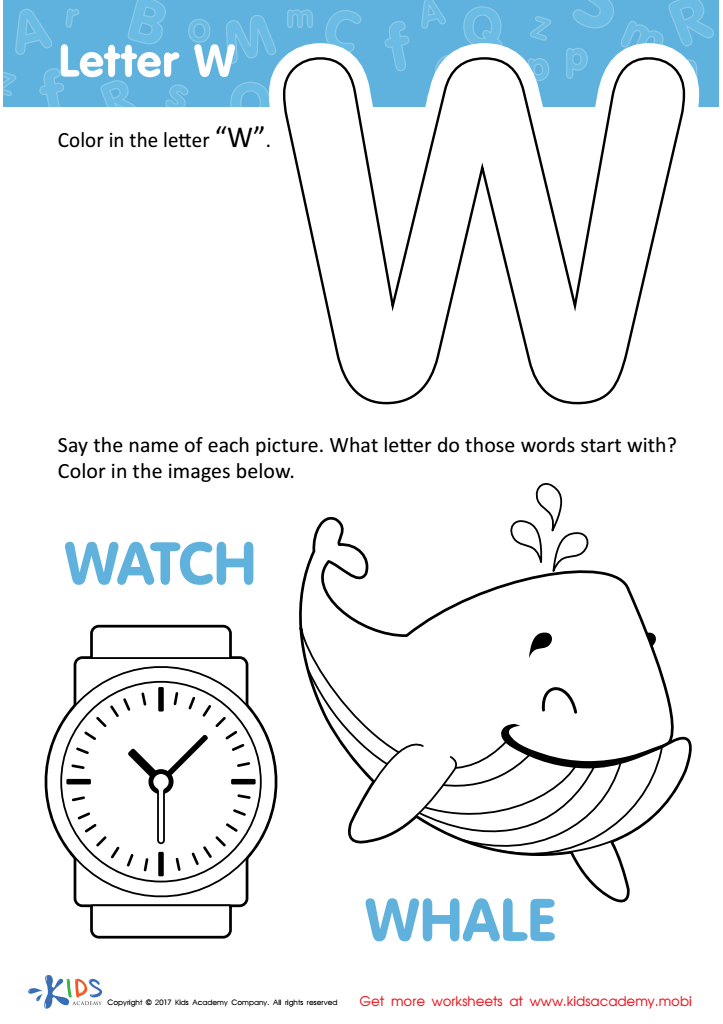
Letter W Coloring Sheet
Assign to My Students
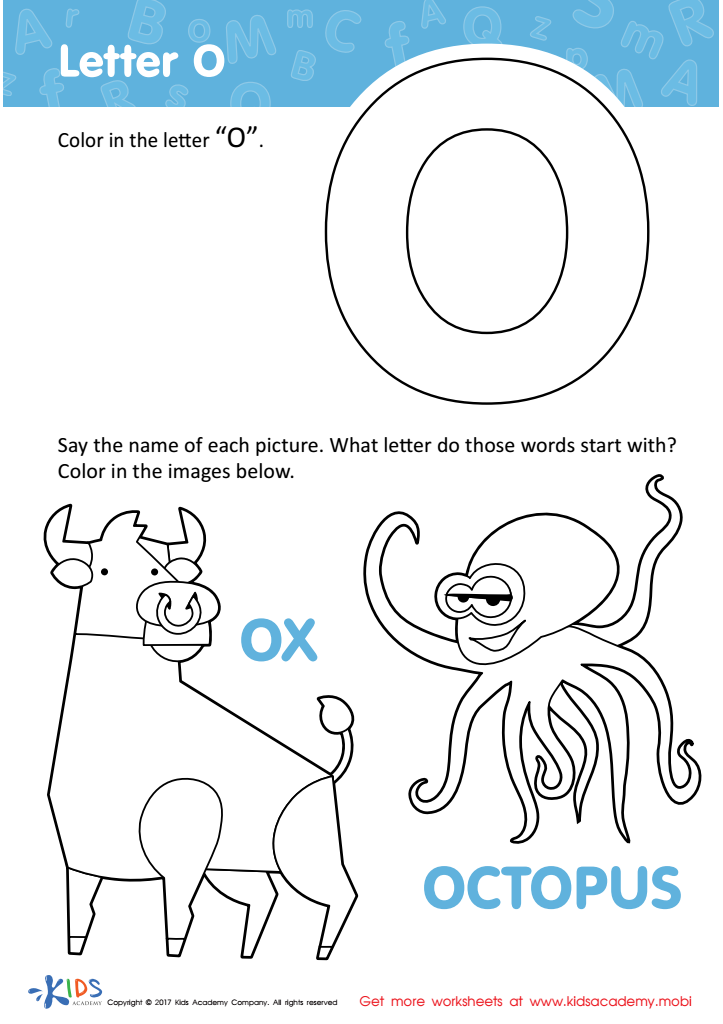
Letter O Coloring Sheet
Assign to My Students
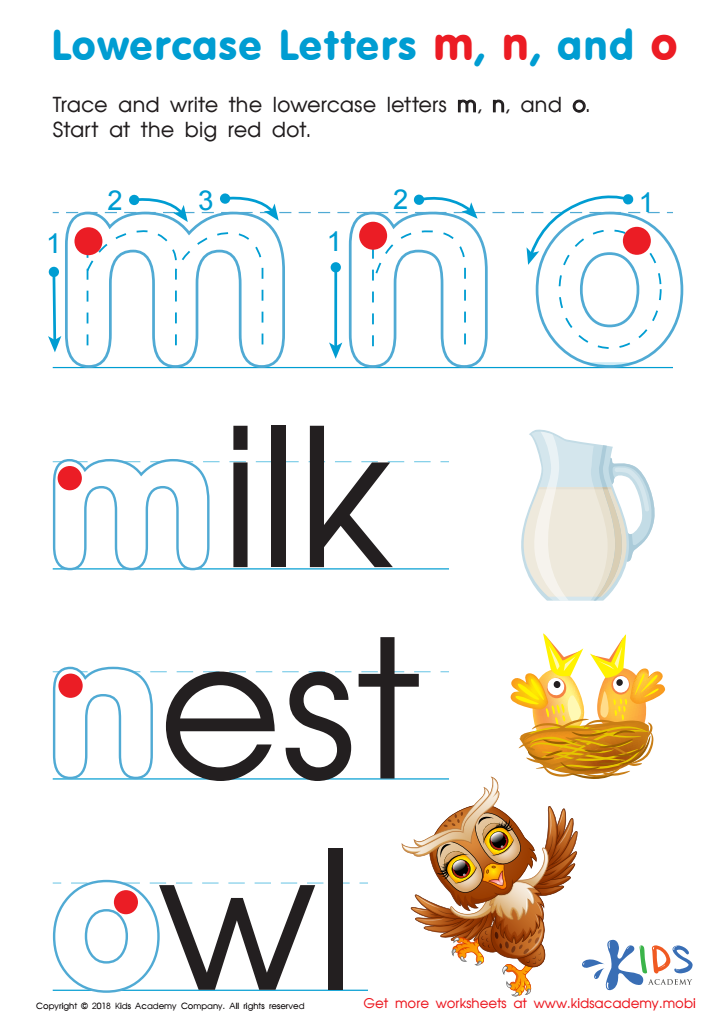
Lowercase Letters m n o Worksheet
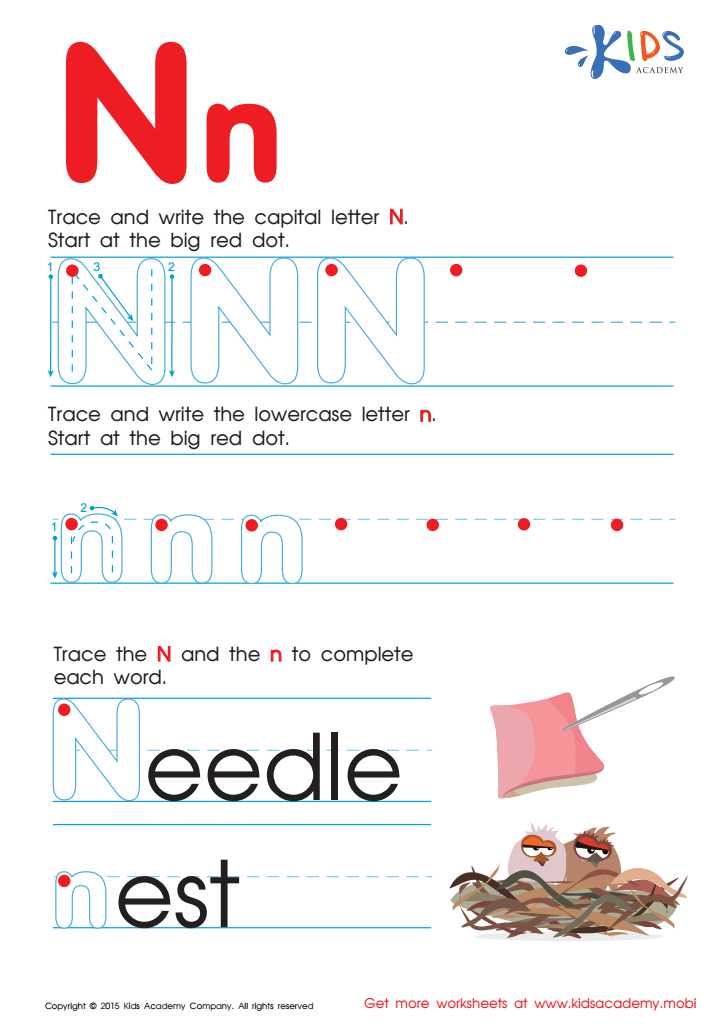
Letter N Tracing Page
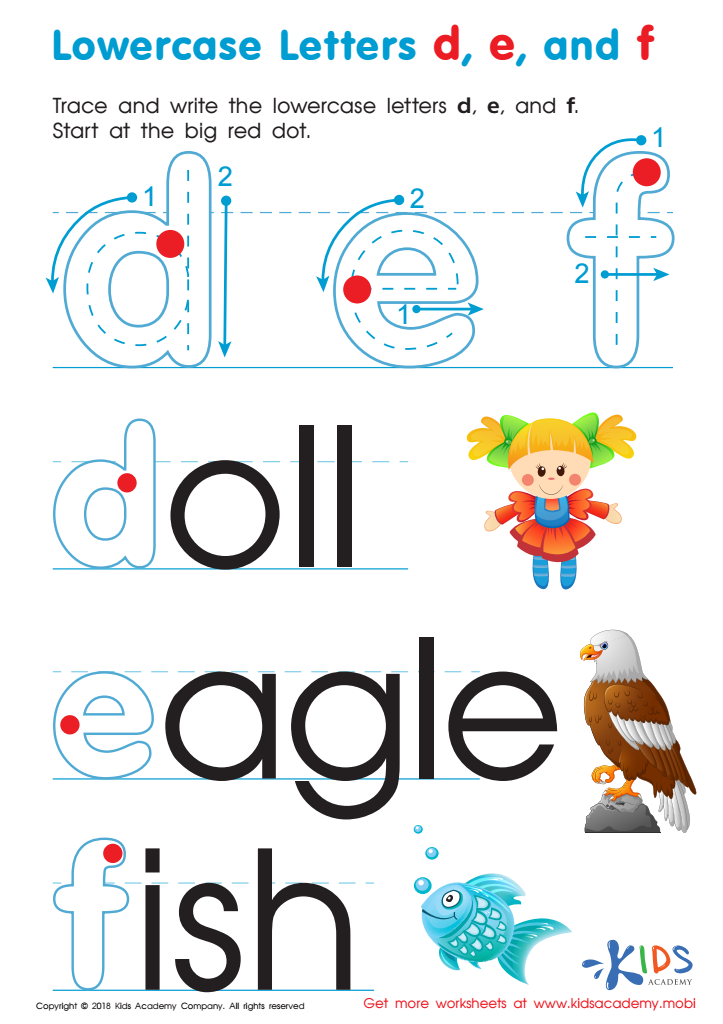
Lowercase Letters d e f Worksheet
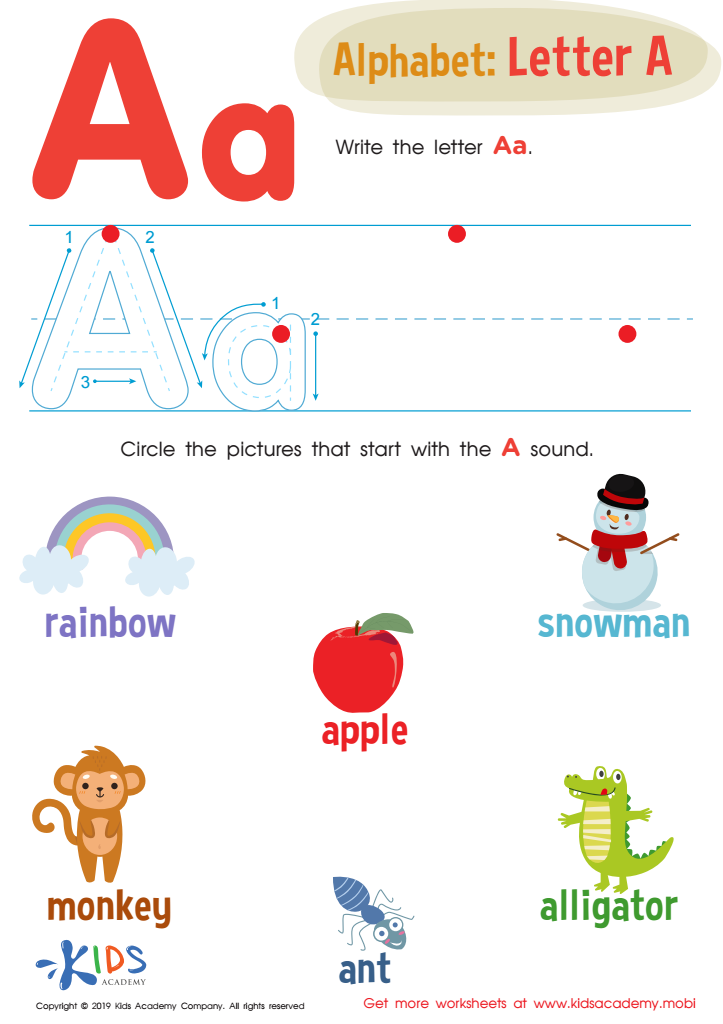
Letter A Tracing Worksheet
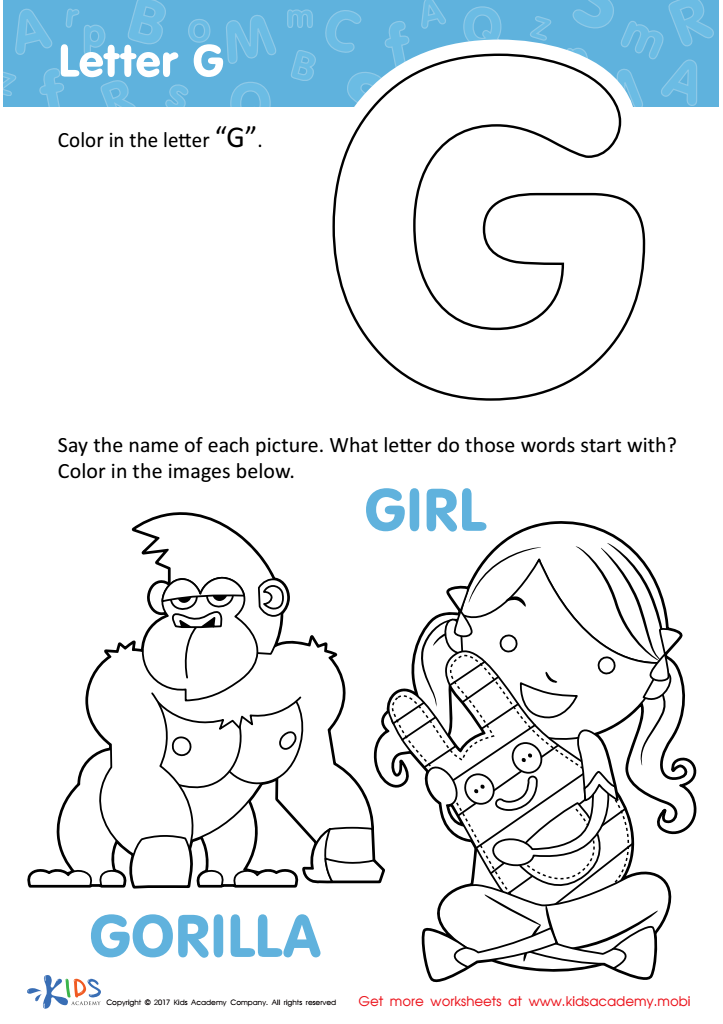
Letter G Coloring Sheet
Assign to My Students
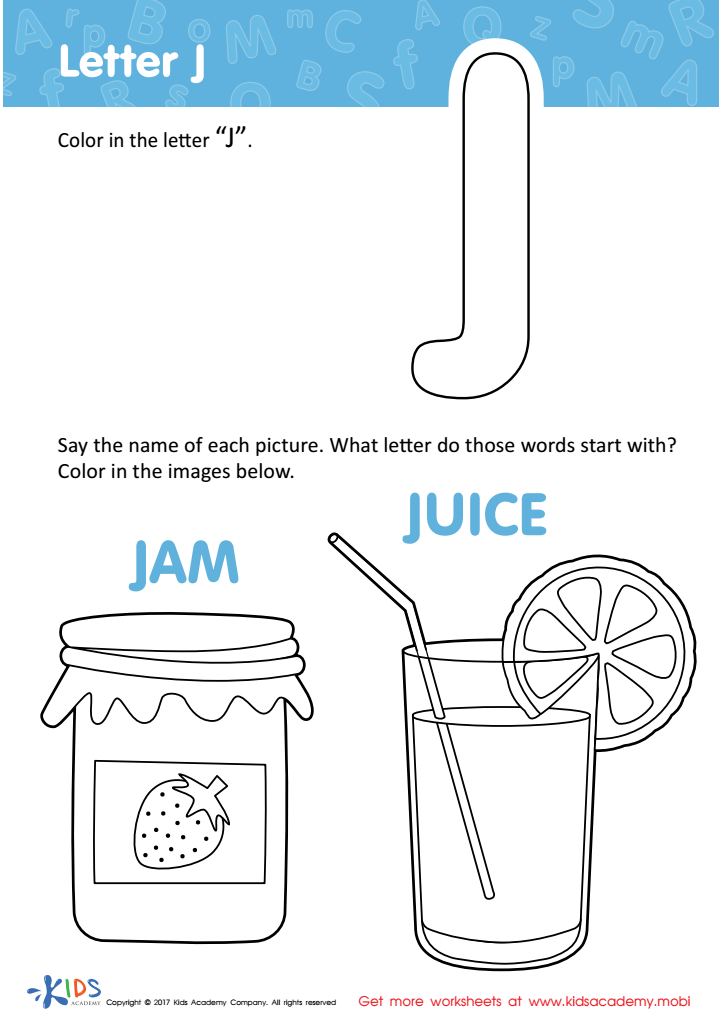
Letter J Coloring Sheet
Assign to My Students
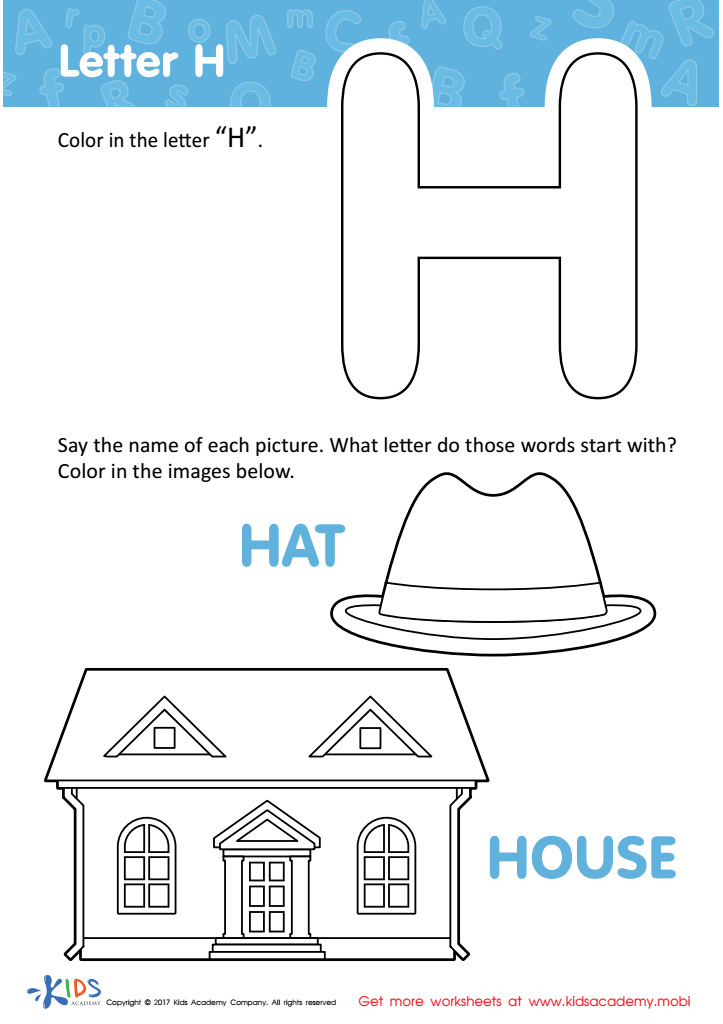
Letter H Coloring Sheet
Assign to My Students
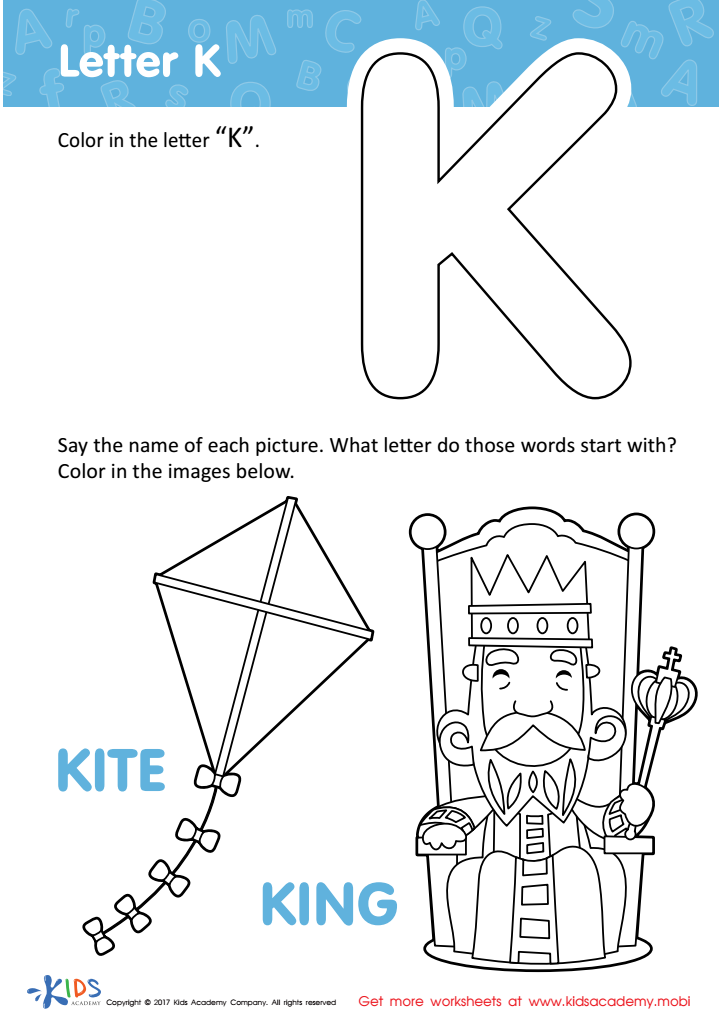
Letter K Coloring Sheet
Assign to My Students
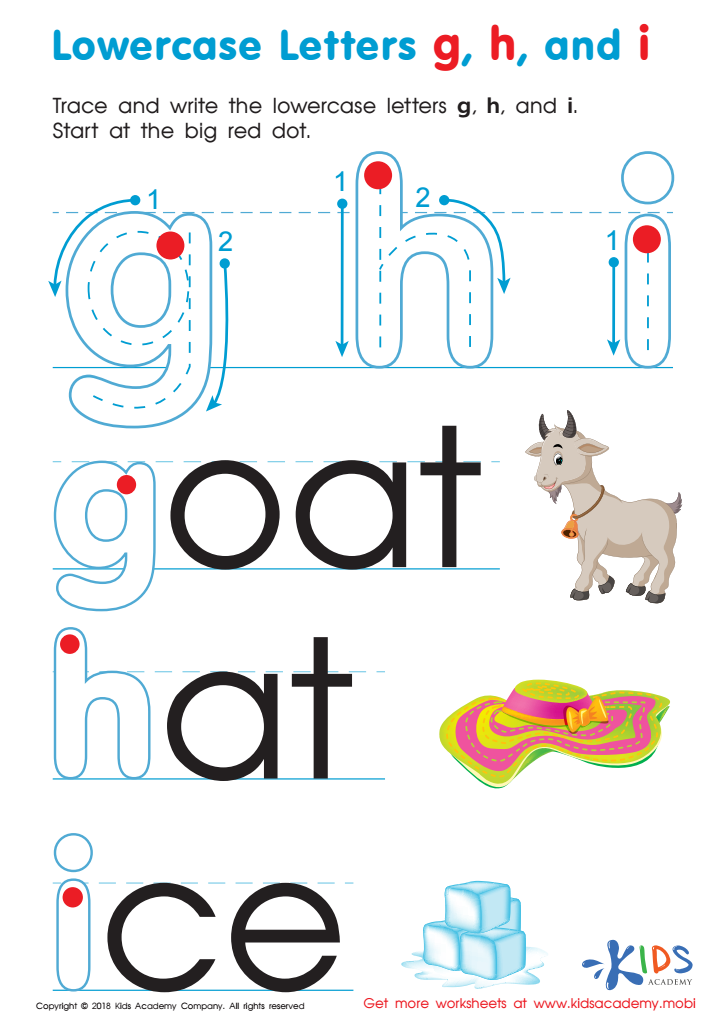
Lowercase Letters g h i Worksheet
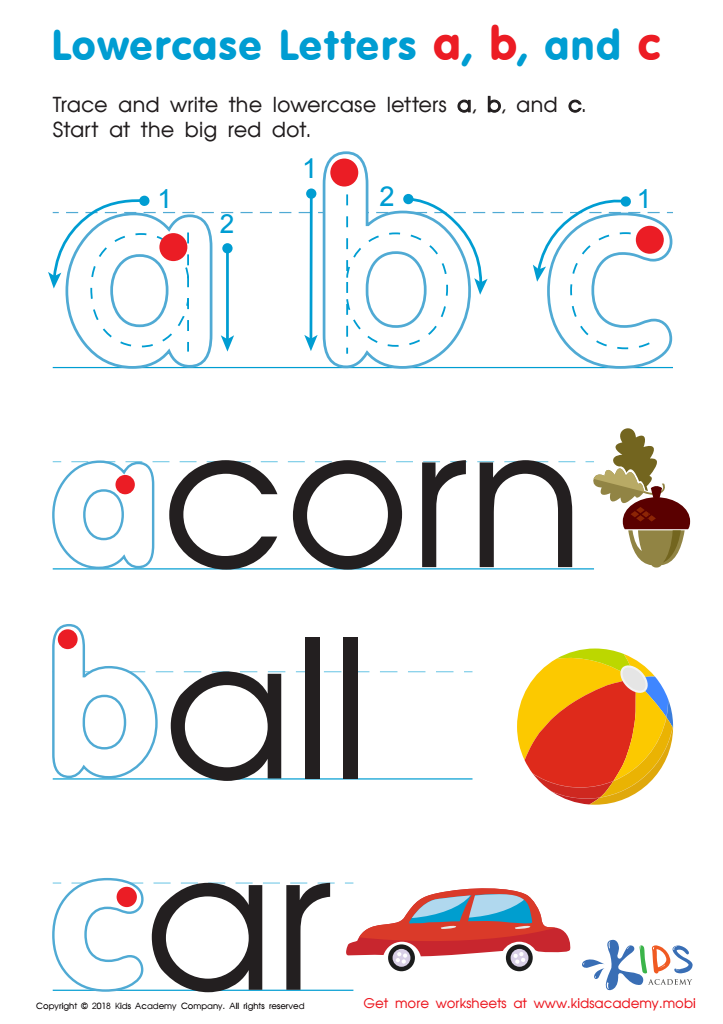
Lowercase Letters a b c Worksheet
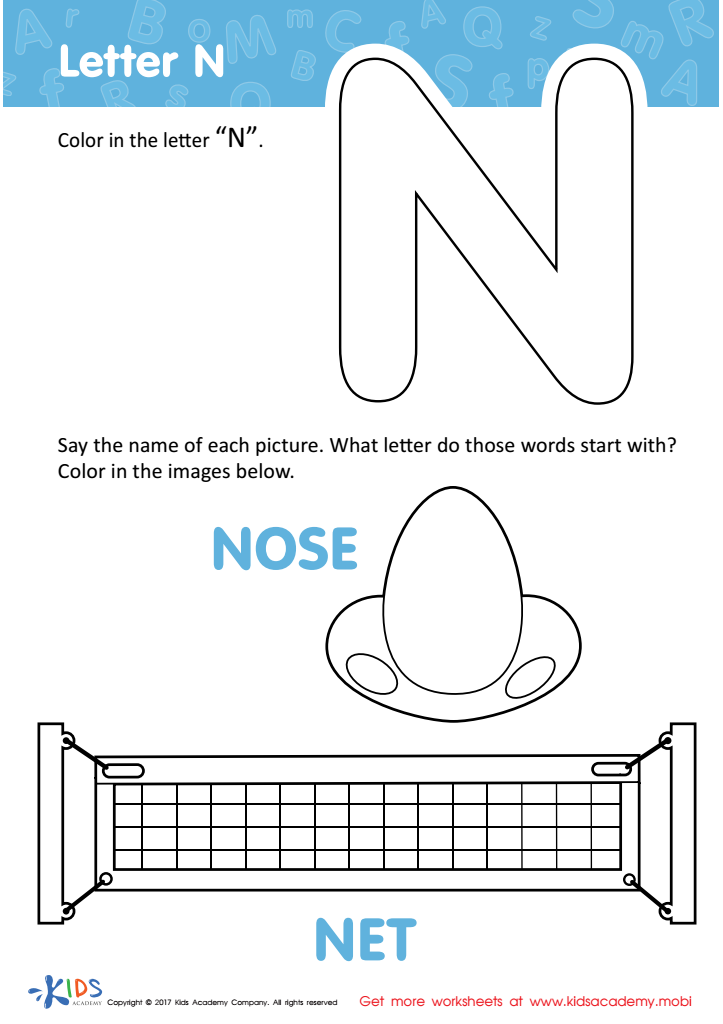
Letter N Coloring Sheet
Assign to My Students
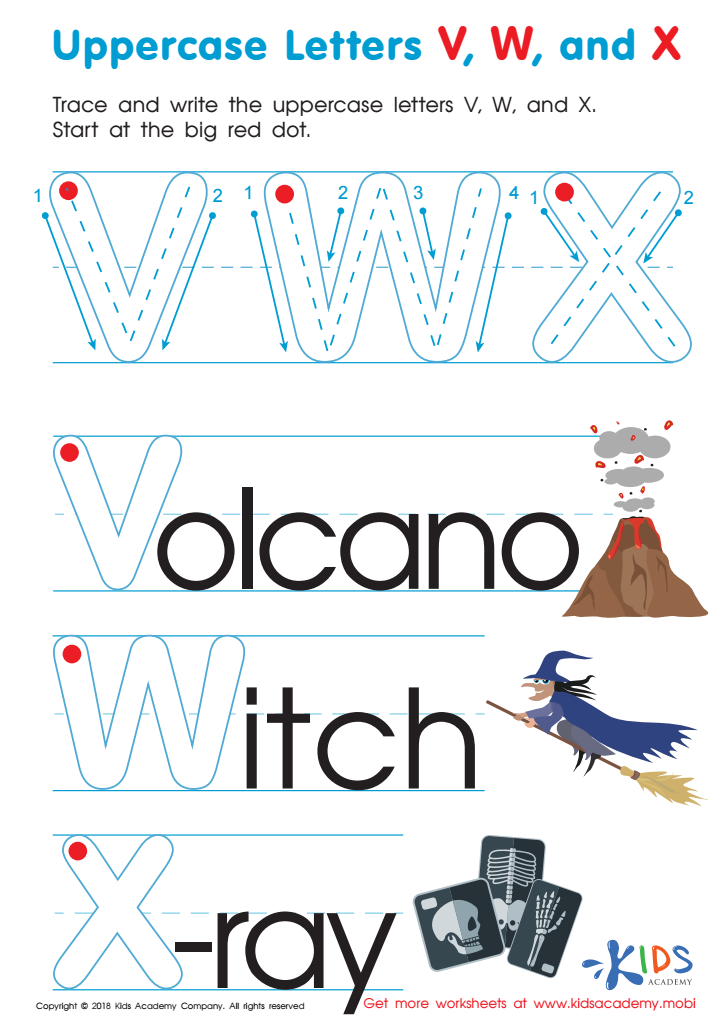
Uppercase Letters V, W, and X Worksheet








Handwriting practice and normal letter recognition are foundational skills for children aged 3-5, and their importance cannot be overstated for both parents and teachers. This critical stage lays the groundwork for literacy, a key factor for future academic success and effective communication. When children practice handwriting, they develop fine motor skills, which are essential for daily tasks such as buttoning clothes or using utensils. This physical development goes hand-in-hand with cognitive growth, as the act of writing helps improve memory retention and understanding of language structures.
Recognizing letters is another crucial aspect, as it forms the building blocks for reading and writing. When children learn to identify letters, they start understanding that these symbols correspond to specific sounds, a concept known as phonemic awareness. This skill is a significant predictor of future reading success and helps children become proficient readers.
Beyond academics, handwriting and letter recognition activities provide opportunities for children to build their self-esteem. Mastering these skills gives them a sense of accomplishment and boosts their confidence in tackling new challenges. For teachers, incorporating these practices in the classroom ensures that children are engaged and make consistent progress. For parents, reinforcing this at home supports their child's development and creates a collaborative pathway to enhancing their learning experiences.








