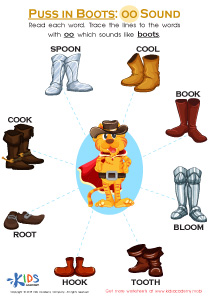
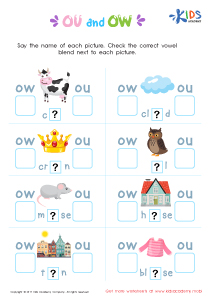
Phonics Skills Normal Long And Short Vowel Worksheets for Ages 3-5
3 filtered results
-
From - To
Discover engaging Phonics Skills Normal Long and Short Vowel Worksheets designed for ages 3-5, available on Kids Academy! Our expertly crafted printable worksheets foster early literacy and phonics understanding, helping young learners differentiate between long and short vowel sounds. Through fun activities, children will enhance their reading and pronunciation skills, paving the way for future academic success. Perfect for preschoolers and kindergartners, these worksheets encourage interactive learning and keep little minds motivated. Explore Kids Academy's wide range of educational resources to support your child’s journey toward confident, fluent reading. Visit us today and start learning!
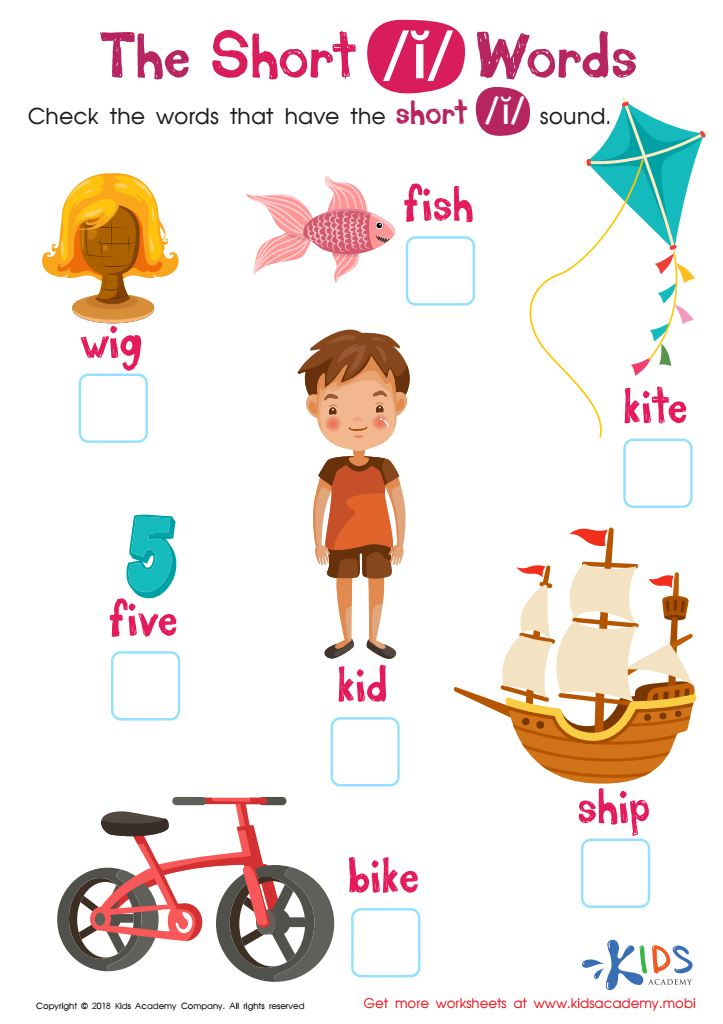
The Short I Words Reading Worksheet
 Assign to My Students
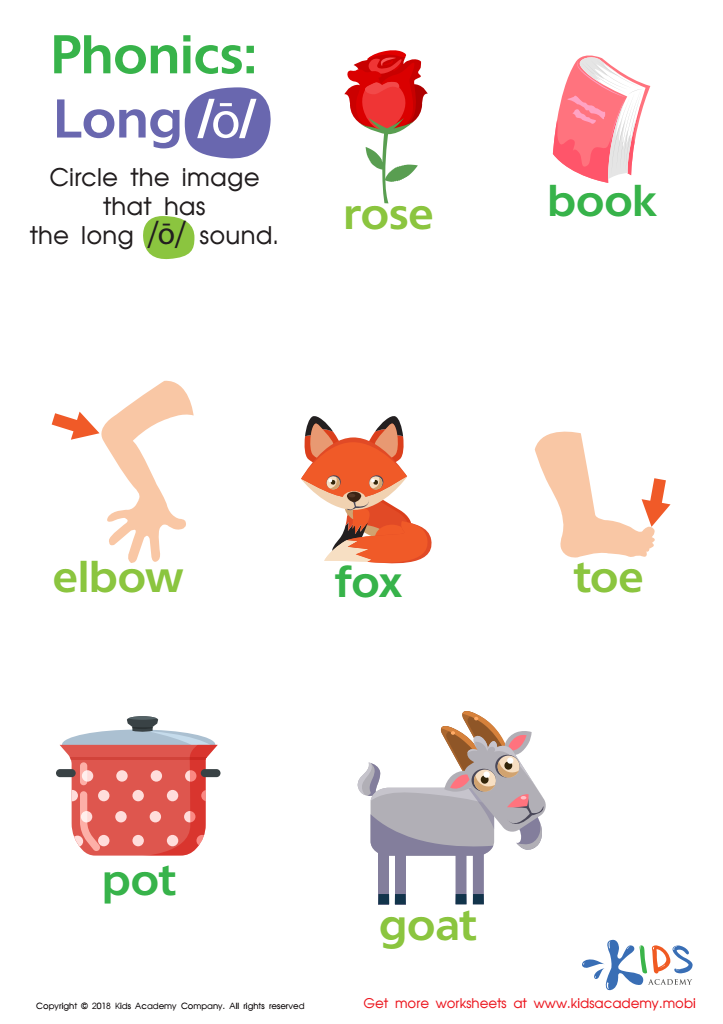
Phonics Long O Reading Worksheet
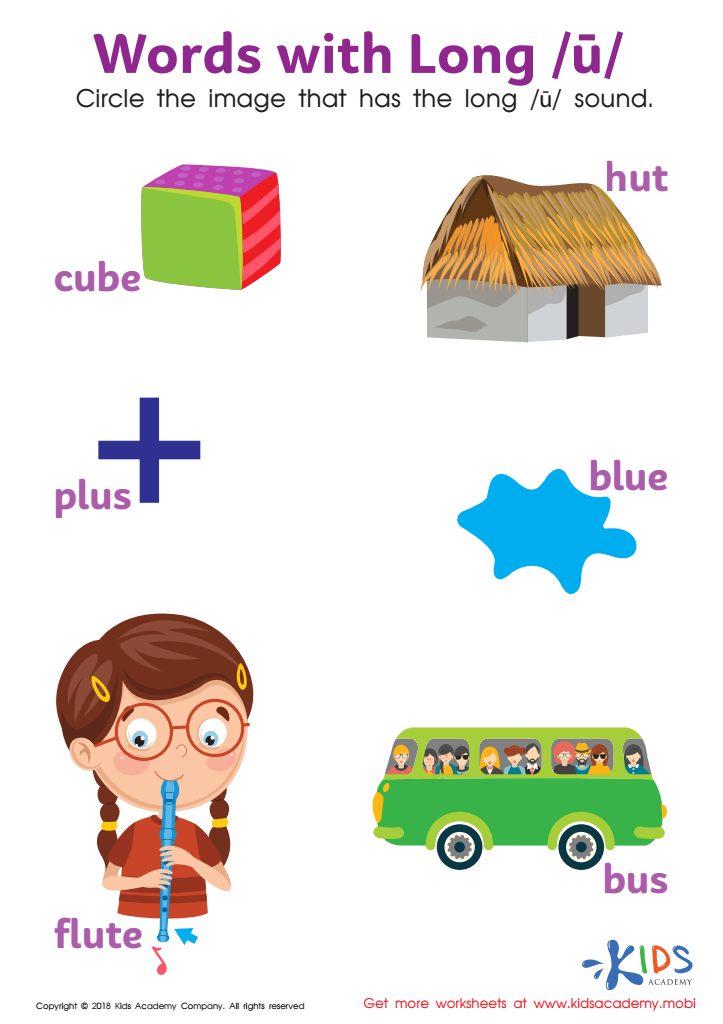
Words with Long U Reading Worksheet




Phonics skills, particularly understanding normal, short, and long vowels, are crucial for children ages 3-5 as they lay the foundation for reading and writing. During these formative years, children’s brains are highly receptive to learning language. Phonics instruction helps children decode words by understanding the relationship between letters and sounds. This ability is essential not just for reading fluently but also for spelling accurately.
Short and long vowels are core components of English phonetics. Short vowels appear frequently in simpler, early-read words like “cat” or “bat,” making them practical daily learning tools for young children. Long vowels help children understand more complex words and patterns, such as “cake” where the “a” says its name. Mastery of these distinctions enables children to tackle a broader vocabulary confidently.
Engaging with phonics through playful activities sharpens listening skills, enhances phonemic awareness, and fosters a love for reading. Recognizing vowel sounds also improves vocabulary and speech clarity. Parents and teachers should focus on phonics at this age to give children the tools they need to become independent readers, setting them up for academic success and a lifelong love of learning. Early phonics instruction is an investment in children’s future language skills and overall cognitive development.