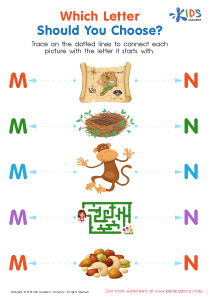
Alphabet sequencing Normal Lowercase/Small Letters Worksheets for Ages 3-5
3 filtered results
-
From - To
Discover our engaging Alphabet Sequencing Normal Lowercase/Small Letters Worksheets, specially designed for children ages 3-5. These worksheets help young learners master the order of the alphabet with fun and interactive activities. Featuring vibrant illustrations and clear instructions, they encourage kids to identify, trace, and sequence lowercase letters. Perfect for preschoolers and kindergarteners, our printable worksheets enhance fine motor skills, letter recognition, and foundational literacy. Whether at home or in the classroom, boost your child's early learning journey with our expertly crafted, age-appropriate alphabet sequencing worksheets. Download and start learning today!
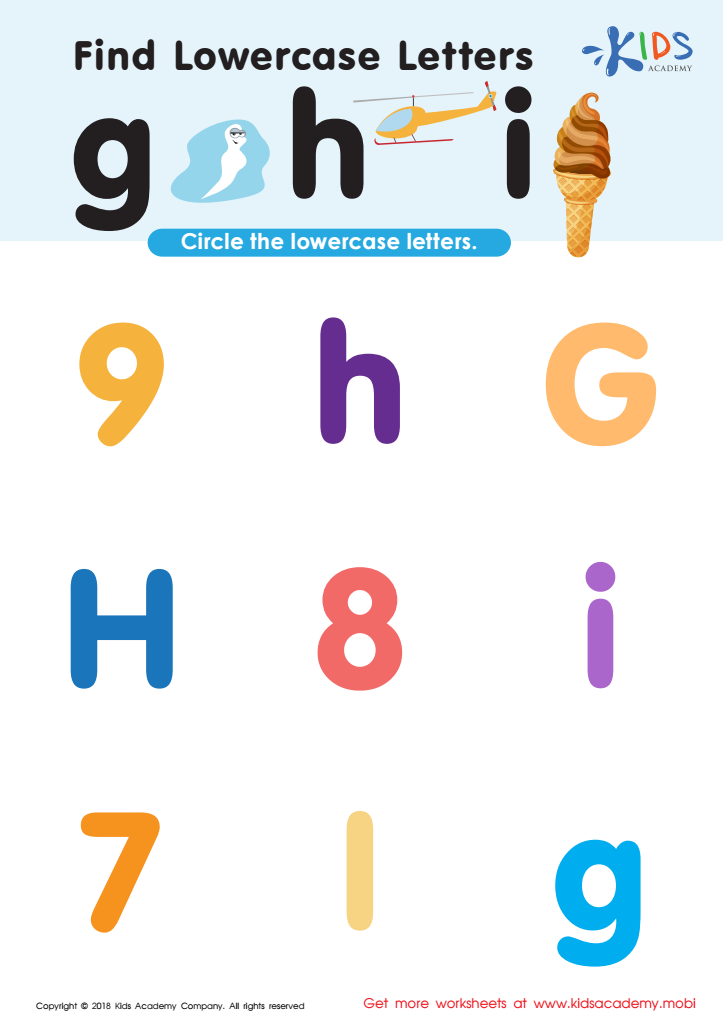
Find Lowercase Letters g h i Worksheet
 Assign to My Students
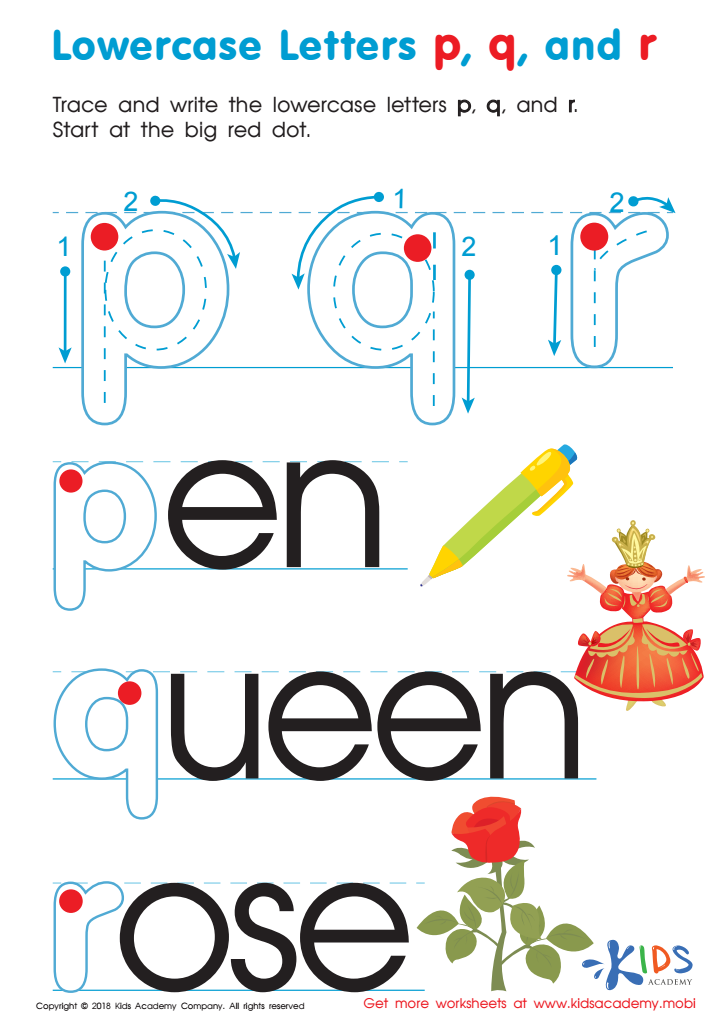
Lowercase Letters p q r Worksheet
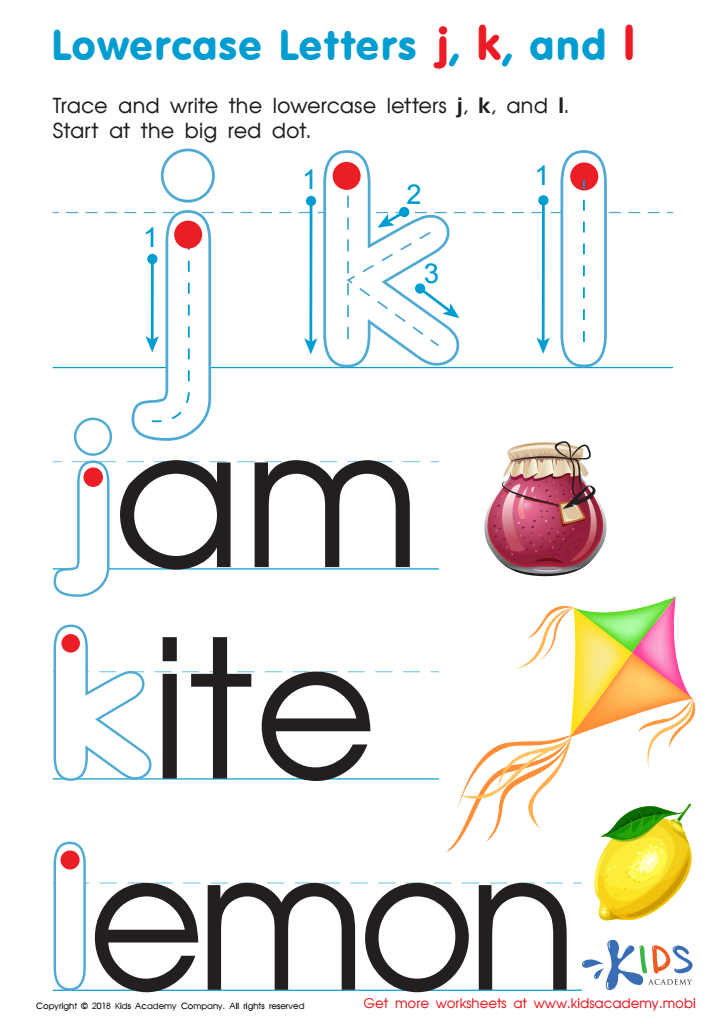
Lowercase Letters j k l Worksheet


Parents and teachers should prioritize teaching alphabet sequencing of lowercase letters to children ages 3-5 because this fundamental skill lays the groundwork for early literacy and academic success. At this pivotal age, children's brains are incredibly receptive to learning, making it an ideal time to introduce the alphabet. Sequencing lowercase letters helps children recognize patterns, understand the order, and establish a solid foundation for reading and writing.
Familiarity with lowercase letters is crucial because they are more commonly used in written text than uppercase letters. By mastering the sequence, children improve their letter recognition, which enhances their phonemic awareness – the ability to hear, identify, and manipulate letter sounds. This skill is essential for decoding words and developing fluency in reading.
Moreover, engaging in activities that involve sequencing the alphabet fosters cognitive development, increases attention to detail, and enhances memory and problem-solving skills. Additionally, these activities promote fine motor skills, as children often practice writing the letters while learning their order.
In summary, understanding and sequencing lowercase letters is a foundational aspect of early education. It equips young learners with the essential skills needed for reading proficiency, boosts cognitive abilities, and contributes to their overall academic success, making it a critical focus for both parents and teachers.