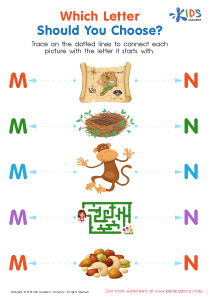
Lowercase letter writing Normal Lowercase/Small Letters Worksheets for Ages 3-5
3 filtered results
-
From - To
Welcome to our Lowercase Letter Writing Worksheets designed for children aged 3-5! Our engaging and interactive resources help young learners master writing lowercase letters with ease and confidence. Featuring fun illustrations and clear instructions, these worksheets promote fine motor skills and hand-eye coordination while introducing letter recognition. Each activity encourages practice through tracing, writing, and creative expression, making learning enjoyable and effective. Perfect for preschool and kindergarten settings, our printable worksheets align with early learning standards and foster a strong foundation in literacy. Start your child’s journey to writing success today with our specially crafted lowercase letter activities!
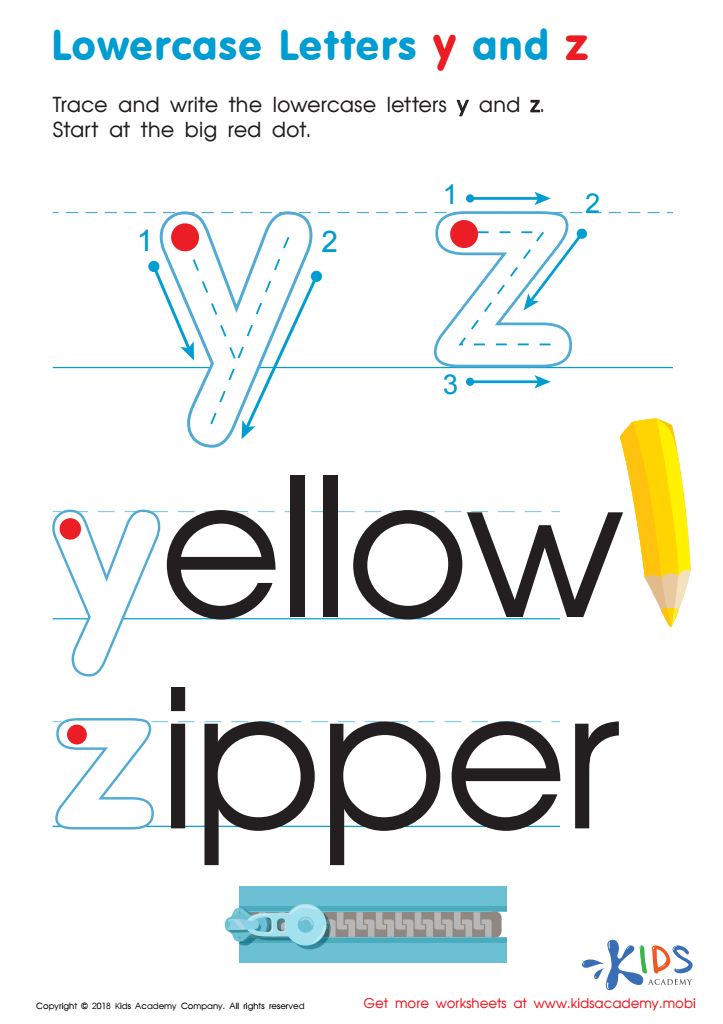
Lowercase Letters y z Worksheet
 Assign to My Students
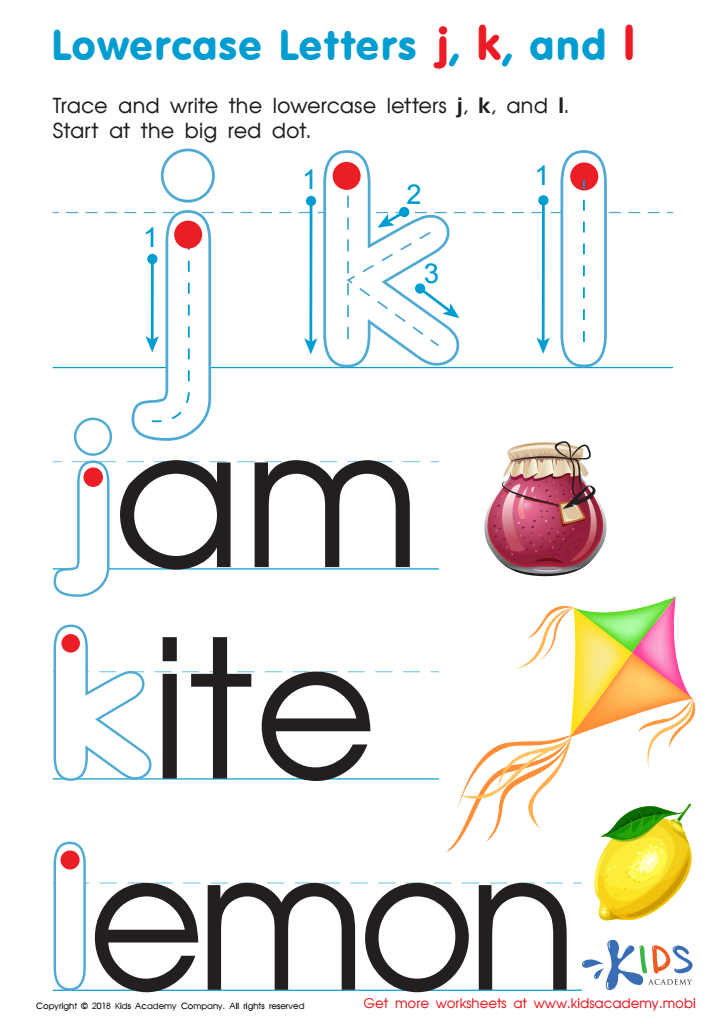
Lowercase Letters j k l Worksheet
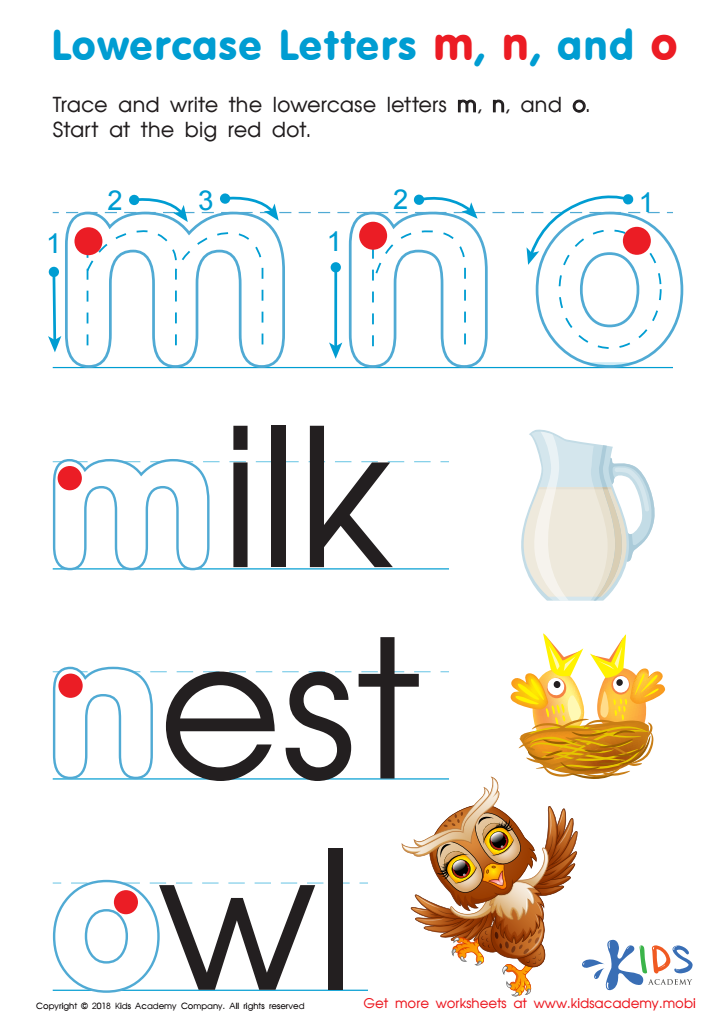
Lowercase Letters m n o Worksheet


Lowercase letter writing is fundamental for children aged 3-5, as it lays the groundwork for literacy development. At this early stage, children are becoming familiar with the alphabet and language, making it crucial for parents and teachers to emphasize lowercase letters.
Firstly, lowercase letters are predominant in everyday reading and writing. The majority of text uses lowercase, so mastering these forms allows children to engage with books, signs, and other written materials more effectively. Learning to write lowercase letters helps develop fine motor skills, improving hand-eye coordination, which is essential for overall writing ability.
Furthermore, introducing the concept of lowercase letters at this age supports phonemic awareness, as children learn to associate letters with their sounds. Engaging them in playful activities such as tracing and forming letters can spark their interest in writing, building confidence as they progress.
In addition, understanding the difference between uppercase and lowercase letters helps structure their reading and writing, promoting better comprehension. When parents and teachers foster an environment that values lowercase writing, they not only contribute to essential literacy skills but also inspire a love for learning that will benefit children throughout their educational journey.