Problem-Solving Skills Normal Upper & Lowercase Letters Worksheets for Ages 3-5
3 filtered results
-
From - To
Enhance your child's early learning with our "Problem-Solving Skills Normal Upper & Lowercase Letters Worksheets for Ages 3-5." These engaging worksheets are designed to help young learners master letter recognition and boost their problem-solving abilities. Perfect for preschoolers, the activities merge fun with education, guiding children to identify and match upper and lowercase letters through a variety of puzzles and tasks. Our worksheets not only support alphabet knowledge but also promote critical thinking and cognitive development, ensuring your child builds a strong foundation for future learning. Ideal for at-home practice or classroom use!
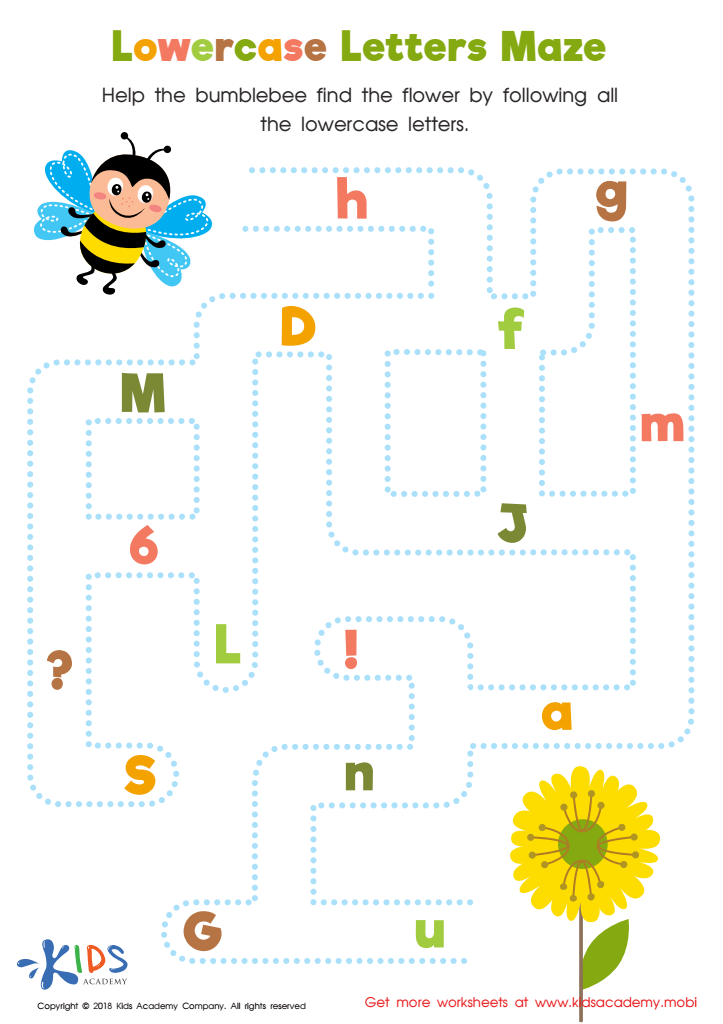
Lowercase Letters Maze Worksheet
 Assign to My Students
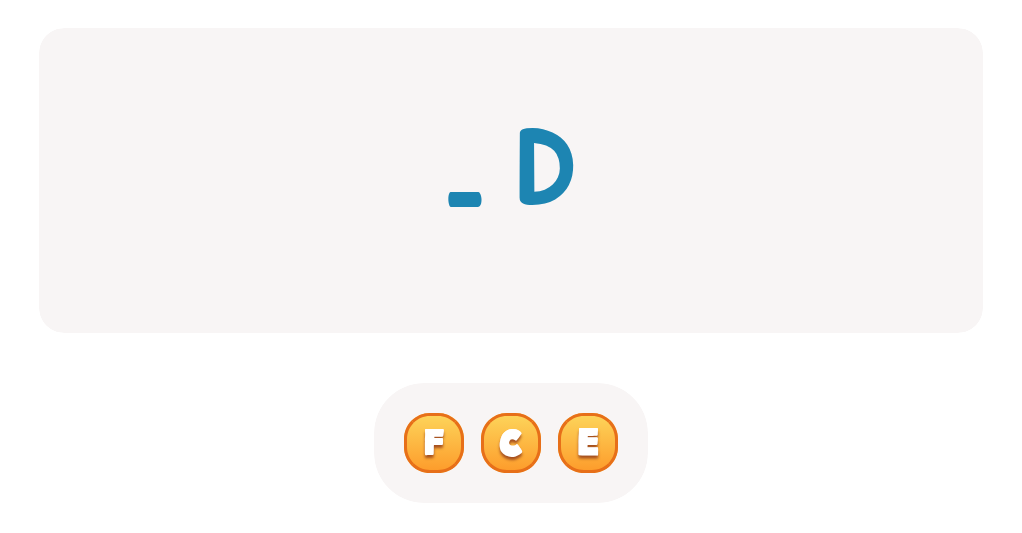


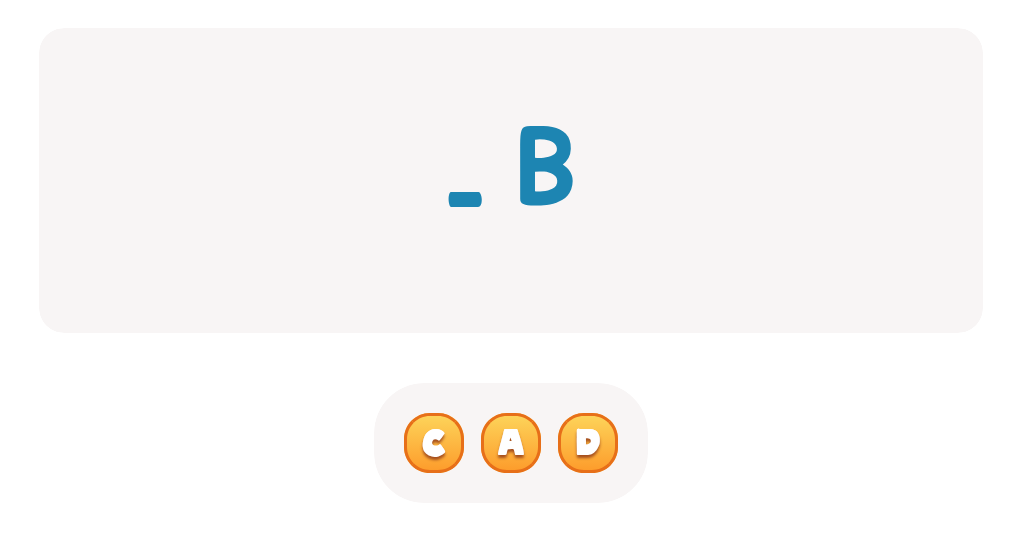
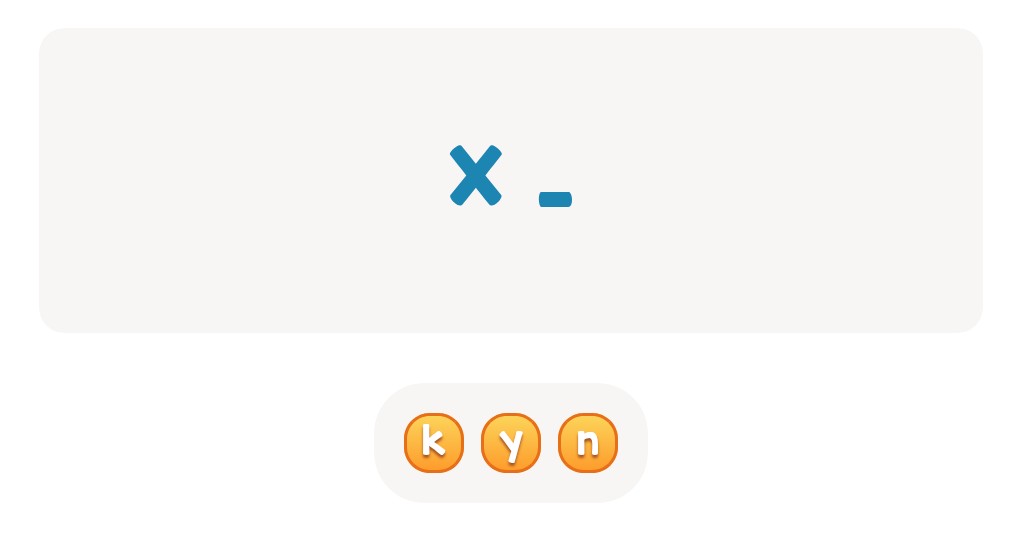



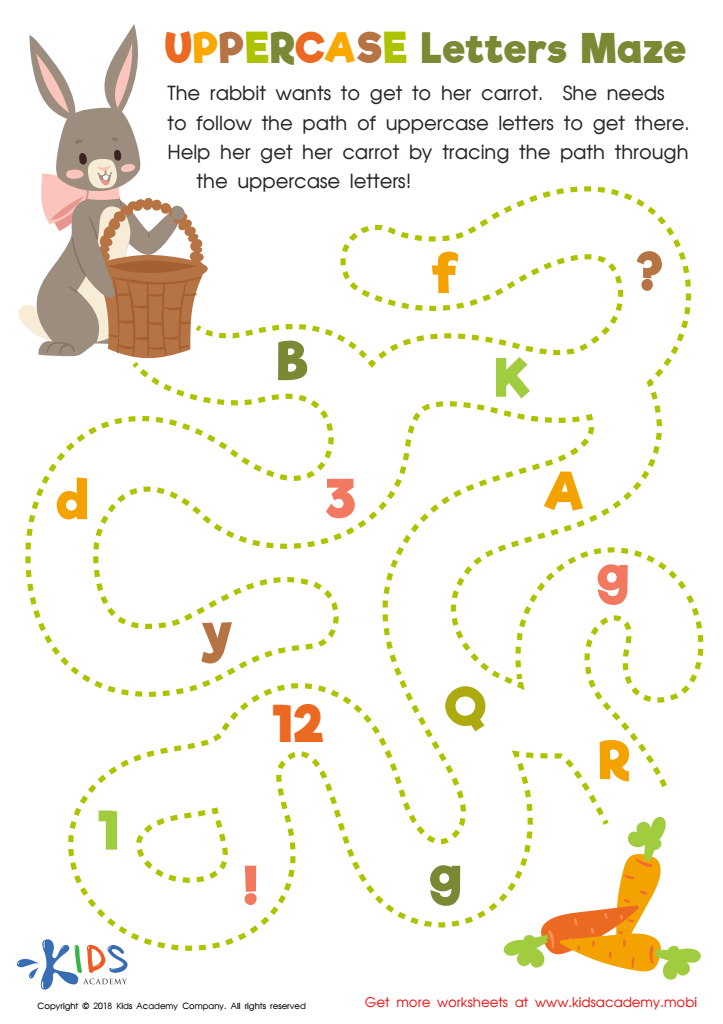
Uppercase Letters Maze Worksheet
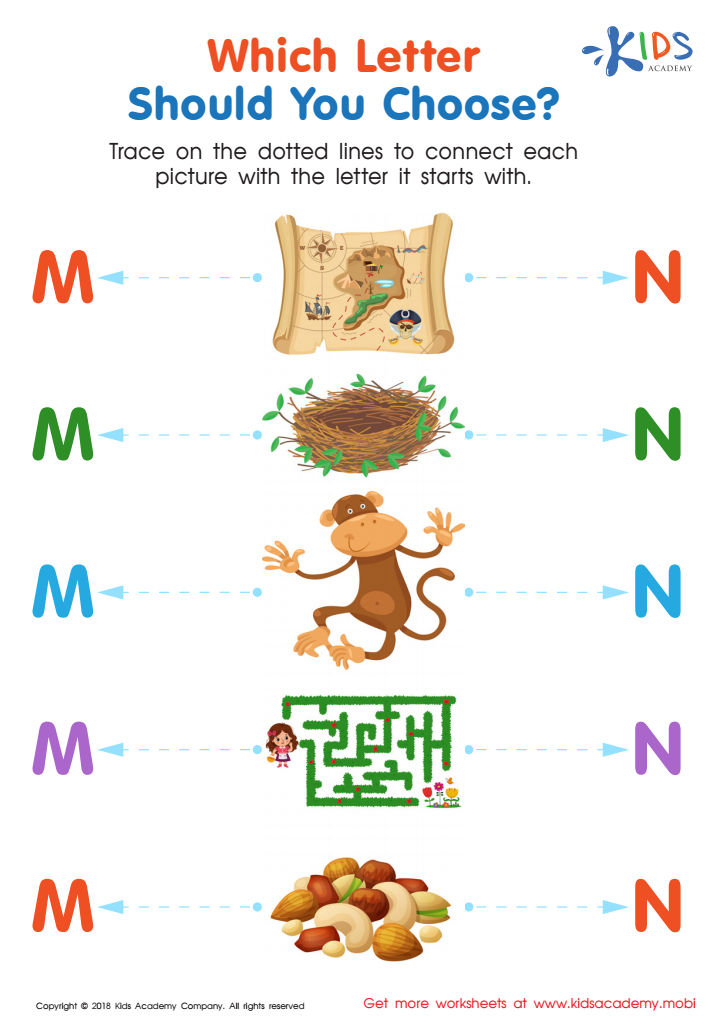
Which Letter Should you Choose? Worksheet






Parents and teachers should care about problem-solving skills for children ages 3-5 because these fundamental abilities are crucial for their overall development. At this early stage, kids are rapidly growing cognitively, emotionally, and socially, and problem-solving skills help them navigate this growth successfully. Learning to solve problems bolsters critical thinking, enabling children to explore cause-and-effect relationships and make sense of their surroundings.
Mastering normal uppercase and lowercase letters is equally important. Knowing letter cases enhances literacy development, laying the foundation for reading and writing. When children recognize and use both uppercase and lowercase letters correctly, they build strong pre-reading skills, enabling them to identify words and sentences more efficiently.
These skills translate to better academic performance and self-confidence. Problem-solving encourages creativity, independence, and resilience, teaching kids how to approach challenges logically rather than becoming easily frustrated. Literacy skills acquired from understanding letter cases open up a world of learning and communication, allowing children to express their thoughts and understand others better.
Integrating problem-solving scenarios and letter recognition in daily activities can make learning engaging and instinctive. Thus, paying attention to these skills is essential in fostering well-rounded, capable, and confident young learners.







