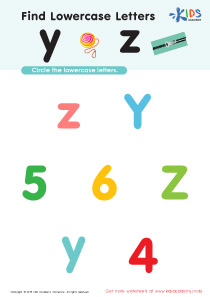
Uppercase identification Normal Uppercase Letters Worksheets for Ages 3-5
5 filtered results
-
From - To
Explore our engaging Uppercase Letter Identification Worksheets designed specifically for children aged 3-5! These worksheets provide a fun and interactive way for little learners to recognize and identify uppercase letters. Each exercise promotes essential skills through colorful, visually appealing activities that captivate young minds. Perfect for preschool or home learning, these worksheets encourage early literacy development while making learning enjoyable. From tracing to matching games, our resources help build a strong foundation in letter recognition. Support your child's growth with our expertly crafted resources that foster a love for learning from the very start! Download and start their educational journey today!
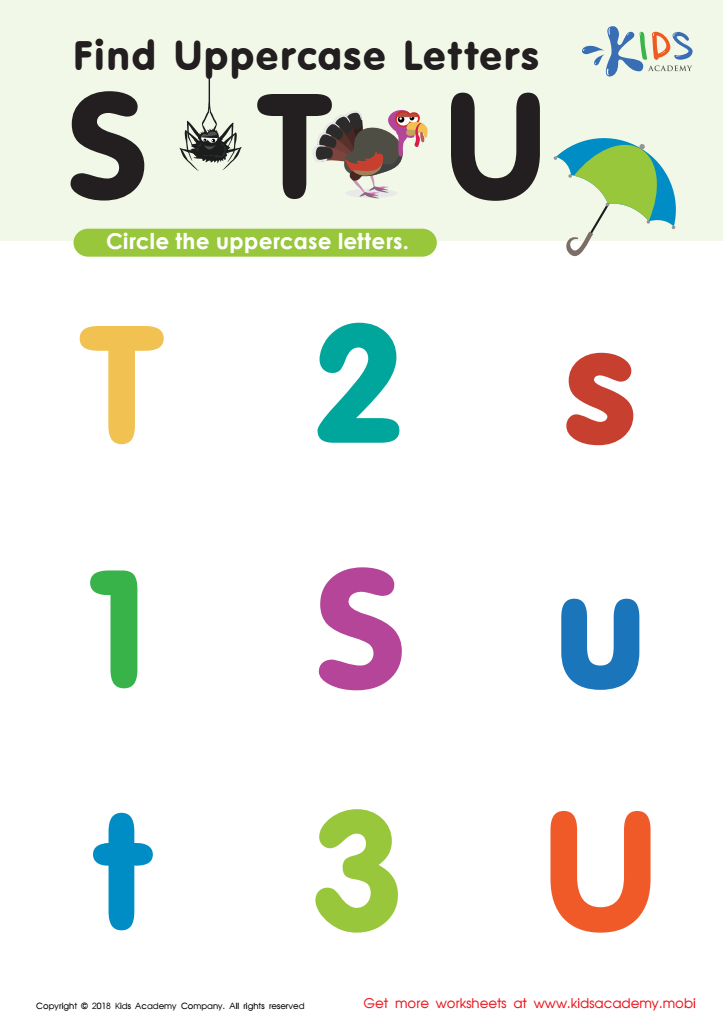
Find Uppercase Letters Worksheet
 Assign to My Students
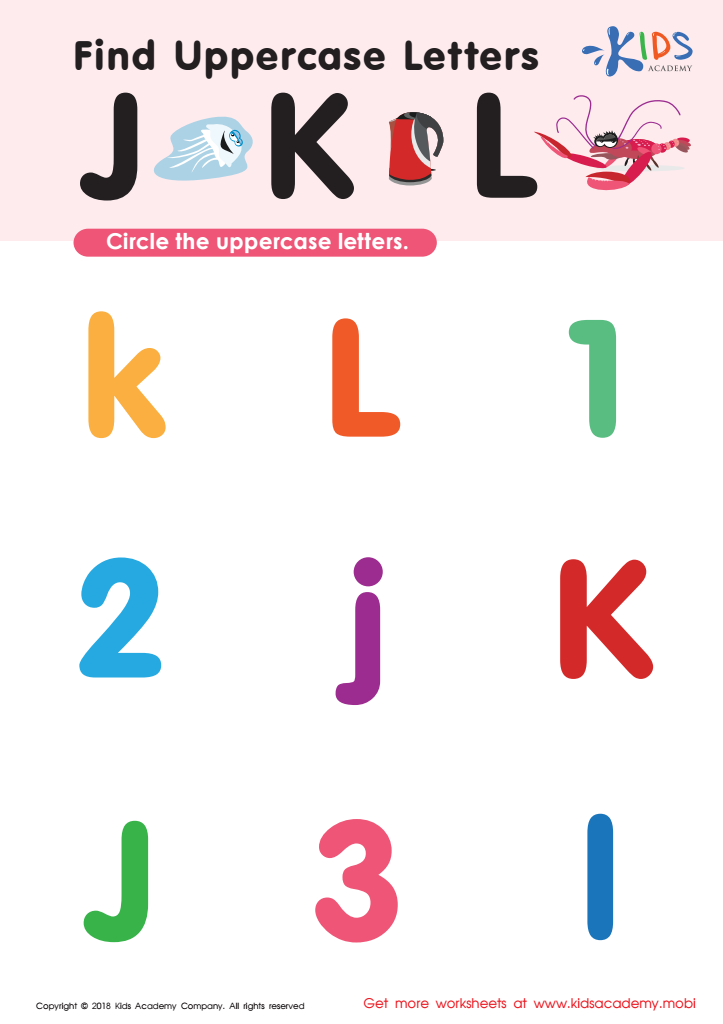
Find Uppercase Letters J, K, and L Worksheet
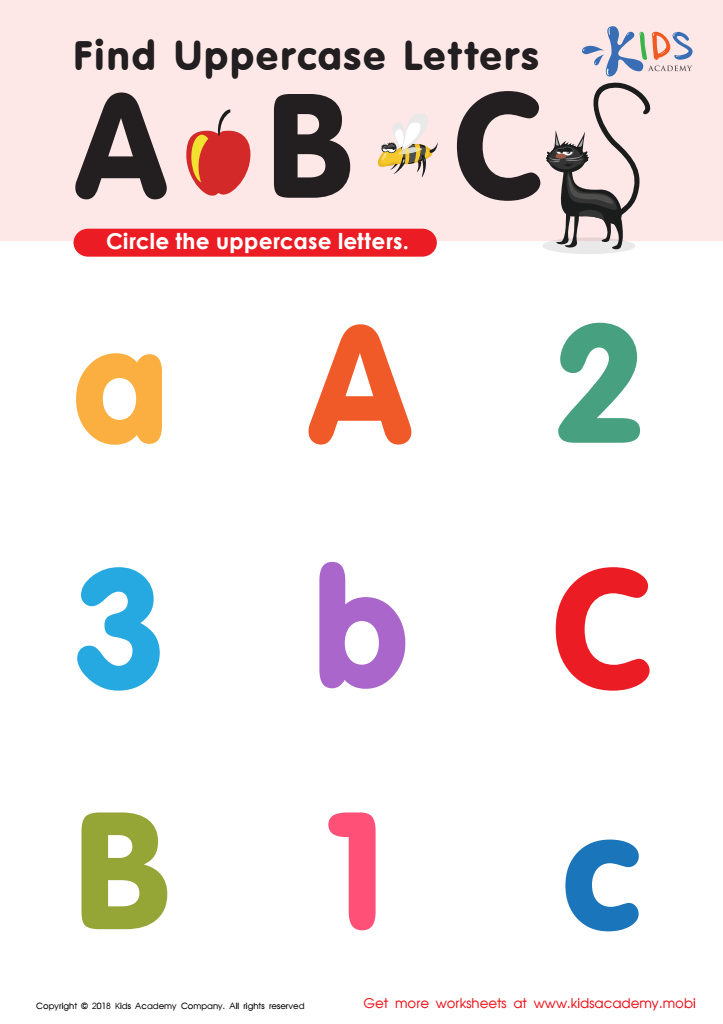
Find Uppercase Letters A, B, and C Worksheet
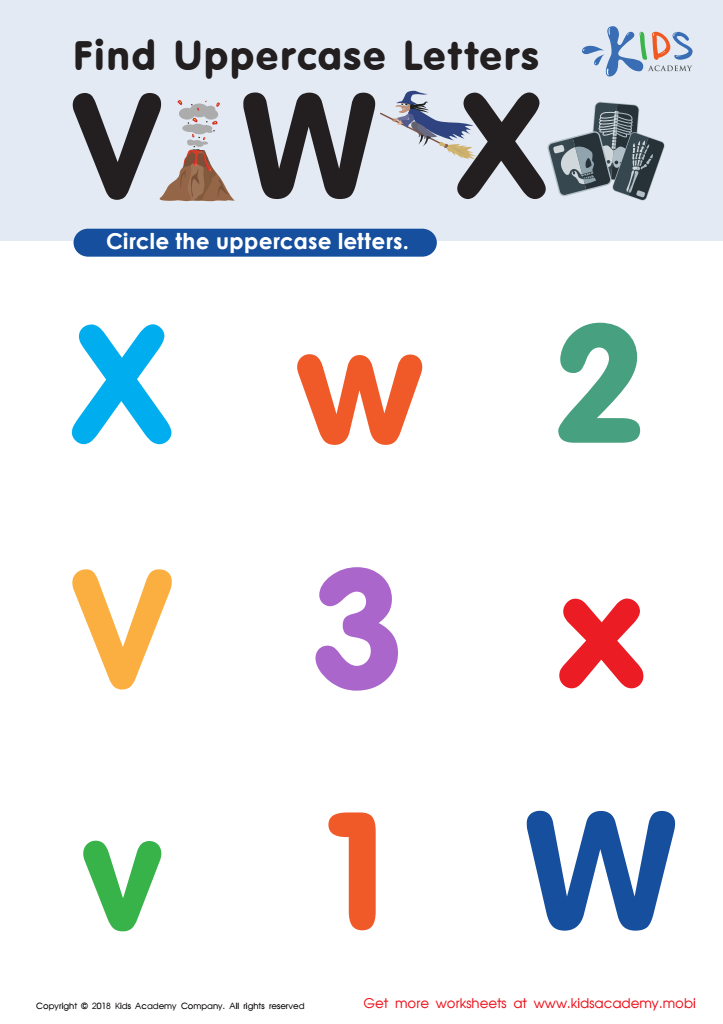
Find Uppercase Letters V, W, X Worksheet
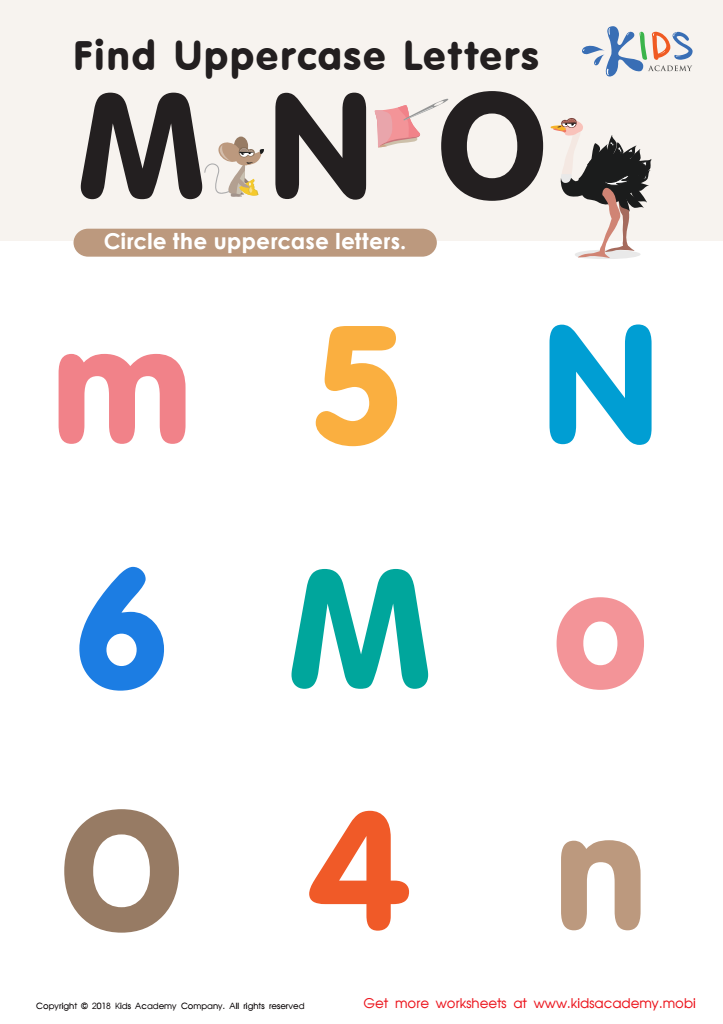
Find Uppercase Letters M, N, and O Worksheet








Uppercase letter identification is a foundational skill critical for early literacy development in children aged 3-5. First, recognizing uppercase letters helps children understand the basic building blocks of written language. Uppercase letters are often the first type of letters young learners encounter, whether in books, labels, or signs. Mastering these letters enhances their ability to generate and recognize their own names, which fosters a sense of identity and self-confidence.
Additionally, uppercase letters frequently appear at the beginnings of sentences and proper nouns, establishing essential grammar rules. Parents and teachers should prioritize uppercase letter recognition during activities and play, as this reinforces their importance in reading and writing. Moreover, this recognition can enhance phonetic skills; as children learn how different letters represent specific sounds, they begin to associate symbols with language, paving the way for effective reading on a broader scale.
Supporting children in identifying uppercase letters cultivates not only literacy skills but also critical thinking, as they start to differentiate between different shapes and sounds. Engaging activities, games, and song lyrics can make learning dynamic and enjoyable, thereby fostering a lifelong love for reading and writing. In summary, understanding uppercase letters is crucial for decoding the world of print and communicating effectively.