Color recognition Normal Worksheets for Ages 3-5 - Page 2
31 filtered results
-
From - To
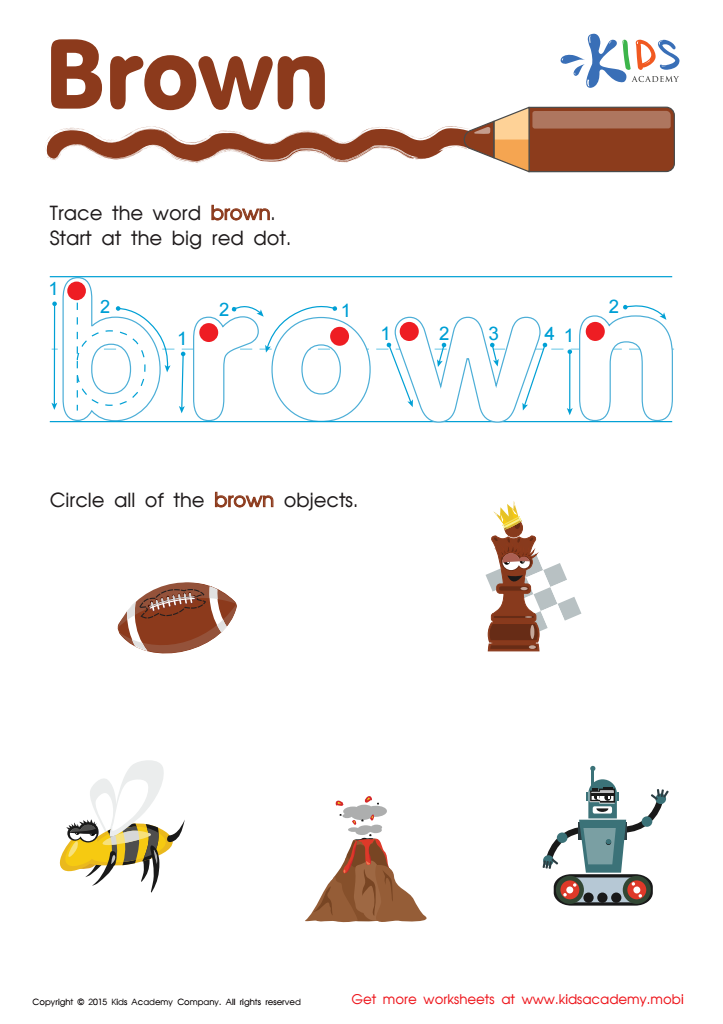
Brown Tracing Color Words Worksheet
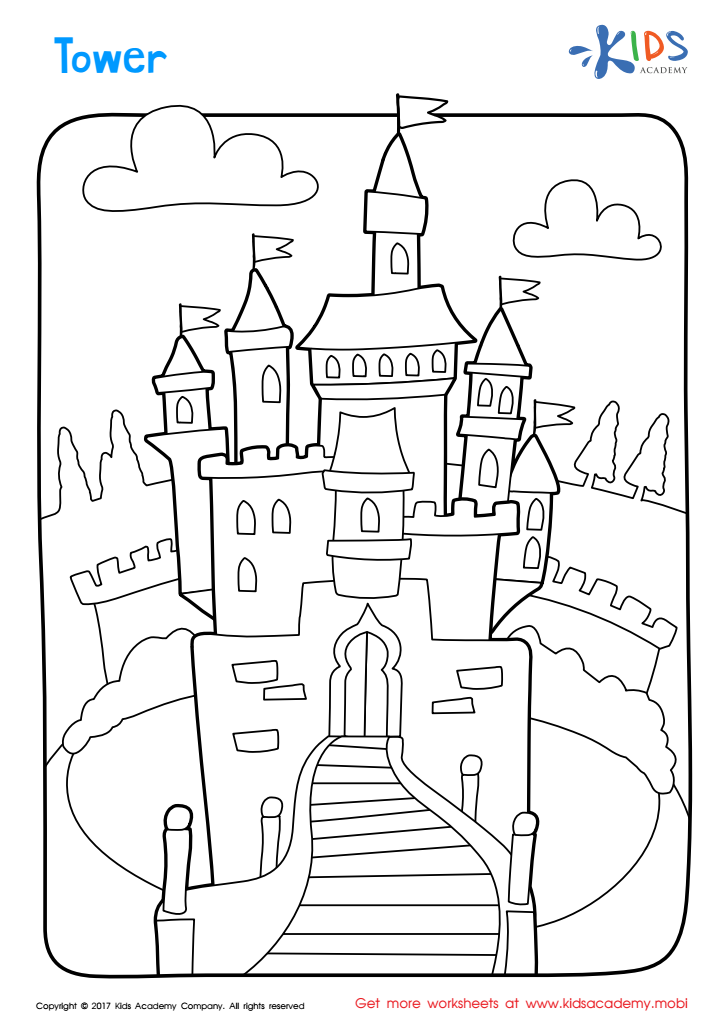
Tower Coloring Page
 Assign to My Students
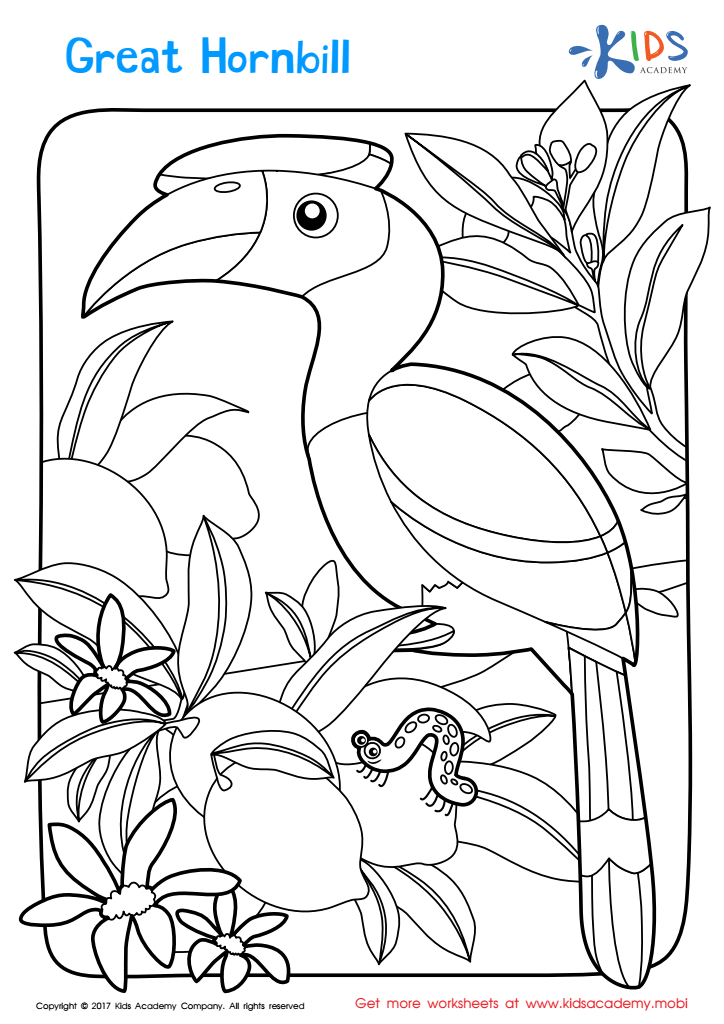
Great Hornbill Worksheet
Assign to My Students
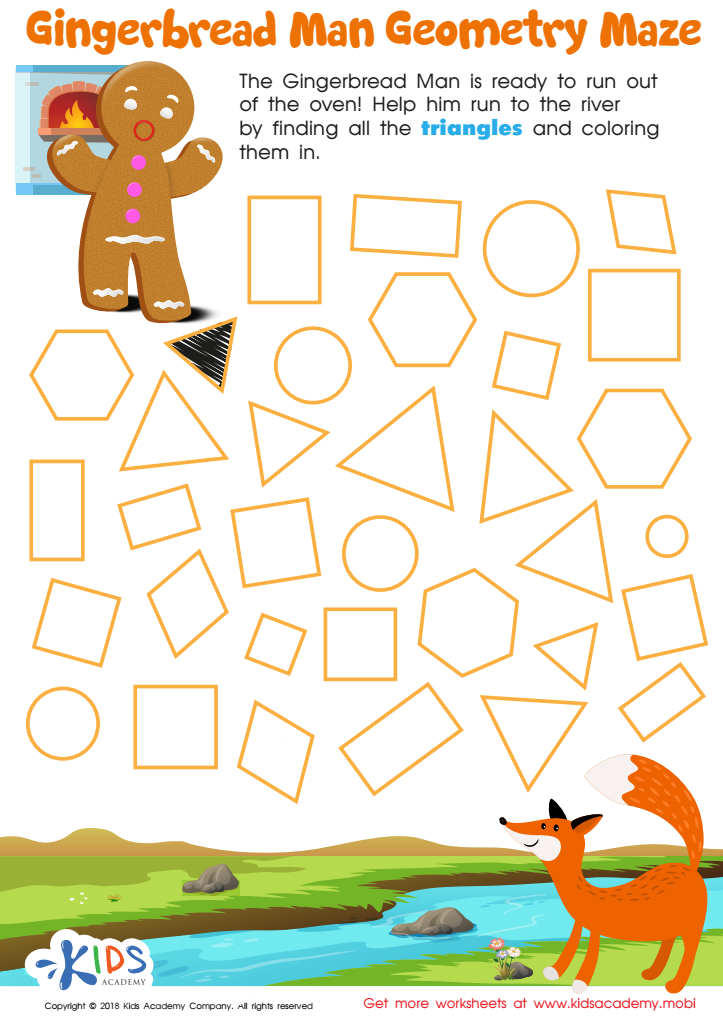
Gingerbread Man Geometry Maze Worksheet
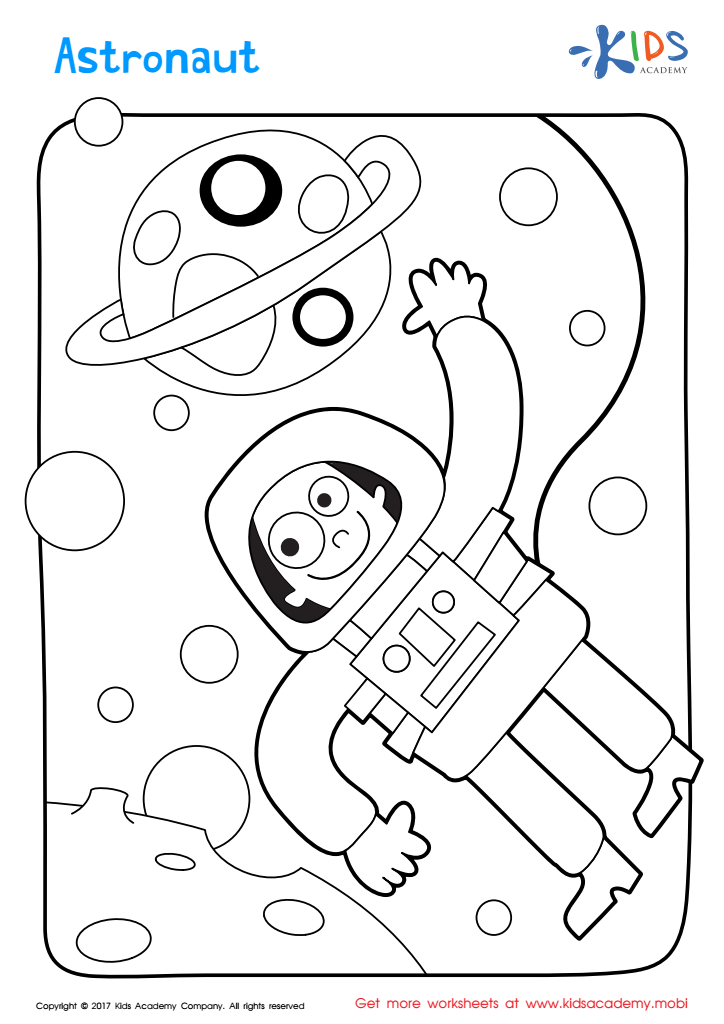
Astronaut Coloring Page
Assign to My Students
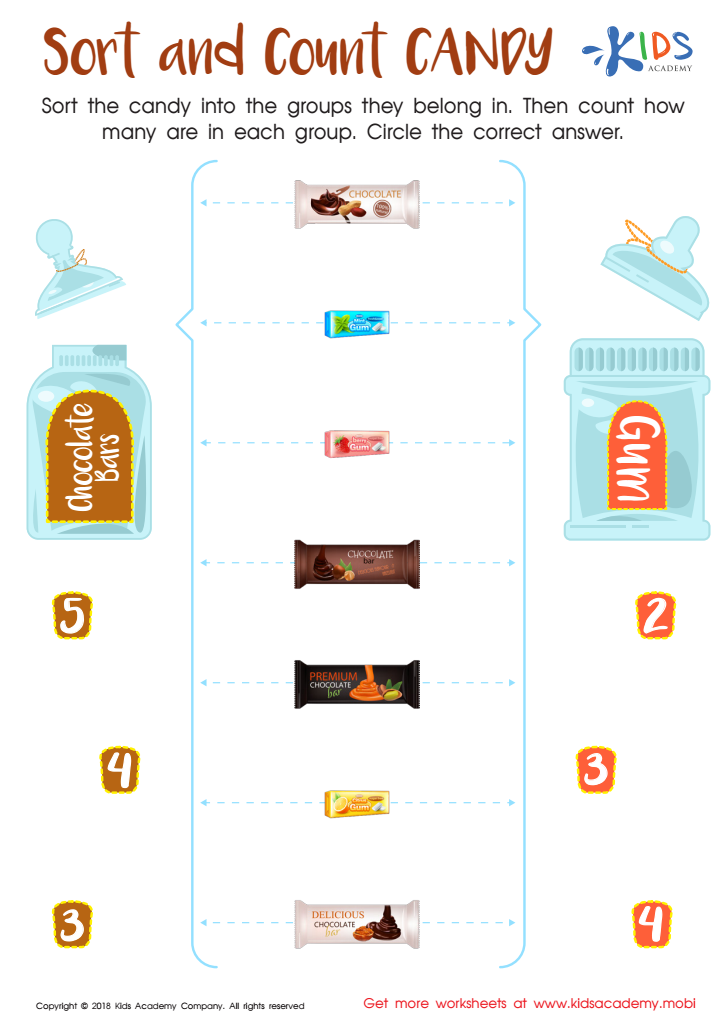
Sort and Count Candy Worksheet
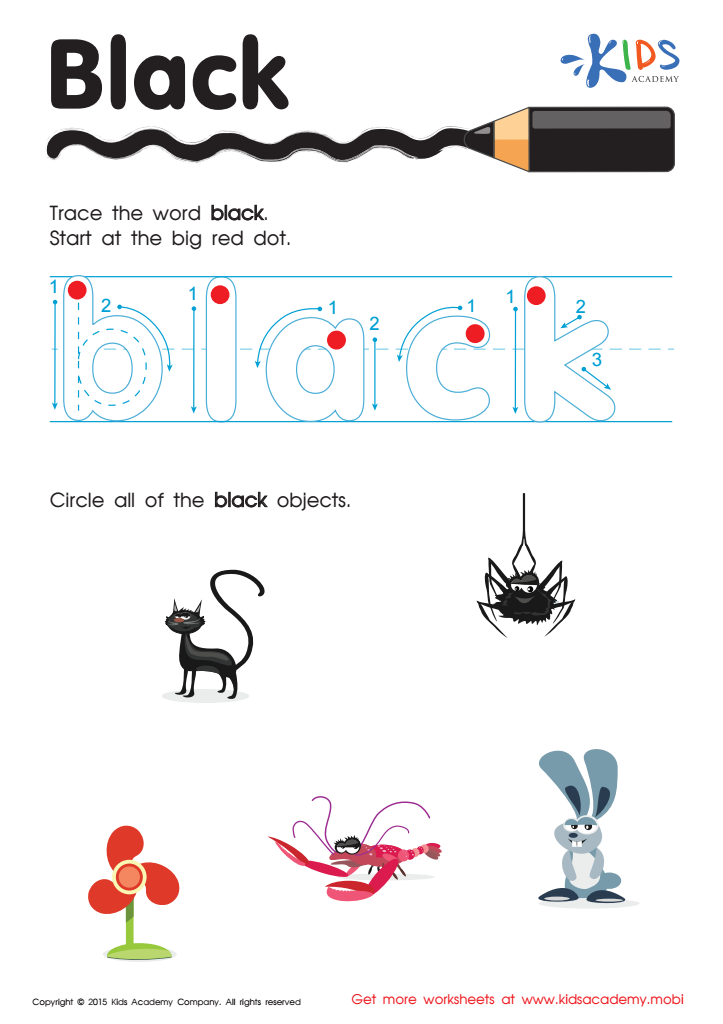
Black Tracing Color Words Printable





.jpg)

Color recognition is an important developmental milestone for children ages 3-5, as it plays a crucial role in their overall learning and cognitive development. During this stage, children's brains are highly receptive to environmental stimuli, enabling them to understand and categorize the world around them. Recognizing colors aids in their ability to identify objects and differentiate between similar things, enhancing their observational skills and vocabulary.
For parents and teachers, fostering color recognition is key to promoting early literacy and math skills. Color identification builds the foundation for sorting, counting, and categorizing—essential skills that support future academic success. Furthermore, engaging in color-related activities can also enhance fine motor skills as children engage in art, crafts, and play.
Additionally, color recognition can boost a child's confidence and social skills. When they can identify colors, they gain the ability to have conversations about their surroundings, discuss their preferences, and participate in group activities, thereby increasing their social interactions. Ultimately, nurturing color recognition in early childhood can have lasting impacts on emotional and educational growth, making it imperative for parents and teachers to prioritize and integrate color learning into everyday experiences.








