Fine motor skills development Normal Worksheets for Ages 3-5
6 filtered results
-
From - To
Enhance your child's fine motor skills with our engaging worksheets designed for ages 3-5. These printable activities focus on essential hand-eye coordination, dexterity, and grip strength through fun and interactive exercises. Each worksheet encourages creativity while helping young learners develop the necessary skills for writing, drawing, and everyday tasks. From tracing and cutting activities to coloring exercises, our resources are perfect for early childhood education settings or at-home learning. Watch your little ones gain confidence and proficiency in their fine motor abilities with these thoughtfully crafted worksheets that make learning enjoyable and effective!

I Stands High Worksheet
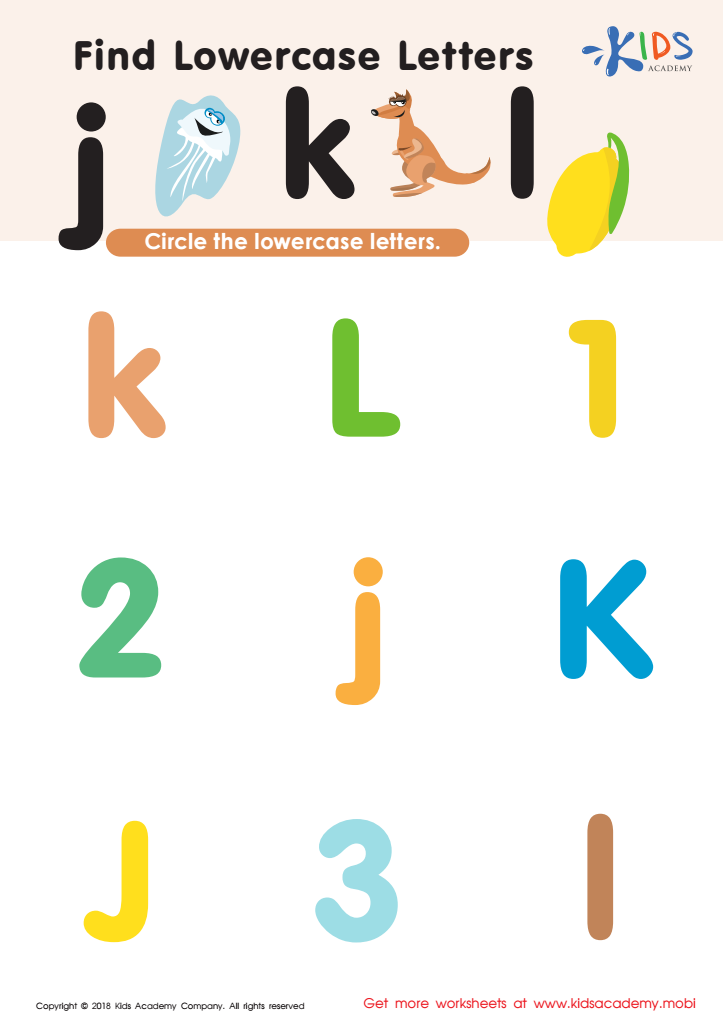
Find Lowercase Letters j k l Worksheet
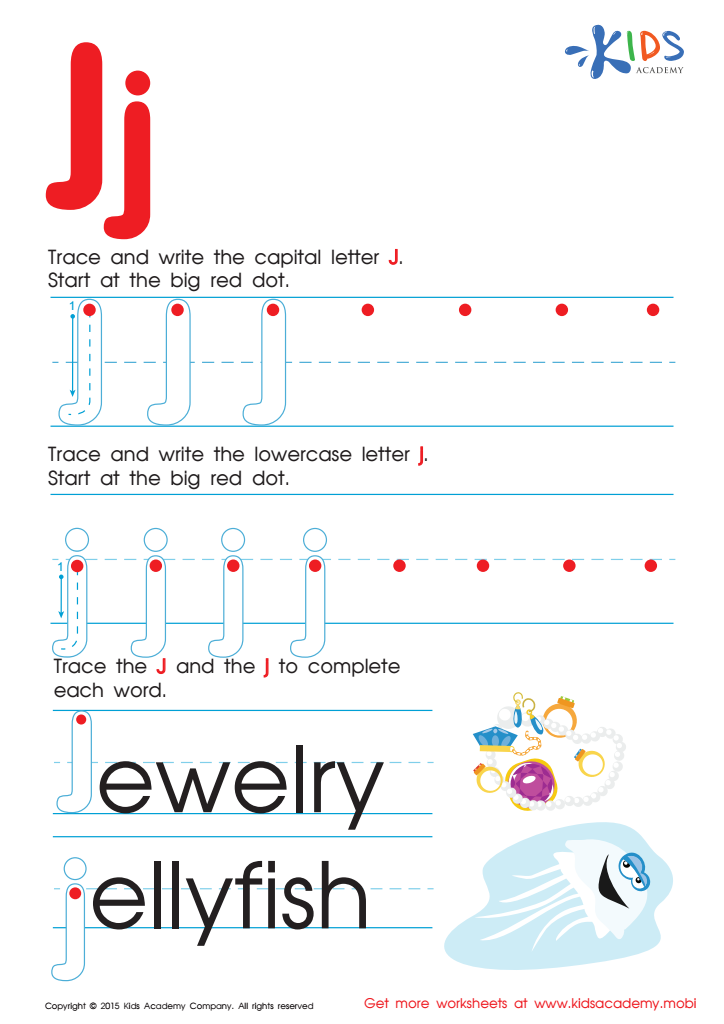
Letter J Tracing Page
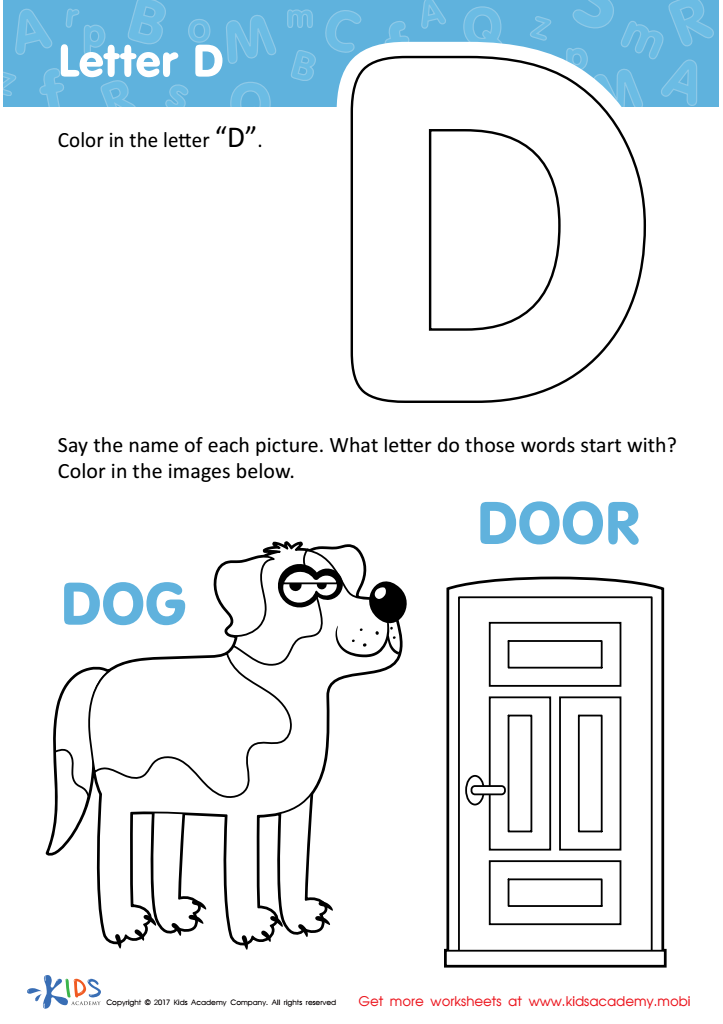
Letter D Coloring Sheet
 Assign to My Students
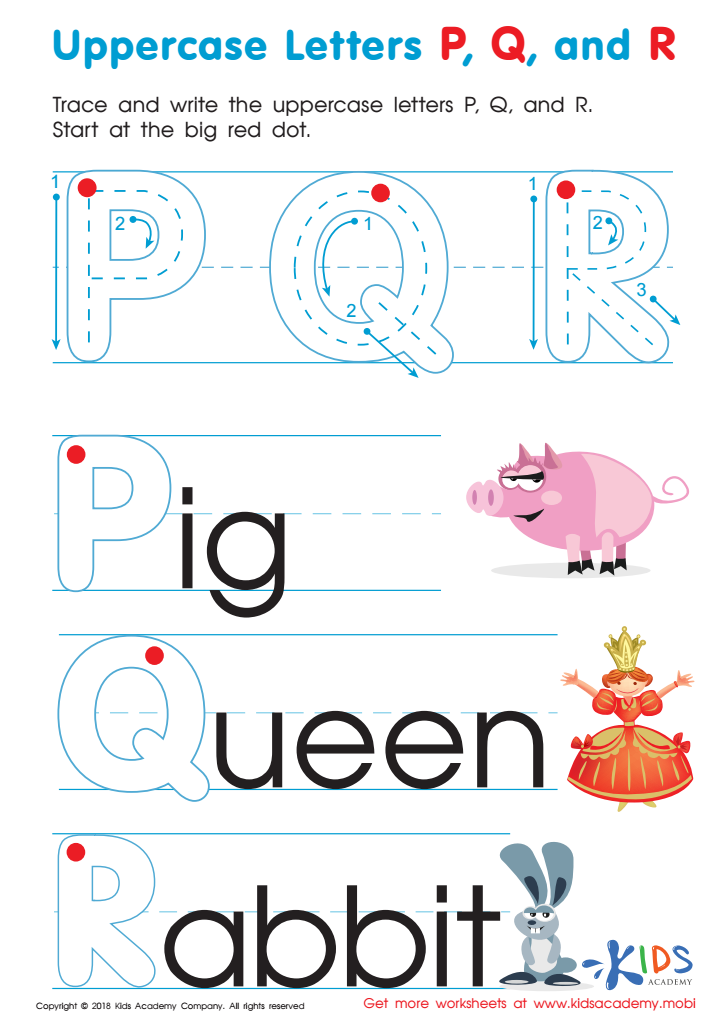
Uppercase Letters P, Q, and R Worksheet
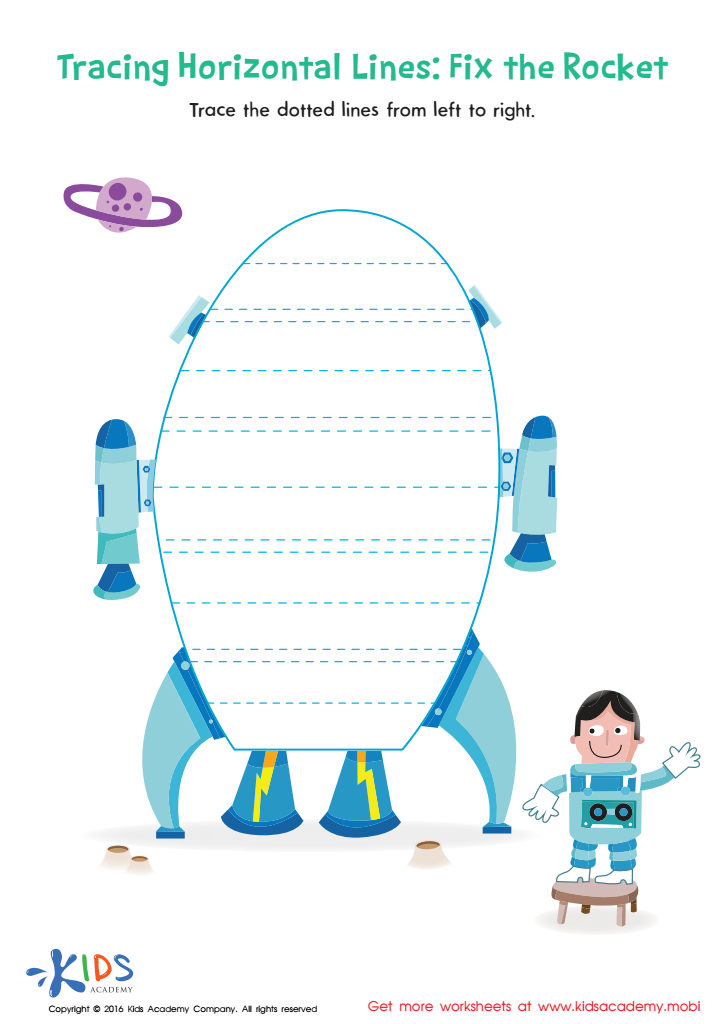
Tracing Horizontal Lines Worksheet


.jpg)





Fine motor skills development in children aged 3-5 is crucial for various reasons. First, these skills, which involve the coordination of small muscles in the hands and fingers, are foundational for daily tasks such as writing, buttoning clothes, and using utensils, directly impacting a child's independence and confidence in their ability to navigate everyday activities.
Additionally, fine motor skills are closely tied to cognitive development. Activities like coloring, crafting, and puzzles stimulate brain function and enhance problem-solving abilities. As children practice and refine these skills, they improve hand-eye coordination, spatial awareness, and their ability to concentrate.
Moreover, strong fine motor skills pave the way for academic success. As children transition to formal schooling, the ability to hold and manipulate pencils effectively becomes vital for writing and engaging in classroom activities.
Finally, fine motor development in early childhood can also be a reflection of overall health and development. Monitoring these skills can help educators and parents identify any potential developmental challenges early on, allowing for timely intervention.
In summary, nurturing fine motor skills in young children not only equips them with essential life skills but also enriches their cognitive development and academic readiness, making it a vital focus for parents and teachers alike.








