Letter-sound association Normal Worksheets for Ages 3-5
6 filtered results
-
From - To
Boost your child’s early literacy with our Letter-Sound Association Worksheets, specially designed for ages 3-5! These engaging, printable resources help young learners connect letters with their corresponding sounds, a crucial skill for reading success. Featuring vibrant illustrations and interactive activities, our worksheets make learning fun and effective. Children will explore various phonetic patterns while enhancing their recognition of letters and sounds. Perfect for homeschooling or supplementary practice, these normal worksheets support developing essential language skills in a playful way. Start your child's journey towards reading proficiency and watch them gain confidence through our comprehensive materials tailored for young learners!
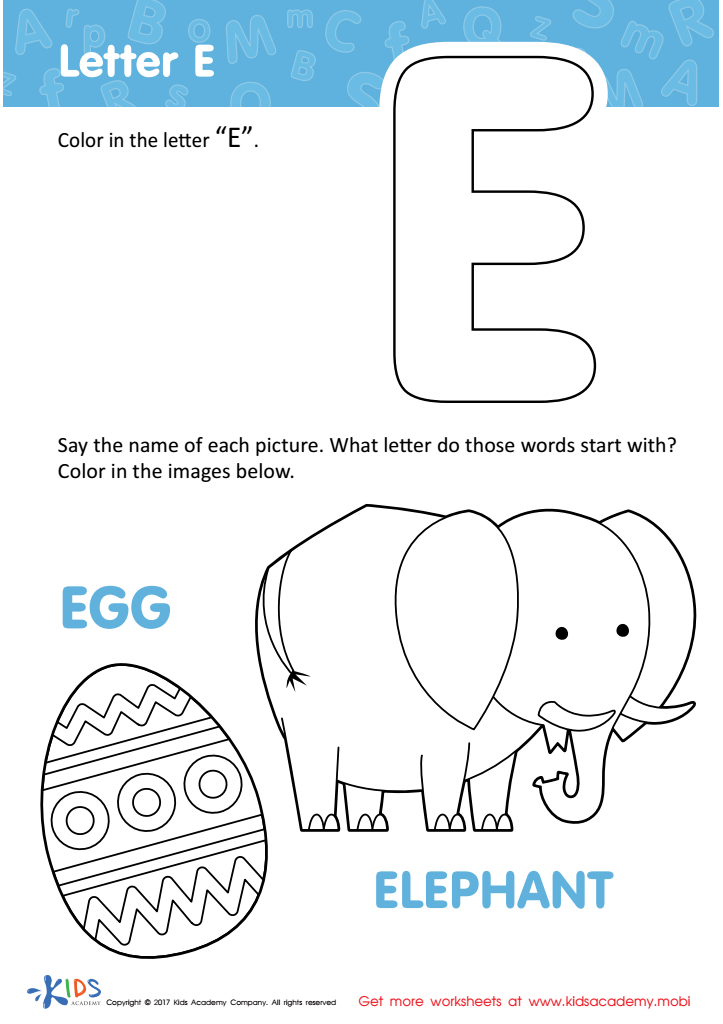
Letter E Coloring Sheet
 Assign to My Students
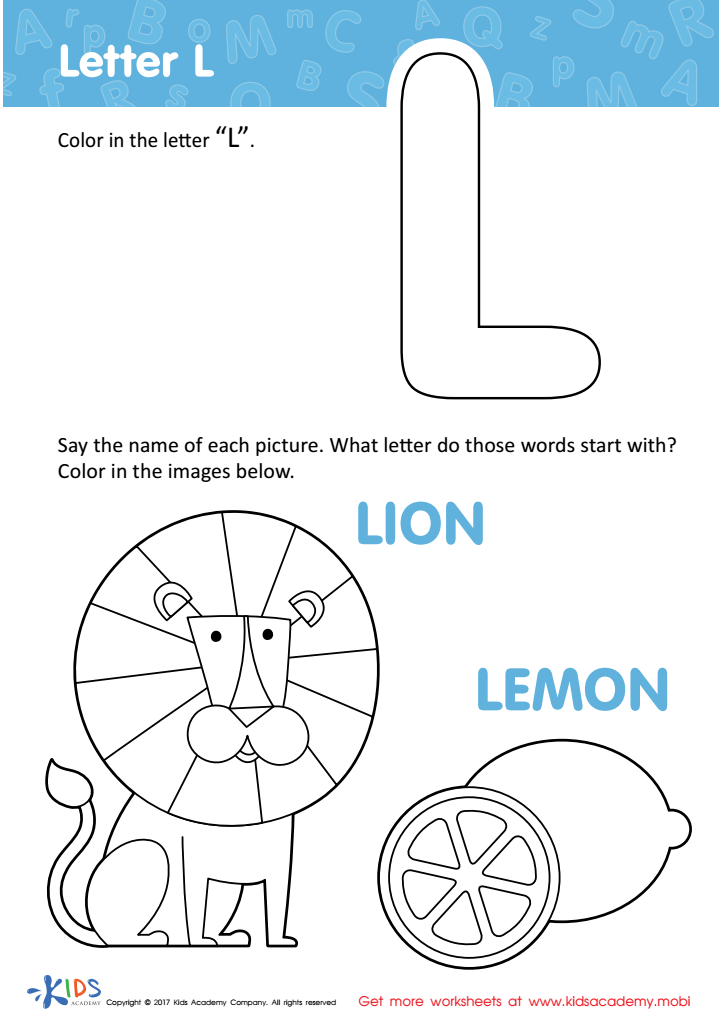
Letter L Coloring Sheet
Assign to My Students
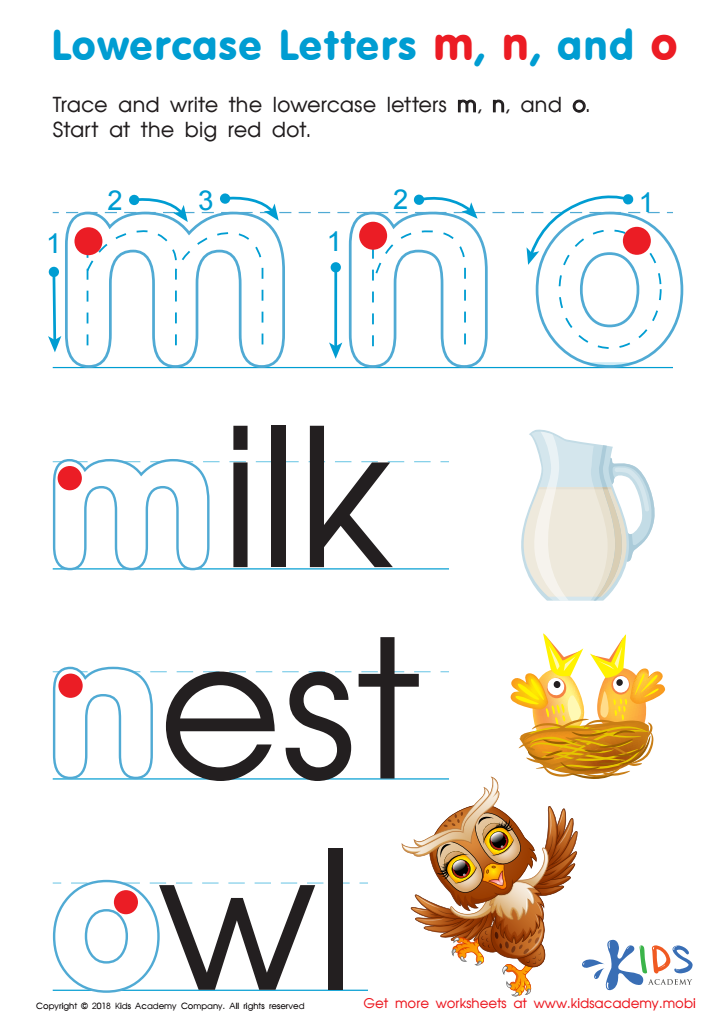
Lowercase Letters m n o Worksheet
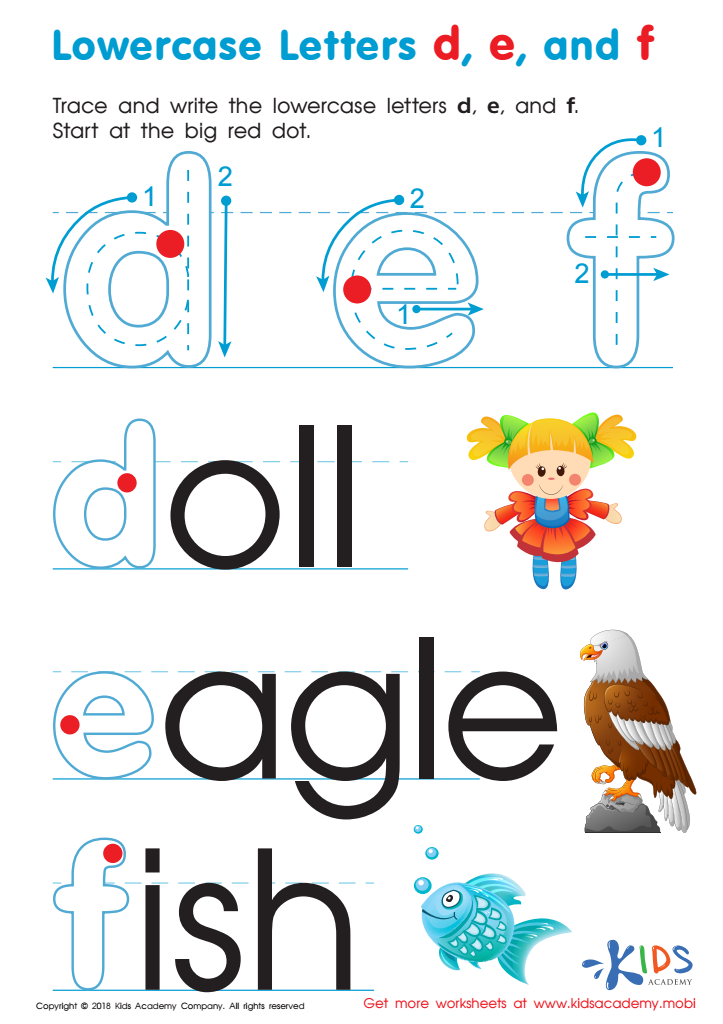
Lowercase Letters d e f Worksheet
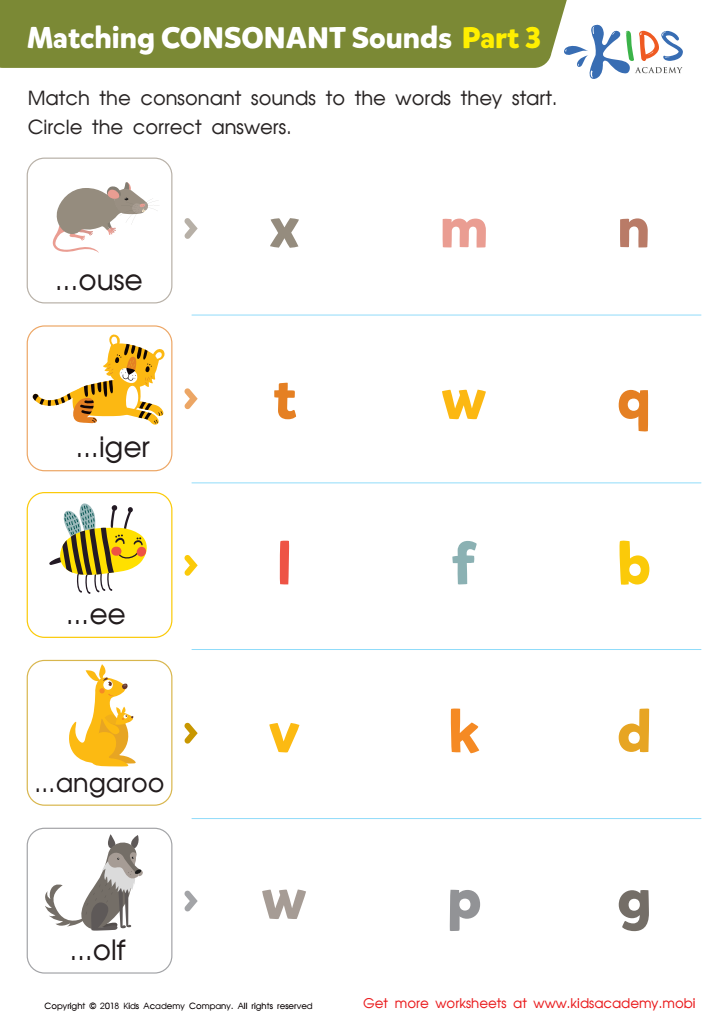
Matching Consonant Sounds: Part 3 Worksheet
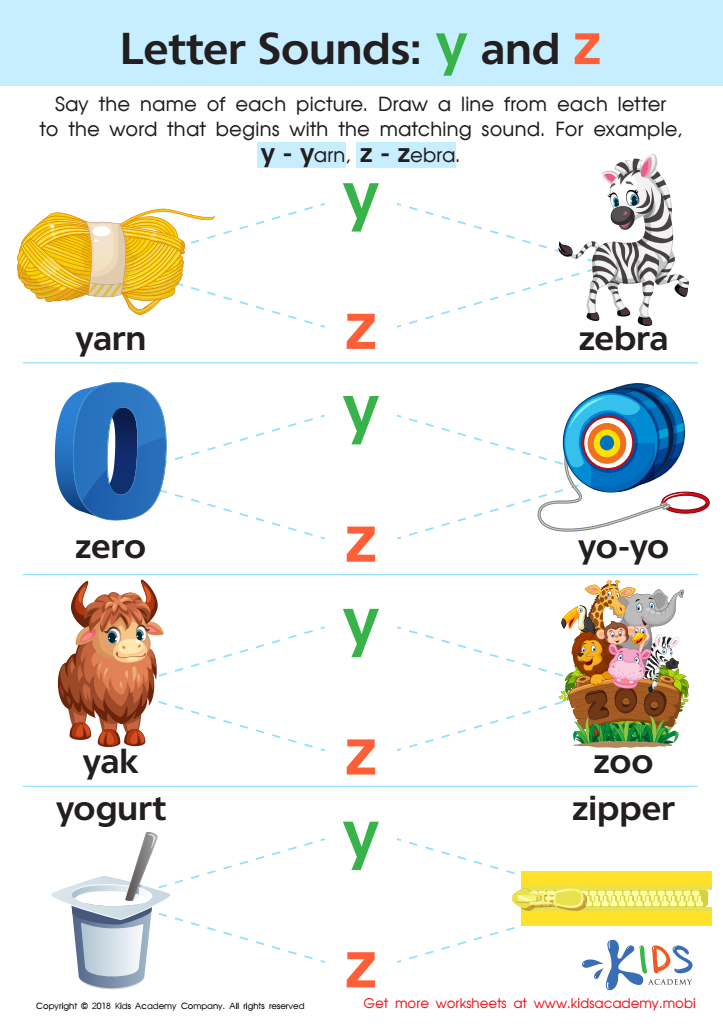
Letter Y and Z Sounds Worksheet







Letter-sound association is a crucial aspect of early literacy development for children aged 3 to 5, and understanding its significance can help parents and teachers foster a love for reading and writing. At this developmental stage, children begin to grasp the connection between letters and the sounds they represent, forming the foundation for phonemic awareness—the ability to identify and manipulate sounds in spoken language.
When children learn letter-sound associations, they enhance their vocabulary, spelling, and reading skills. This knowledge enables them to decode words, making reading a more inclusive and enjoyable experience. Moreover, early exposure to letter-sound relationships helps children build confidence in language use, allowing them to express themselves more freely.
Parents and teachers play a vital role in encouraging this learning through playful activities, such as rhymes, songs, and games that highlight letter sounds. By fostering an engaging learning environment, they can kindle curiosity and intrinsically motivate children to explore literacy further. Ultimately, understanding letter-sound associations equips young learners with essential skills that will support their academic success and lifelong love for reading. Thus, investing time and effort into this element of early education reinforces a positive trajectory for children's language and literacy development.








