
Observation skills Normal Worksheets for Ages 3-5
3 filtered results
Difficulty Level
Grade
Age
-
From - To
Subject
Activity
Standards
Enhance your child's observation skills with our specially designed Normal Worksheets for ages 3-5. These fun and engaging activities promote critical thinking, attention to detail, and cognitive development. Our worksheets feature vibrant images and interactive tasks, encouraging young learners to distinguish shapes, patterns, and differences. Perfect for preschoolers, these tools help build a solid foundation for future learning. At Kids Academy, we prioritize comprehensive growth by making learning enjoyable and effective. Discover our observation skills worksheets today and give your child a head start in their educational journey!
Favorites
With answer key
Interactive
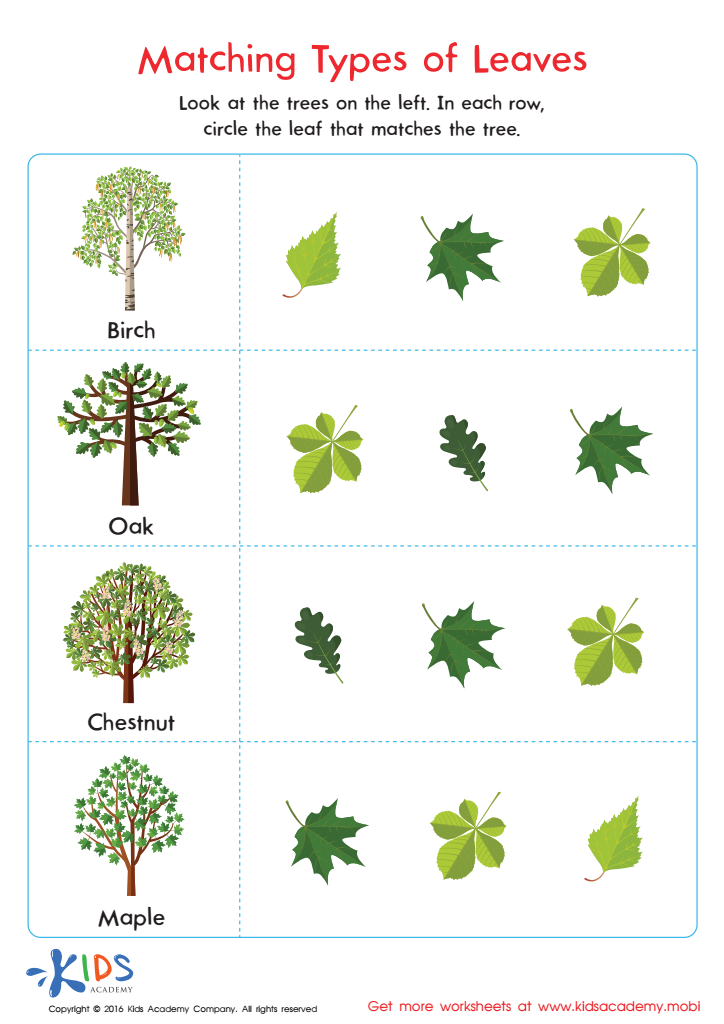
Matching Types of Leaves Printable
Trees are beautiful and essential to life. Show your child the joy of learning about them with this leaf worksheet. It teaches tree identification and encourages observing nature. Expand the learning with additional activities about trees!
 Assign to My Students
Matching Types of Leaves Printable
Worksheet
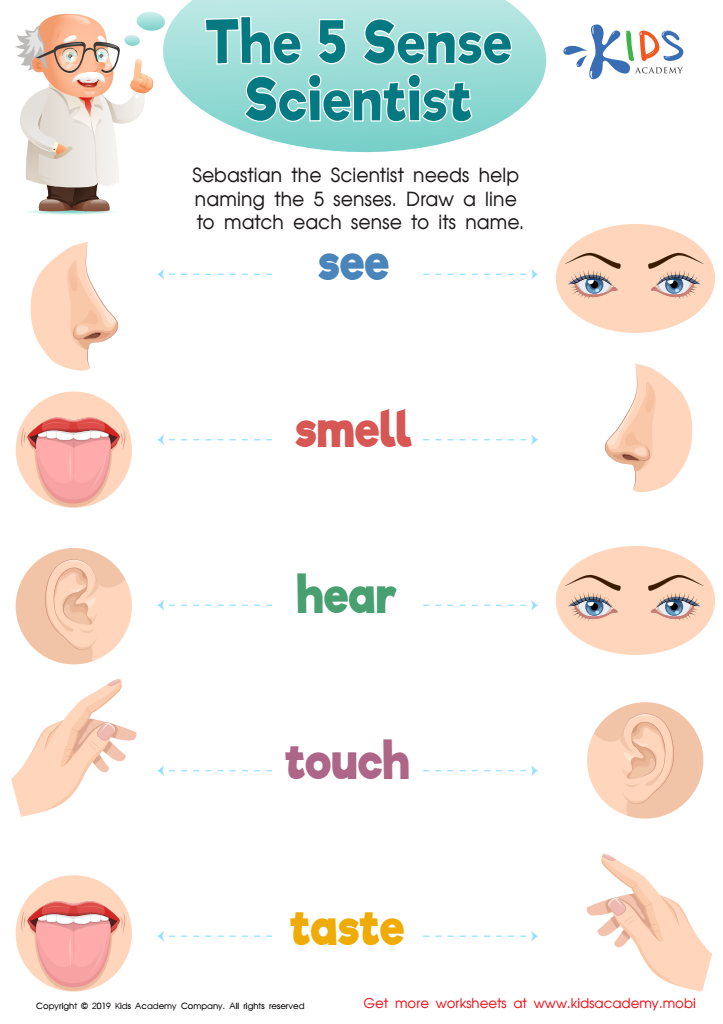
The 5 Sense Scientist Worksheet
Our young children will have fun learning about their five senses with this free Sense Scientist worksheet. Helping Sebastian the Scientist, they'll name the five senses and use traceable lines to connect each picture with its correct sense. Colorful words and pictures will create a memorable picture representation.
The 5 Sense Scientist Worksheet
Worksheet
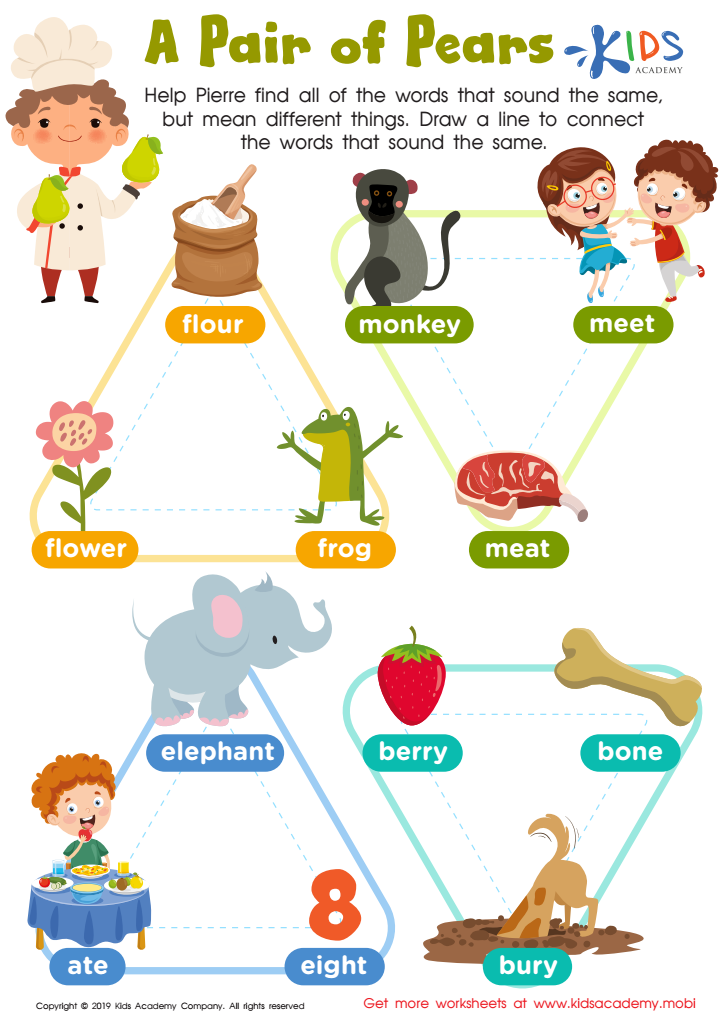
Pair Pears Worksheet
Young readers can have difficulty knowing when to use the right homophone. This free worksheet helps them use familiar imagery to understand better by connecting words that sound similar but are spelled and mean different things. Students will trace the lines to form a picture and have a reference image to differentiate between the different homophones.
Pair Pears Worksheet
Worksheet
Join Kids Academy for Free
Who is primarily going to use this learning content?


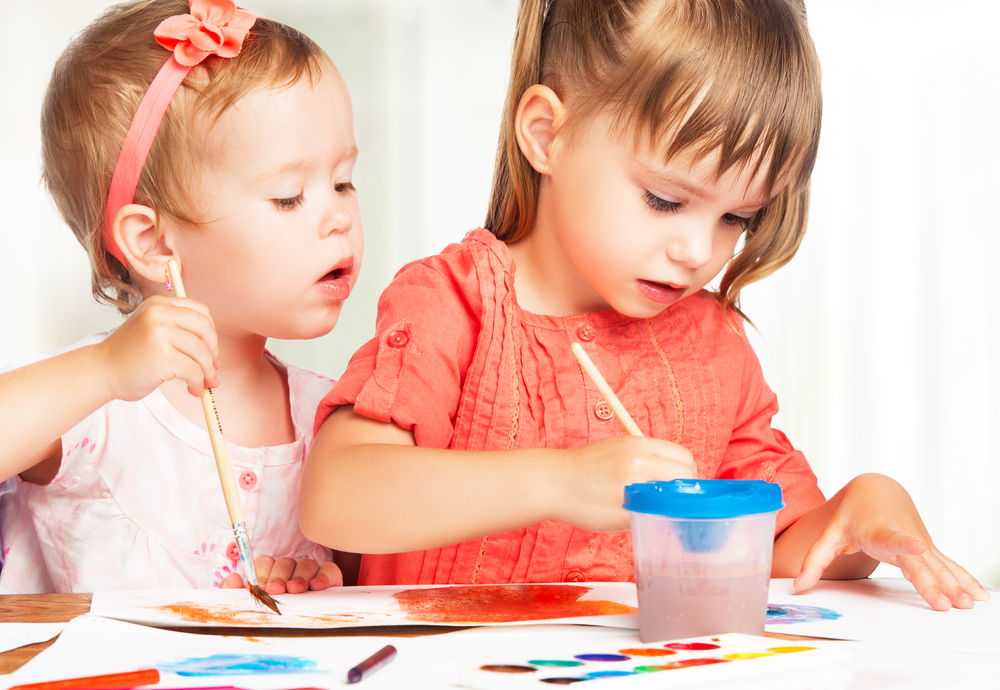




Observation skills are fundamental in early childhood, especially for children aged 3-5. During this critical developmental window, parents and teachers play a crucial role in nurturing these abilities. Firstly, observing children helps adults understand each child's unique developmental trajectory, cognitive abilities, and emotional well-being. By recognizing milestones, such as language acquisition, social interactions, and motor skills, caregivers can ensure that children are progressing as expected.
Additionally, refined observation skills enable parents and teachers to identify any potential developmental delays or challenges. Early detection of issues such as speech delays or social difficulties allows for timely intervention, ensuring that children receive the support they need to thrive. Furthermore, observing children in different settings—during play, structured activities, or interactions with peers—provides a holistic view of their learning and behavior.
For the children themselves, developing observation skills fosters curiosity, enhances focus, and supports problem-solving abilities. By engaging in activities that promote these skills, such as nature walks, storytelling, or simple science experiments, adults encourage children to notice details and patterns, sparking a lifelong interest in learning.
In conclusion, observation skills are a cornerstone of healthy development for ages 3-5. Attentive observation from parents and teachers not only supports individual growth but also helps identify and address any developmental concerns early, laying a strong foundation for future learning and development.








