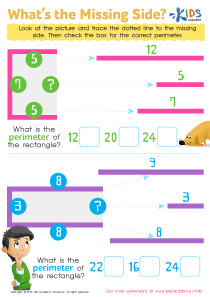
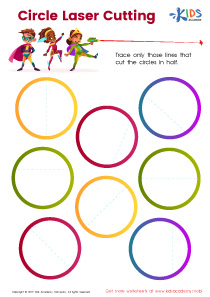
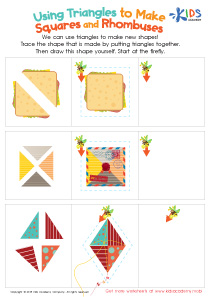
Counting skills Normal 2D Shapes Worksheets for Ages 3-5
4 filtered results
-
From - To
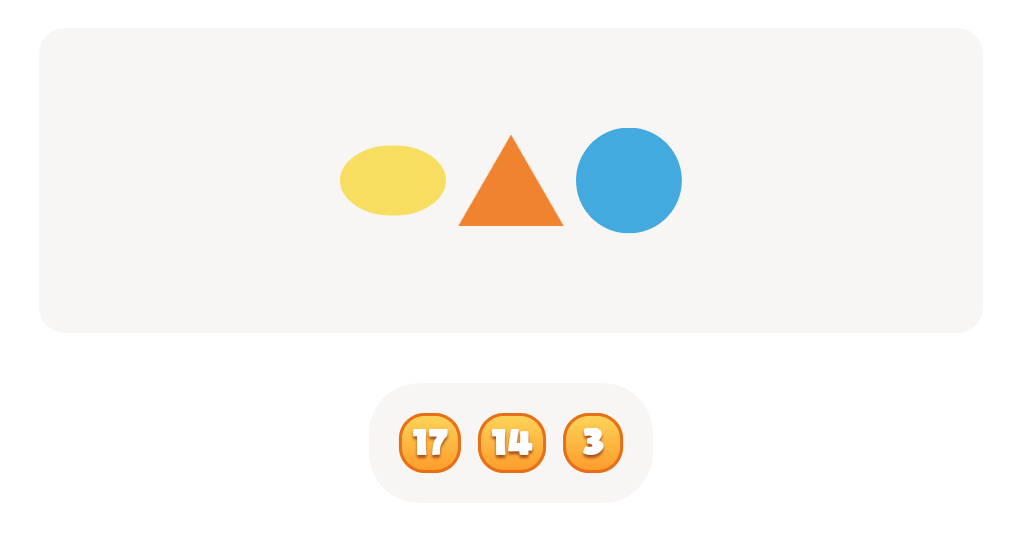
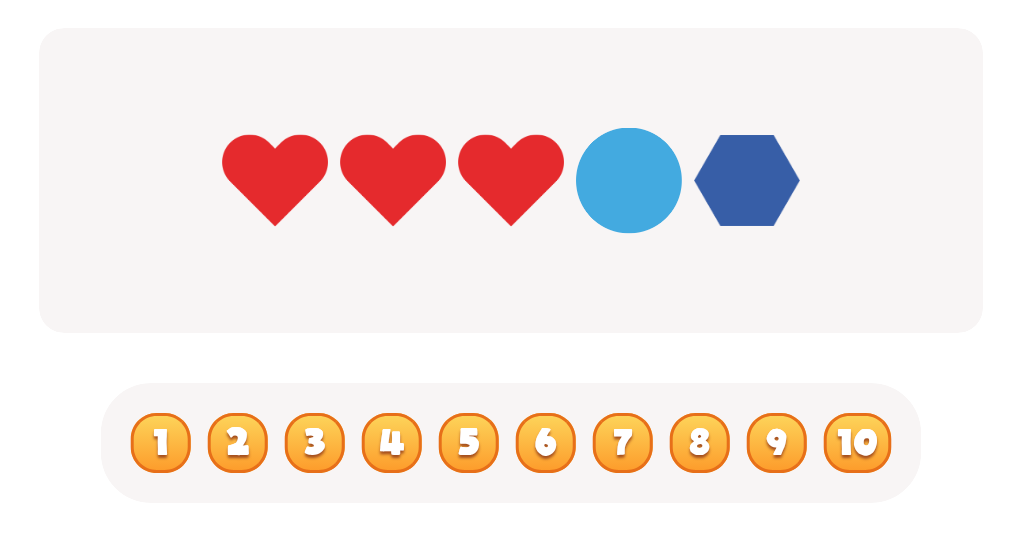
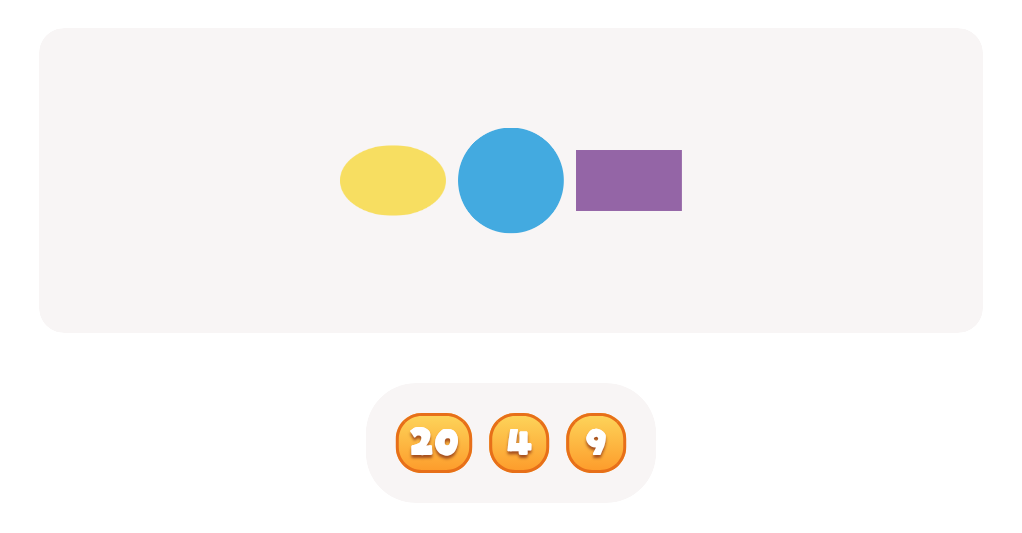
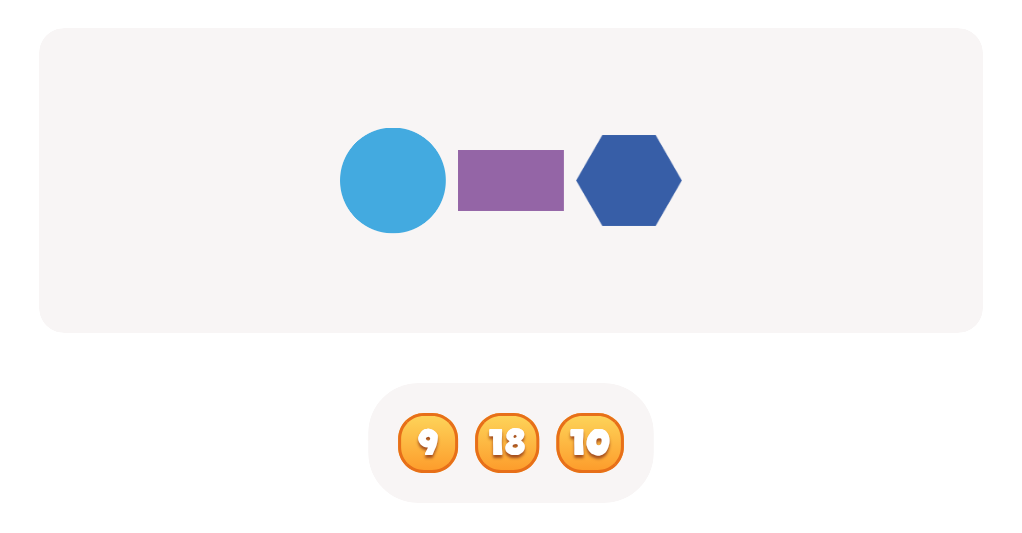
Introduce your little learners to the exciting world of math with our "Counting Skills Normal 2D Shapes Worksheets for Ages 3-5." Designed to captivate young minds, these printable worksheets combine colorful 2D shapes with engaging counting exercises. Perfect for preschoolers and kindergarteners, these activities help develop essential skills such as shape recognition, counting, and number tracing. By integrating fun and educational content, our worksheets not only enhance cognitive abilities but also lay a solid foundation for future math success. Easily downloadable and printable, these worksheets are an ideal resource for parents and teachers seeking interactive learning tools.
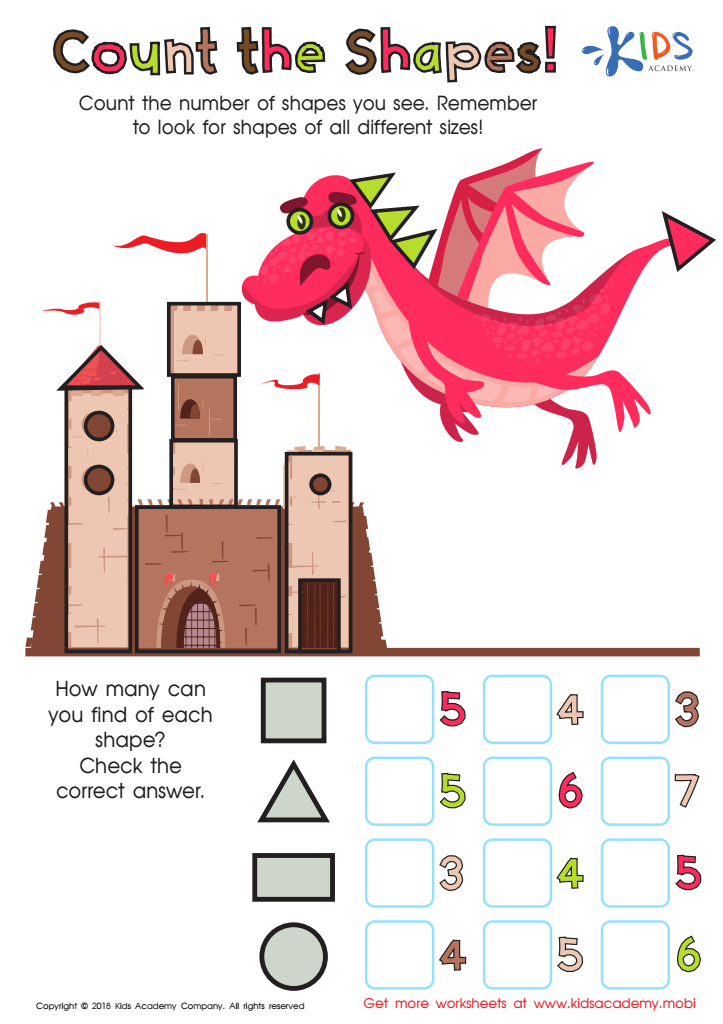
Count the Shapes Worksheet
 Assign to My Students


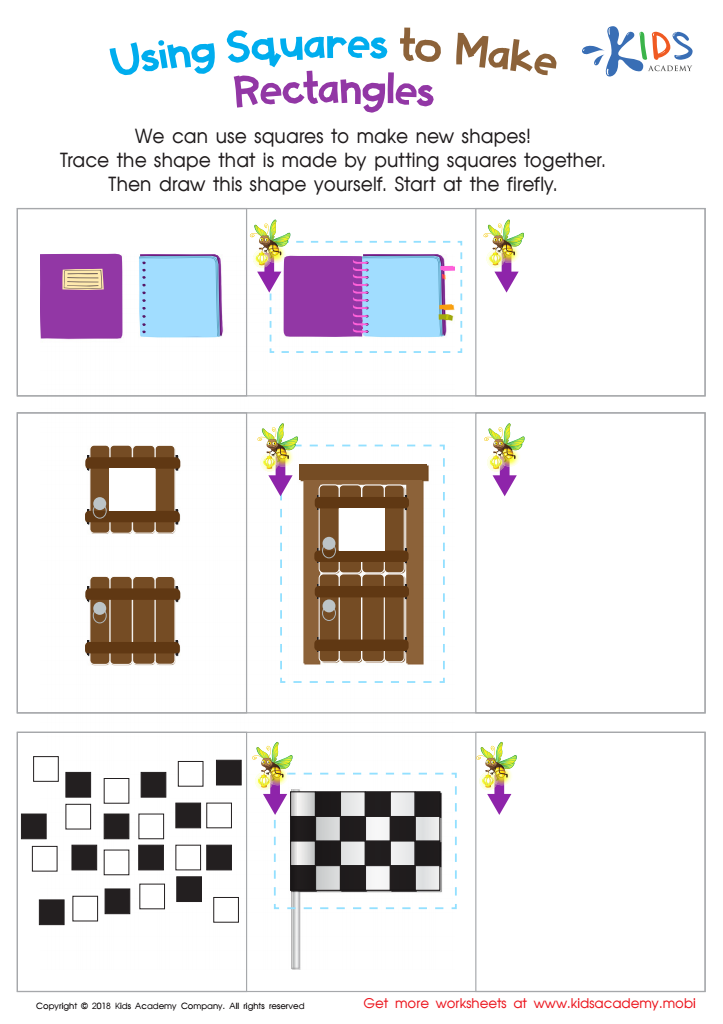
Using Squares to Make Rectangles Worksheet
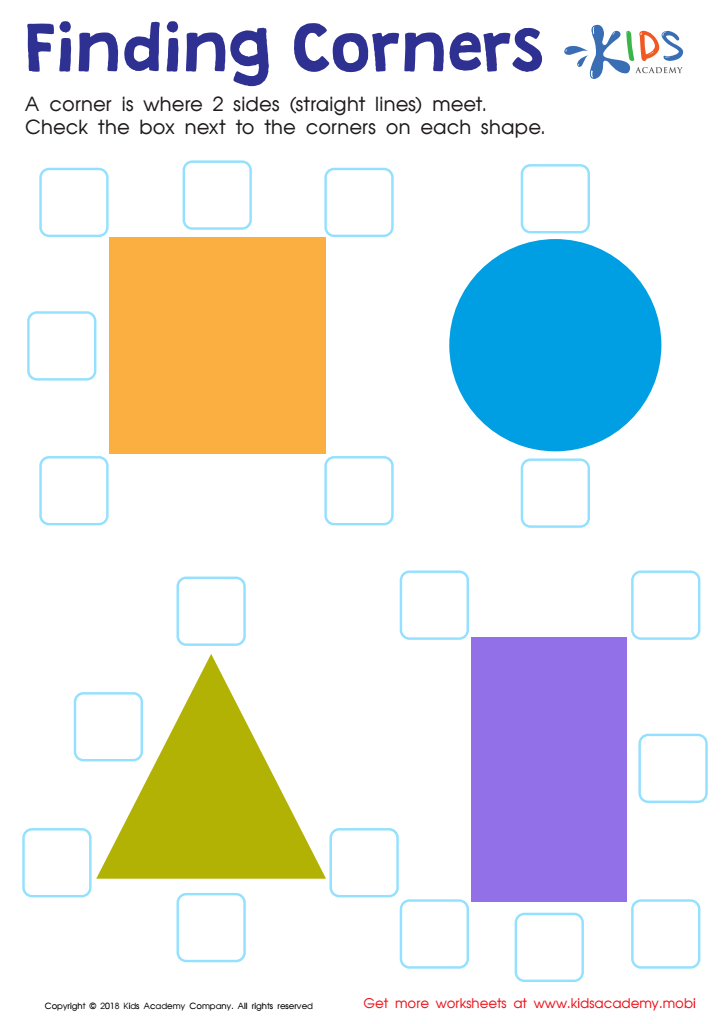
Finding Corners Worksheet
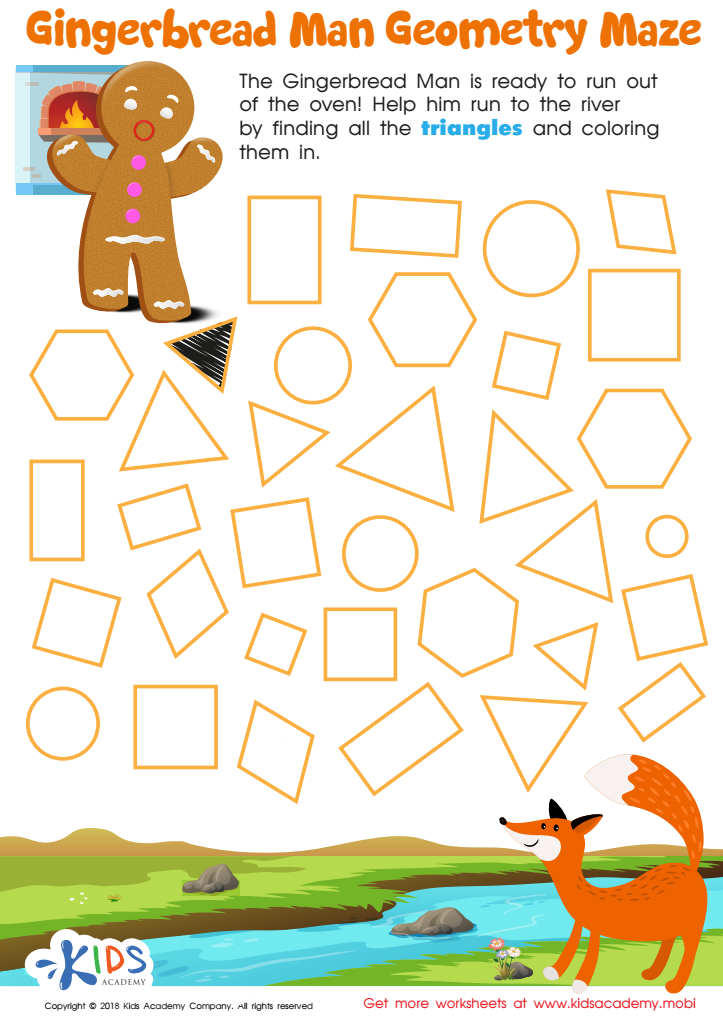
Gingerbread Man Geometry Maze Worksheet








Counting skills and recognition of 2D shapes are pivotal areas of early childhood education for ages 3-5. These foundational skills form the bedrock upon which more complex mathematical and spatial awareness abilities are developed.
Fostering counting skills introduces children to the basic concepts of number recognition, sequence, and quantity, which are essential for understanding arithmetic operations later. Mastery of counting also improves cognitive abilities such as memory and concentration.
Learning about normal 2D shapes—such as squares, triangles, circles, and rectangles—helps children recognize patterns, understand symmetry, and develop spatial awareness. This recognition is not just beneficial for math; it’s essential for daily life, enabling children to navigate their environments, follow directions, and understand basic geometry.
Both counting and shape recognition activities can be naturally integrated through play, making learning enjoyable and engaging. Parents and teachers who prioritize these areas contribute to a child's confidence with numbers and spatial reasoning, laying a crucial foundation for STEM (Science, Technology, Engineering, and Mathematics) education. By focusing on these skills early, caregivers and educators enable smoother transitions into more advanced mathematical concepts and foster a love for learning and problem-solving in young learners.