Shape identification Normal 2D Shapes Worksheets for Ages 3-5
4 filtered results
-
From - To
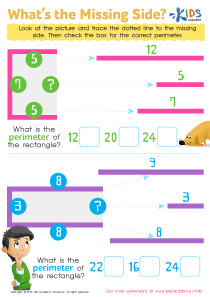
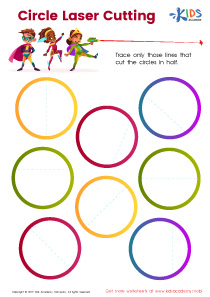
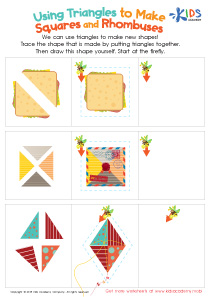
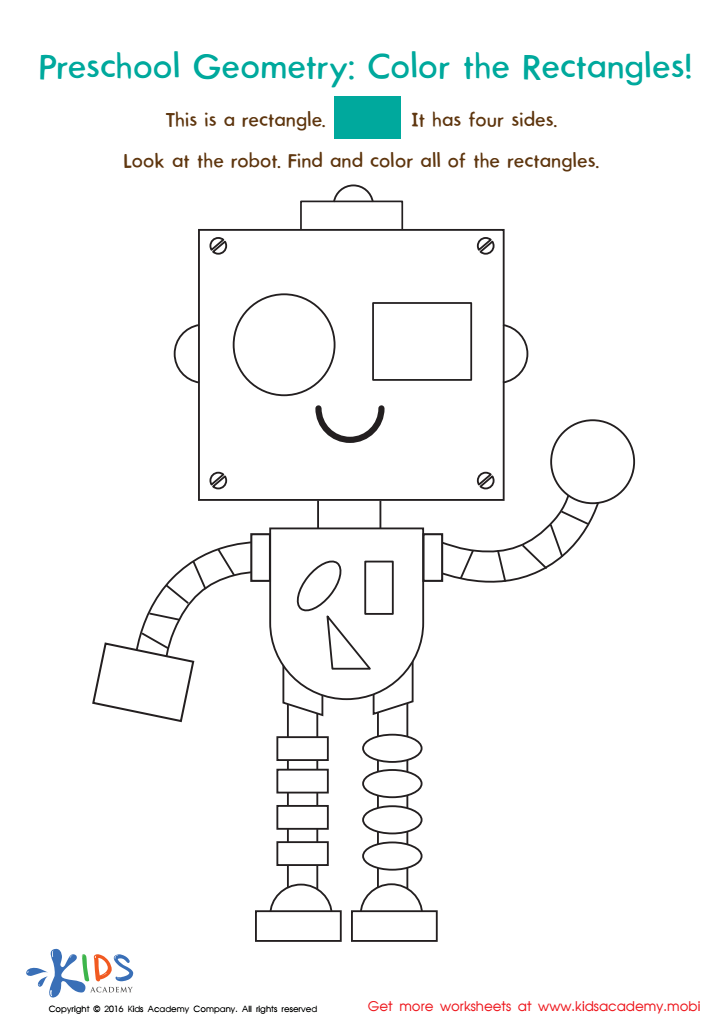
Welcome to our Shape Identification Normal 2D Shapes Worksheets for Ages 3-5! These engaging worksheets are designed to help young learners recognize and name basic 2D shapes such as circles, squares, triangles, and rectangles. Ideal for preschool and kindergarten students, our activities encourage geometric awareness through fun and interactive exercises. Each worksheet combines colorful visuals and age-appropriate tasks to support early math skills while engaging your child's curiosity. Perfect for home or classroom use, these worksheets promote cognitive development and make learning shapes enjoyable! Download now and watch your little ones confidently identify shapes in no time!
Geometry Worksheet
 Assign to My Students


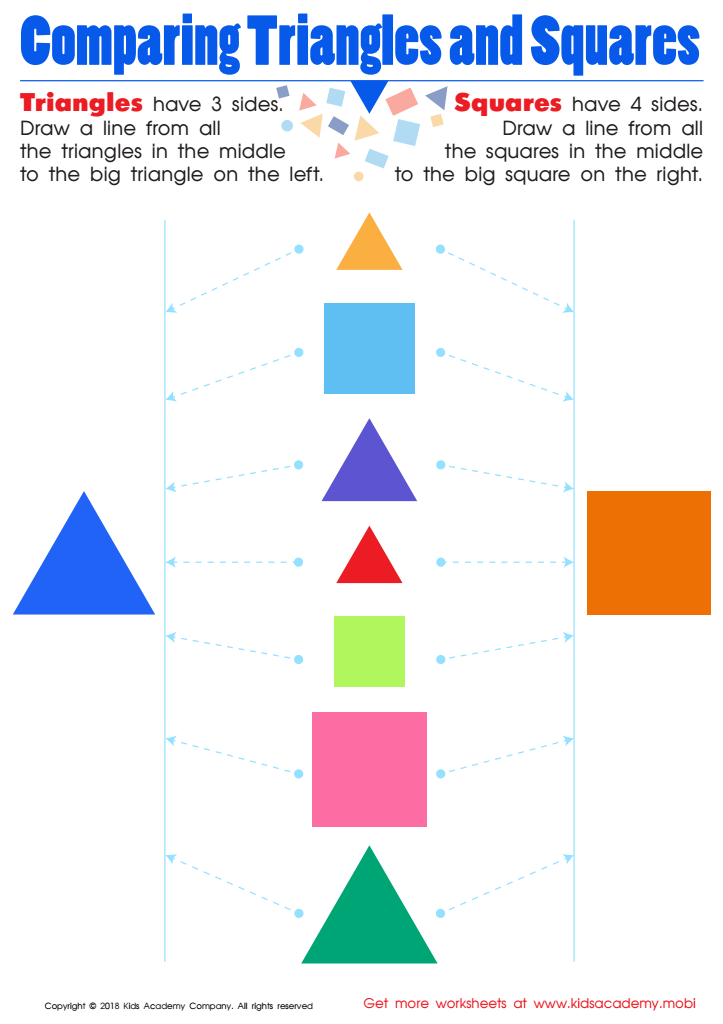
Comparing Triangles Squares Worksheet
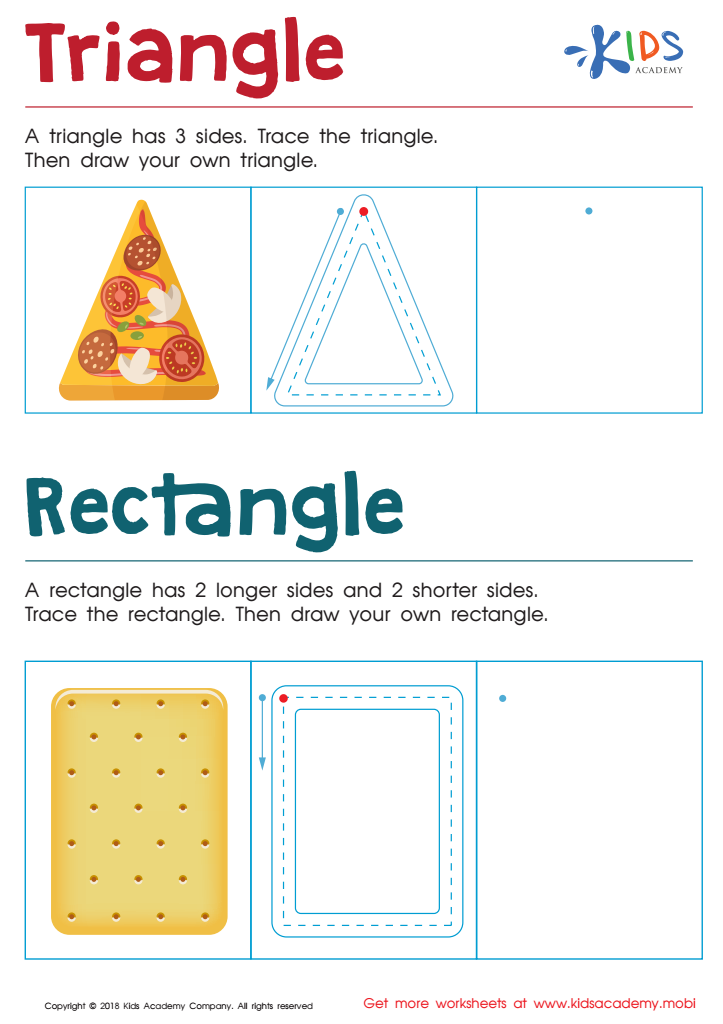
Triangle Rectangle Worksheet
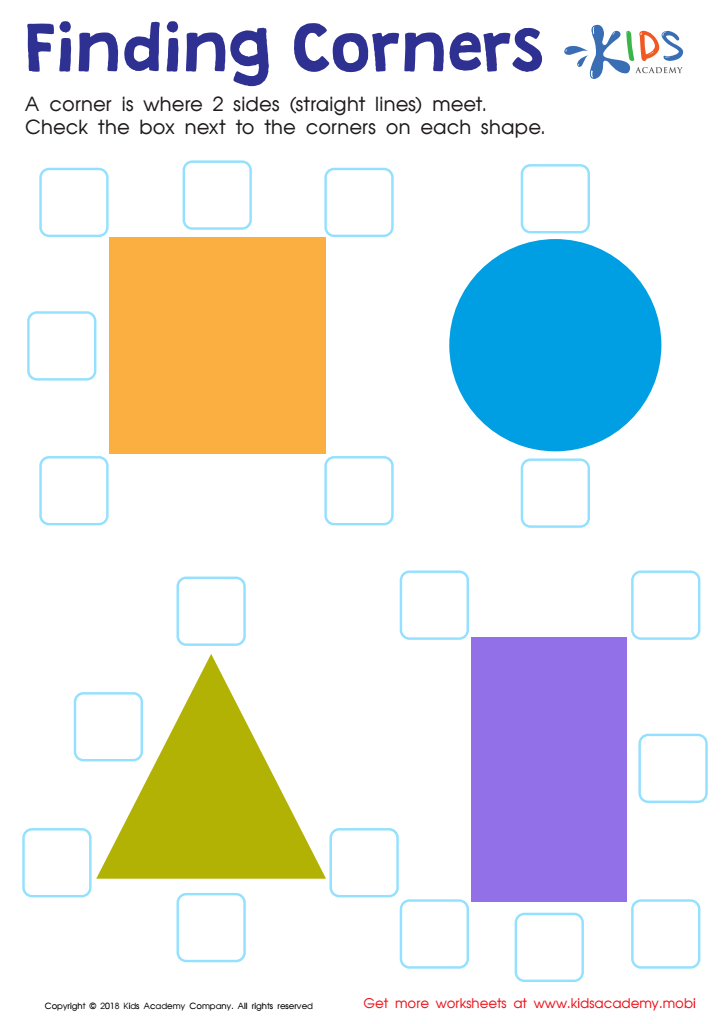
Finding Corners Worksheet








Shape identification is a fundamental skill for children ages 3-5 that lays the groundwork for subsequent learning in mathematics, spatial awareness, and critical thinking. Understanding normal 2D shapes—such as circles, squares, triangles, and rectangles—helps children develop visual and cognitive abilities. Parents and teachers should care about this topic because recognizing shapes in different contexts enhances sensory observation skills and helps children organize their environment mentally.
Moreover, learning shapes naturally integrates language development as children articulate their observations, enabling vocabulary expansion and communication skills. This early learning encourages exploration and experimentation, promoting creativity through activities like drawing or building with blocks. Shape identification also serves as a basis for more complex math concepts and other subjects, expanding a child's problem-solving toolkit.
Additionally, recognizing shapes is increasingly linked to real-world skills, such as reading maps or navigating spaces. Engaging in shape-related activities fosters motivation and joy in learning, making educational experiences enjoyable. Altogether, shape identification acts as both an educational milestone and a gateway to comprehensive cognitive development, positioning children for success in various aspects of their lives. Consequently, both parents and educators play a crucial role in nurturing this essential skill during a child's formative years.