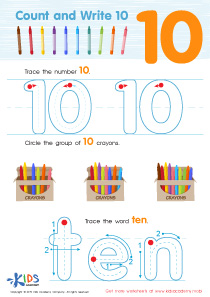
Basic Math Skills Normal Numbers 0–10 Worksheets for Ages 3-5
6 filtered results
-
From - To
Introduce your little ones to the world of numbers with our "Basic Math Skills: Normal Numbers 0–10 Worksheets" designed for ages 3-5. These engaging worksheets provide a fun and interactive way for preschoolers to develop essential counting, number recognition, and early math skills. Perfectly tailored for young learners, each activity encourages curiosity through vibrant illustrations and hands-on exercises. By practicing with our worksheets, children will build a solid foundation in mathematics while boosting their confidence. Explore this exciting collection and watch as your child embarks on a joyful journey through the basics of numbers, setting the stage for future success!
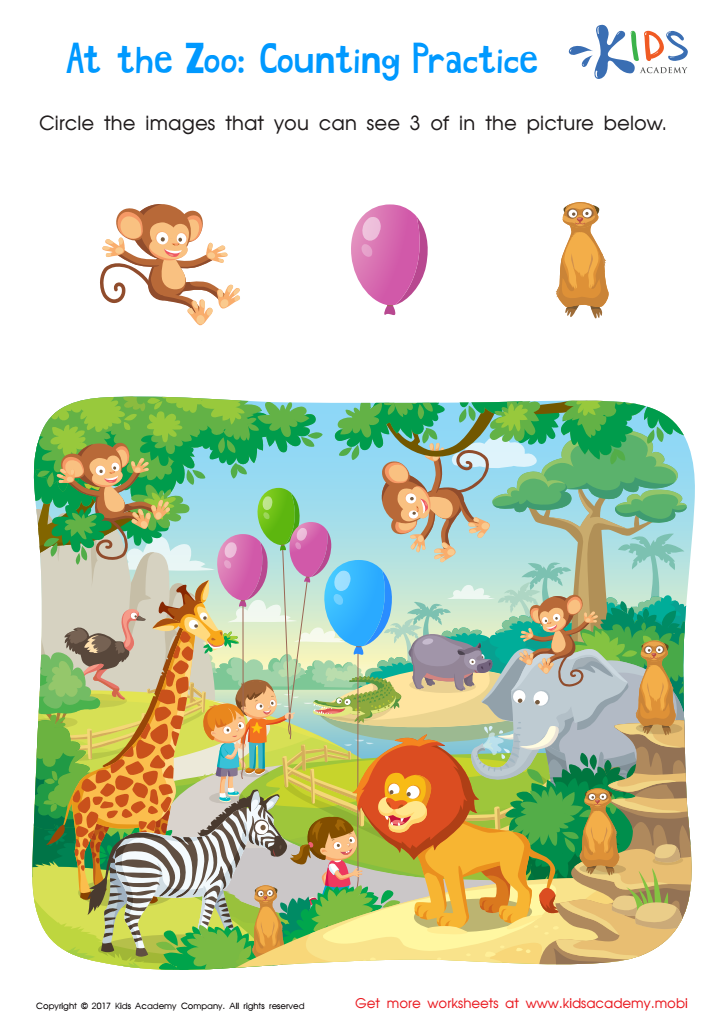
At the Zoo: Counting Practice Worksheet
 Assign to My Students
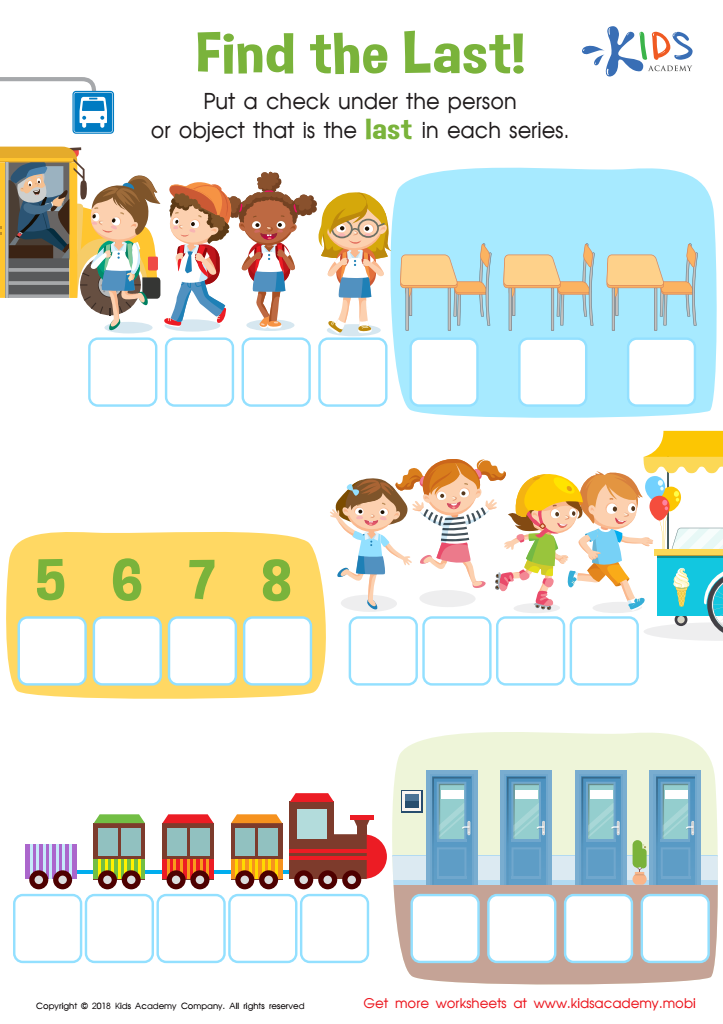
Find the Last! Worksheet
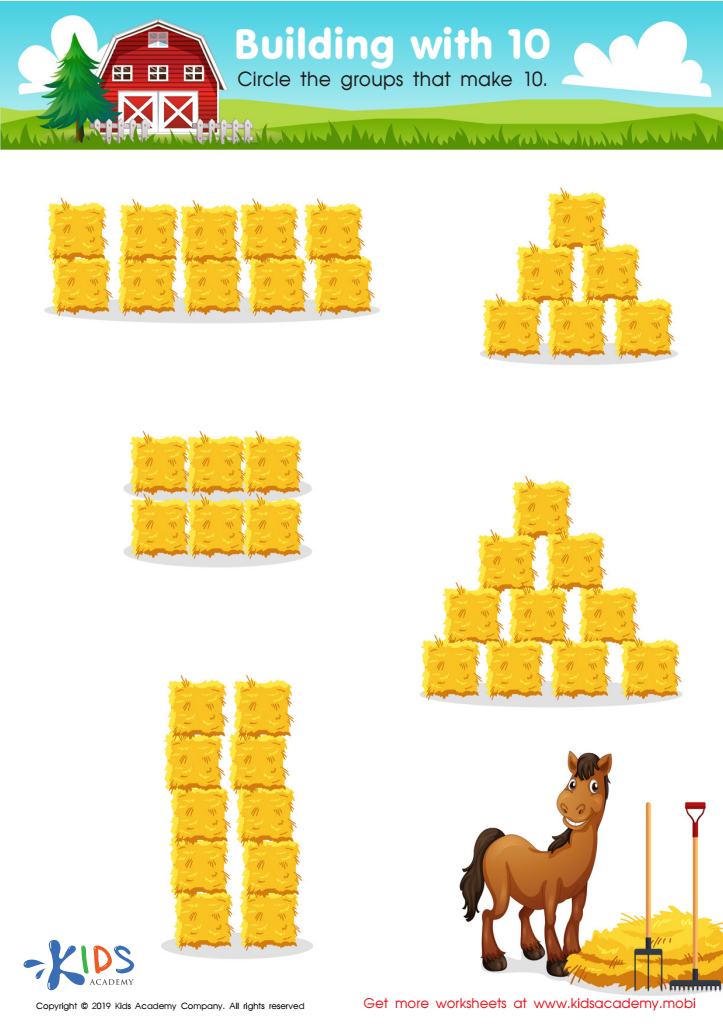
Building with 10 Worksheet
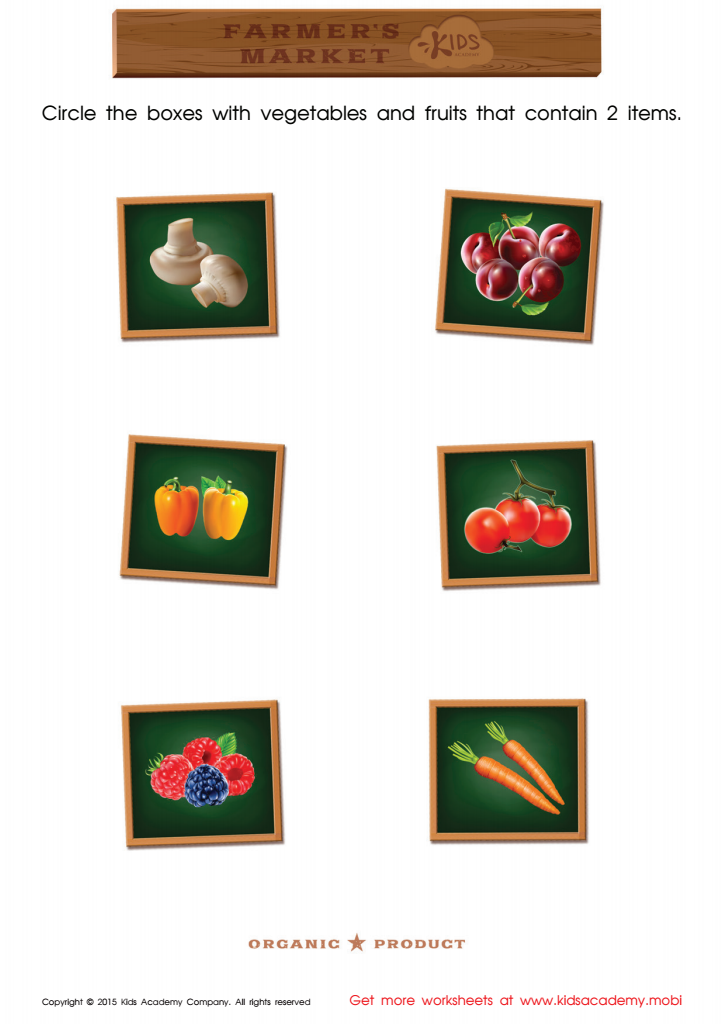
Count and Match Vegetables and Points Math Worksheet
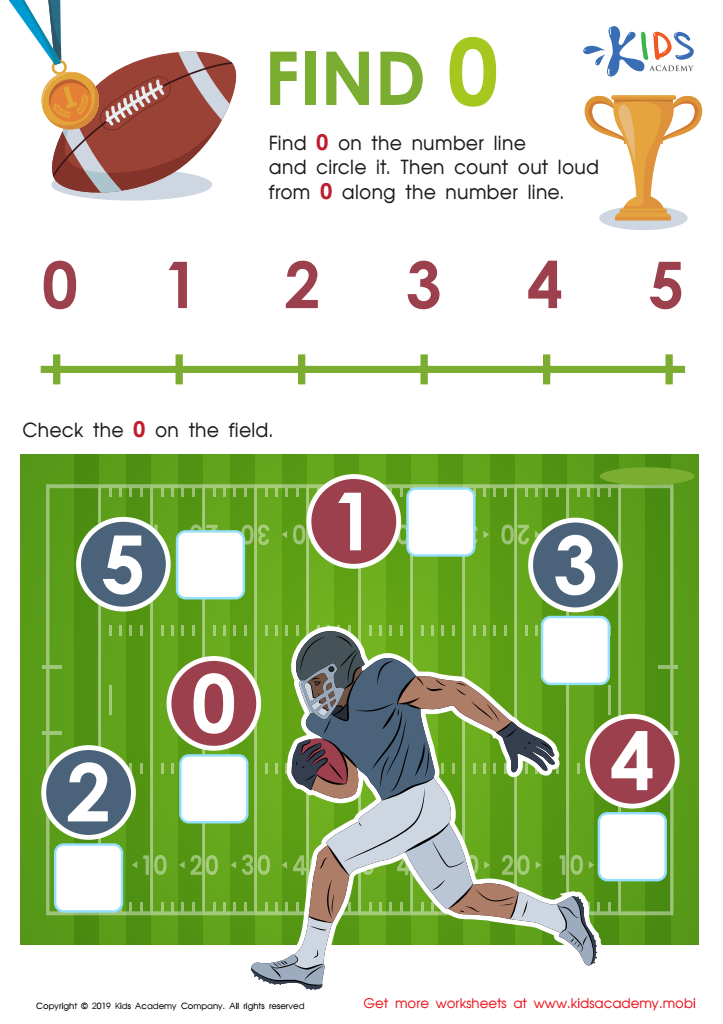
Find 0 Worksheet
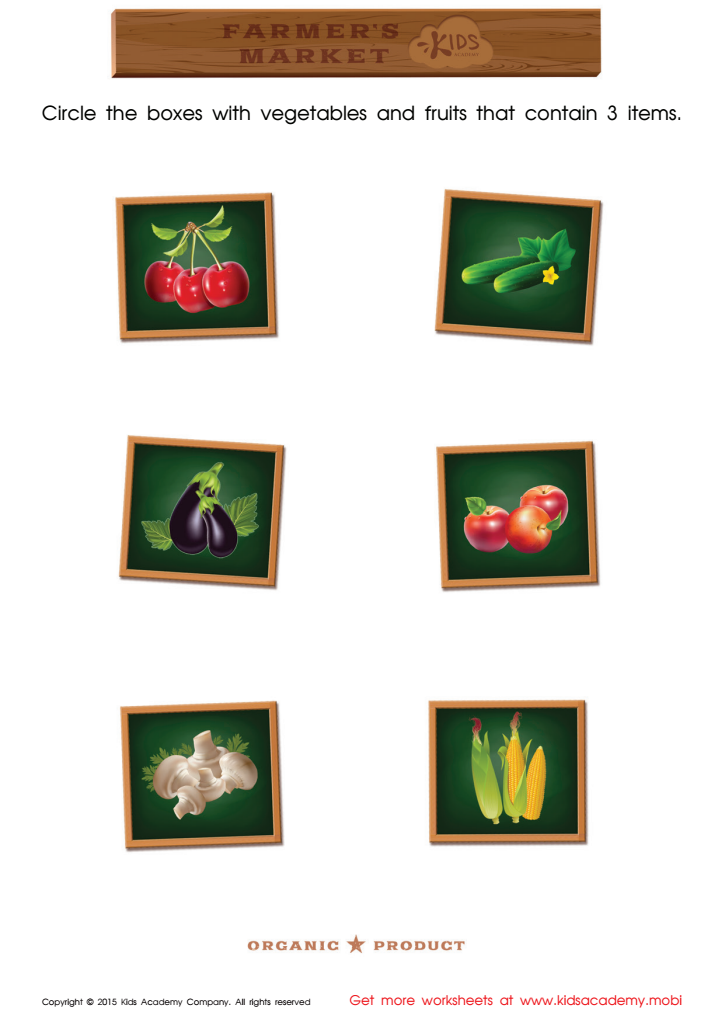
Count and Match Vegetables 1 – 5 Math Worksheet








Parents and teachers should prioritize teaching basic math skills with normal numbers 0–10 to children aged 3-5 because these foundational skills are crucial for cognitive and developmental growth. Early exposure to numbers and counting helps children develop essential mathematical concepts, which serve as the building blocks for future learning in math and related subjects.
At this age, children gain valuable skills such as recognizing numbers, counting objects, and understanding one-to-one correspondence, which boosts their problem-solving and critical-thinking abilities. Early math experiences foster confidence and a positive attitude towards learning, making it easier for children to engage in more complex mathematical concepts later on.
Furthermore, mathematical skills are intertwined with language and literacy development. Discussing numbers and counting enhances vocabulary and communication skills, encouraging social interaction through shared learning experiences.
In a broader perspective, foundational math skills can improve daily life skills, such as recognizing quantities and understanding time. By nurturing these basic math abilities, parents and teachers set the stage for academic success, helping children navigate the world with confidence and prepared for future educational opportunities. Thus, dedicating time to teach numbers 0-10 is a worthwhile investment in a child’s holistic development.