
Color recognition Normal Reading Worksheets for Ages 3-5
3 filtered results
Difficulty Level
Grade
Age
-
From - To
Subject
Activity
Standards
Explore our engaging Color Recognition Normal Reading Worksheets, specially designed for children aged 3-5! These vibrant, interactive sheets aim to sharpen your little one’s color identification skills while promoting early literacy. Each worksheet features delightful illustrations and fun activities that encourage kids to recognize and name colors, fostering both educational development and creativity. Perfect for at-home learning or classroom use, our worksheets make reading and learning a joyful experience. Help your child build a strong foundation in language and visual perception as they playfully explore colors. Start your child's learning adventure today with our colorful and captivating worksheets!
Favorites
With answer key
Interactive
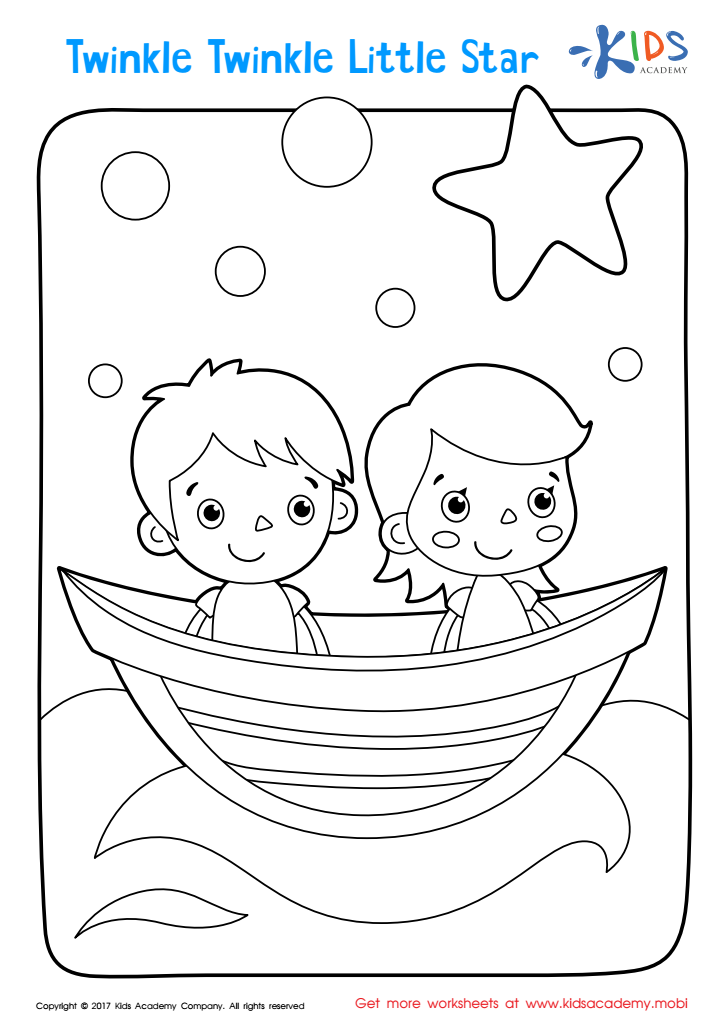
Twinkle Twinkle Little Star Coloring Page
Let your child wish upon a star as they color this scene of boy and girl stargazing. Sing Twinkle Twinkle Little Star while they choose colors to show the star twinkling in the night sky.
Download (PDF)
 Assign to My Students
Assign to My Students
Twinkle Twinkle Little Star Coloring Page
Worksheet
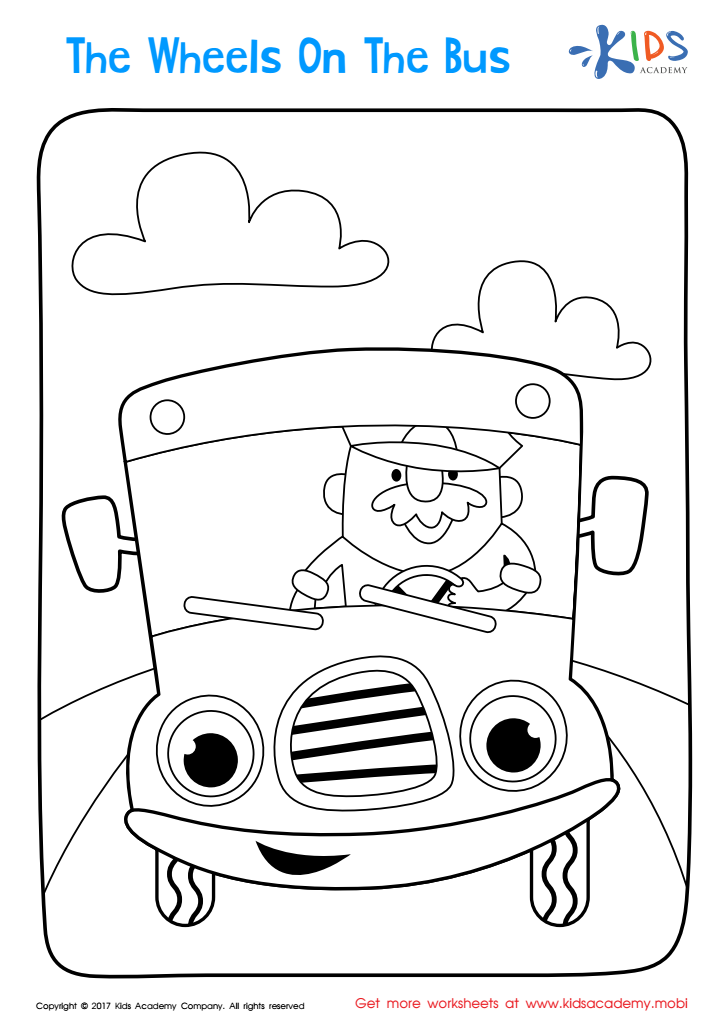
The Wheels on the Bus Coloring Page
Colour and sing with this printable Wheels on the Bus page! Let your child have fun singing the song with you as they colour. It'll make the activity even more entertaining and memorable.
Download (PDF)
Assign to My Students
Assign to My Students
The Wheels on the Bus Coloring Page
Worksheet
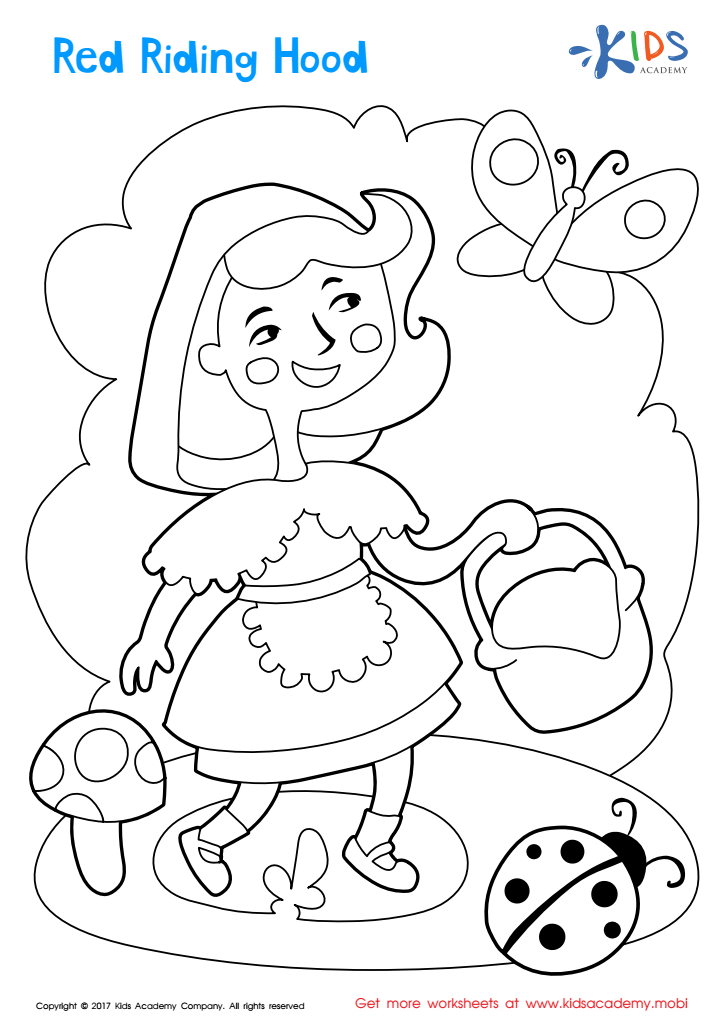
Red Riding Hood Coloring Page
Red Riding Hood awaits in the woods, with a butterfly, mushroom, and ladybug around her. Let your child bring the story to life with this magical printable coloring page. Fairytale fun for all!
Download (PDF)
Assign to My Students
Assign to My Students
Red Riding Hood Coloring Page
Worksheet
Join Kids Academy for Free
Who is primarily going to use this learning content?






.jpg)

Color recognition is a fundamental skill for children ages 3-5 that plays a crucial role in their overall development. For parents and teachers, understanding the importance of this skill is key to nurturing young learners effectively. Mastering color recognition not only aids in early literacy, but also enhances cognitive development, language acquisition, and problem-solving skills.
At this tender age, children navigate their world largely through exploration and play. Recognizing colors enables them to identify and categorize objects, which lays the groundwork for critical thinking. Moreover, color words enrich their vocabulary, encouraging communication and language skills. For example, describing their artwork or favorite toys helps children express themselves and connect with peers and adults.
Additionally, teaching color recognition engages children socially and emotionally. Activities that involve colors often foster creativity and self-expression, promoting confidence and enjoyment in learning. As teachers and parents reinforce color identification in everyday interactions—like during outdoor play or art projects—they create a rich, engaging environment.
In summary, promoting color recognition in early childhood not only squashes reading-related obstacles but also cultivates essential life skills, making it a vital focus for educators and caregivers.








