Fine Motor Skills Normal Writing Worksheets for Ages 3-5
5 filtered results
-
From - To
Our "Fine Motor Skills Normal Writing Worksheets for Ages 3-5" are designed to cultivate essential writing abilities in young learners. These engaging and age-appropriate worksheets focus on developing hand-eye coordination, pencil control, and fine motor precision, fundamental for successful writing. Filled with diverse tracing exercises, shapes, and lines, they enhance dexterity while making learning enjoyable. Perfect for early childhood education, these printable resources are excellent for both homeschooling and classroom environments. Encourage your child to build strong writing foundations with our expertly crafted worksheets, tailored to support their natural developmental milestones. Explore, practice, and watch their skills flourish.
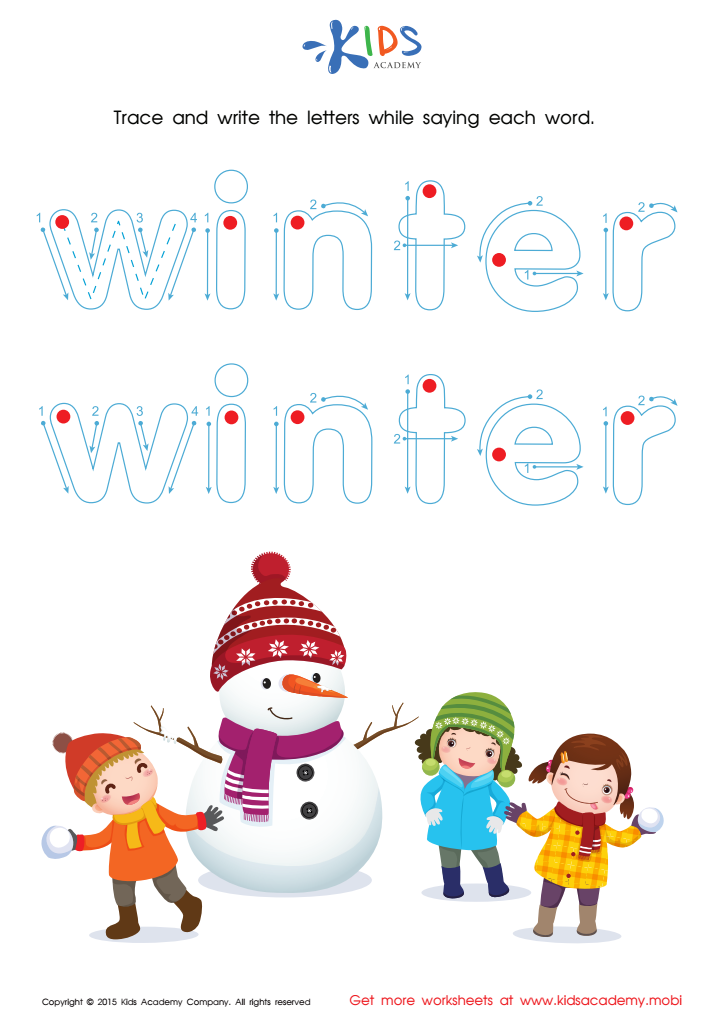
Snowman Tracing Winter Words Worksheet
 Assign to My Students
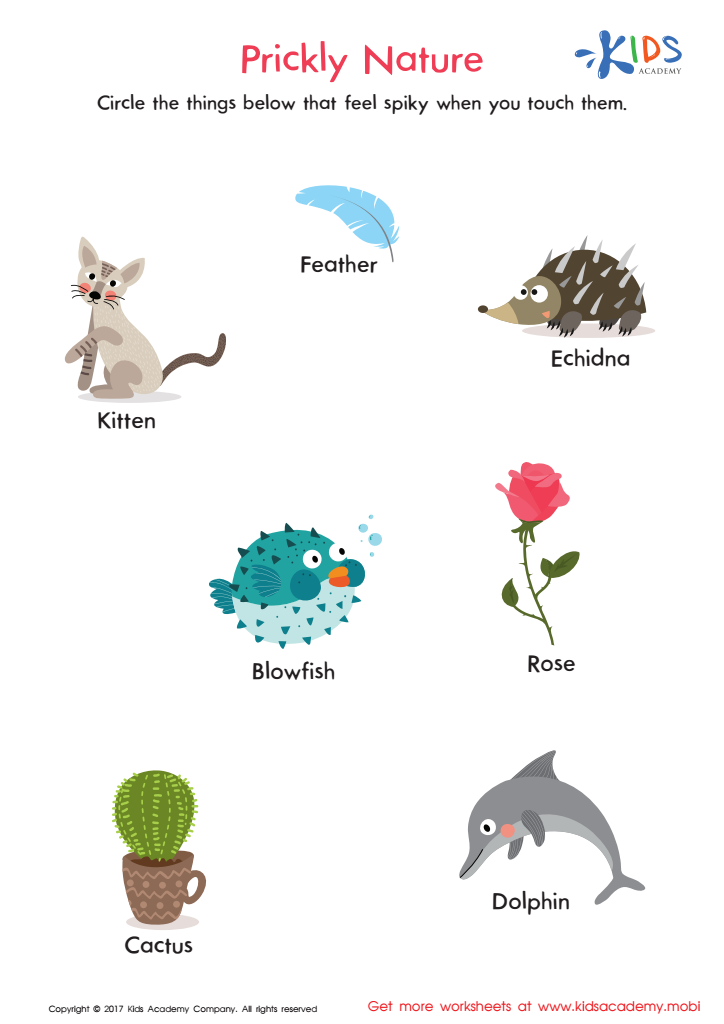
Prickly Nature Worksheet
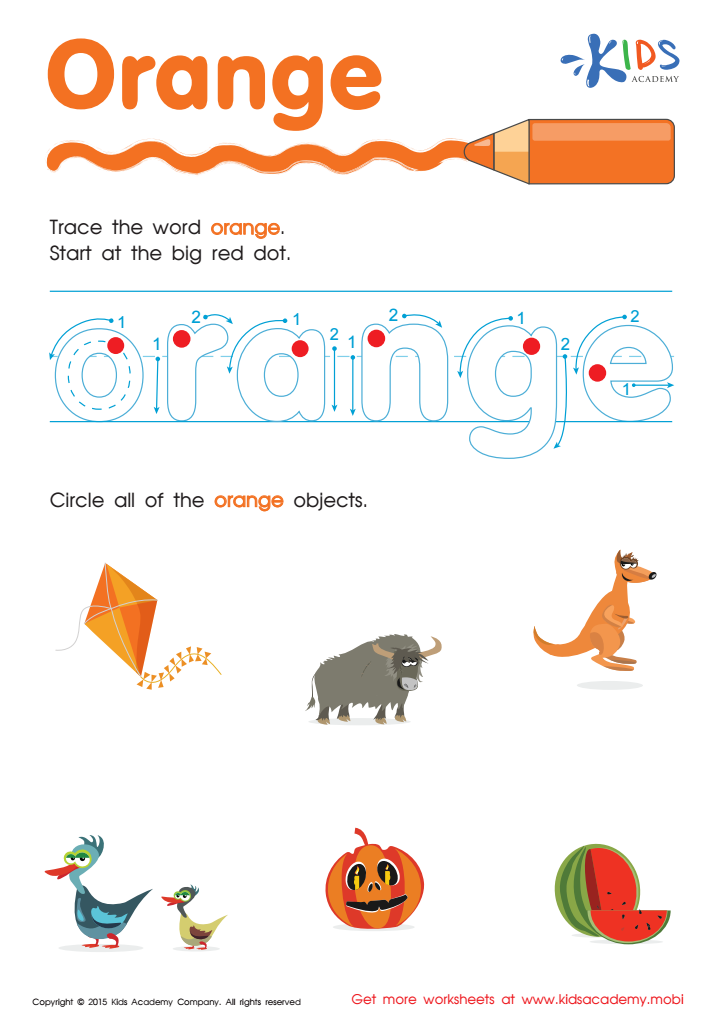
Orange Tracing Color Words Worksheet
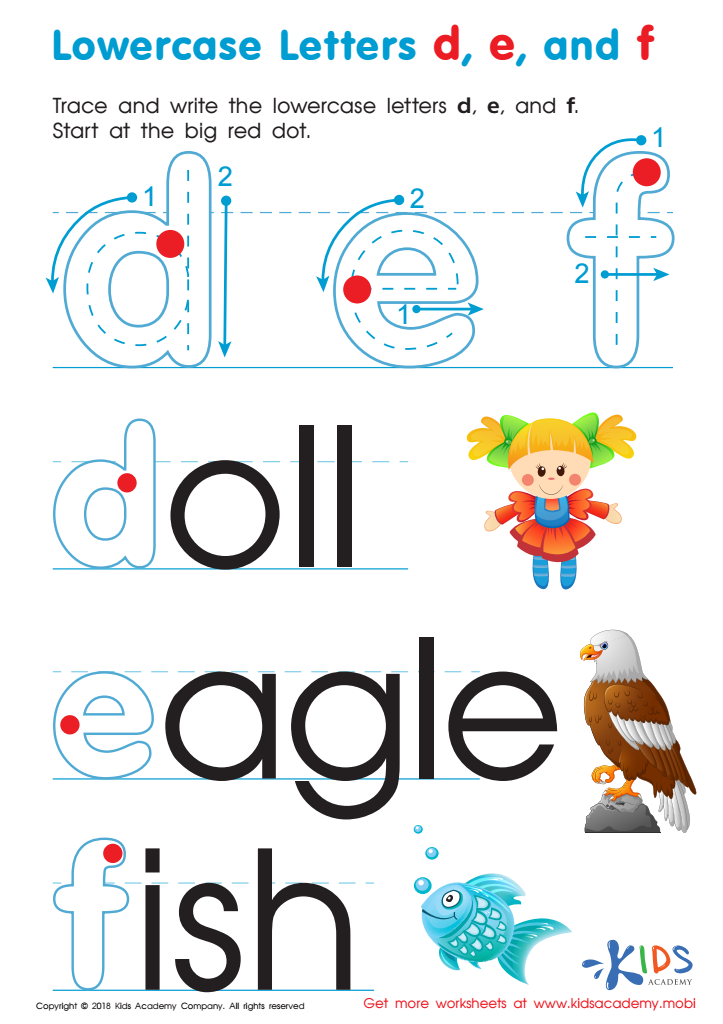
Lowercase Letters d e f Worksheet

White Tracing Color Words Worksheet








Fine motor skills are crucial for the development of young children, especially those between the ages of 3-5. These skills involve the coordination of small muscles, particularly in the hands and fingers, and are essential for performing everyday tasks such as buttoning a shirt, using utensils, and writing. By the time children are 3-5 years old, their ability to write improves significantly, which directly impacts their academic readiness and success in school.
Parents and teachers should pay close attention to fine motor skills because they lay the foundation for effective handwriting. Proficient handwriting is fundamental for young learners as it promotes literacy and cognitive development. Children with well-developed fine motor skills are more likely to perform better in tasks that require precision and control, like coloring within lines, cutting with scissors, and forming letters correctly.
Moreover, nurturing fine motor skills builds confidence and independence in children. When children can manage tasks on their own, they feel more competent and are likely to tackle new challenges with a positive attitude. Activities such as playing with clay, threading beads, and practicing with tweezers can all contribute to strengthening these skills.
In summary, the focus on fine motor skills not only supports academic and developmental milestones but also fosters a sense of achievement and self-sufficiency in young children, setting them up for future success.