Phonics improvement Normal Alphabet Worksheets for Ages 3-6
3 filtered results
-
From - To
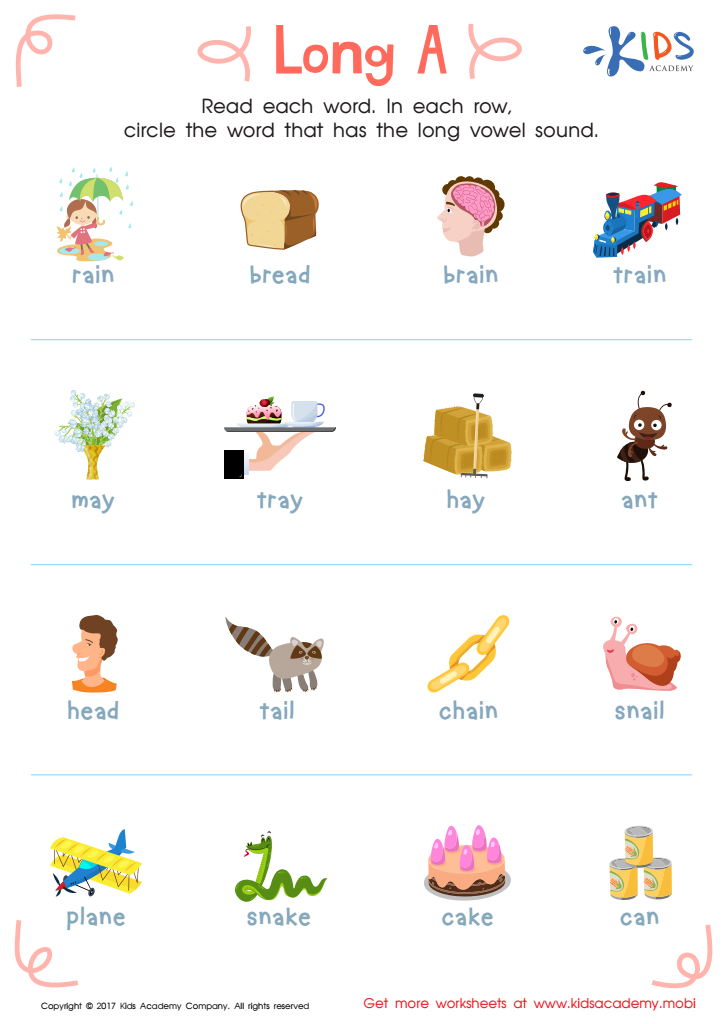
Enhance your child's reading skills with our Phonics Improvement Normal Alphabet Worksheets, specially designed for ages 3-6. These engaging worksheets provide a fun and interactive way for young learners to develop their phonetic awareness, letter recognition, and vocabulary. Each worksheet features colorful illustrations and age-appropriate exercises that keep your little ones motivated and excited to learn. Ideal for homeschooling or supplementary practice, our resources are perfect for laying a strong foundation in phonics, crucial for early literacy development. Help your child become a confident reader with these carefully crafted worksheets that make learning an enjoyable adventure!

I Stands High Worksheet
 Assign to My Students
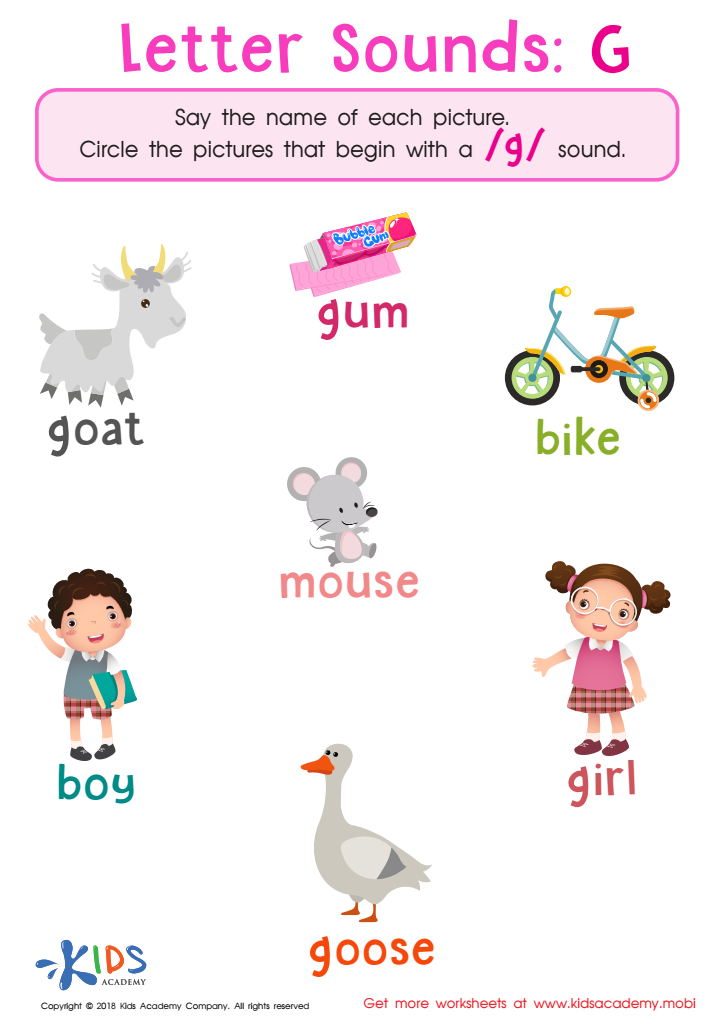
Letter G Sounds Worksheet







Phonics improvement is crucial for children aged 3-6 as it lays the foundation for reading and writing proficiency. During these formative years, children are rapidly developing language skills. A strong grasp of phonics helps them understand the relationship between letters and sounds, making it easier for them to decode words. This skill is essential for reading fluency and comprehension, which are vital not just in literacy, but across all areas of learning.
Parents and teachers play a pivotal role in this early stage. By fostering a positive learning environment that emphasizes phonics, they can enhance children's confidence and motivation to read. Engaging activities based on phonics not only make learning fun but also enable children to apply their skills in real-world contexts.
Additionally, children who struggle with phonics early on may face challenges later, leading to difficulties in school and possible long-term implications for their educational journey. Supporting phonics improvement ensures that all children have equal access to learning opportunities. In summary, prioritizing phonics enhances cognitive development, fuels academic success, and cultivates a lifelong love for reading, making it essential for parents and teachers to be actively involved in this critical area of literacy development.







