Enhance your child's writing skills with our engaging Normal Alphabet Worksheets designed for ages 3-6. These worksheets offer a fun and interactive way for young learners to practice letter formation, improve fine motor skills, and develop handwriting proficiency. Each worksheet focuses on individual letters, featuring tracing exercises and creative activities that keep children motivated and excited about learning. Ideal for home or classroom use, our resources cultivate a strong foundation in literacy while fostering creativity. Download these worksheets today and watch your child gain confidence in their writing abilities as they explore the world of letters!

Check out this FREE Trial Lesson on Alphabet for age 3-6!

A

Favorites
With answer key
Interactive
  • 3-6
  • Writing practice
  • Alphabet
  • Normal
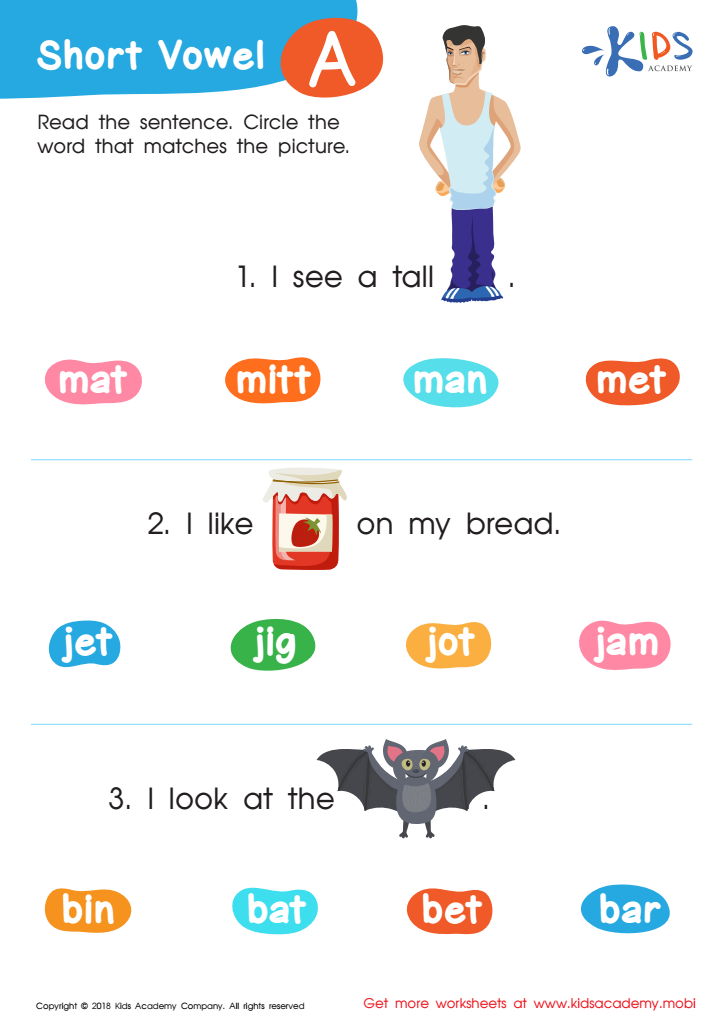
Short Vowel /a/ Worksheet

Short Vowel /a/ Worksheet

This free PDF helps new readers use sight words and pictures to read basic sentences. Then, they use accompanying word choices to find the correct word with the short a vowel sound. A key early reading skill, discriminating between short vowel sounds can be tricky in monosyllabic words, so use this PDF to help your reader reinforce it.
Short Vowel /a/ Worksheet
Worksheet
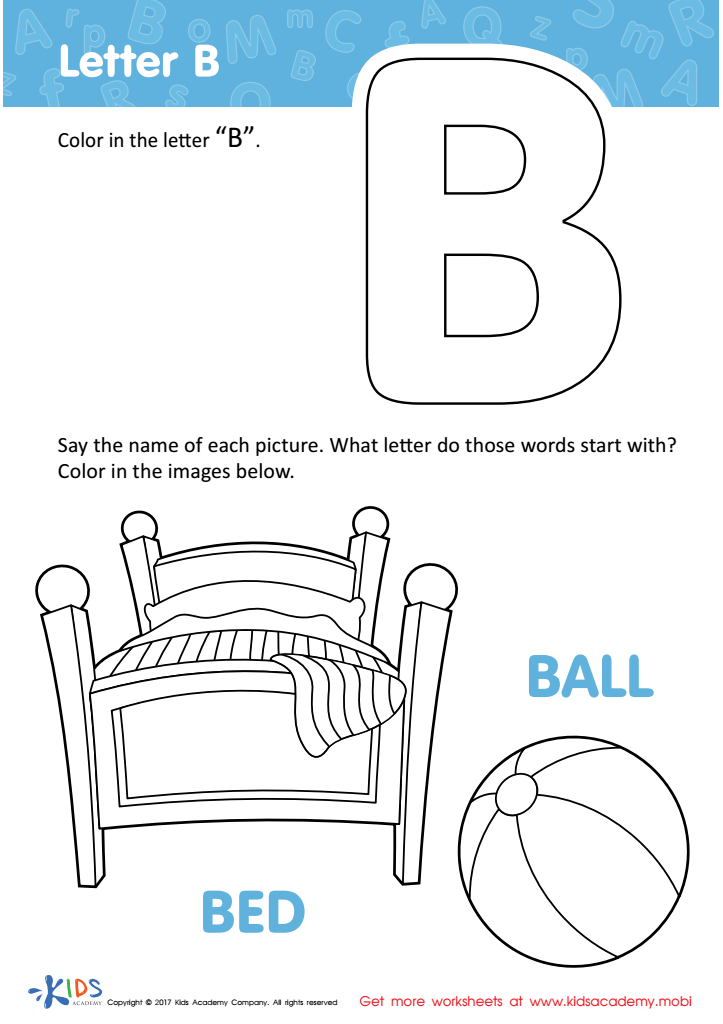
Letter B Coloring Page

Letter B Coloring Sheet

Kids will love coloring this page that features things they like - balls, bubbles, bugs and bedtime - all words starting with "B"! It's a great way to introduce the alphabet and increase their exposure to letters and sounds. Let them have fun and learn at the same time!
Download (PDF)
Assign to My Students
Letter B Coloring Sheet
Worksheet
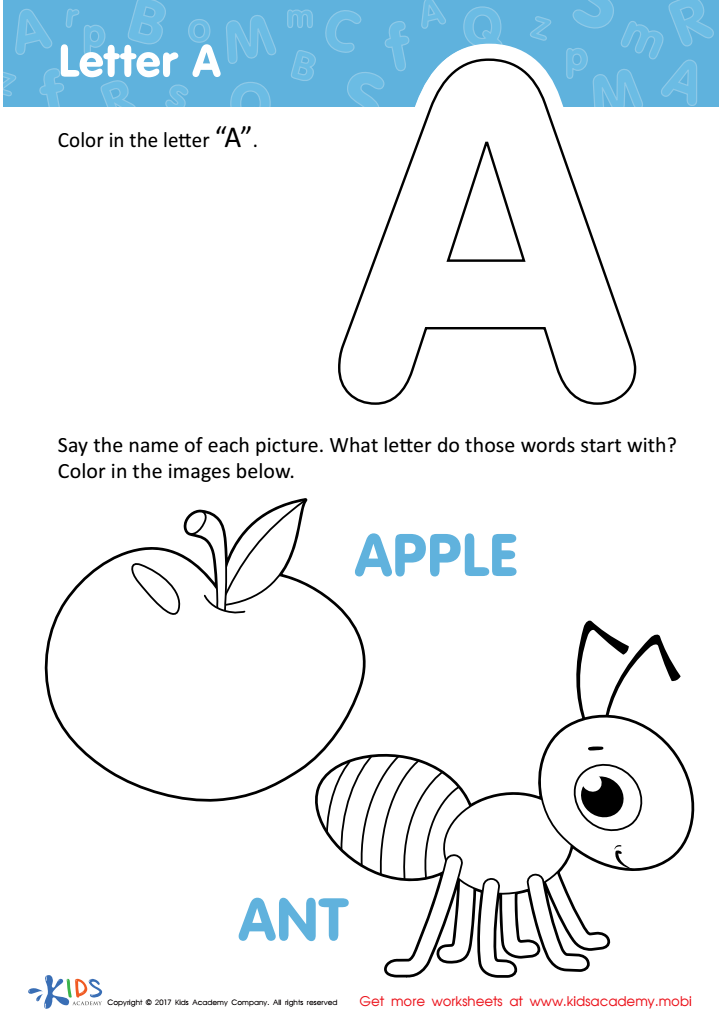
Letter a Coloring Page

Letter A Coloring Sheet

This letter "A" coloring page is great for introducing kids to the alphabet! Let them exercise their creativity while they learn to recognize letters and sounds - it's a fun and easy way to help them get started.
Download (PDF)
Assign to My Students
Letter A Coloring Sheet
Worksheet
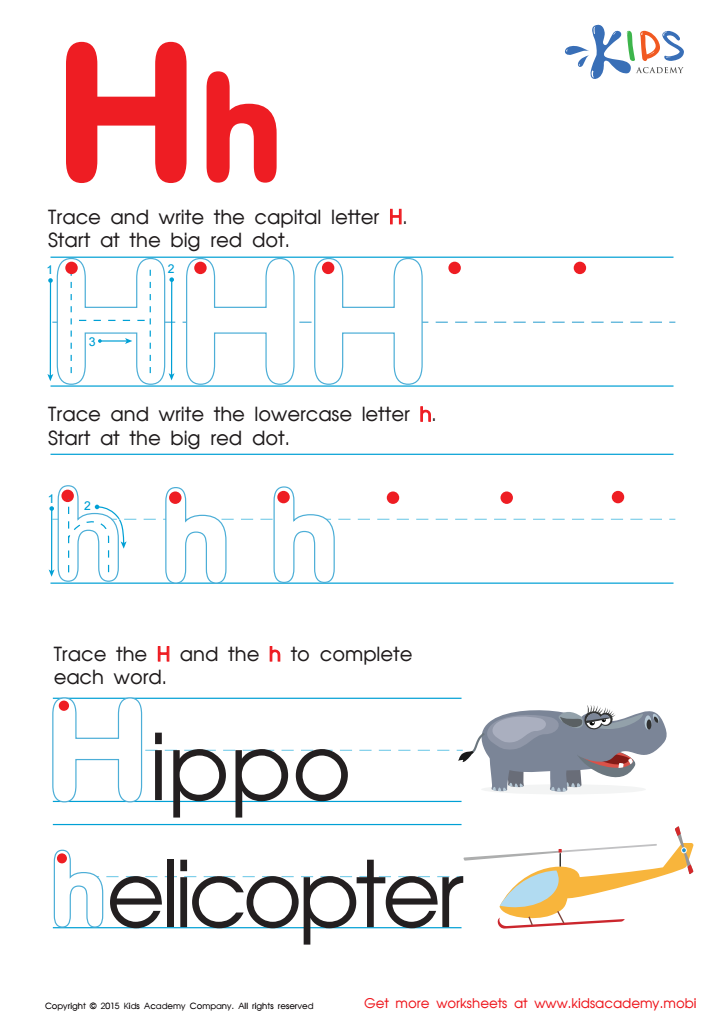
Letter H worksheets
Letter H worksheets

Letter H Tracing Page

Trace the letter "H", then practice writing its lowercase form. Finally, choose your favorite form of transport and ride away! Get our worksheets to make learning fun and easy.
Letter H Tracing Page
Worksheet
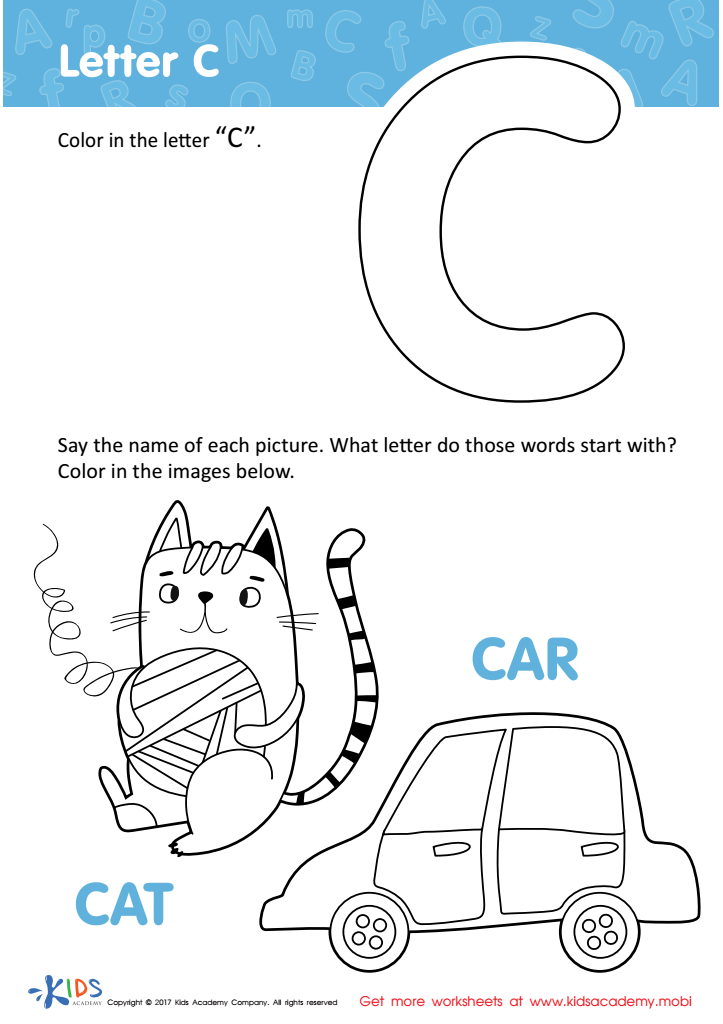
Letter C Coloring Page

Letter C Coloring Sheet

Introduce kids to the letter 'C' with this fun coloring page! Exposing little ones to letters, words, and sounds helps them learn long before they can read. Start with simple words like 'cat' and 'car' - these are great first sight words for young children.
Download (PDF)
Assign to My Students
Letter C Coloring Sheet
Worksheet
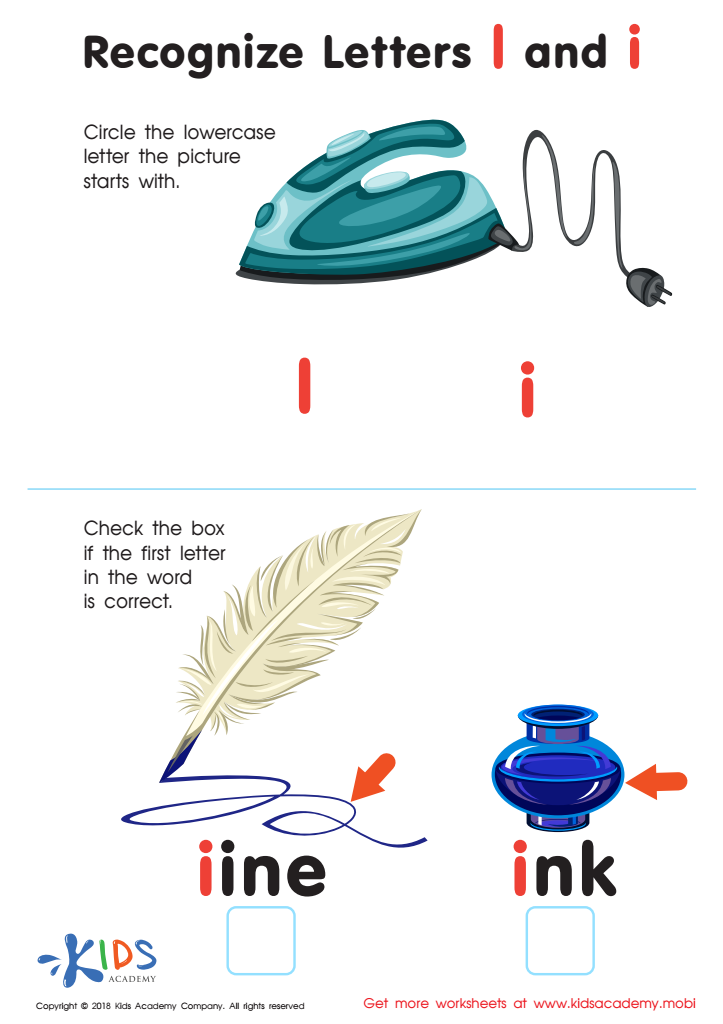
Recognize Letters l and i Worksheet

Recognize Letters l and i Worksheet

Help your child become familiar with uppercase and lowercase letters. Have them look at the pictures in the worksheet and circle the lowercase letter the picture starts with. For example: which one is the lowercase "i", the capital "I" or the small "i"?
Recognize Letters l and i Worksheet
Worksheet
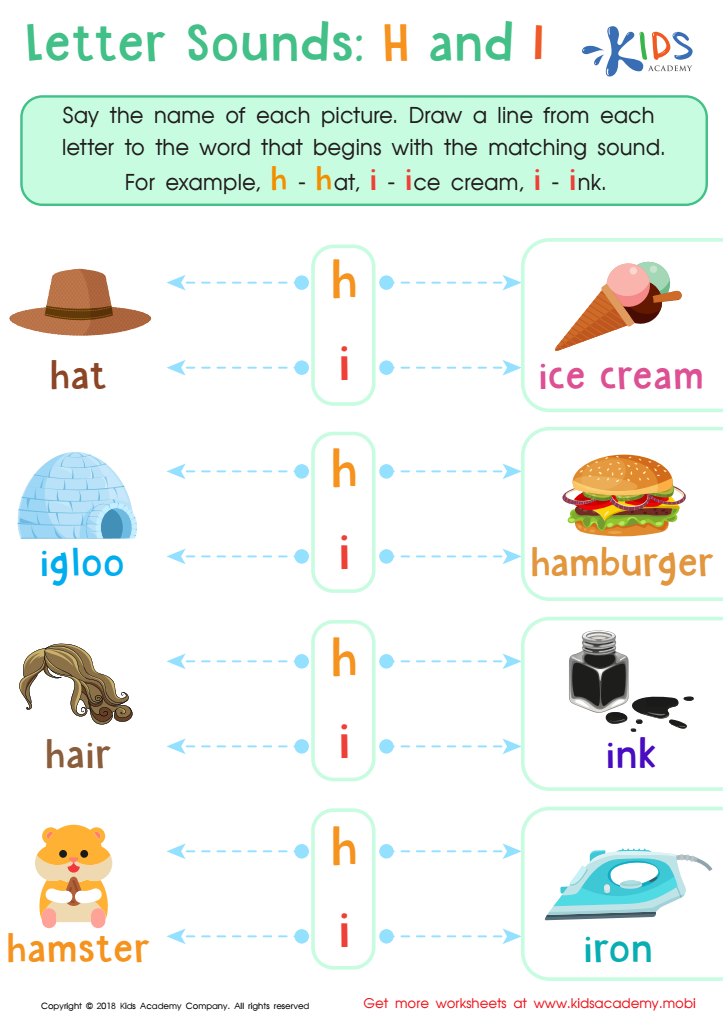
Letter H and I Sounds Worksheet


Letter H and I Sounds Worksheet

Preschoolers will have fun and develop reading and writing skills at the same time! They'll use pictures to recognize familiar words and differentiate between 'H' and 'I' sounds. Then they'll trace lines to connect each sound to the picture, improving their fine-motor skills. Bright and cheerful visuals make learning a breeze!
Letter H and I Sounds Worksheet

Worksheet


Writing practice with the normal alphabet for children aged 3-6 is essential for several reasons. At this developmental stage, children are not just learning letters; they are also honing fine motor skills, hand-eye coordination, and cognitive abilities. Engaging in writing activities helps boost their confidence and fosters a sense of achievement as they see their progress.

One key reason parents and teachers should prioritize writing practice is that it lays the foundation for literacy. Familiarity with the alphabet through writing allows young learners to understand phonetics, which is critical for reading. This skill translates into better communication abilities, impacting their social interactions and academic performance.

Furthermore, writing practice nurtures creativity and self-expression. Encouraging children to create their own stories or describe their experiences enhances their imaginative capabilities, which are vital aspects of cognitive development.

Building a positive attitude towards writing early on will help cultivate a lifelong love for learning, making children more eager to explore new ideas and concepts. Overall, prioritizing writing practice at an early age offers a comprehensive approach to child development, shaping well-rounded and competent individuals ready for the challenges ahead.