Alphabet Recognition Normal Letter Recognition Worksheets for Ages 3-6 - Page 2
30 filtered results
-
From - To
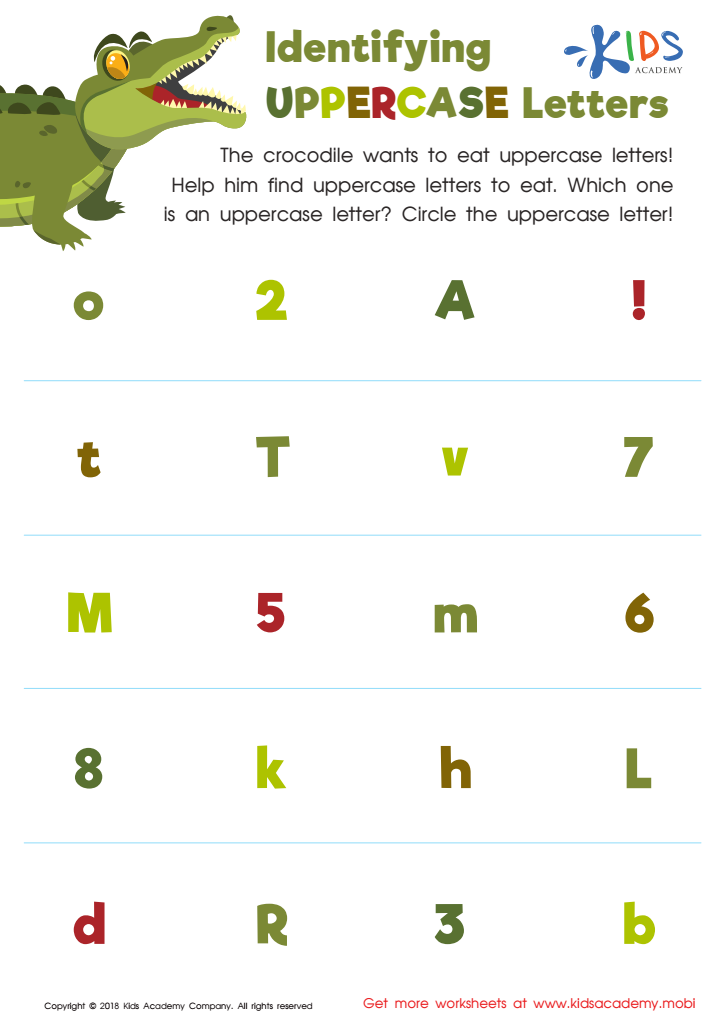
Identifying Uppercase Letters Worksheet
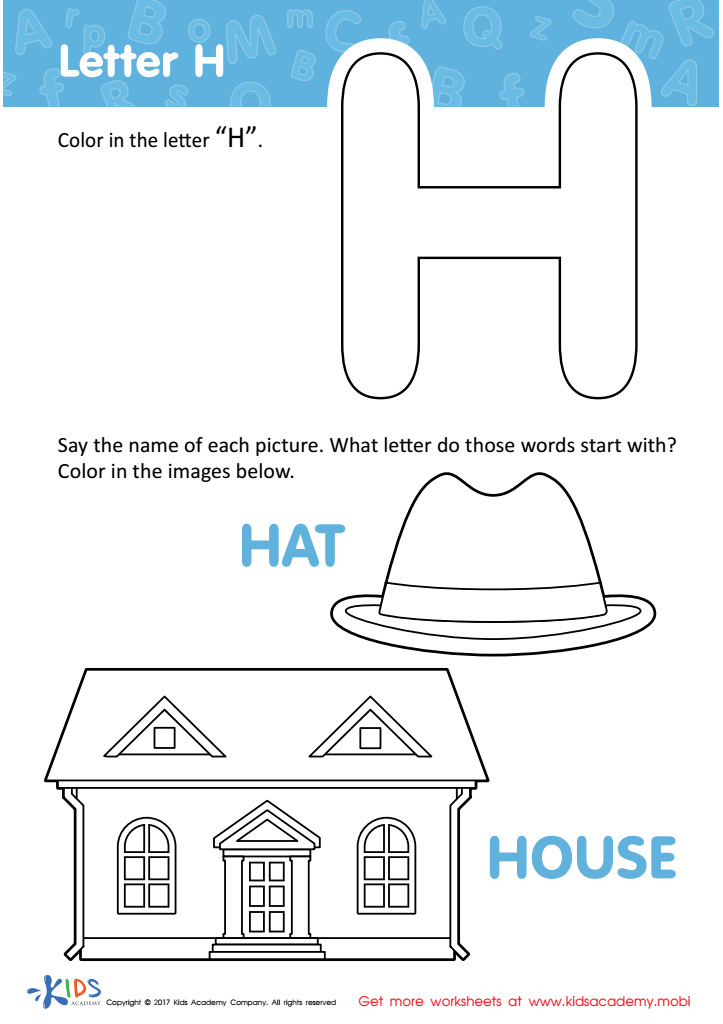
Letter H Coloring Sheet
 Assign to My Students
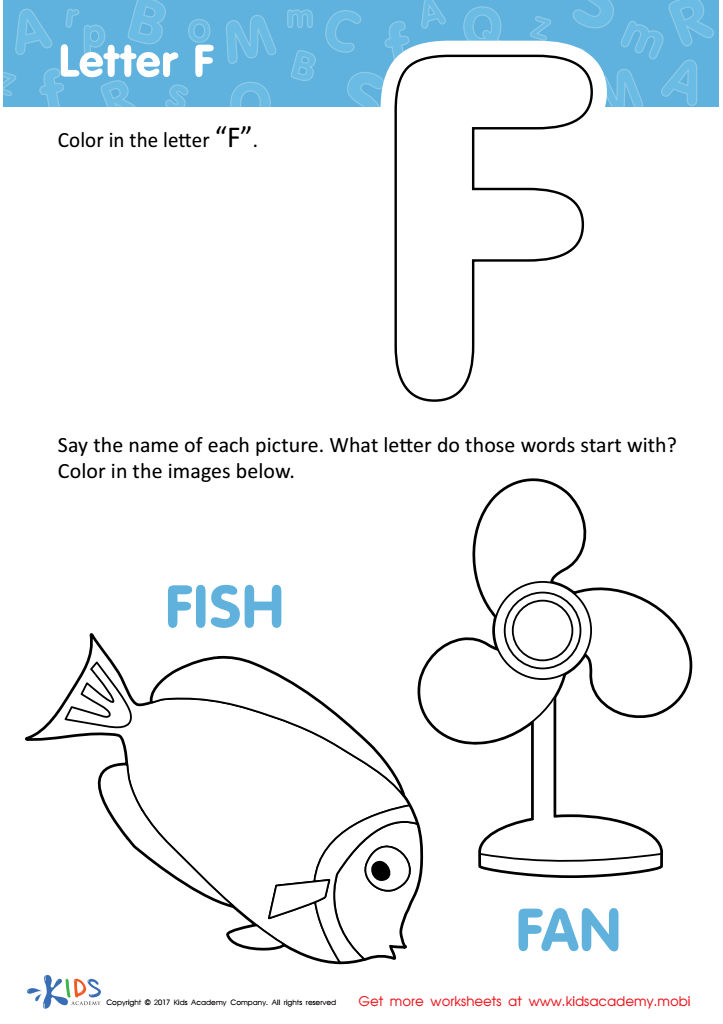
Letter F Coloring Sheet
Assign to My Students
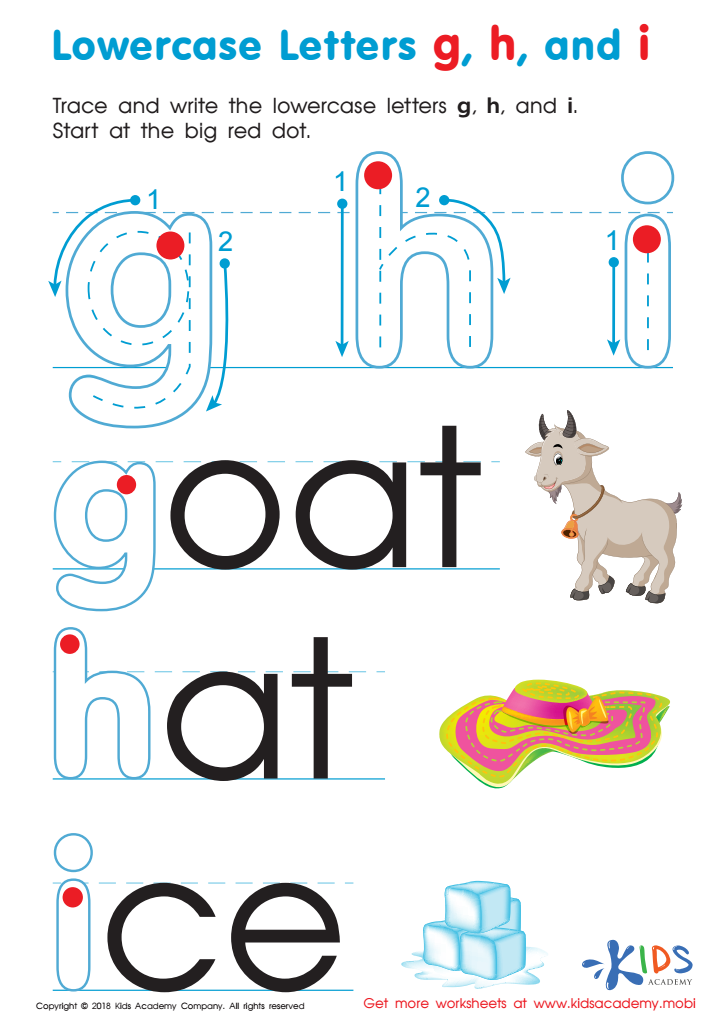
Lowercase Letters g h i Worksheet
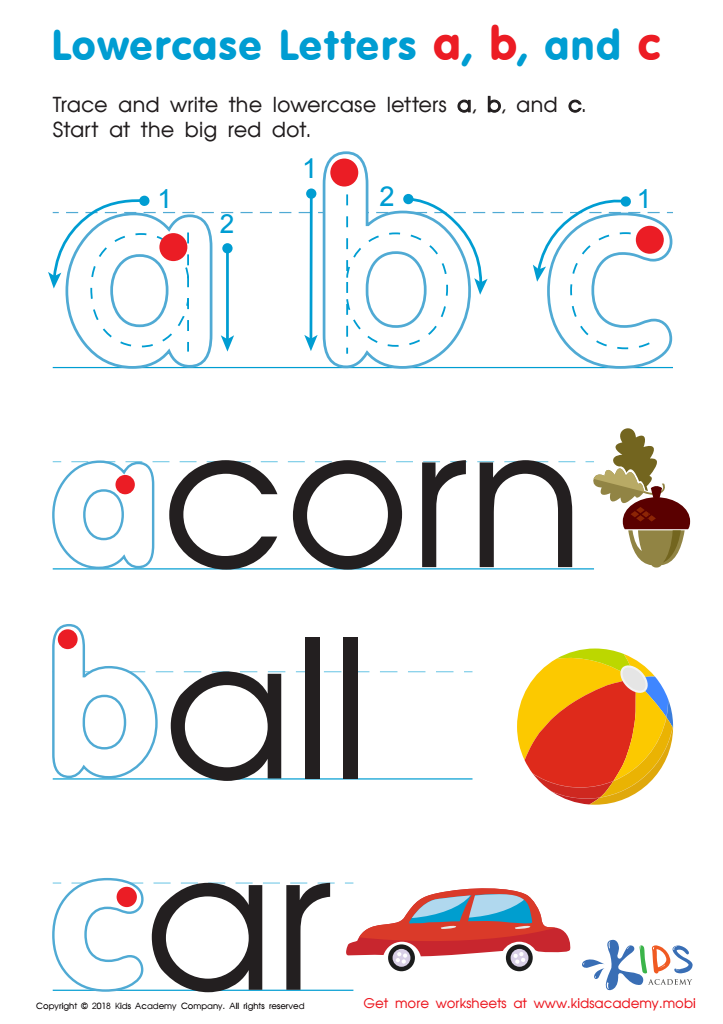
Lowercase Letters a b c Worksheet

Uppercase Letters V, W, and X Worksheet








Alphabet recognition and letter recognition are fundamental skills for children aged 3-6, serving as the building blocks for literacy development. During these early formative years, children are naturally curious and eager to learn about their environment. Teaching them to recognize letters helps them understand that letters and words represent meaning, which is essential for effective communication.
Parents and teachers should care about alphabet recognition because it lays the groundwork for reading and writing skills. When children can identify both the uppercase and lowercase letters, they are better equipped to decode words, enhancing their vocabulary and comprehension as they progress in their education. This recognition not only boosts their confidence but also instills a love for reading.
Additionally, proficiency in letter recognition helps foster critical thinking and problem-solving skills as students learn to connect sounds with letters, paving the way for phonics as they grow. Moreover, early mastery of these skills can help prevent future reading difficulties, reduce frustration, and motivate children to engage more actively in learning. Overall, nurturing alphabet and letter recognition in young children nurtures a strong foundation for academic success and enriches their lifelong learning journey.








