Alphabet sequencing Normal Letter Recognition Worksheets for Ages 3-6
3 filtered results
-
From - To
Introduce your child to the joy of learning with our Alphabet Sequencing Normal Letter Recognition Worksheets for ages 3-6. Designed to build a strong foundation in literacy, these engaging and educational worksheets help young learners recognize and sequence letters in the correct order. Through fun and interactive activities, children enhance their letter identification skills, paving the way for reading readiness. Perfect for preschool and kindergarten students, each worksheet combines colorful graphics with thoughtful exercises, making learning enjoyable and effective. Boost your child's confidence as they master the alphabet and embark on their reading journey.
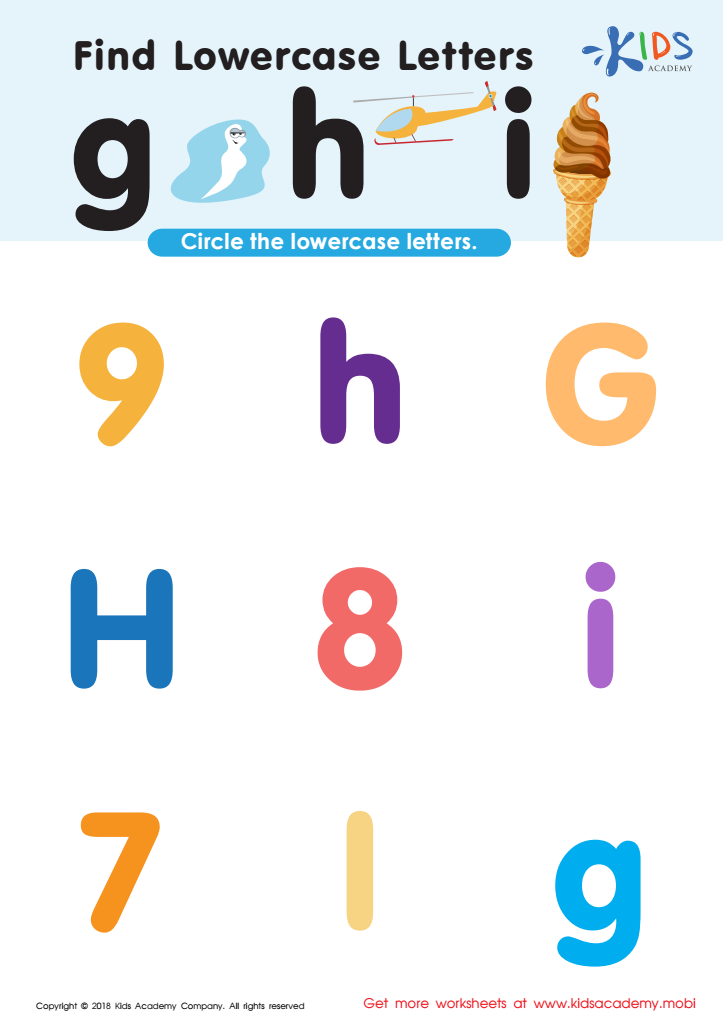
Find Lowercase Letters g h i Worksheet
 Assign to My Students
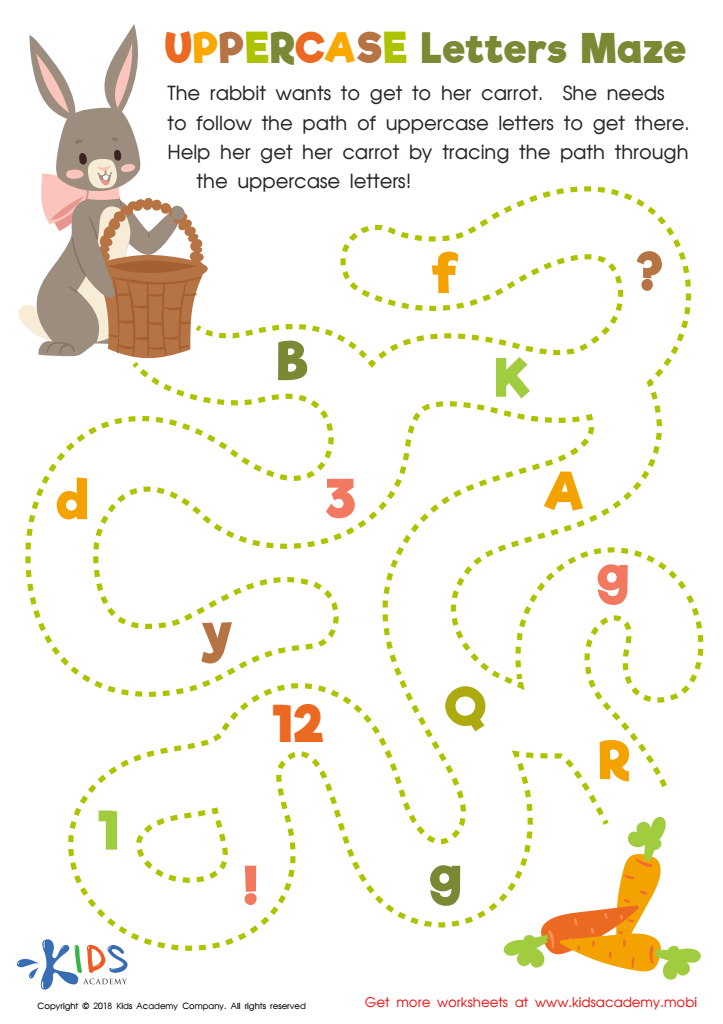
Uppercase Letters Maze Worksheet
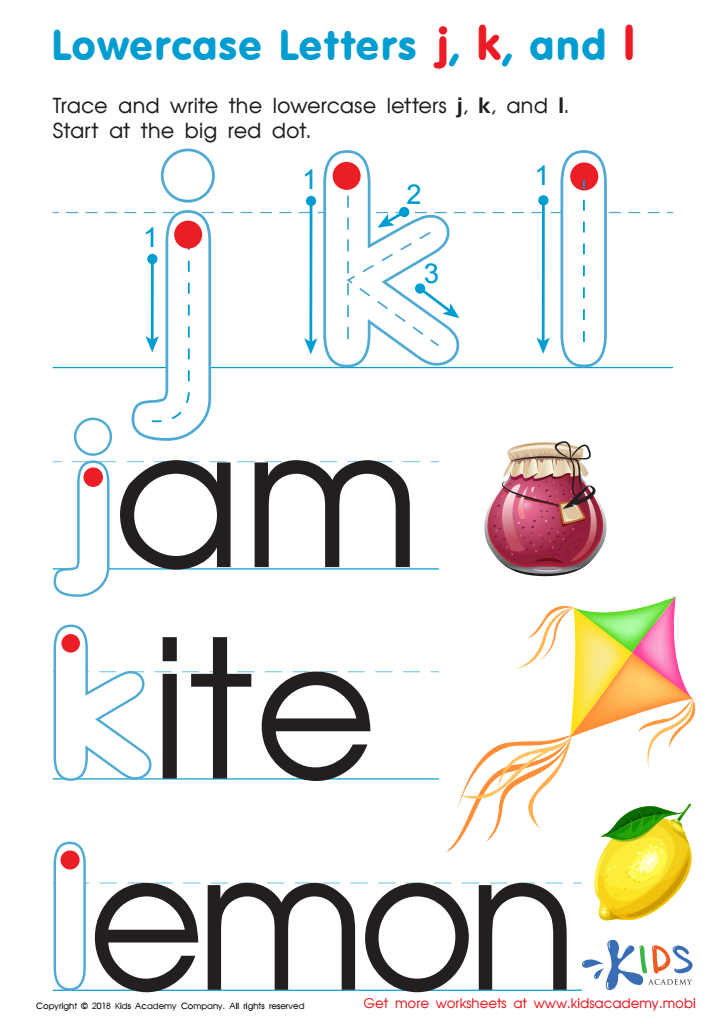
Lowercase Letters j k l Worksheet








Alphabet sequencing and normal letter recognition for ages 3-6 are crucial components in early childhood education. These foundational skills pave the way for successful literacy development by helping children understand the structure and function of language. When parents and teachers emphasize alphabet sequencing, they essentially teach kids that letters follow a specific order, which helps in later tasks like organizing information and recognizing patterns.
Recognizing letters normally involves visually distinguishing each letter and associating it with its corresponding sound. This skill is vital for phonemic awareness, the ability to hear, identify, and manipulate individual sounds in spoken words. Early mastery of these basics equips children with the tools they need for reading fluency and comprehension later on.
Furthermore, these skills strengthen fine motor abilities as children practice writing letters. Strong letter recognition also boosts children's confidence and equips them with the cognitive tools necessary for problem-solving, reasoning, and understanding complex ideas in later academic years.
In essence, laying a strong foundation in alphabet sequencing and letter recognition is critical as it significantly contributes to a child's overall cognitive development, academic success, and love for learning. Addressing these skills early helps prevent possible future difficulties in reading and writing, fostering a positive educational trajectory.








