Reading comprehension Normal Letter Recognition Worksheets for Ages 3-6
6 filtered results
-
From - To
Welcome to our “Reading Comprehension Normal Letter Recognition Worksheets” page, designed specifically for children aged 3-6! Our engaging worksheets help young learners develop essential letter recognition and reading comprehension skills through fun activities. Each printable worksheet features colorful illustrations and interactive exercises that promote cognitive development and literacy skills. Children will enjoy identifying letters, matching them with words, and answering questions that reinforce their understanding. Whether in the classroom or at home, these worksheets provide a valuable resource for fostering a love of reading and learning. Start your child's educational journey today with our exciting and effective resources!
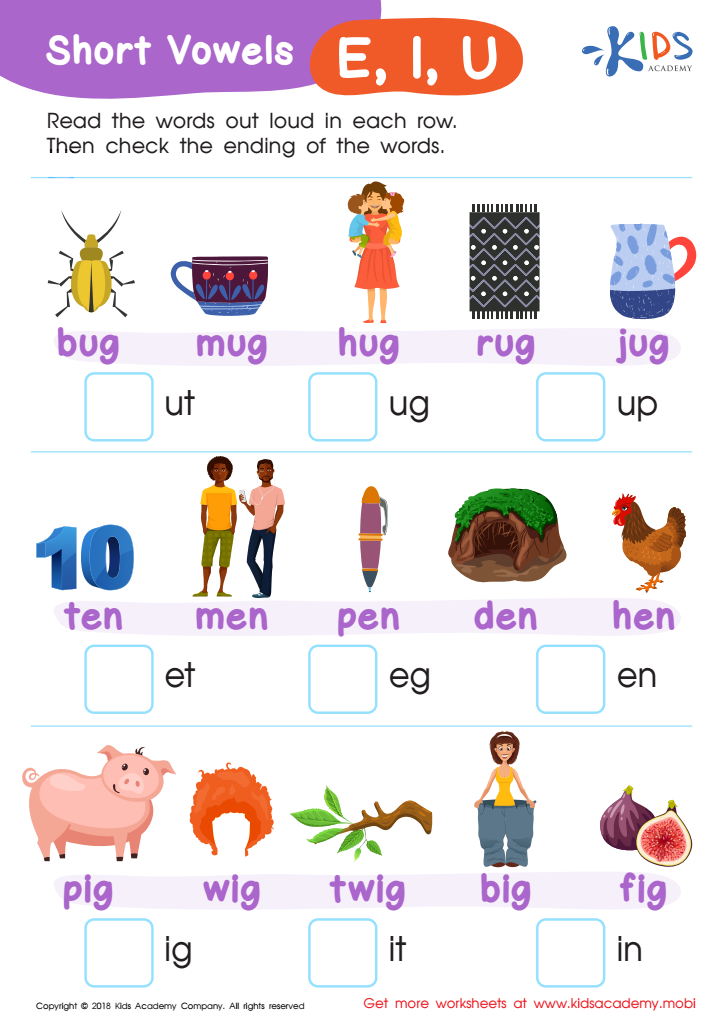
Short Vowels /e/, /i/, and /u/ Worksheet
 Assign to My Students
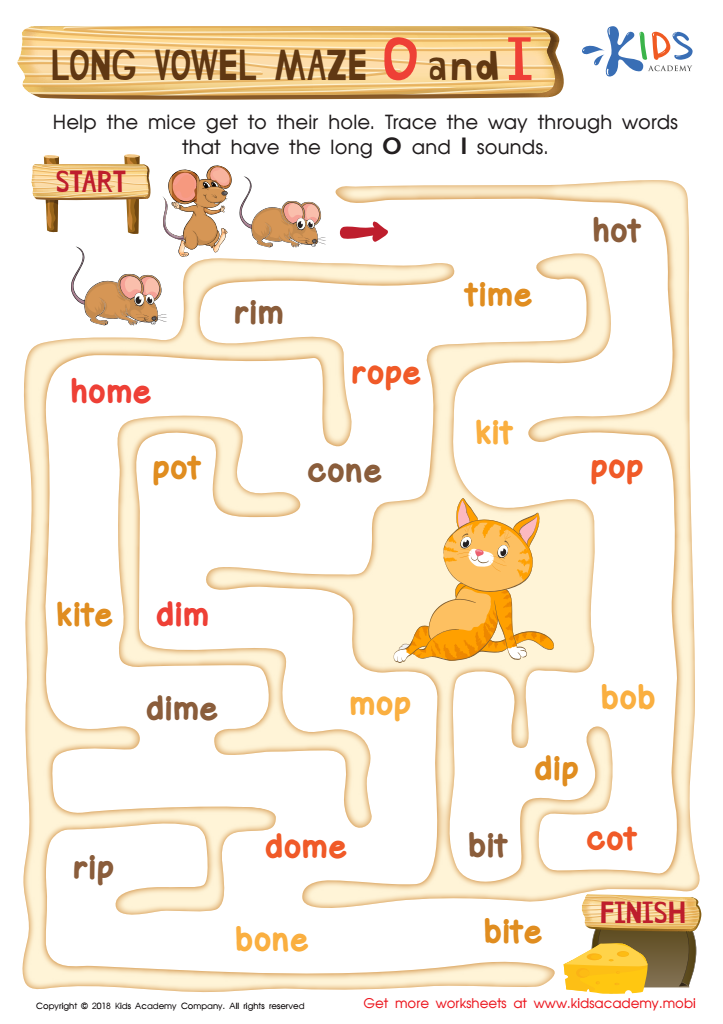
Long Vowel Maze /o/ and /i/ Worksheet
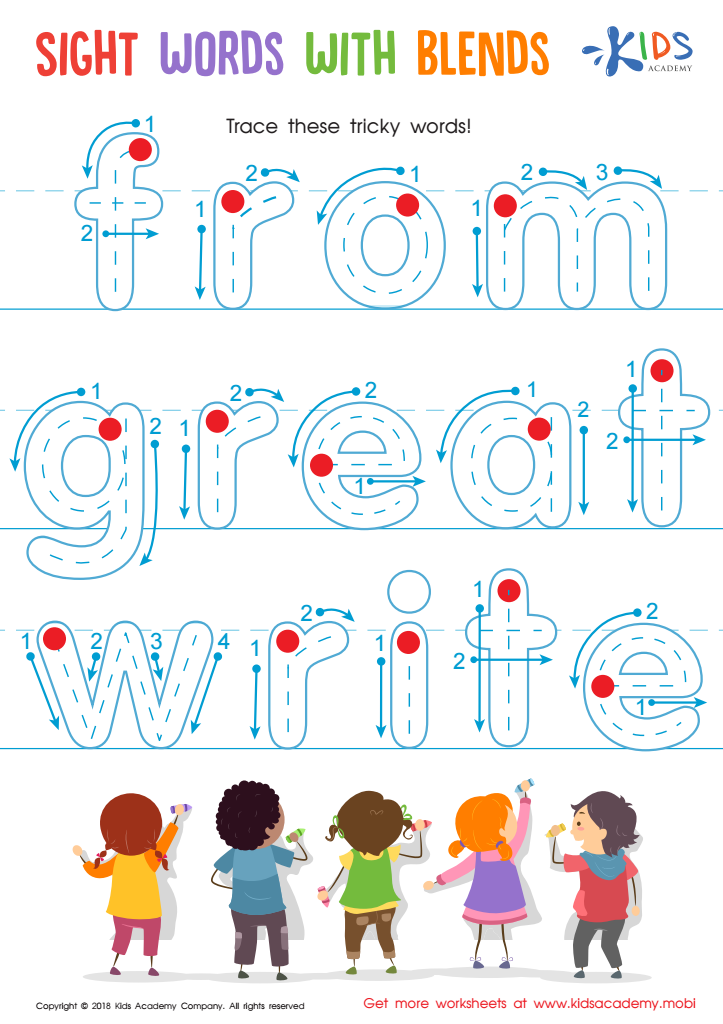
Sight Words with Blends Worksheet
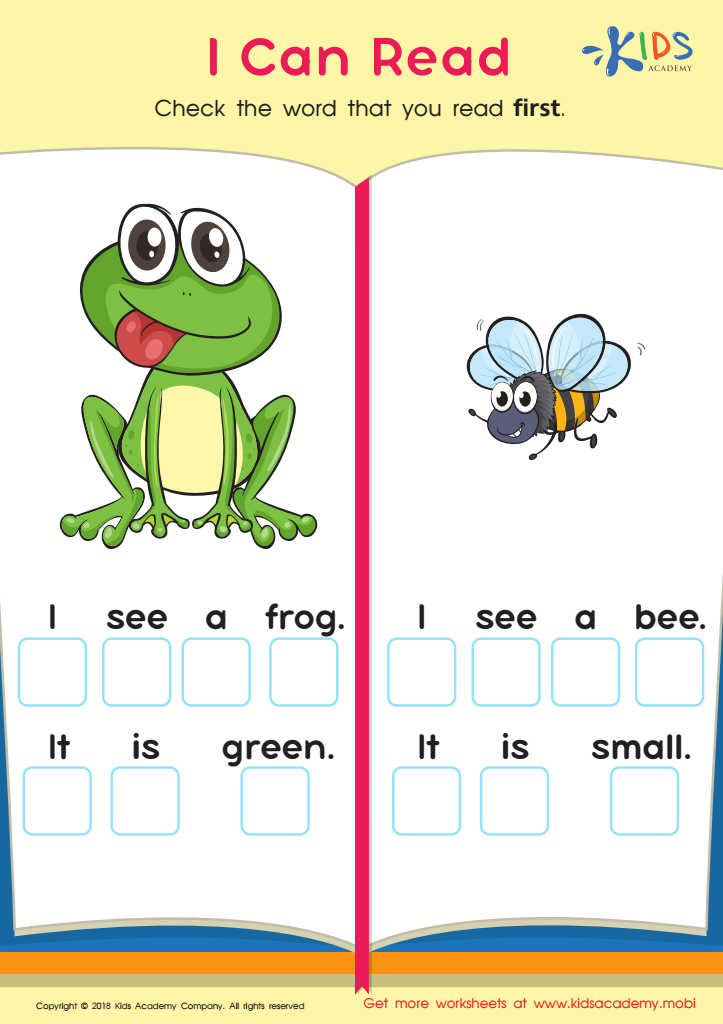
I Can Read Worksheet
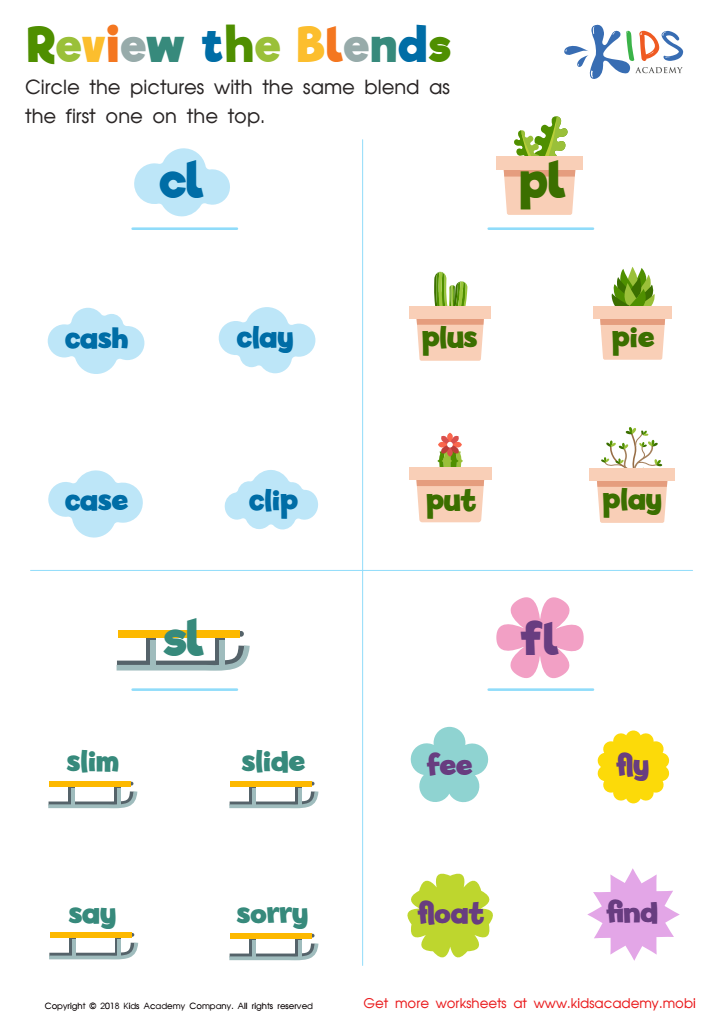
Review the Blends Worksheet
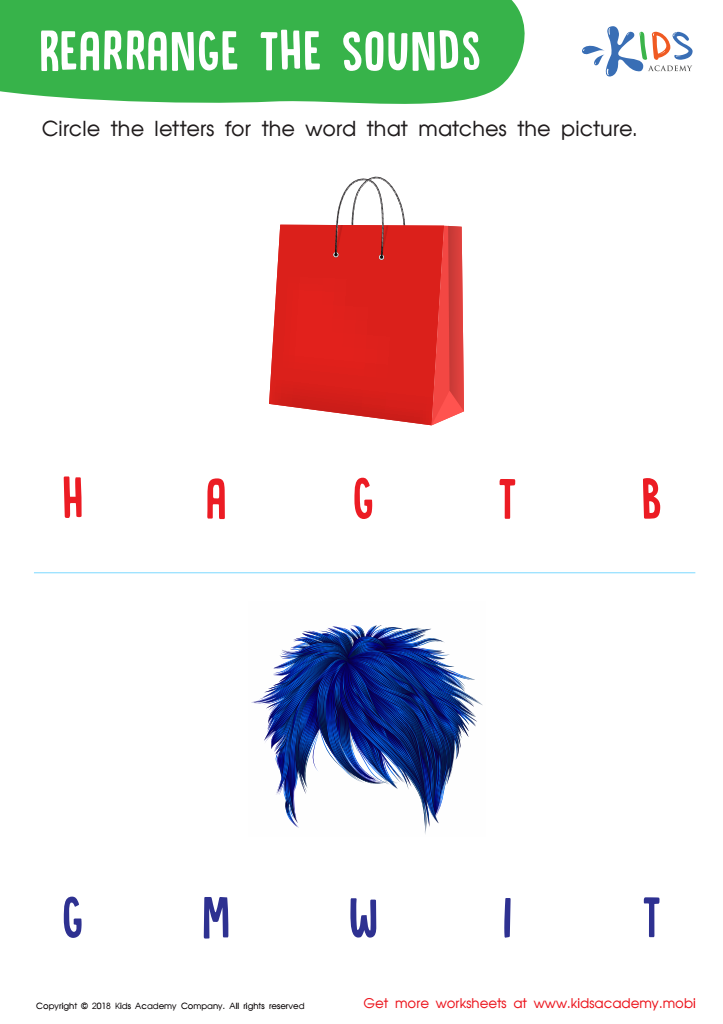
Rearrange the Sounds Worksheet








Reading comprehension and letter recognition are foundational skills for children ages 3 to 6 that significantly impact their literacy development. At this early stage, children are like sponges, absorbing language, sounds, and the concepts tied to reading. Parents and teachers should care because these skills lay the groundwork for future academic success.
Understanding letter recognition helps children identify and distinguish letters, which is crucial for decoding words and constructing sentences. Not only does this promote early reading abilities, but it also enhances vocabulary and storytelling skills. Comprehension, on the other hand, allows young learners to grasp the meanings of text, fostering their ability to think critically and engage with the material emotionally and academically.
By nurturing these skills, caregivers can instill a love for reading and learning. Engaging with children through storytelling and interactive play helps solidify their understanding and enjoyment of language. Furthermore, interventions during these formative years can bridge the gap for children who may struggle with literacy, ensuring equitable access to educational opportunities.
Ultimately, fostering reading comprehension and letter recognition enhances a child's confidence, setting them on a path of continuous curiosity and academic achievement throughout their educational journey.








