Fine Motor Skills Normal Tracing Lines and Curves Worksheets for Ages 3-6
3 filtered results
-
From - To
Enhance your child’s fine motor skills with our engaging Normal Tracing Lines and Curves Worksheets, perfectly designed for ages 3-6. These fun, interactive worksheets focus on developing essential hand-eye coordination and dexterity through tracing activities. Young learners will explore various lines and curves, paving the way for future writing proficiency. The colorful and age-appropriate visuals motivate children to improve their grip and control while fostering creativity. Ideal for both classroom and home use, these worksheets provide a fun-filled learning experience that supports early childhood development. Download now and watch your child thrive as they master these fundamental skills!
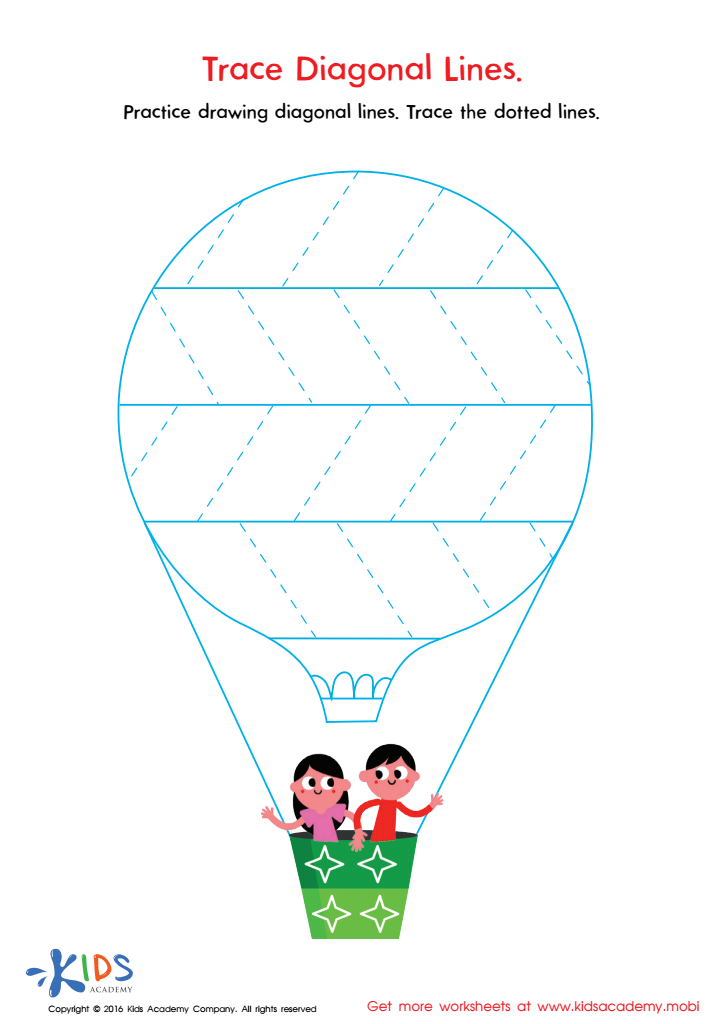
Trace Diagonal Lines Worksheet
 Assign to My Students
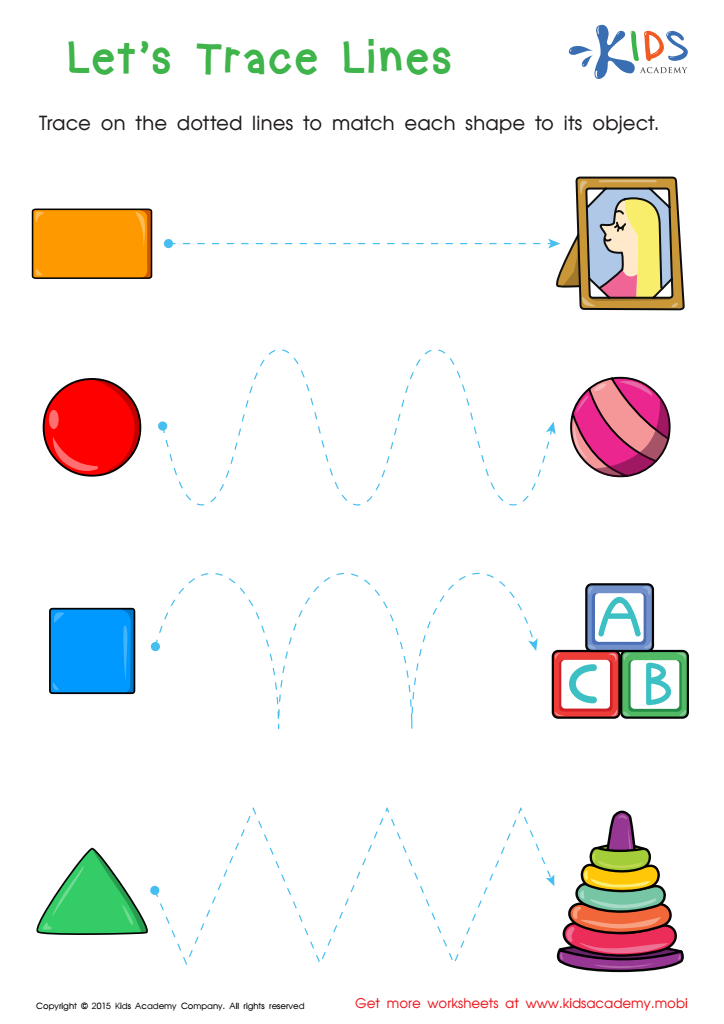
First Words: Let's Trace Lines Worksheet
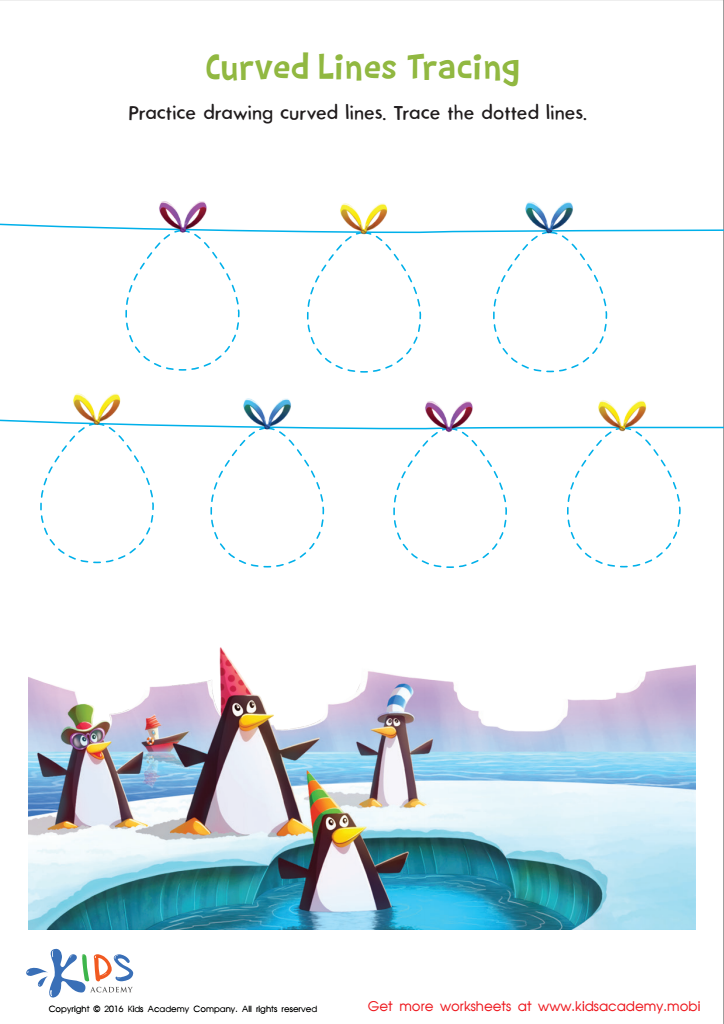
Curved Lines Tracing Worksheet




Fine motor skills are crucial for the overall development of children aged 3-6, particularly in activities involving tracing lines and curves. These skills enable children to engage in tasks requiring precision and control, such as writing, drawing, and self-care activities like buttoning shirts and using utensils. As children practice tracing lines and curves, they strengthen the small muscles in their hands and fingers, enhancing their dexterity.
Moreover, developing these skills lays a foundation for academic success, particularly in early literacy and mathematical concepts. Tracing shapes helps children recognize patterns and improve their spatial reasoning, which are essential components of math readiness. Beyond academics, fine motor skills are linked to cognitive development; they encourage problem-solving, creativity, and hand-eye coordination.
Parents and teachers should prioritize activities that promote these skills, as they contribute to a child’s confidence and independence. When children can master fine motor tasks, they gain a sense of accomplishment, fostering a positive attitude towards learning. By investing time in developing fine motor skills, parents and teachers play a significant role in setting the stage for future success in both school and everyday life. This foundational skill development not only supports academic advancements but also nurtures holistic growth in young children.







