Alphabet understanding Normal Upper & Lowercase Letters Worksheets for Ages 3-6
3 filtered results
-
From - To
Introduce your little learners to the magical world of letters with our Alphabet Understanding Normal Upper & Lowercase Letters Worksheets for Ages 3-6! These easy-to-use printables are designed to help children recognize, write, and differentiate between uppercase and lowercase letters. Perfect for preschoolers and kindergarteners, each engaging activity mixes fun with education to build a strong literacy foundation. Enhance your child's letter recognition skills and watch their confidence soar with our expertly crafted worksheets. Visit Kids Academy for these and more resources to set your young ones on the path to reading and writing success!
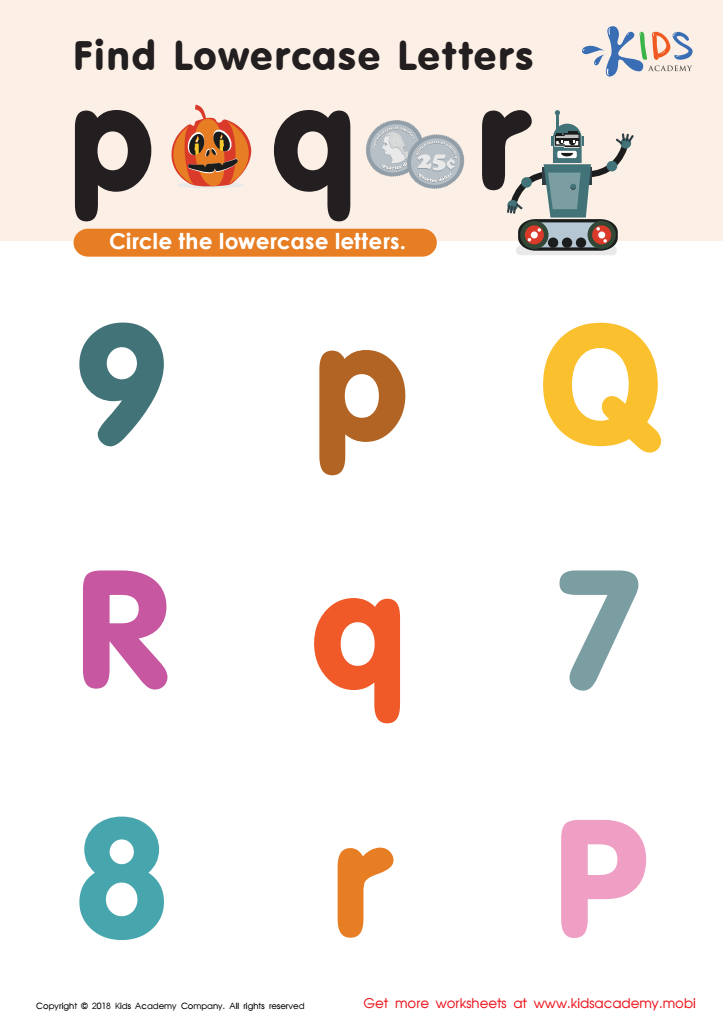
Find lowercase Letters p q r Worksheet
 Assign to My Students
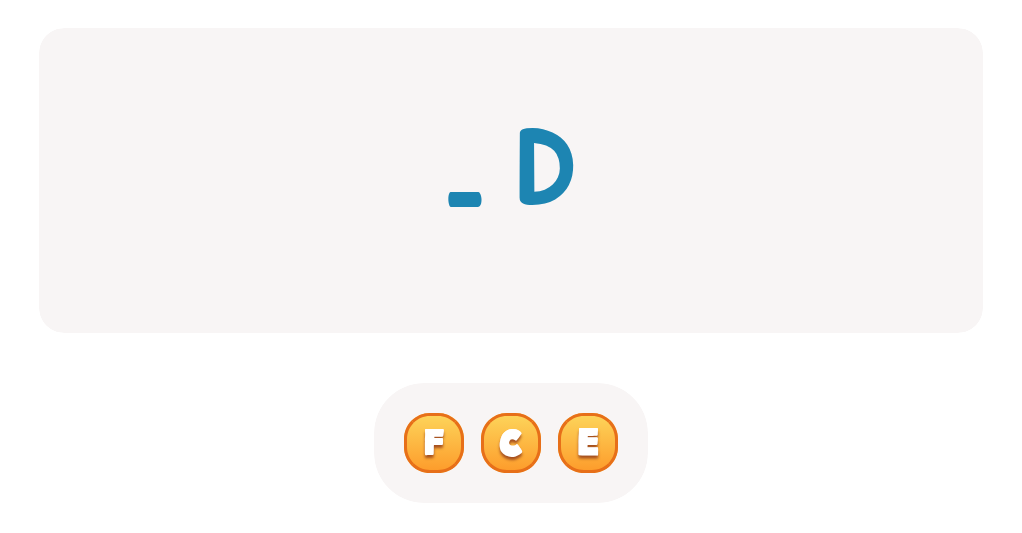

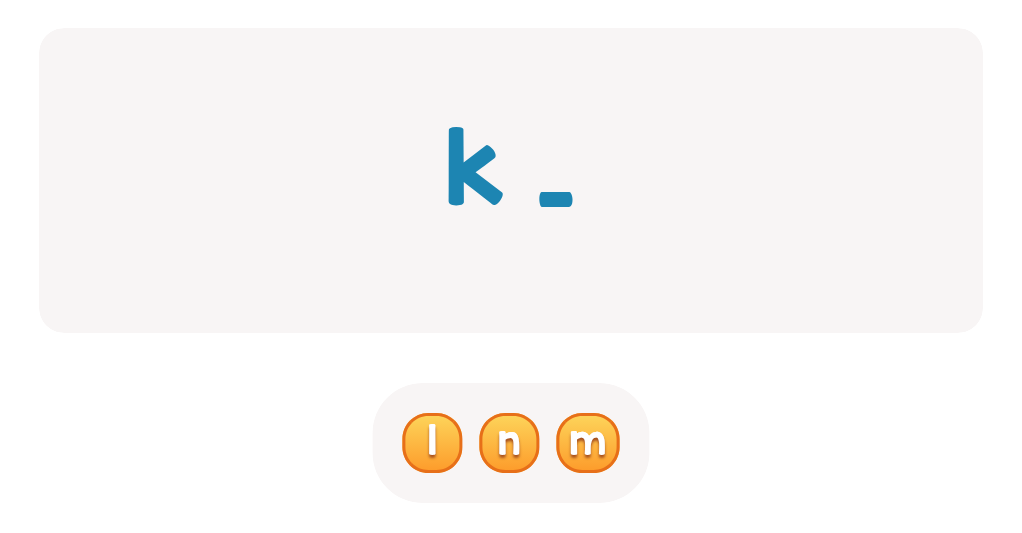
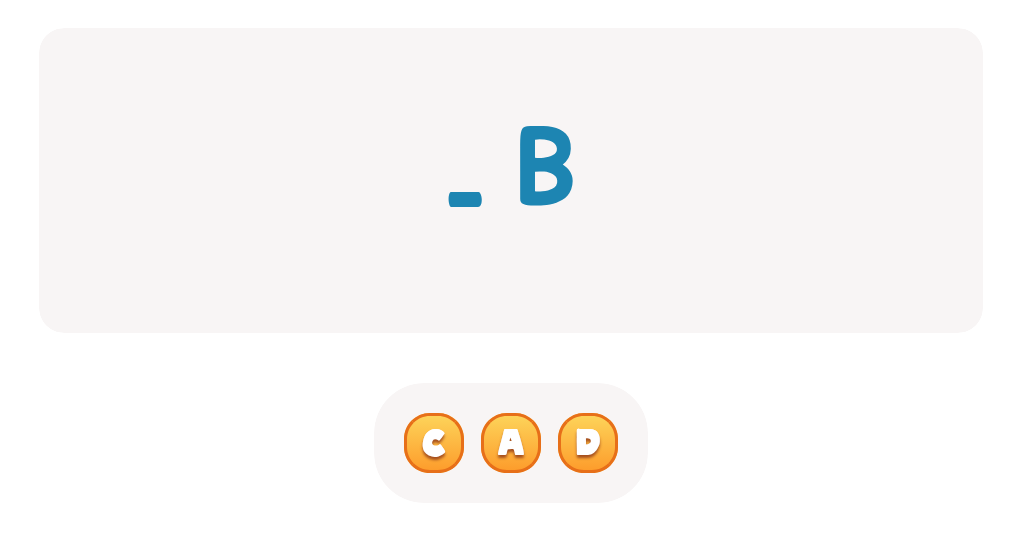
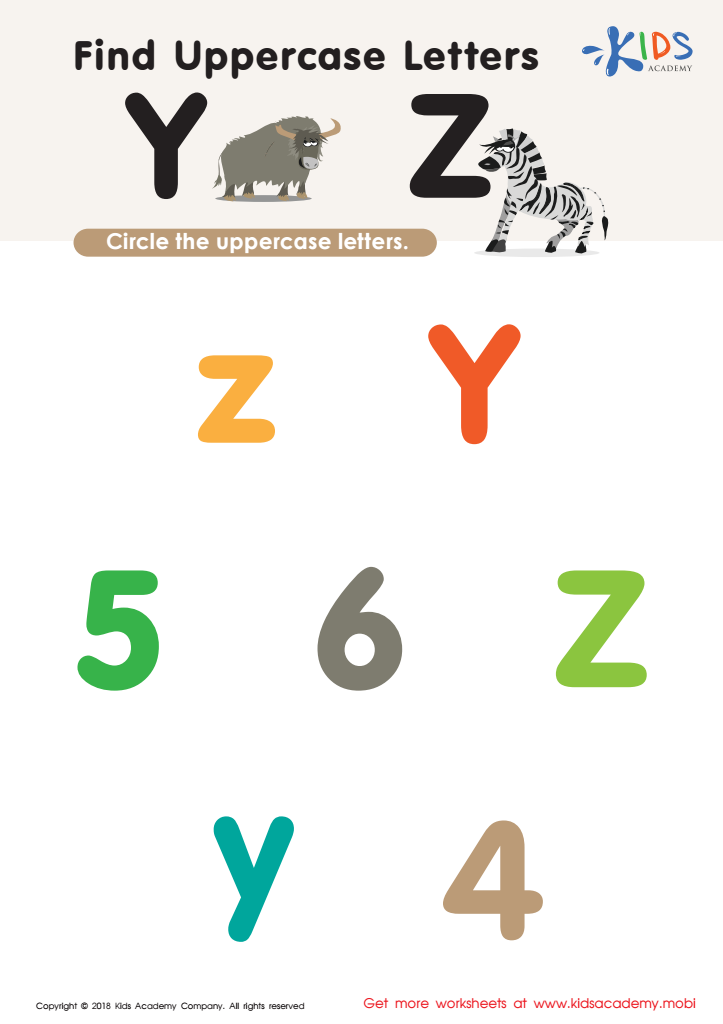
Find Uppercase Letters Y Z Worksheet
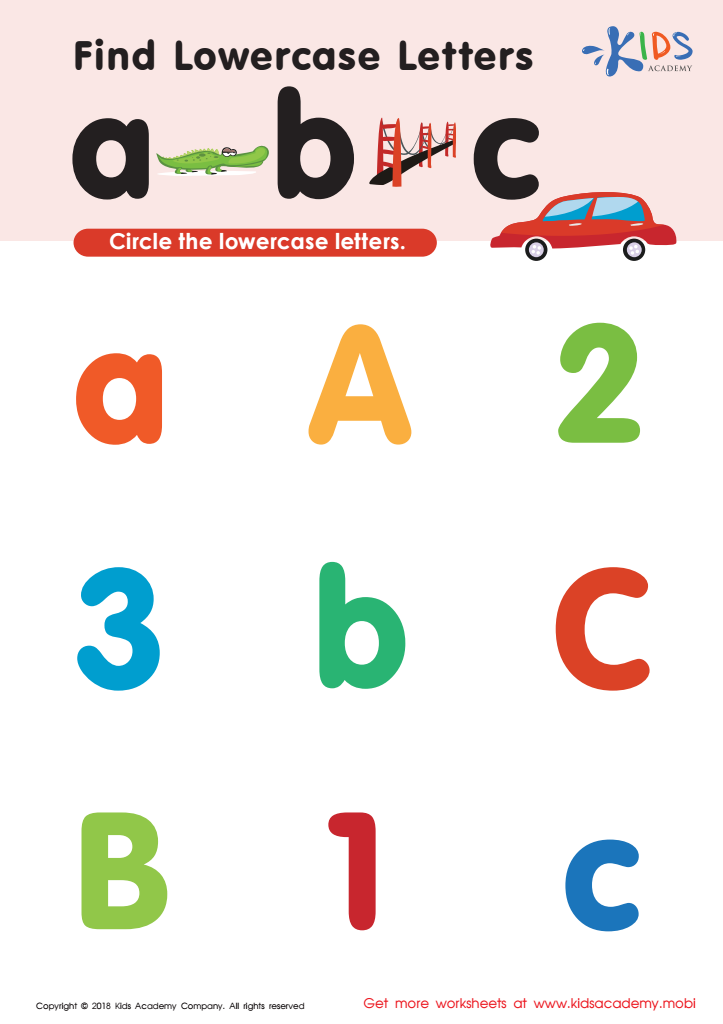
Find lowercase letters a b c Worksheet






Understanding both uppercase and lowercase letters is crucial for children aged 3-6 and merits close attention from parents and teachers. During this developmental stage, the brain is highly receptive to language acquisition, providing an optimal window to construct foundational literacy skills. Familiarity with both uppercase and lowercase letters aids in reading readiness, as texts predominantly employ lowercase scripts. Discerning the difference between "A" and "a," for example, builds letter recognition, fluency, and comprehension, directly impacting reading proficiency.
Cultivating this recognition early on also bolsters writing abilities. Children learn consistent writing standards and improve fine motor skills through differentiated letter formations. This joint acquaintance with upper and lower cases enhances phonemic awareness, enabling smoother phonics instruction where linking sounds to letters is paramount.
Equipped with such understanding, children enter formal schooling with increased confidence and curiosity, ready to tackle more complex literacy challenges. Importantly, it fosters a genuine love for reading by removing the intimidation of texts. Parents and teachers that prioritize this aspect of early education help set children on a clear path to academic success and lifelong learning, underscoring the imperativeness of attentive and deliberate alphabet instruction for young learners.







