Letter Tracing Practice Normal Upper & Lowercase Letters Worksheets for Ages 3-6
3 filtered results
-
From - To
Introducing our engaging “Letter Tracing Practice Normal Upper & Lowercase Letters Worksheets” designed for children aged 3-6! These printable worksheets provide a fun and effective way for young learners to familiarize themselves with the alphabet. Each worksheet features clear uppercase and lowercase letters for tracing, helping children develop their fine motor skills and handwriting abilities. Interactive and visually appealing, these worksheets encourage practice and reinforce letter recognition in a playful way. Perfect for parents and educators, our resources make learning letters enjoyable and accessible. Foster early literacy skills and confidence in writing with our delightful letter tracing worksheets today!
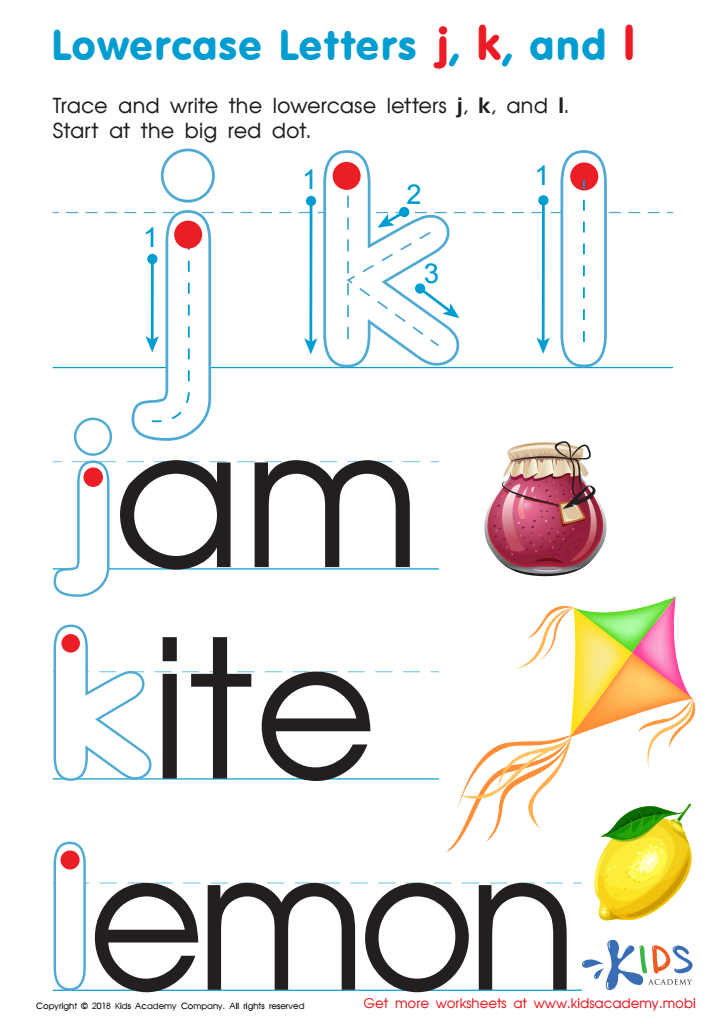
Lowercase Letters j k l Worksheet
 Assign to My Students

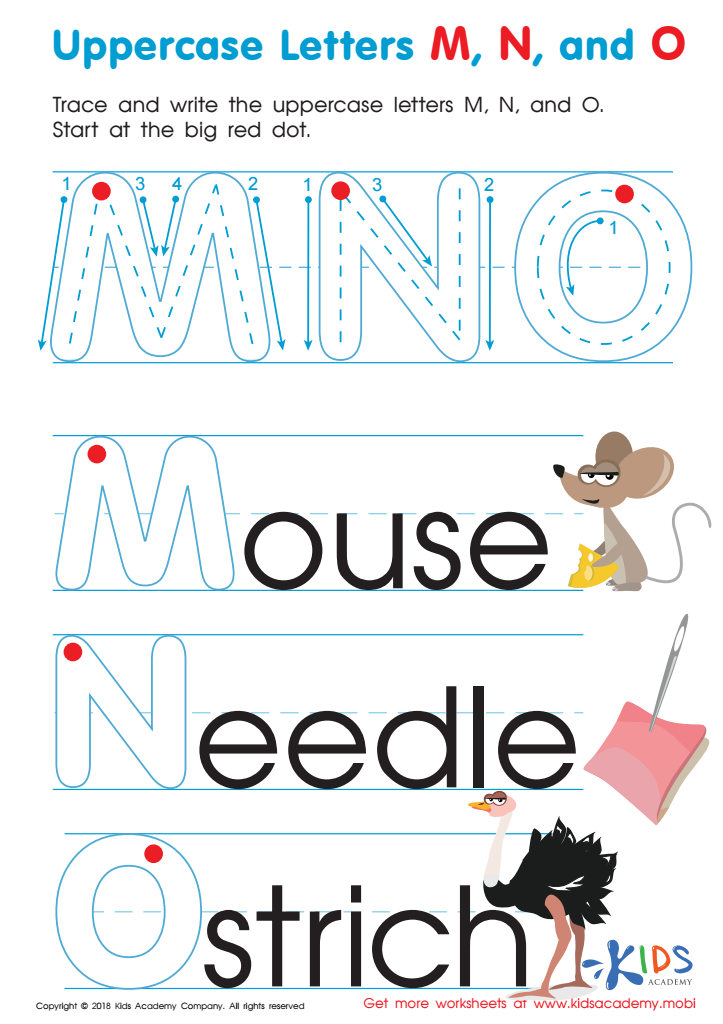
Uppercase Letters M, N, and O Worksheet
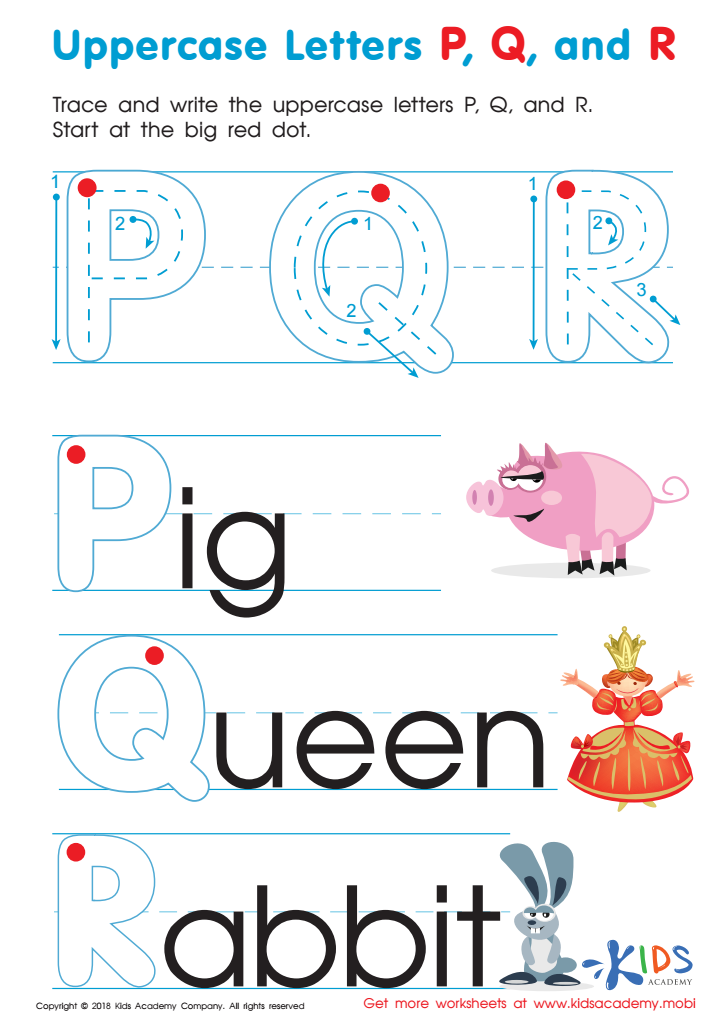
Uppercase Letters P, Q, and R Worksheet






Letter tracing practice for both uppercase and lowercase letters is an essential activity for children aged 3-6, as it lays the groundwork for future literacy skills. Teaching young children to recognize and form letters is vital for developing their writing abilities and overall language comprehension. Tracing helps reinforce proper letter shapes, sizes, and placement while enhancing fine motor skills, crucial for effective handwriting.
Additionally, engaging in letter tracing can aid in building confidence. Mastery of letter formation allows kids to express themselves more freely in writing, often encouraging them to explore storytelling and creative expression. It serves as a fun and interactive way for young learners to connect with language, making learning more enjoyable.
Furthermore, incorporating letter tracing into daily routines fosters a love for learning. It promotes cognitive connections, as young minds develop a better understanding of phonics and sound-letter relationships. This early exposure can also enhance future academic performance, especially in reading and writing.
Ultimately, when parents and teachers prioritize letter tracing practice, they equip children with foundational skills essential for their educational journey, paving the way for more advanced literacy development as they grow.







