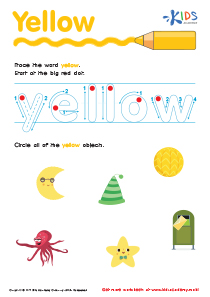
Alphabet Learning Normal English for Beginners Worksheets for Ages 3-6
3 filtered results
-
From - To
Discover engaging "Alphabet Learning Normal English for Beginners Worksheets" designed specifically for ages 3-6. Our interactive resources help young learners master the foundational skills of the English alphabet in a fun and accessible way. Each worksheet features vibrant illustrations and simple exercises that encourage letter recognition, pronunciation, and writing practice. Perfect for classroom use or home learning, these worksheets offer children an exciting path to language development. Additionally, they cater to ESL (English as a Second Language) learners, fostering a supportive and immersive environment. Join us as we inspire curiosity and build confidence in early literacy through creative activities!
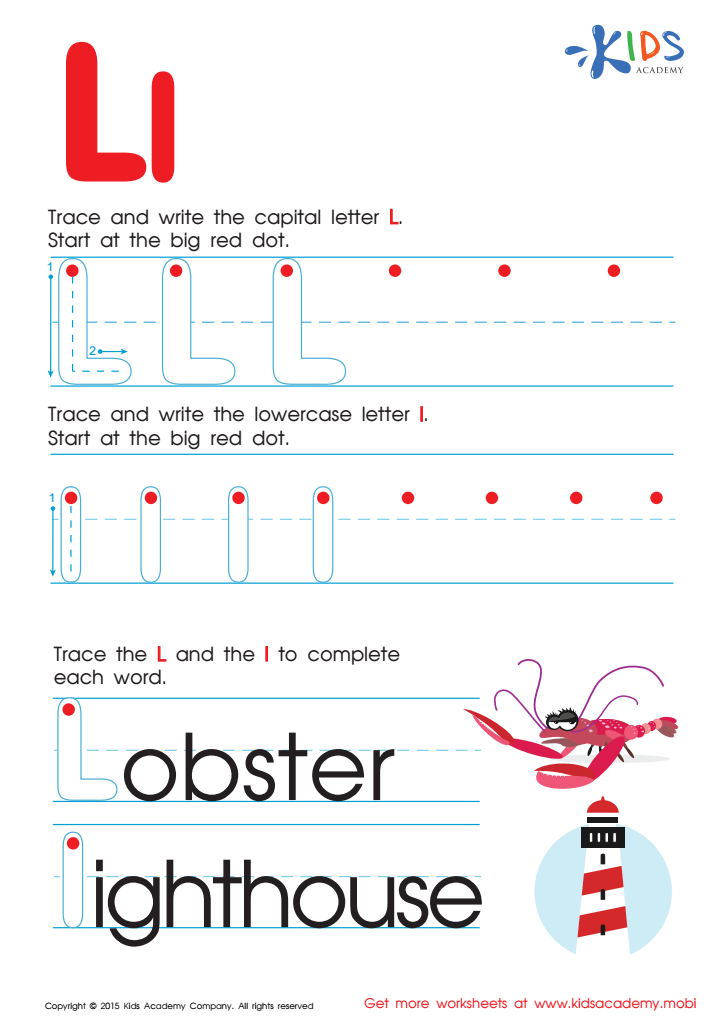
Letter L Tracing Page
 Assign to My Students
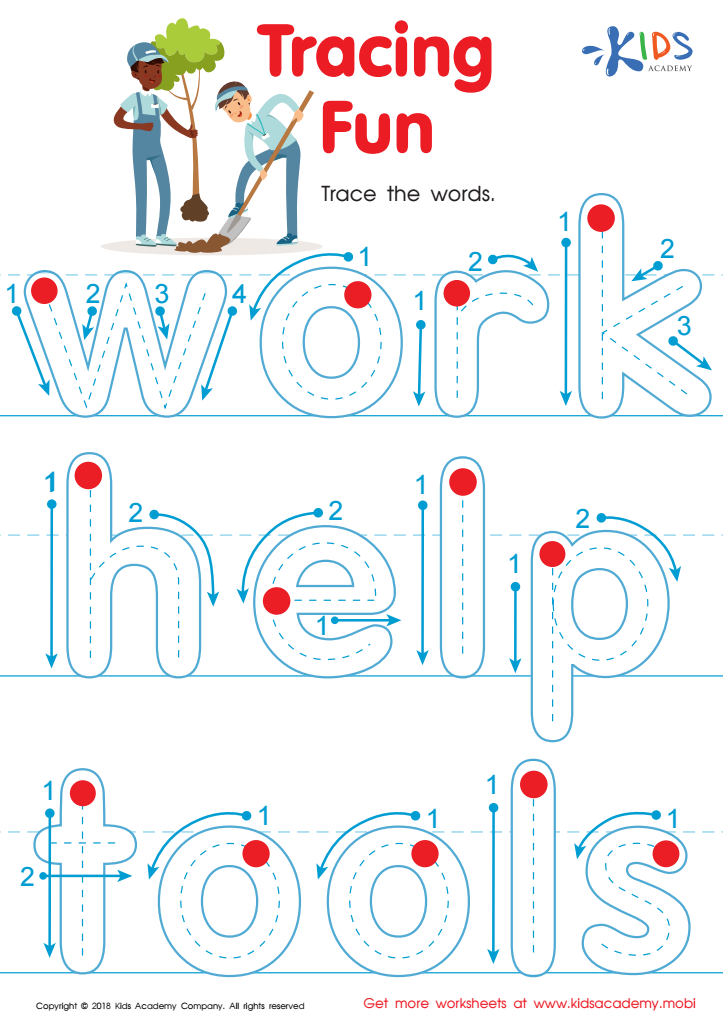
Tracing Fun Worksheet
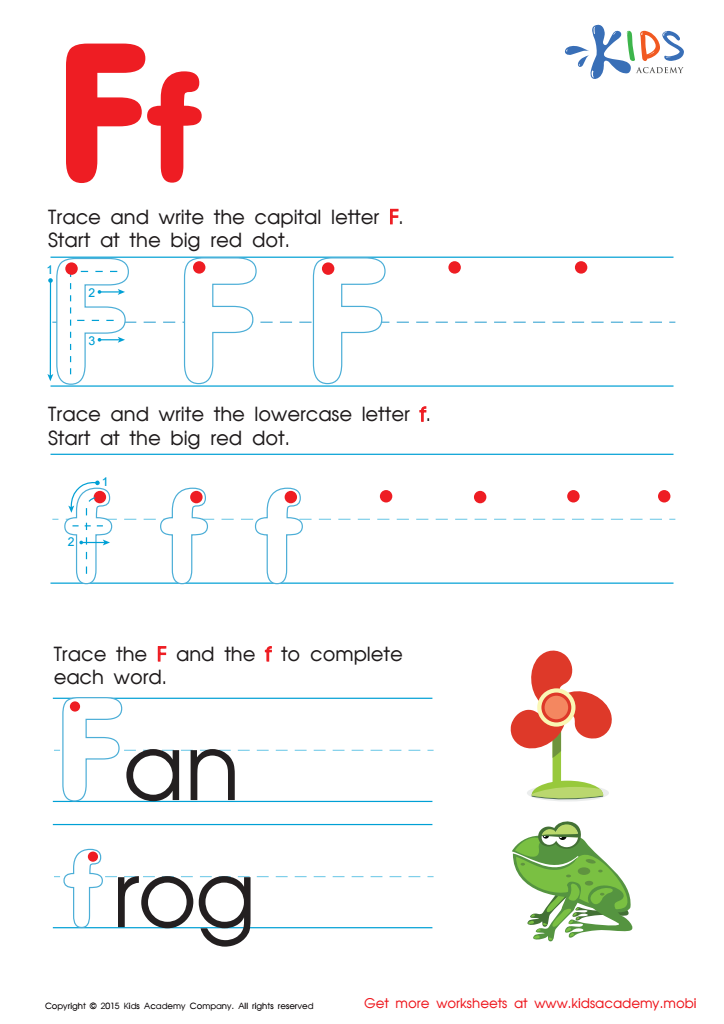
Letter F Tracing Page




Alphabet learning is crucial for children ages 3-6 as it lays the foundation for their literacy skills. During this formative stage, children are naturally curious and receptive to language and communication. Teaching them the alphabet through engaging and enjoyable methods fosters a love for learning and builds their cognitive and language development.
Parents and teachers should care about introducing Alphabet Learning in Normal English for Beginners during these early years, as it enhances phonemic awareness—the ability to hear and manipulate sounds in words. This skill is essential for reading and writing proficiency. Moreover, alphabet knowledge assists children in recognizing words, understanding their structures, and expanding their vocabulary.
Additionally, early exposure to the alphabet in a coherent and simple English format minimizes frustration and helps children feel accomplished as they embark on the journey of reading. A strong grasp of the alphabet not only boosts confidence but also fosters social interactions, as children share their newfound skills and engage with others.
Support from parents and teachers in learning the alphabet ultimately nurtures a child's educational journey, instilling a sense of curiosity and eagerness to explore the world of reading and language as they grow. Thus, prioritizing alphabet learning is an essential investment in a child's future academic success.