Alphabet Recognition Normal English for Beginners Worksheets for Ages 3-6
19 filtered results
-
From - To
Discover our engaging "Alphabet Recognition Worksheets for Beginners," specially designed for children ages 3-6. These fun and interactive worksheets introduce young learners to the letters of the English alphabet, fostering essential early literacy skills. Each activity promotes letter recognition through colorful visuals and playful exercises, making learning both effective and enjoyable. Ideal for parents and educators, our resources support language development while building a solid foundation for reading and writing. Explore a variety of activities, from tracing letters to matching and identifying, designed to captivate your child's attention and enhance their learning experience. Start your child's reading journey today!
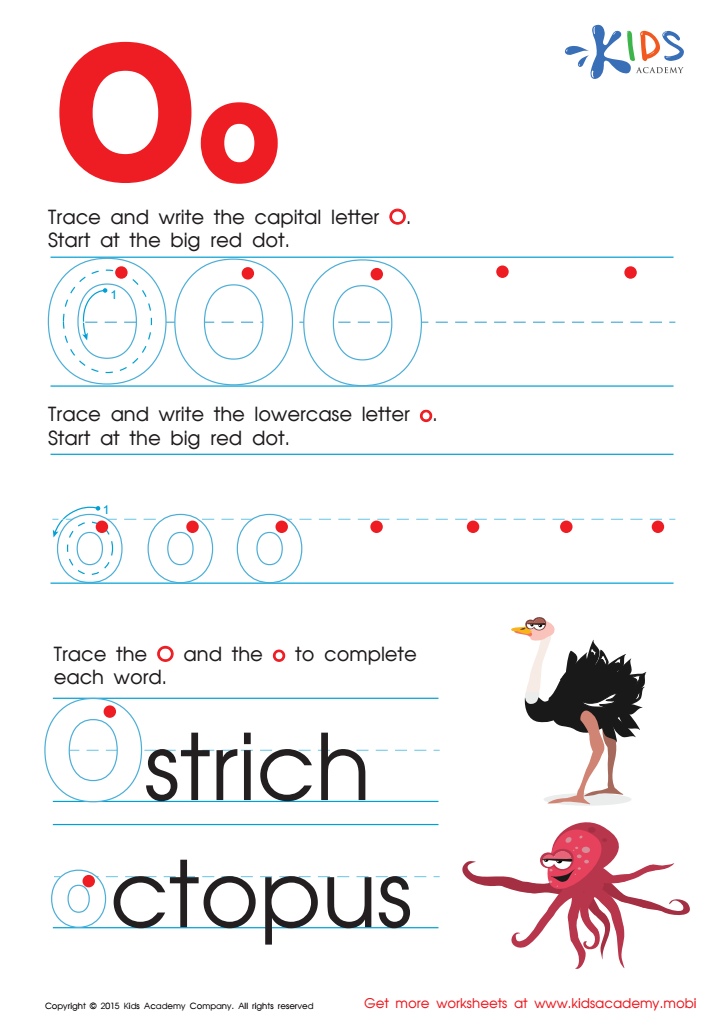
Letter O Tracing Page
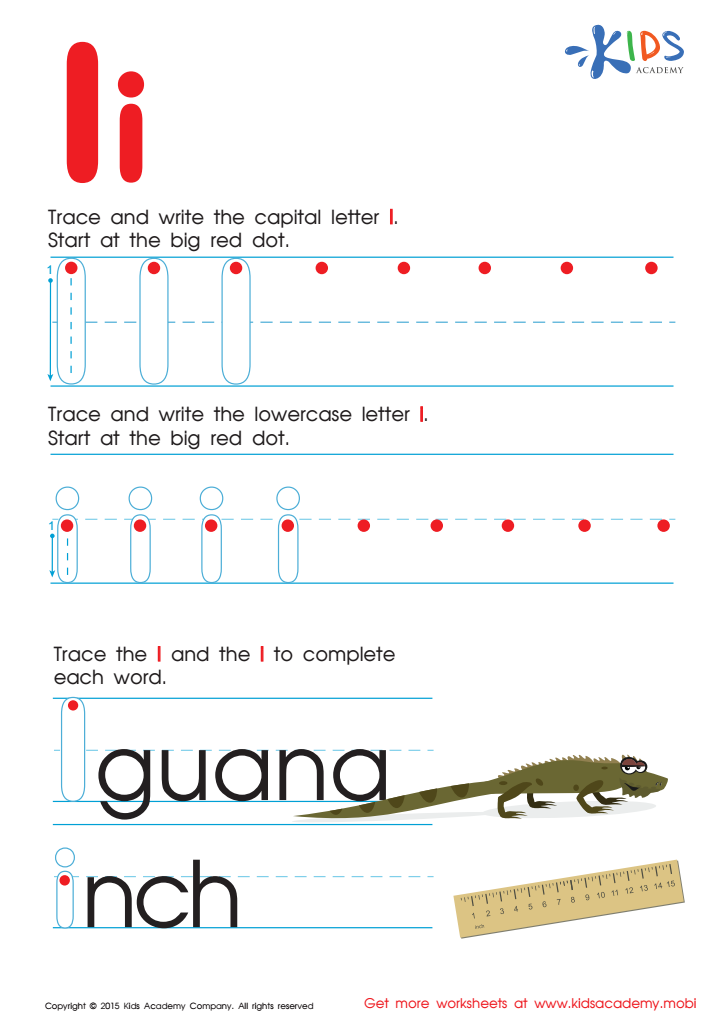
Letter I Tracing Page
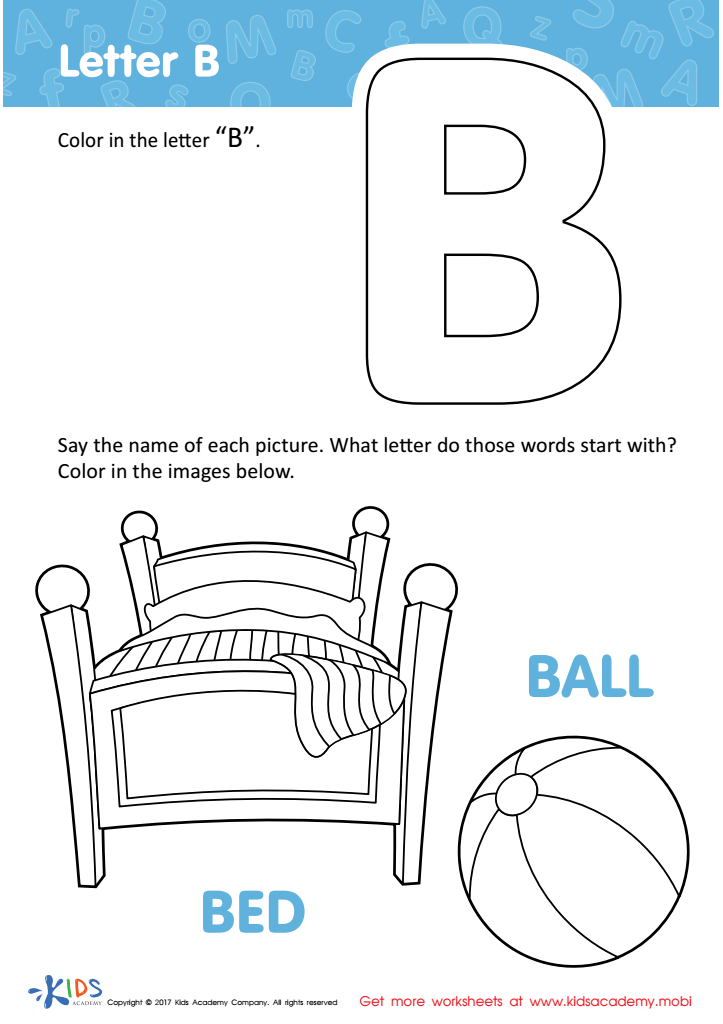
Letter B Coloring Sheet
 Assign to My Students
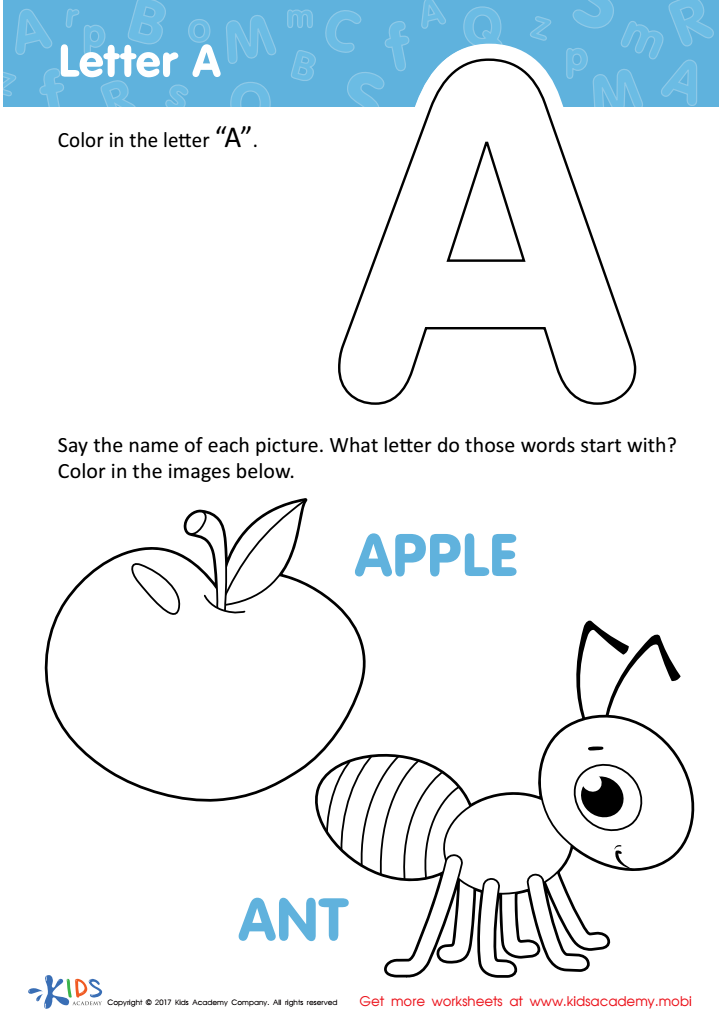
Letter A Coloring Sheet
Assign to My Students
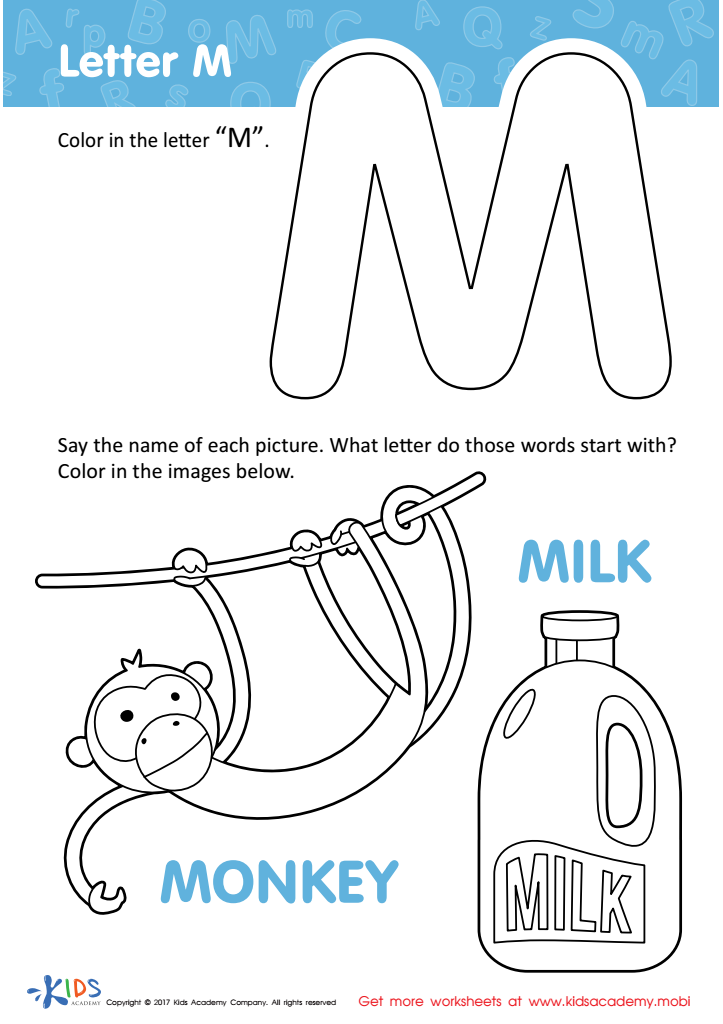
Letter M Coloring Sheet
Assign to My Students
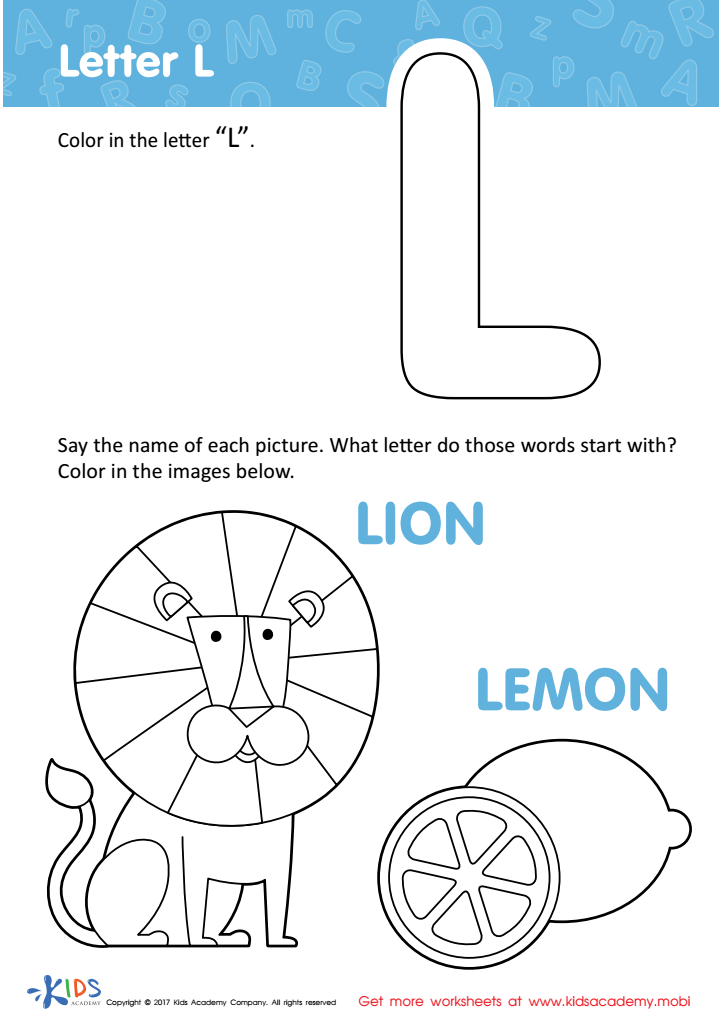
Letter L Coloring Sheet
Assign to My Students
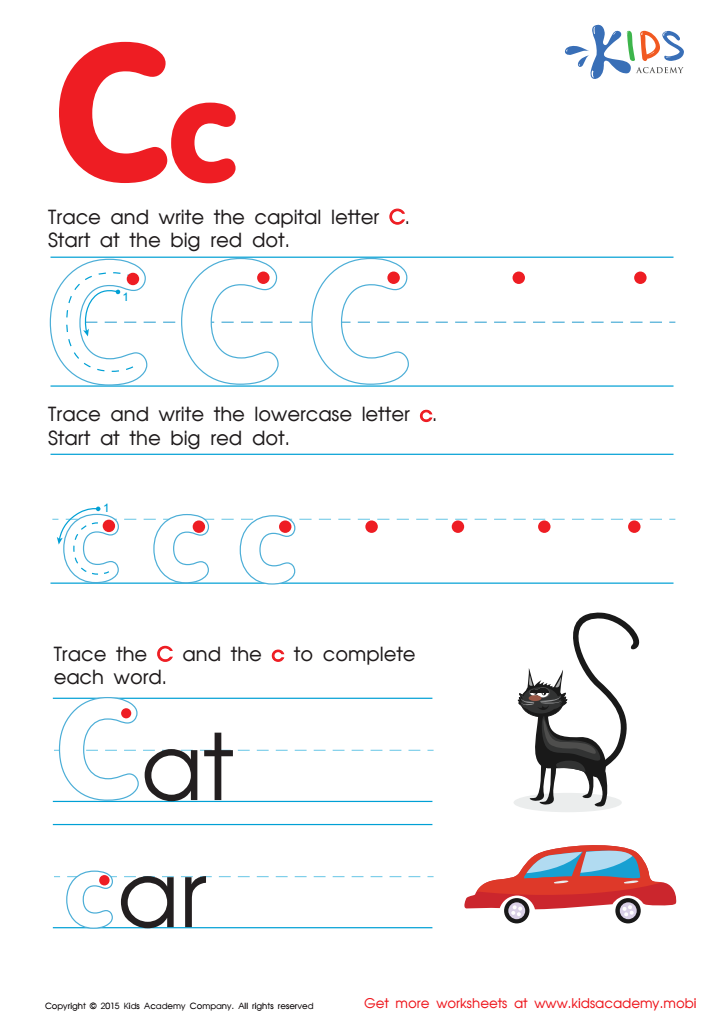
Letter C Tracing Page
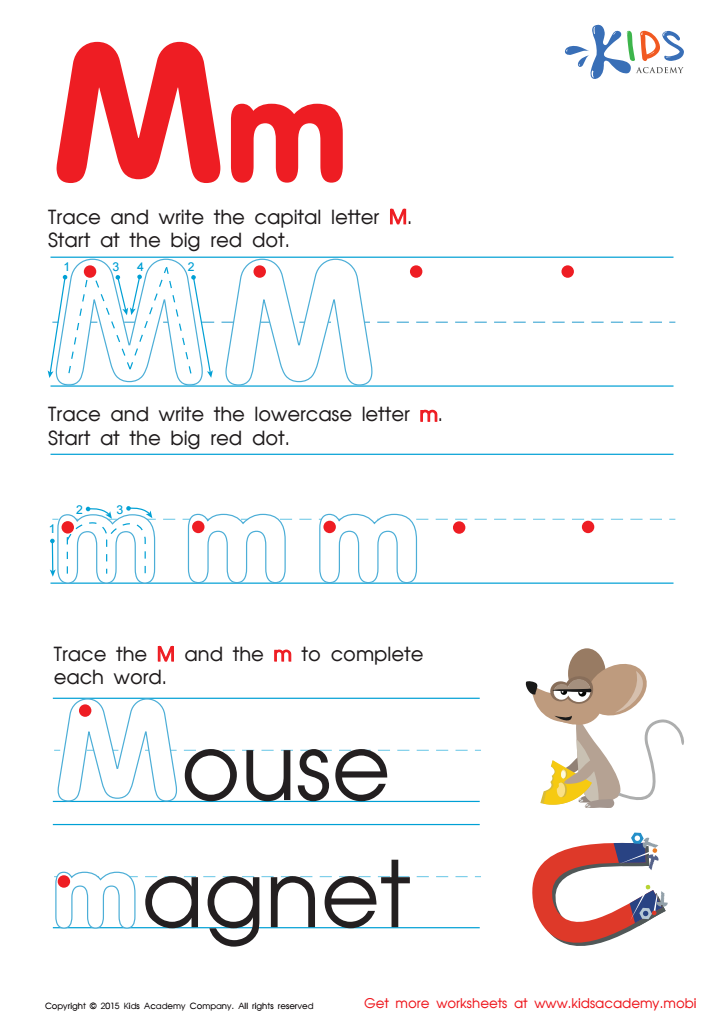
Letter M Tracing Page
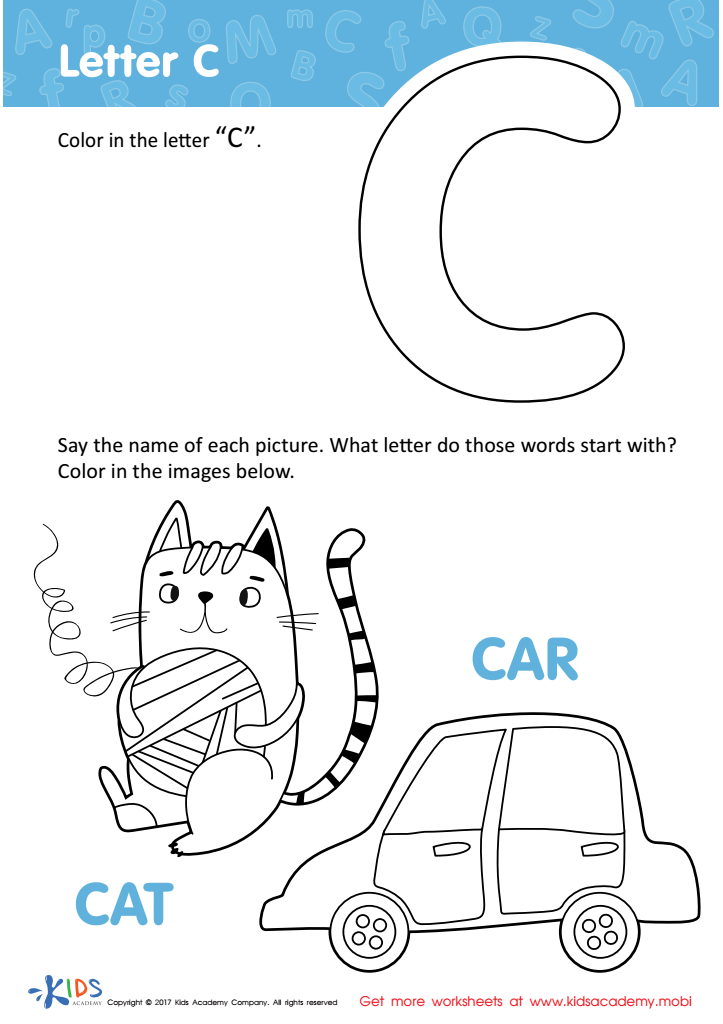
Letter C Coloring Sheet
Assign to My Students
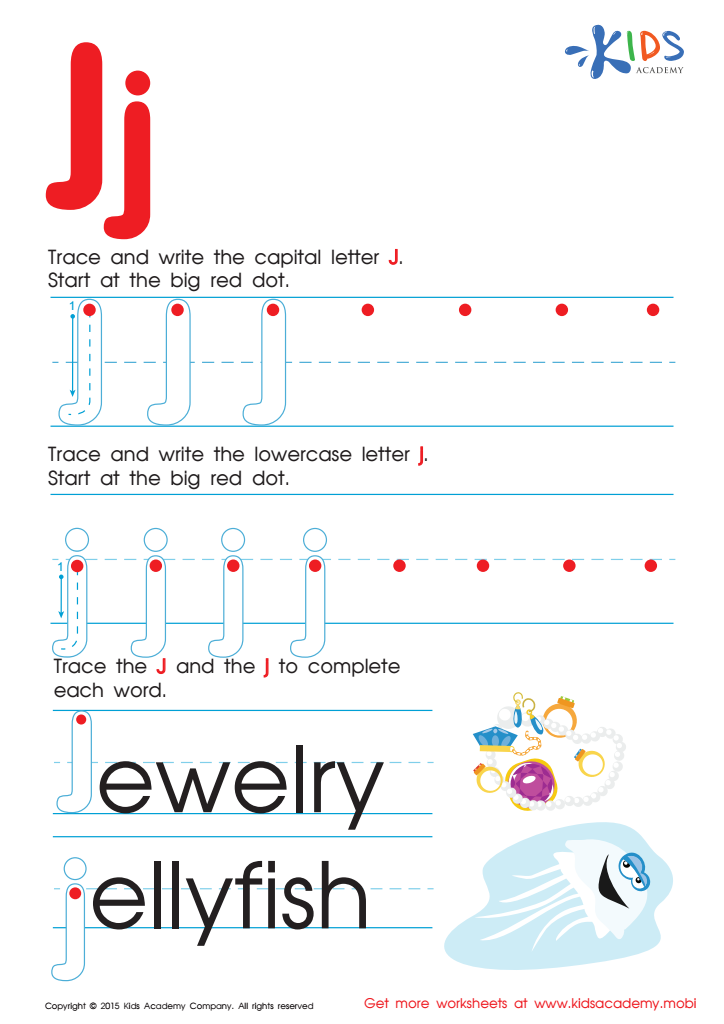
Letter J Tracing Page
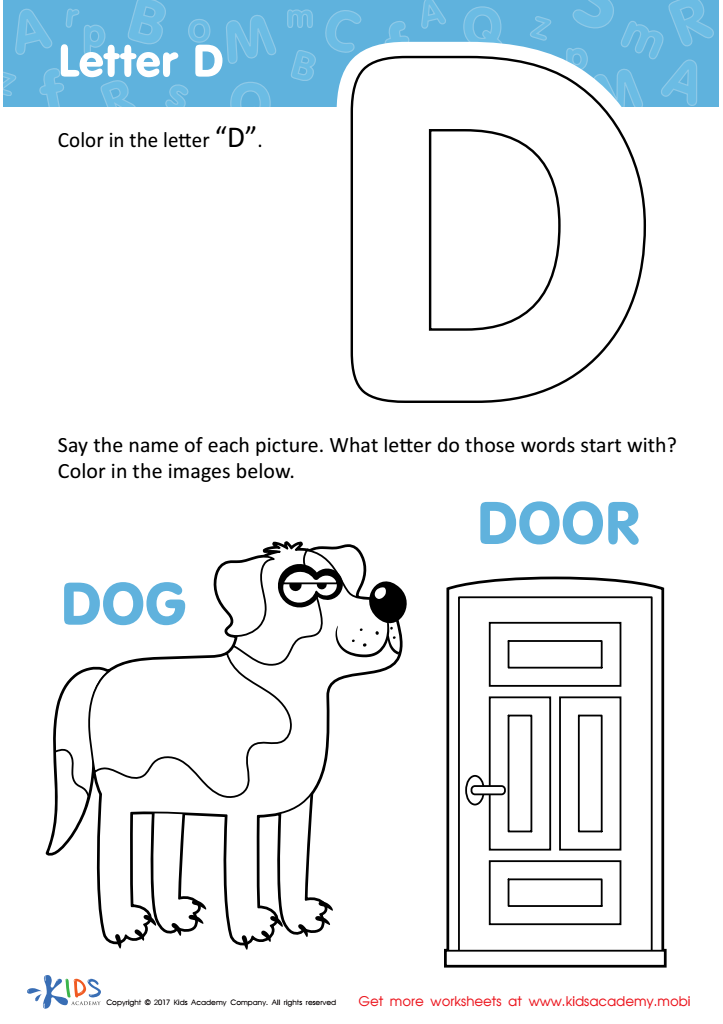
Letter D Coloring Sheet
Assign to My Students
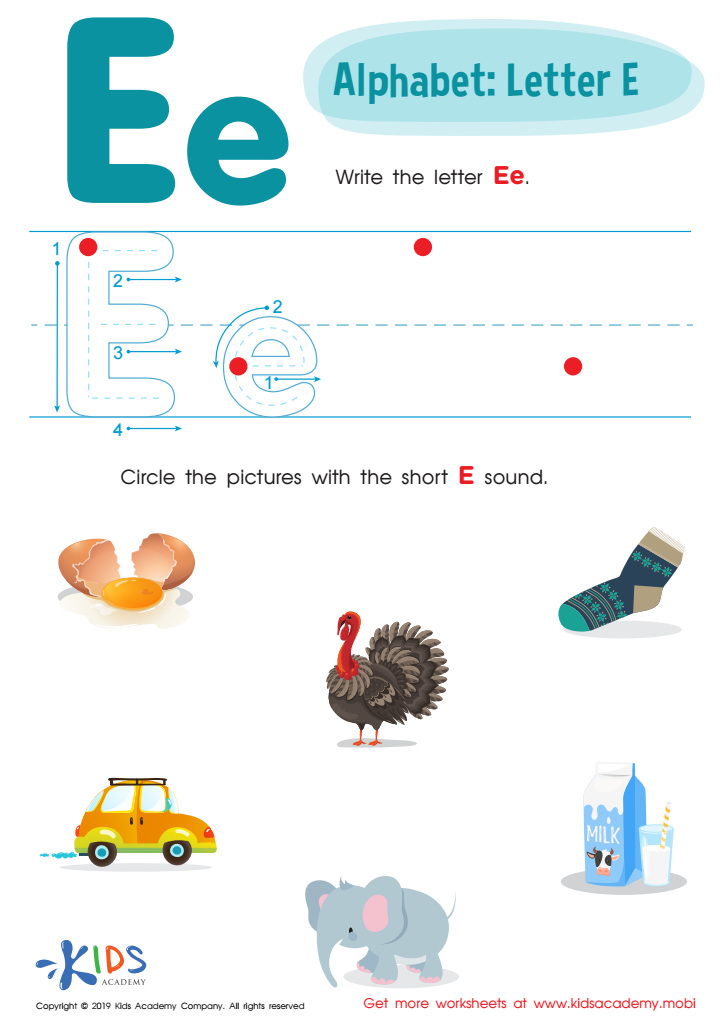
Letter E Tracing Worksheet
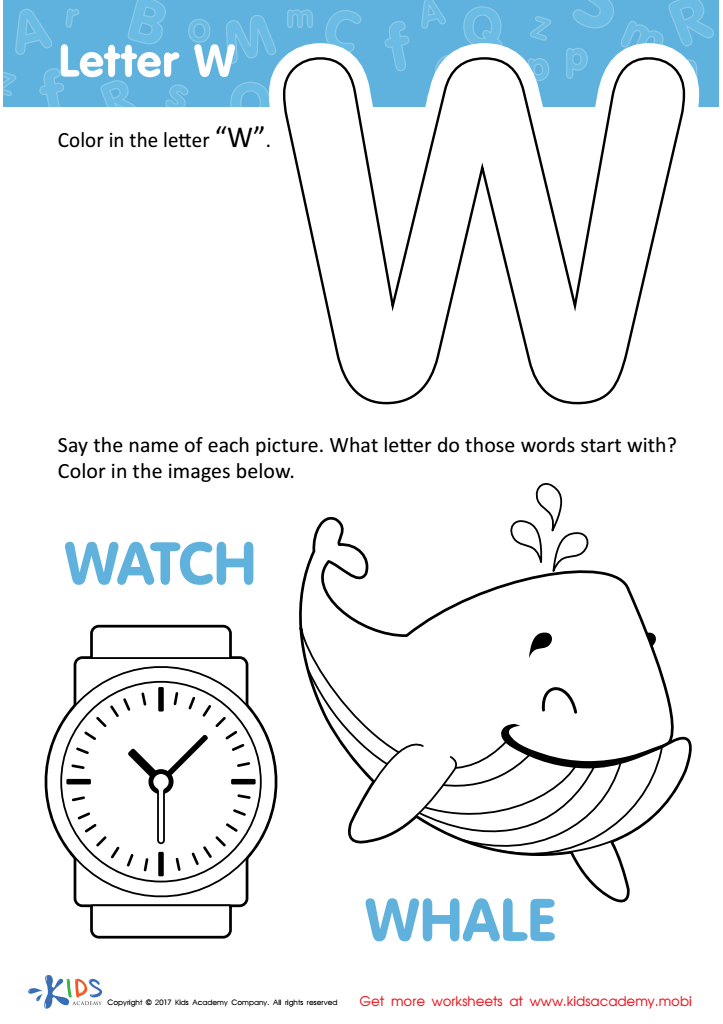
Letter W Coloring Sheet
Assign to My Students
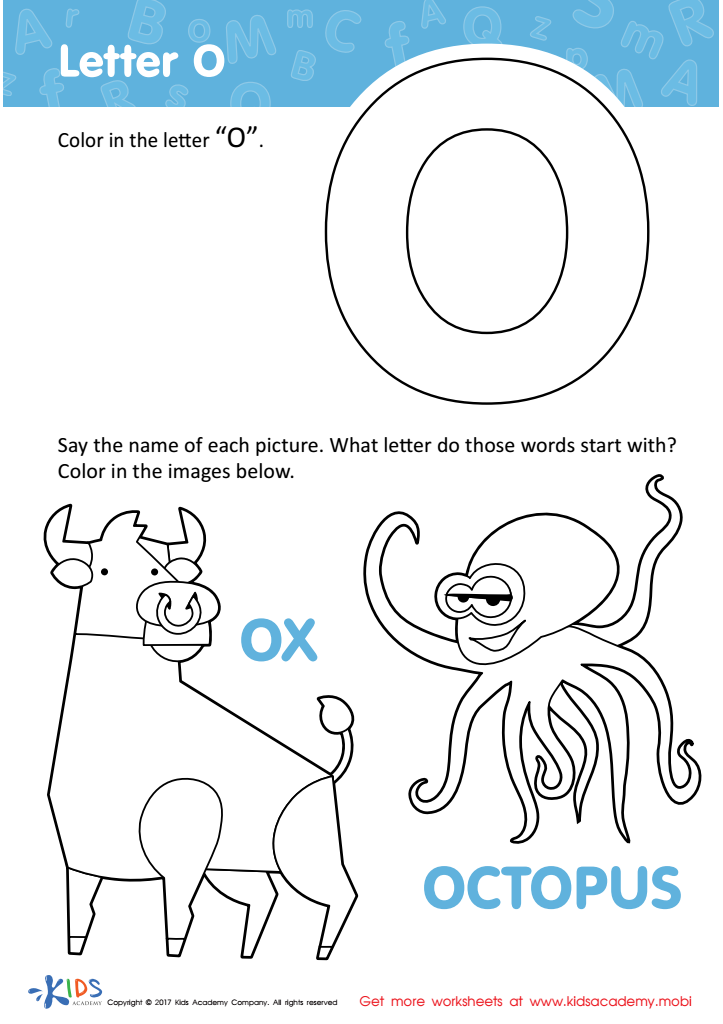
Letter O Coloring Sheet
Assign to My Students
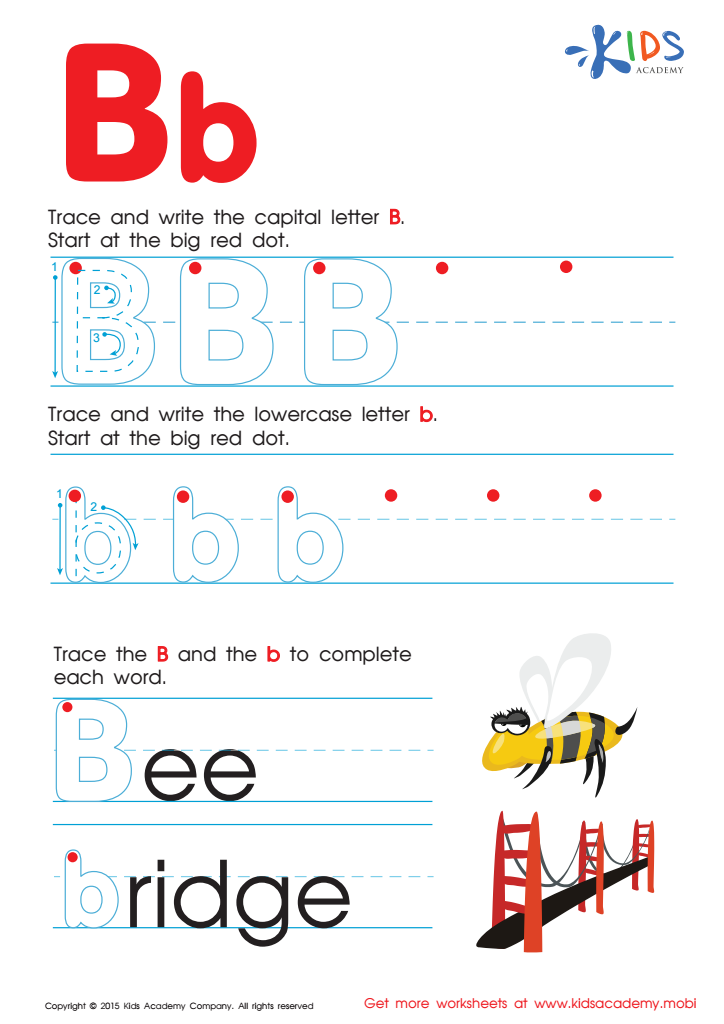
Letter B Tracing Page
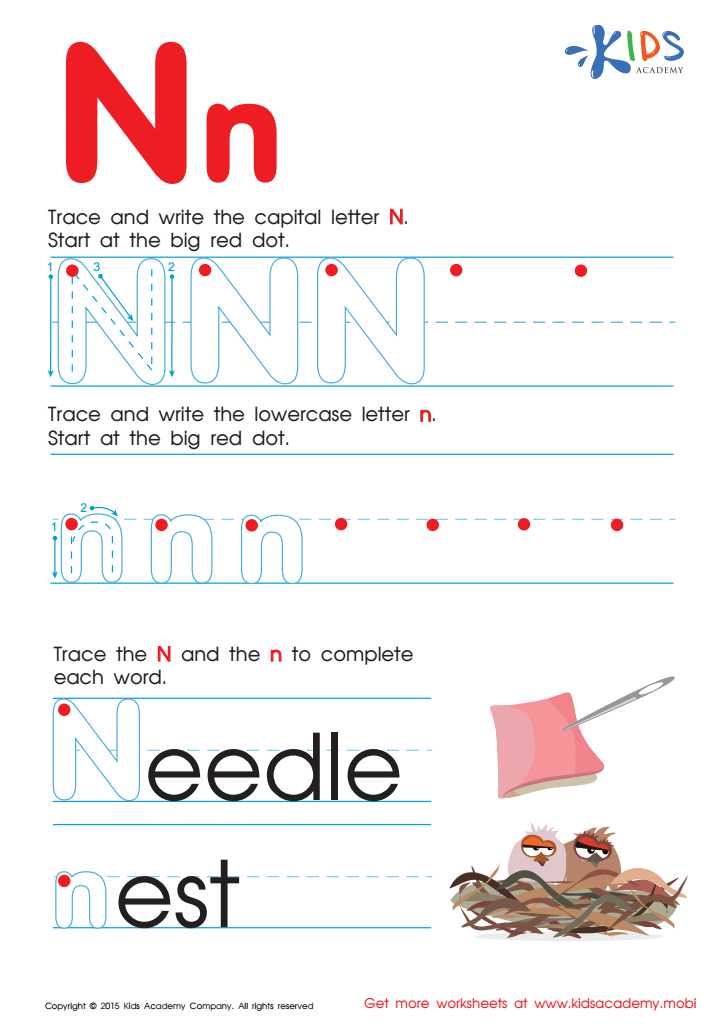
Letter N Tracing Page
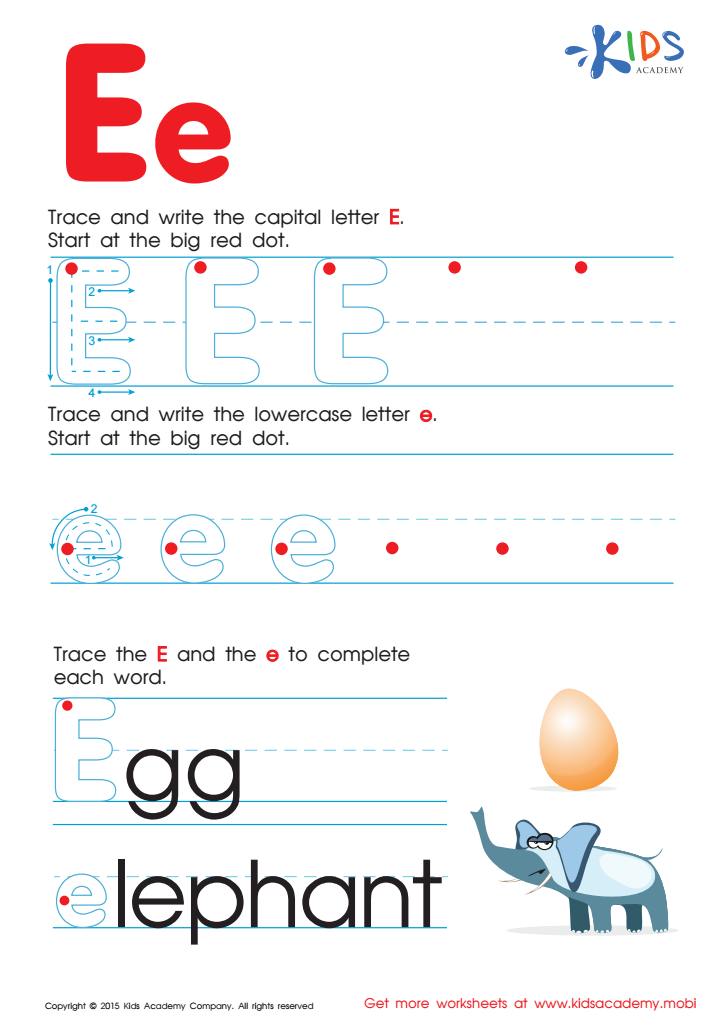
Letter E Tracing Page
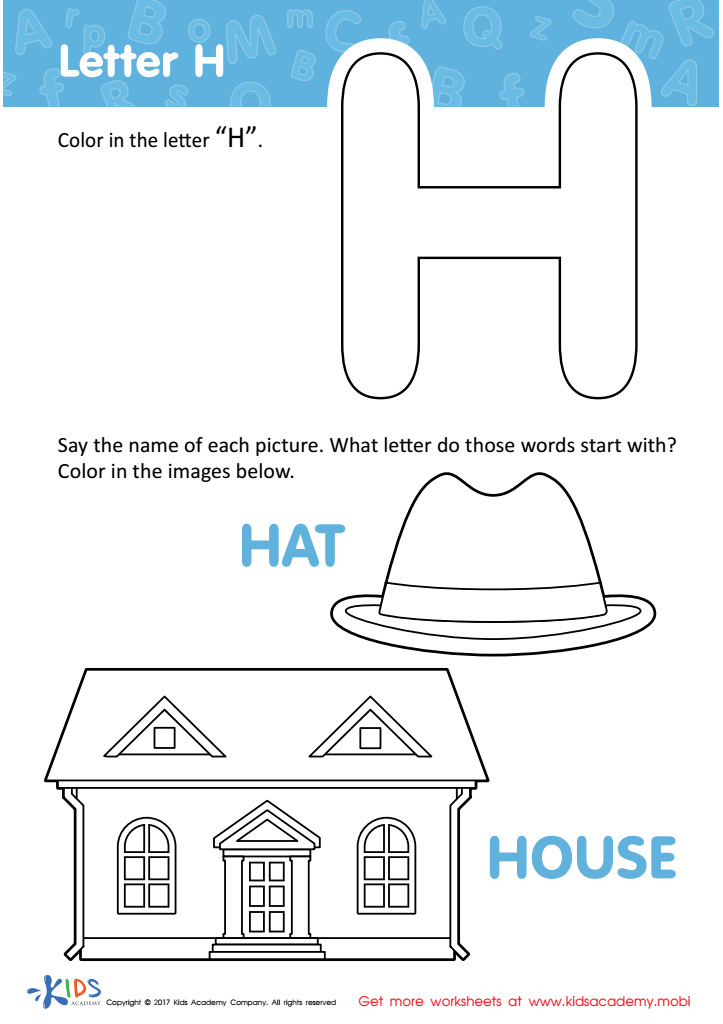
Letter H Coloring Sheet
Assign to My Students
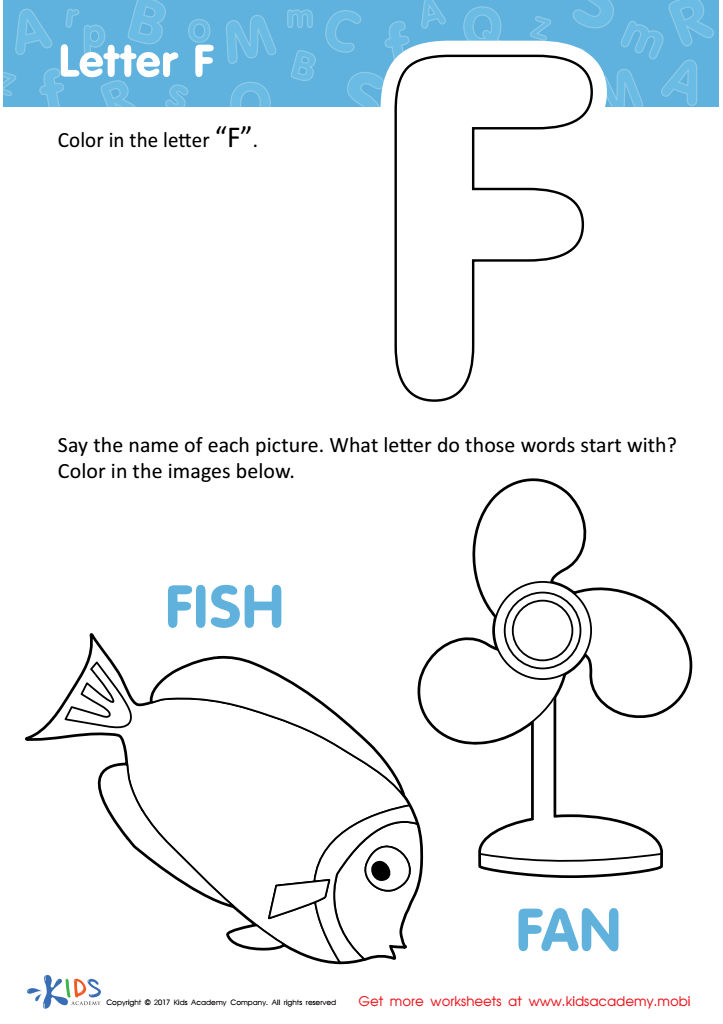
Letter F Coloring Sheet
Assign to My Students




Alphabet recognition is a foundational skill that significantly influences a child's literacy development. For parents and teachers working with children aged 3-6, understanding the importance of this skill is essential. Early exposure to alphabet recognition not only enhances a child's ability to read and write but also boosts their overall cognitive development.
When children can identify letters, they can better comprehend the relationship between sounds and symbols, a precursor to phonemic awareness. This knowledge fosters the ability to blend sounds into words and spells them accurately, vital for effective communication.
Moreover, mastering the alphabet at an early age encourages a love for learning. Children who are engaged with letters through fun activities and games are more likely to develop positive attitudes toward reading and writing, making them more eager learners as they advance in school.
Additionally, alphabet recognition can aid in the development of critical social skills. Activities involving letters often promote collaboration, turn-taking, and group participation. In summary, prioritizing alphabet recognition for children ages 3-6 lays the groundwork for future academic success, nurtures a love for education, and helps cultivate important social skills, making it a crucial focus for parents and teachers alike.