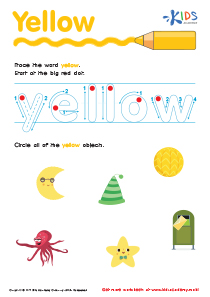
Motor skills development Normal English for Beginners Worksheets for Ages 3-6
3 filtered results
-
From - To
Enhance your child's motor skills with our "Normal English for Beginners Worksheets," designed for ages 3-6. These engaging, printable worksheets offer fun and interactive activities that promote the development of fine and gross motor skills while introducing basic English vocabulary. Your little learners will enjoy tracing, coloring, and completing various tasks that not only build hand-eye coordination but also boost their confidence in language learning. Perfect for preschoolers and children beginning their English journey, these worksheets make skill-building enjoyable and effective. Download now to support your child's growth in a playful, educational way!
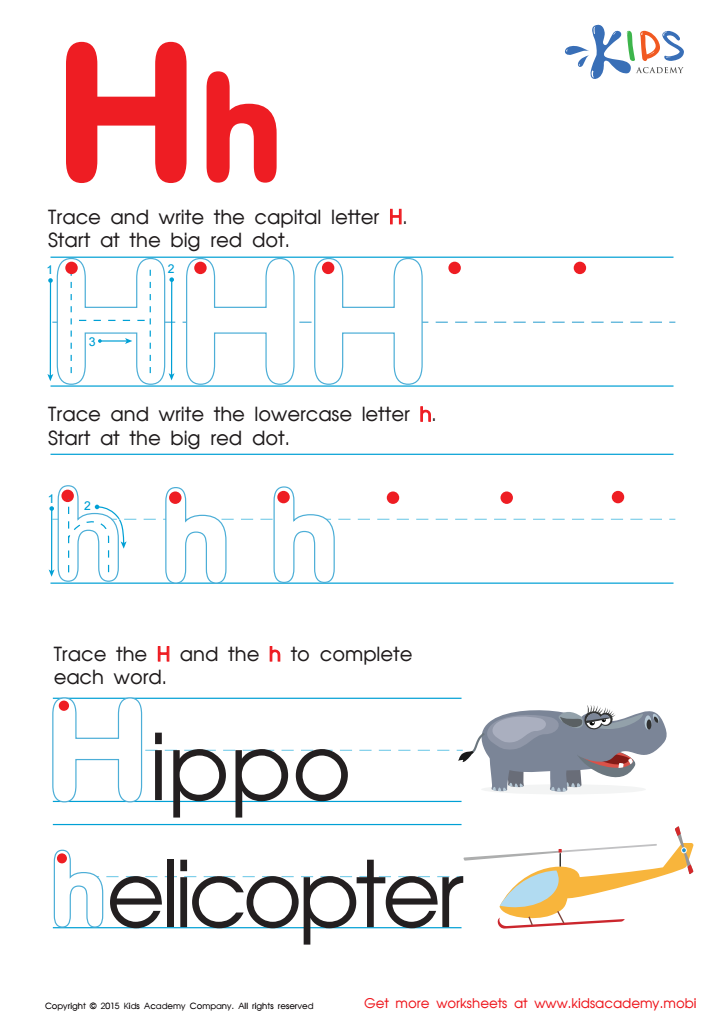
Letter H Tracing Page
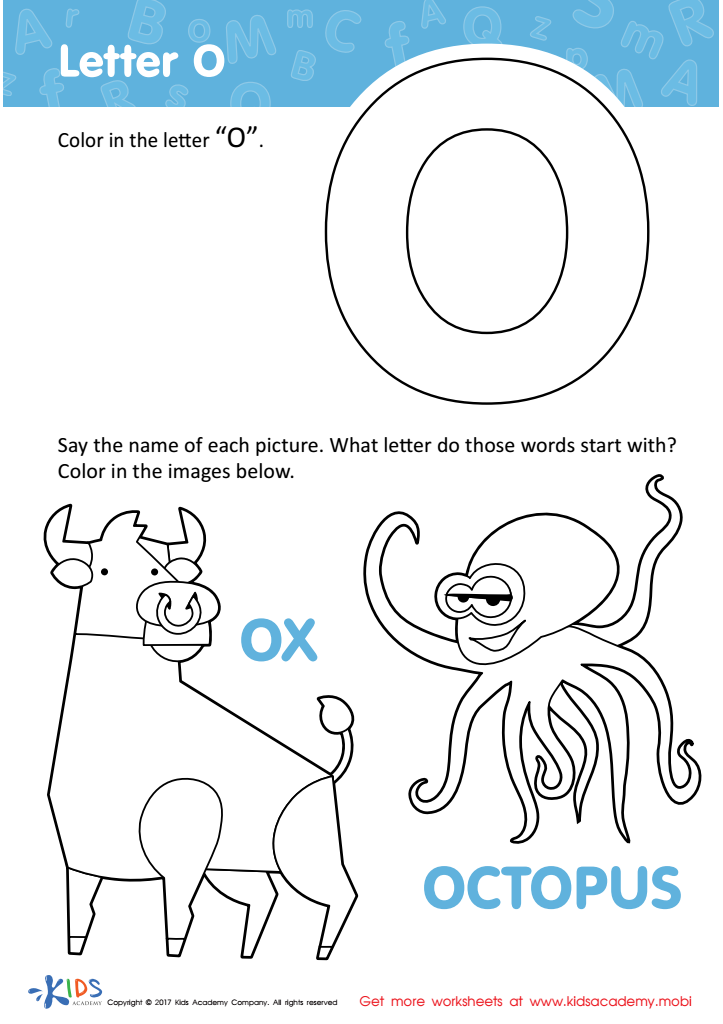
Letter O Coloring Sheet
 Assign to My Students
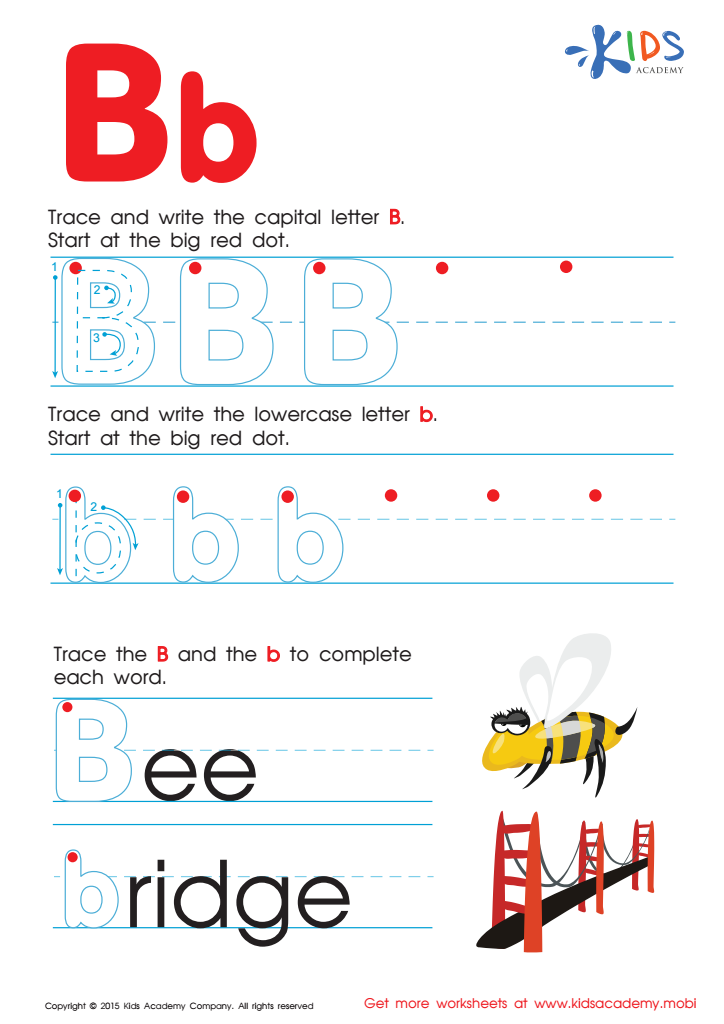
Letter B Tracing Page




Motor skills development is very important for young children, especially those aged 3 to 6. Motor skills include both fine motor skills, like using their fingers, and gross motor skills, like running and jumping. Parents and teachers should care about this because motor skills help children in many ways.
First, good motor skills help children play and have fun. When they can run, jump, and throw, they can enjoy games with friends. Second, they need fine motor skills for everyday tasks, like holding a pencil, cutting with scissors, and buttoning their shirts. These skills are important for learning at school.
Developing motor skills also helps with a child's overall growth. It boosts their confidence and independence. When children practice moving their bodies effectively, they feel strong and capable. This positive feeling can lead to better social skills, as they interact more with other kids.
In summary, both parents and teachers should focus on motor skills development, as it is essential for children's physical, social, and emotional growth. With strong motor skills, children can enjoy activities, learn new things, and feel good about themselves. Simple activities like playing, drawing, and dancing can all help in this development.