Hand-eye Coordination Normal Reading Worksheets for Ages 3-6
5 filtered results
-
From - To
Enhance your child's developmental skills with our Hand-Eye Coordination Reading Worksheets designed for ages 3-6. These fun and engaging activities are crafted to improve fine motor skills and visual-motor integration while laying the foundation for reading readiness. Each worksheet combines colorful illustrations and interactive tasks to keep young learners captivated. As your child traces, colors, and draws, they’ll be building crucial skills that aid in everyday tasks and academic success. Perfect for both classroom use and at-home enrichment, boost your child's confidence and abilities with our expertly designed resources. Make learning enjoyable and effective today!
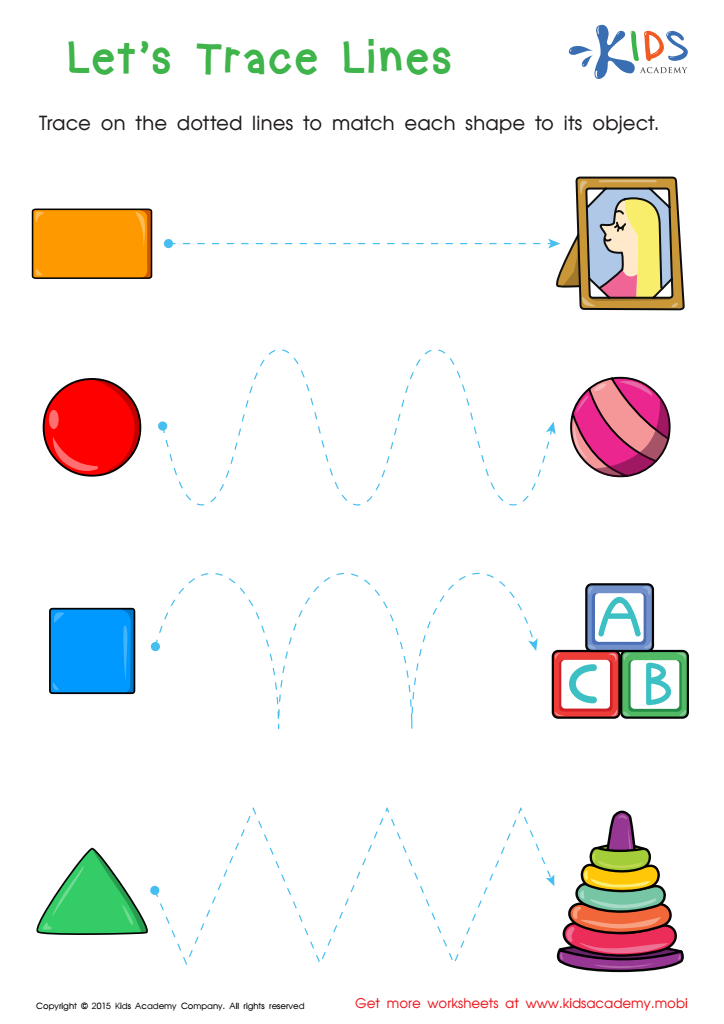
First Words: Let's Trace Lines Worksheet

Long and Short U Worksheet
 Assign to My Students
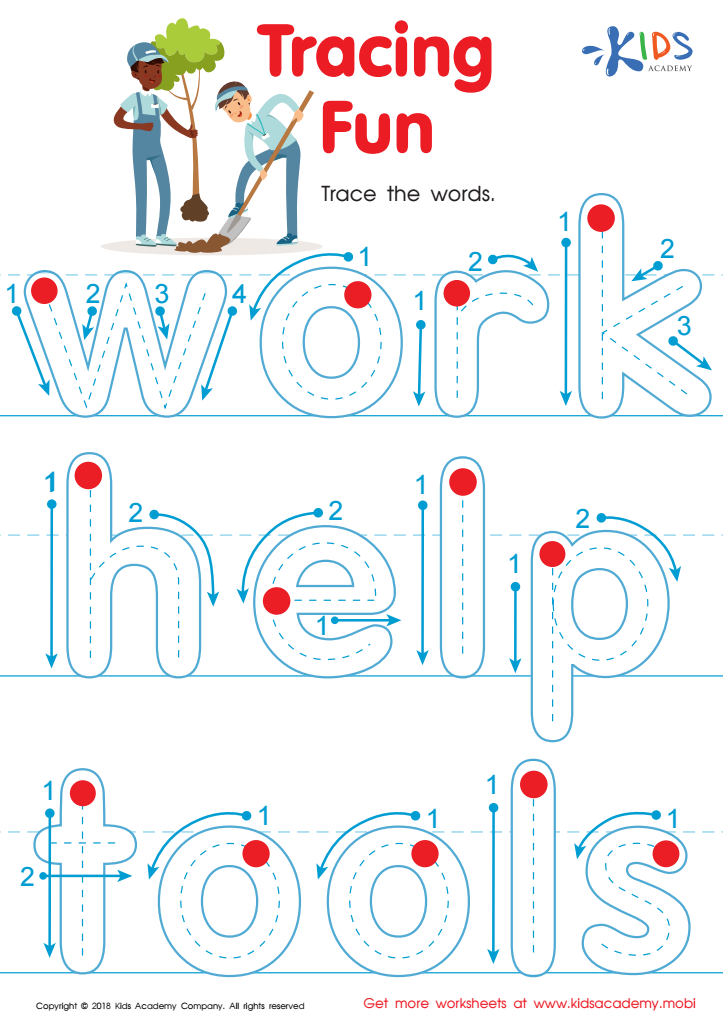
Tracing Fun Worksheet
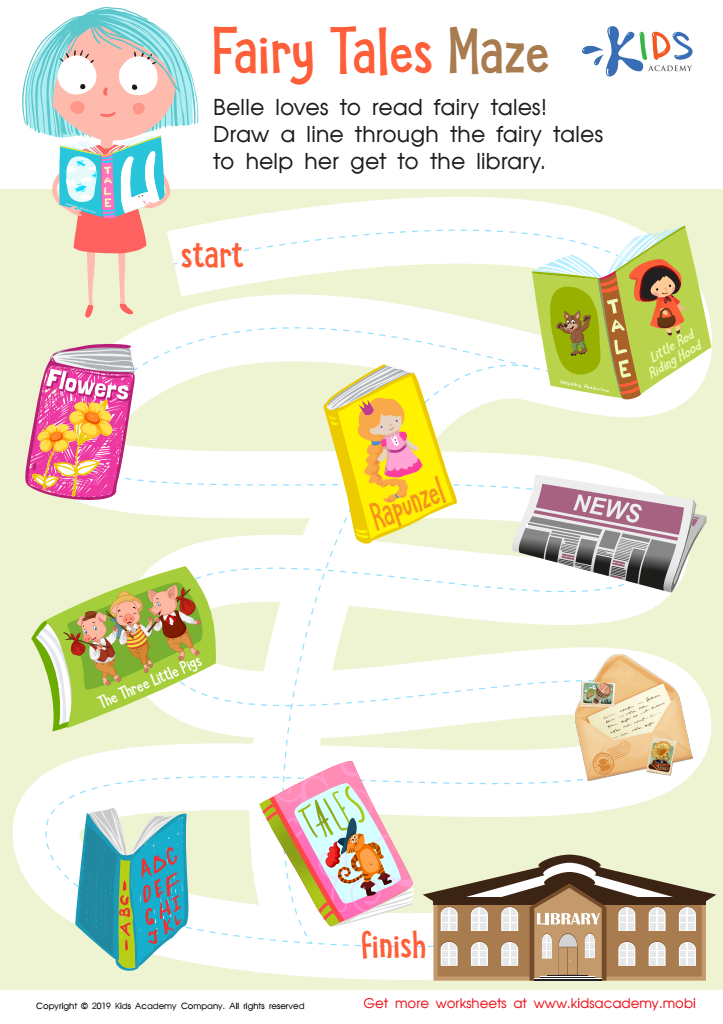
Fairy Tales Maze Worksheet
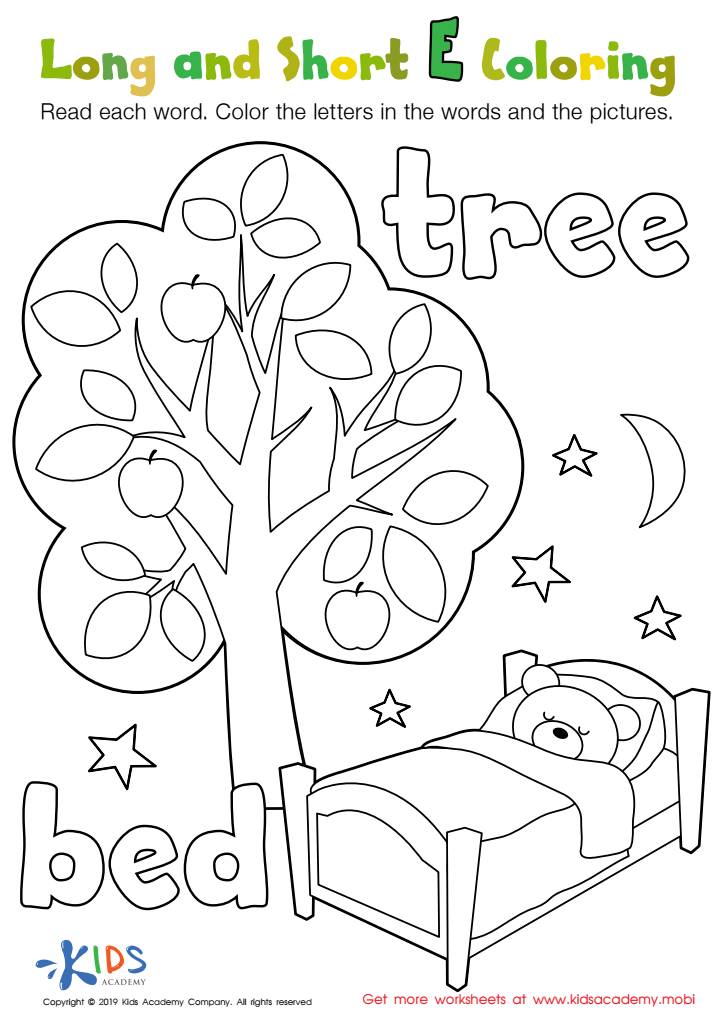
Long and Short E Worksheet
Assign to My Students





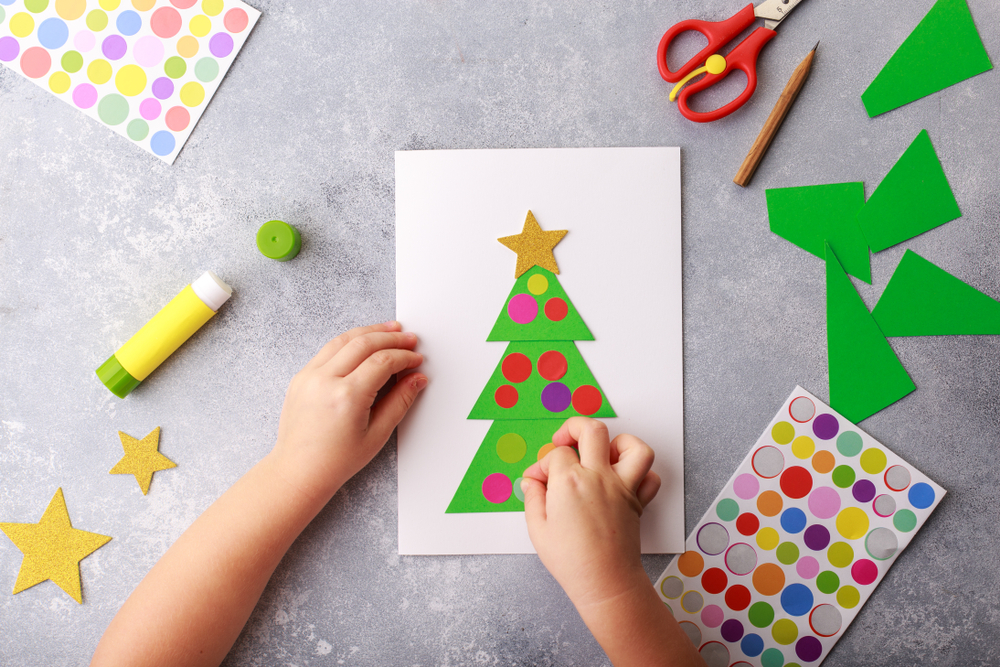


Hand-eye coordination is crucial for young children aged 3-6 because it lays the foundation for a multitude of essential skills they will need throughout their lives. When a child reads normally and effectively, their eyes and hands work together harmoniously, enabling them to navigate through text smoothly. This coordination is vital for developing literacy skills, one of the primary goals at this stage of education.
Good hand-eye coordination also impacts other areas of learning and everyday activities. For example, it enhances fine motor skills, which are necessary for tasks such as writing, drawing, and even tying shoelaces. These skills are directly related to a child's academic performance and independence. Engaging in activities that promote hand-eye coordination, such as puzzles and interactive reading, can, therefore, be immensely beneficial.
Moreover, hand-eye coordination is not only limited to academics; it's also essential for physical activities. Sports, playing musical instruments, and even simple playground activities require well-developed coordination to prevent injuries and help children excel.
By prioritizing hand-eye coordination through normal reading and relevant activities, parents and teachers invest in the holistic development of children. This not only bolsters their academic prowess but also augments their physical and cognitive abilities, setting them up for future success.








