Motor skills development Normal ABC Letters Worksheets for Ages 3-8
3 filtered results
-
From - To
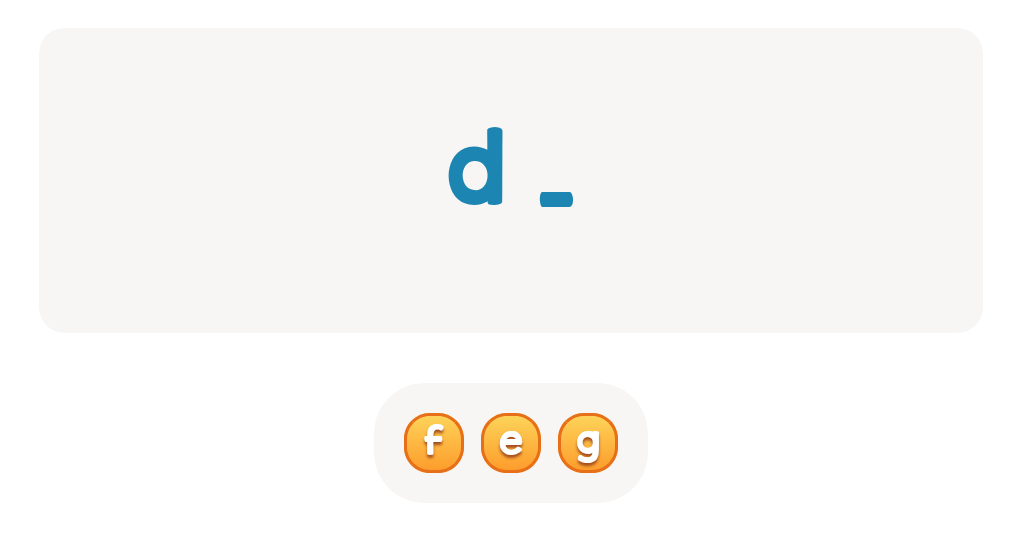
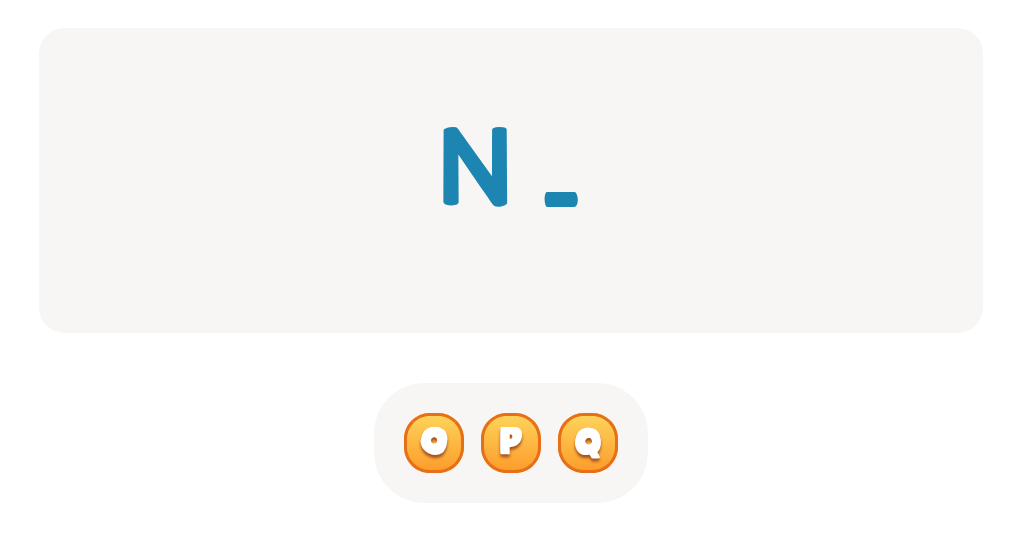
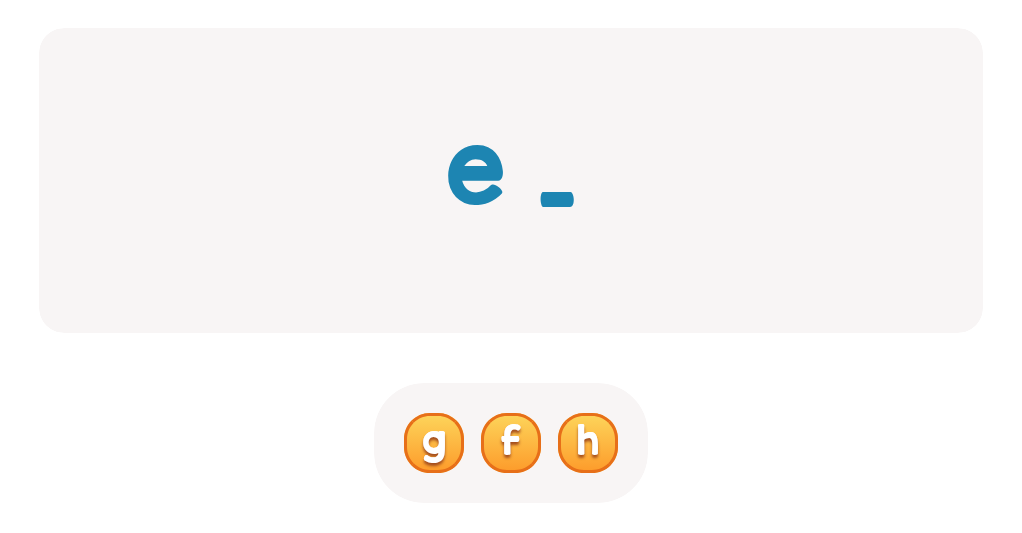
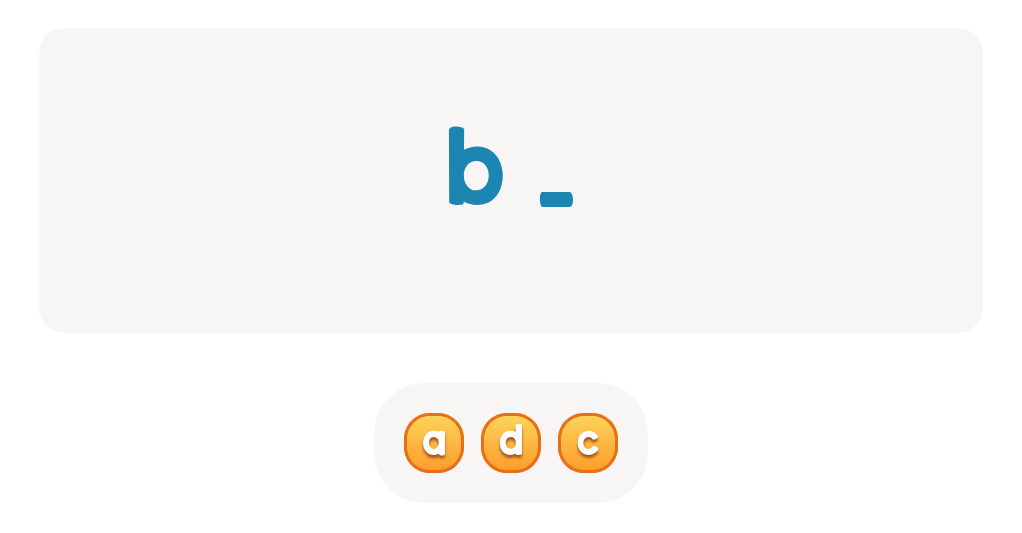
Enhance your child's motor skills and early literacy with our "Motor Skills Development Normal ABC Letters Worksheets" designed for ages 3-8. These engaging worksheets offer fun activities that promote fine motor skills through tracing, writing, and coloring the alphabet. Ideal for preschool and kindergarten levels, our resources support children in mastering letter recognition while developing hand-eye coordination and dexterity. With a variety of playful exercises, your child will build confidence and fluency in their writing skills. Perfect for at-home learning or classroom use, these worksheets ensure that learning the alphabet is enjoyable and interactive. Start your child's educational journey today!

Letter H Tracing Page



Letter O Coloring Sheet
 Assign to My Students

Letter B Tracing Page








Parents and teachers should prioritize motor skills development, particularly in relation to normal ABC letters for children aged 3-8, because these foundational skills are essential for both academic and overall development. Mastering motor skills enables children to perform critical tasks, such as writing, which is directly linked to their ability to express ideas and communicate effectively. When children learn to properly form letters, they not only enhance their handwriting but also improve their fine motor coordination and dexterity, which are vital for more complex skills later in life.
Additionally, developing motor skills engages various cognitive processes, fostering concentration and discipline. Practical activities involving letter formation play a crucial role in encouraging children to explore patterns and shapes, laying the groundwork for future literacy skills and critical thinking. These experiences contribute to self-esteem and confidence, as children gain a sense of accomplishment in completing tasks.
Moreover, strong motor skills are linked to overall physical health, promoting active lifestyles and reducing the risk of learning difficulties or frustration in academics down the line. Investing time in motor skills development is not only about writing letters but about nurturing well-rounded, capable individuals ready to thrive in their educational journeys and beyond.







