Alphabet Recognition Normal Letter Recognition Worksheets for Ages 3-8 - Page 2
30 filtered results
-
From - To
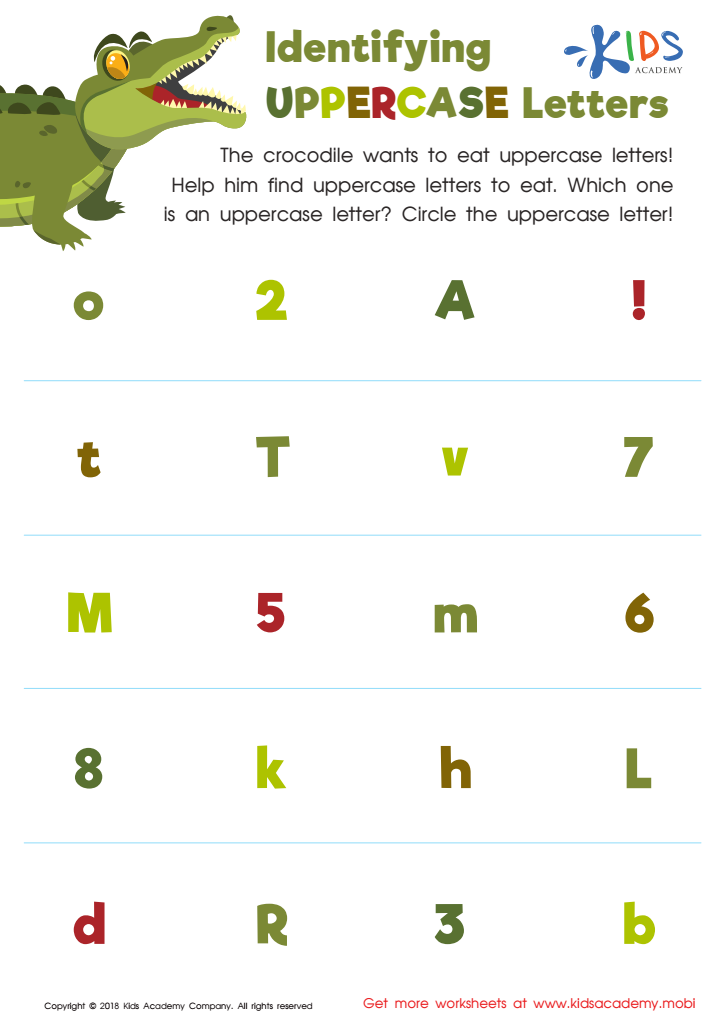
Identifying Uppercase Letters Worksheet
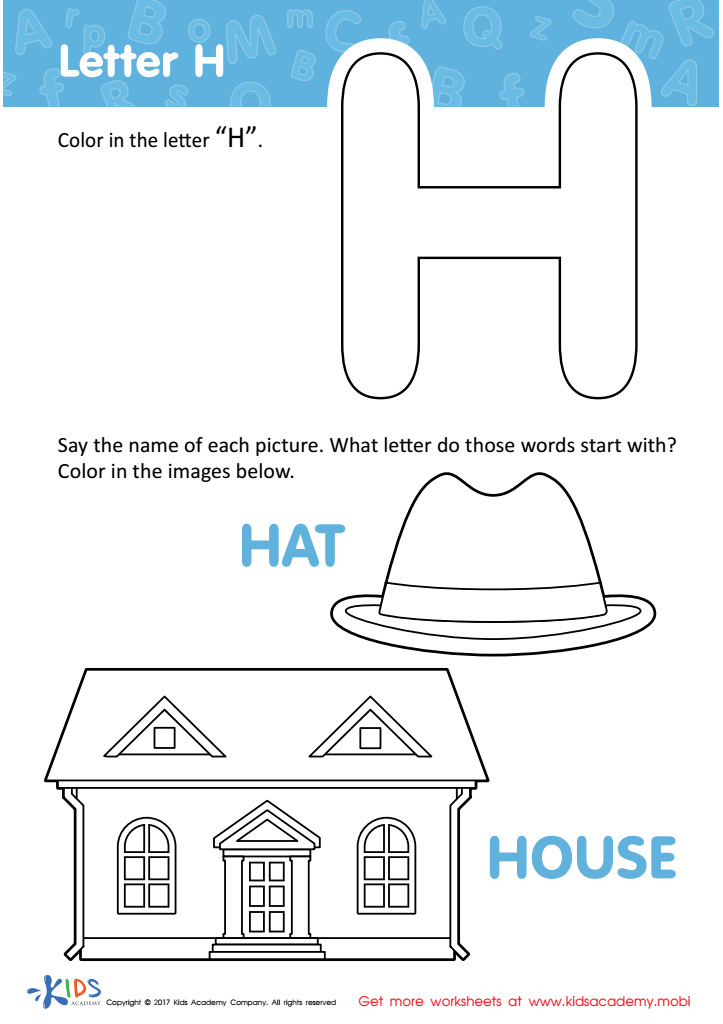
Letter H Coloring Sheet
 Assign to My Students
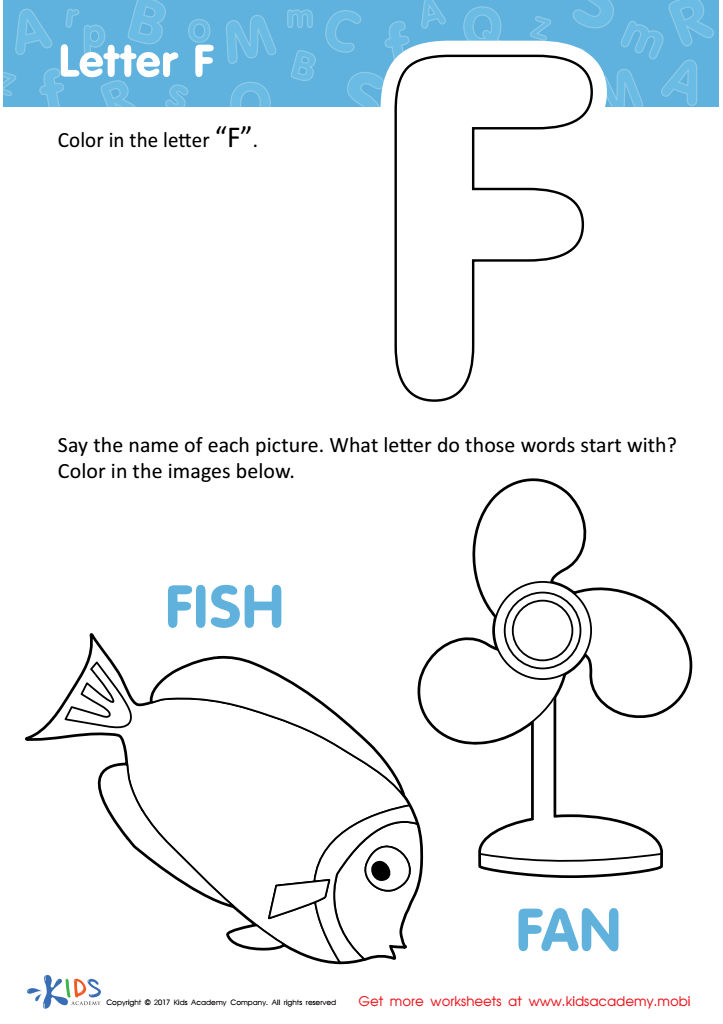
Letter F Coloring Sheet
Assign to My Students
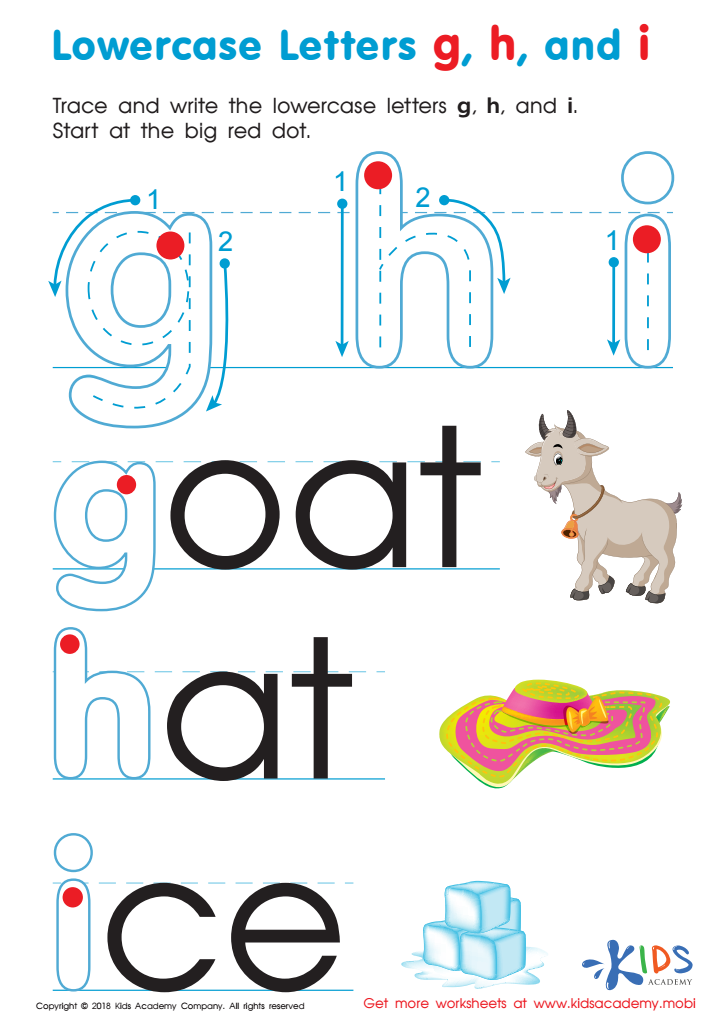
Lowercase Letters g h i Worksheet
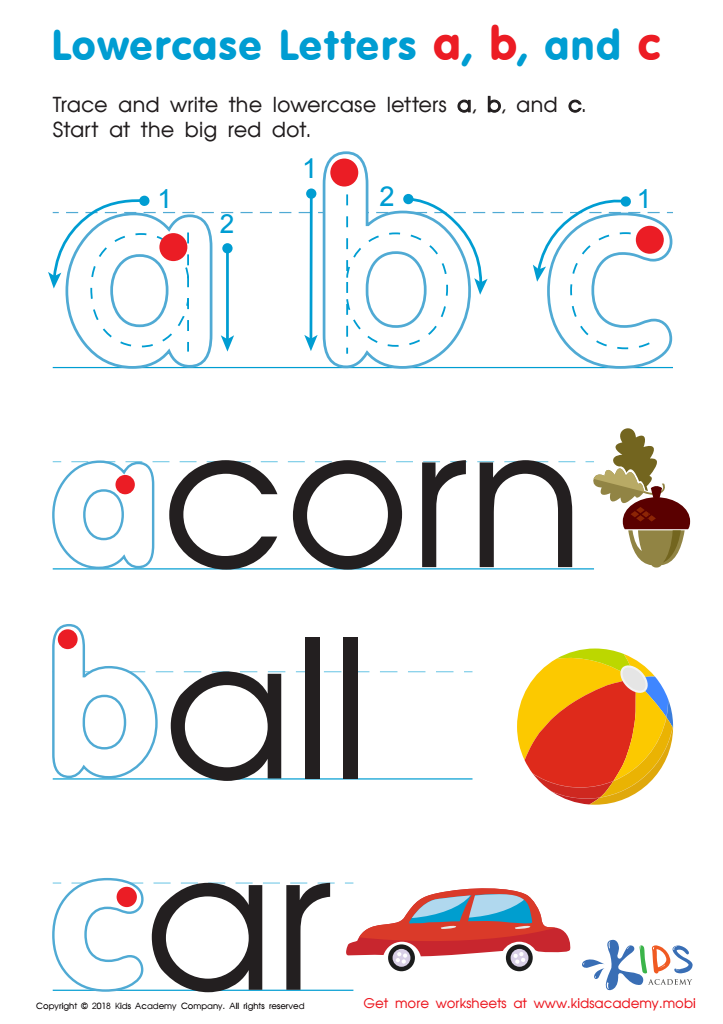
Lowercase Letters a b c Worksheet
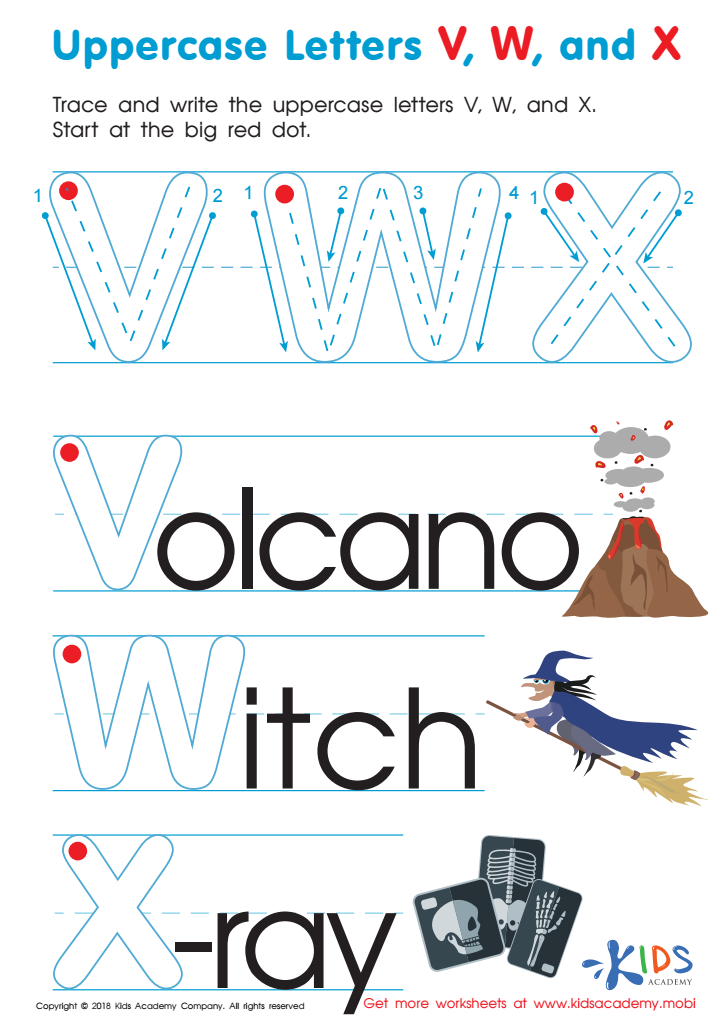
Uppercase Letters V, W, and X Worksheet








Alphabet recognition is a fundamental building block for early literacy, crucial for children between the ages of 3 and 8. During these formative years, children's brains are highly receptive to language acquisition and cognitive development. Learning to identify both the uppercase and lowercase letters of the alphabet is an essential step toward reading and writing proficiency.
Firstly, alphabet recognition enables children to understand that letters symbolize sounds, a cornerstone of phonemic awareness. This awareness is critical for effective decoding skills, where children learn to read by sounding out words. Without a strong grasp of which sounds correspond to which letters, reading fluency and comprehension become unattainable.
Secondly, early alphabet recognition fosters confidence and enthusiasm for learning. When children can correctly identify letters, they experience a sense of achievement, making the learning process enjoyable rather than frustrating. This positive reinforcement encourages a lifelong love for reading and learning.
Teachers and parents should prioritize alphabet recognition to set the stage for future academic success. Investing in activities like alphabet games, flashcards, and songs can make the learning process engaging and effective. By focusing on alphabet recognition in these pivotal early years, adults equip children with the essential tools they will need for more complex literacy skills, ensuring they are well-prepared for their educational journey.








