Hand-eye Coordination Normal Letter Recognition Worksheets for Ages 3-8
7 filtered results
-
From - To
Enhance your child's learning experience with our Hand-eye Coordination Normal Letter Recognition Worksheets designed for ages 3-8. These engaging worksheets help young learners strengthen their hand-eye coordination while mastering letter recognition essential for early literacy development. Each worksheet features fun activities that encourage children to trace, match, and connect letters through interactive exercises. Ideal for parents and educators seeking to provide a balanced approach to skill building, these resources promote fine motor skills, focus, and confidence in young learners. Start your child’s educational journey today by exploring our printable worksheets that make learning fun and interactive!
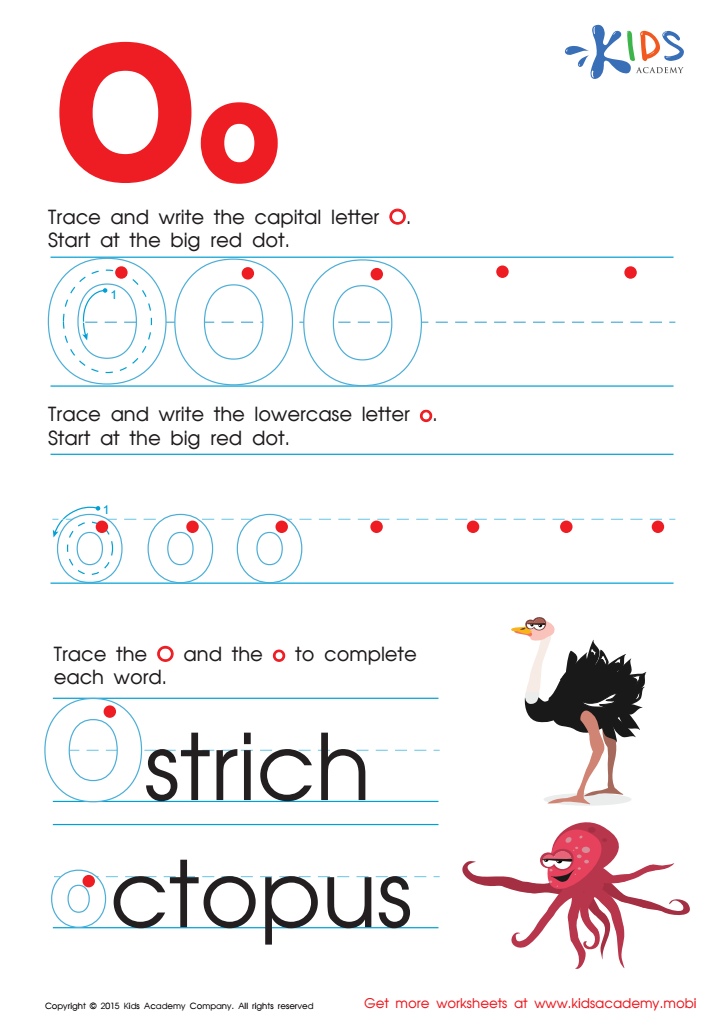
Letter O Tracing Page
 Assign to My Students
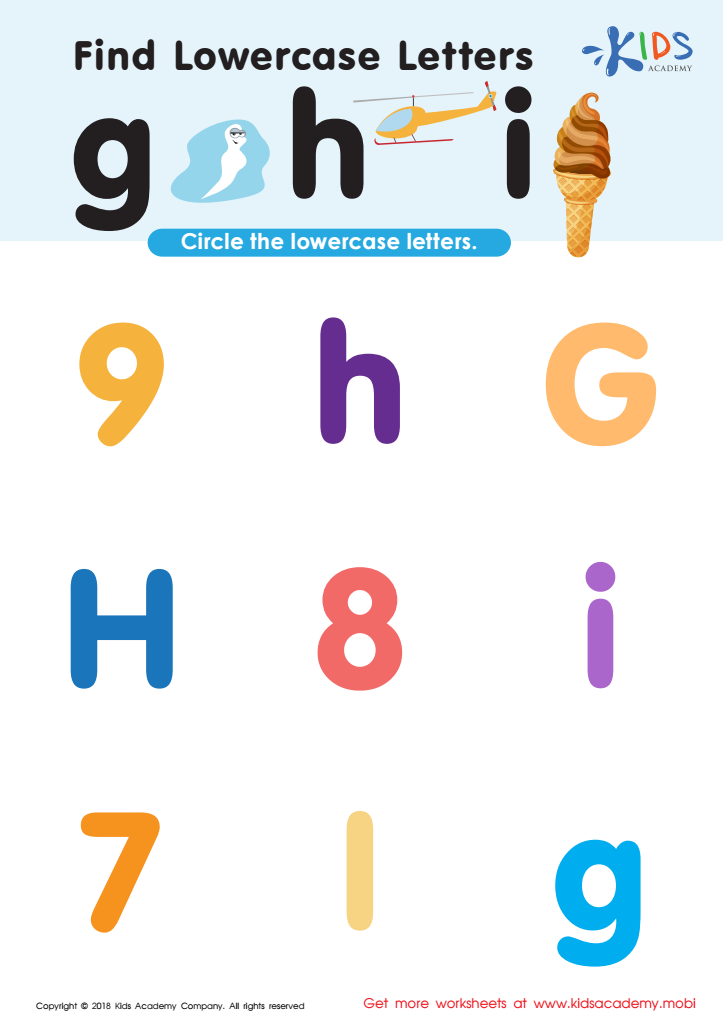
Find Lowercase Letters g h i Worksheet
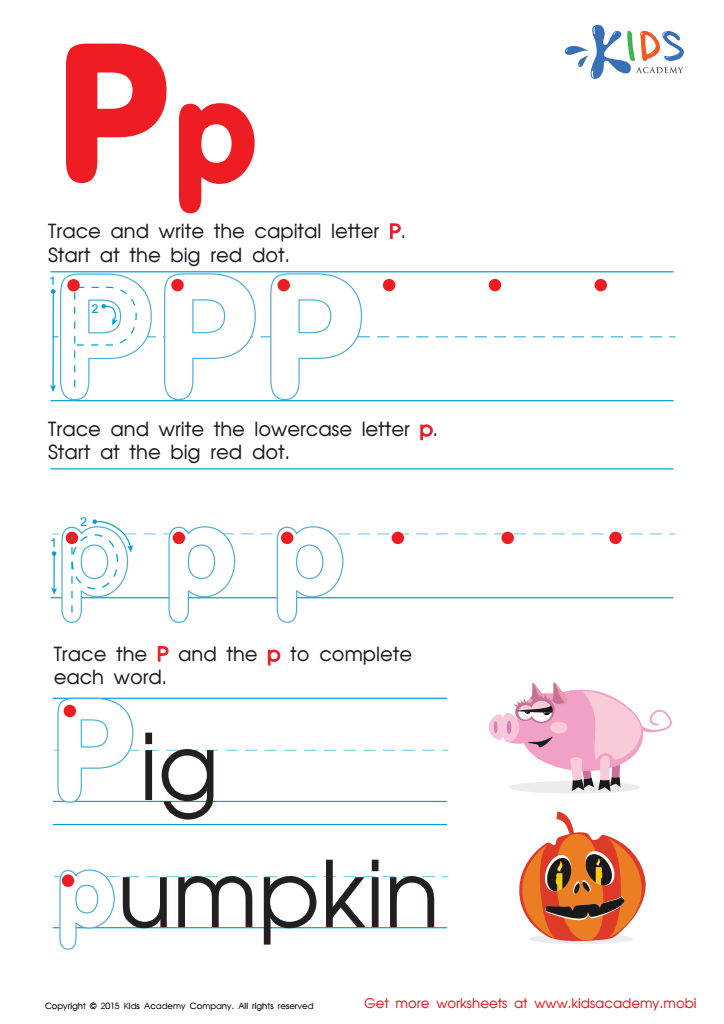
Letter P Tracing Page

Letter H Tracing Page
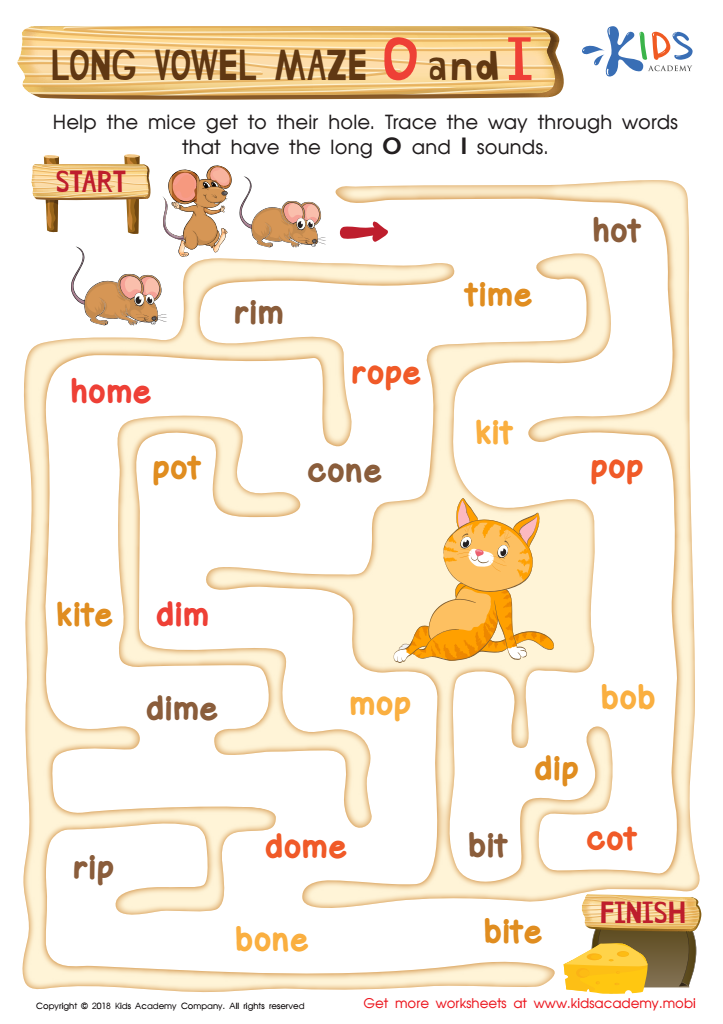
Long Vowel Maze /o/ and /i/ Worksheet
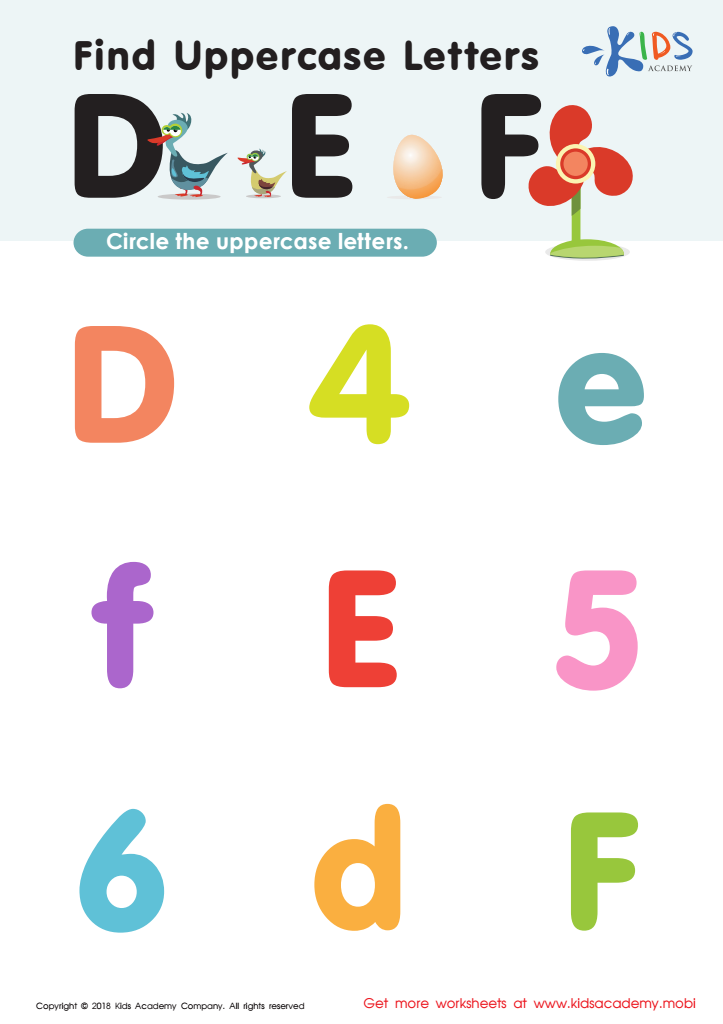
Find Uppercase Letters D, E, and F Worksheet
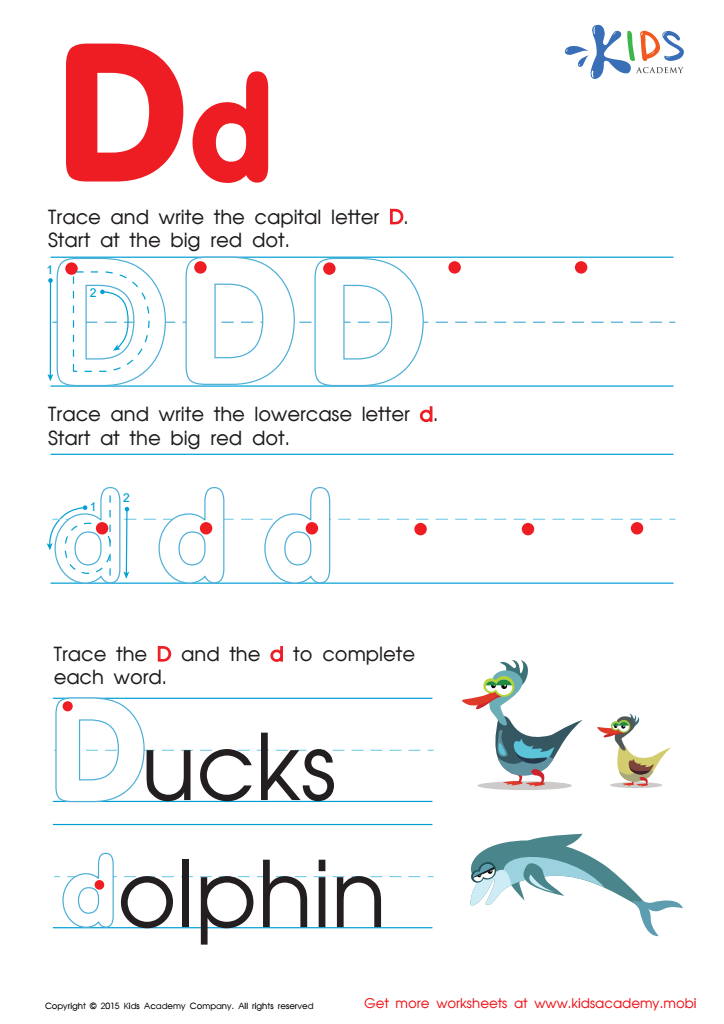
Letter D Tracing Page








Hand-eye coordination and normal letter recognition are crucial developmental skills for children aged 3-8. Parents and teachers should care about these abilities as they form the foundation for future learning and academic success.
Hand-eye coordination allows children to perform tasks that require the integration of visual input and physical movement. Activities like drawing, writing, and even sports prepare children for later academic skills. Improved coordination helps in fine motor skills development, enabling easier manipulation of writing tools and other classroom materials.
Normal letter recognition is essential for early literacy. Recognizing letters forms the first step in reading, writing, and overall language comprehension. Knowing letters supports vocabulary development and boosts confidence when children begin to decode words. Early familiarity with letters connects to better reading and writing skills as they move up in grade levels.
By fostering hand-eye coordination and letter recognition, parents and teachers can provide enriching environments that enhance learning. Engaging in playful activities such as puzzles, arts and crafts, and educational games further supports these skills. Ultimately, investing time and resources into developing these abilities can have lasting benefits, paving the way for a child’s educational journey and fostering a lifelong love of learning.








