Motor skills development Normal Letter Recognition Worksheets for Ages 3-8
3 filtered results
-
From - To
Unlock your child's potential with our Motor Skills Development Normal Letter Recognition Worksheets, specially designed for ages 3-8! These engaging worksheets guide young learners in recognizing letters while simultaneously enhancing their fine motor skills. Each activity encourages exploration through tracing, coloring, and drawing, making alphabet learning fun and interactive. Parents and educators can use these resources to support early literacy development in a playful way. Perfect for home or classroom settings, our worksheets aim to foster essential skills that build a strong foundation for reading and writing success. Explore our collection today and watch your child thrive!
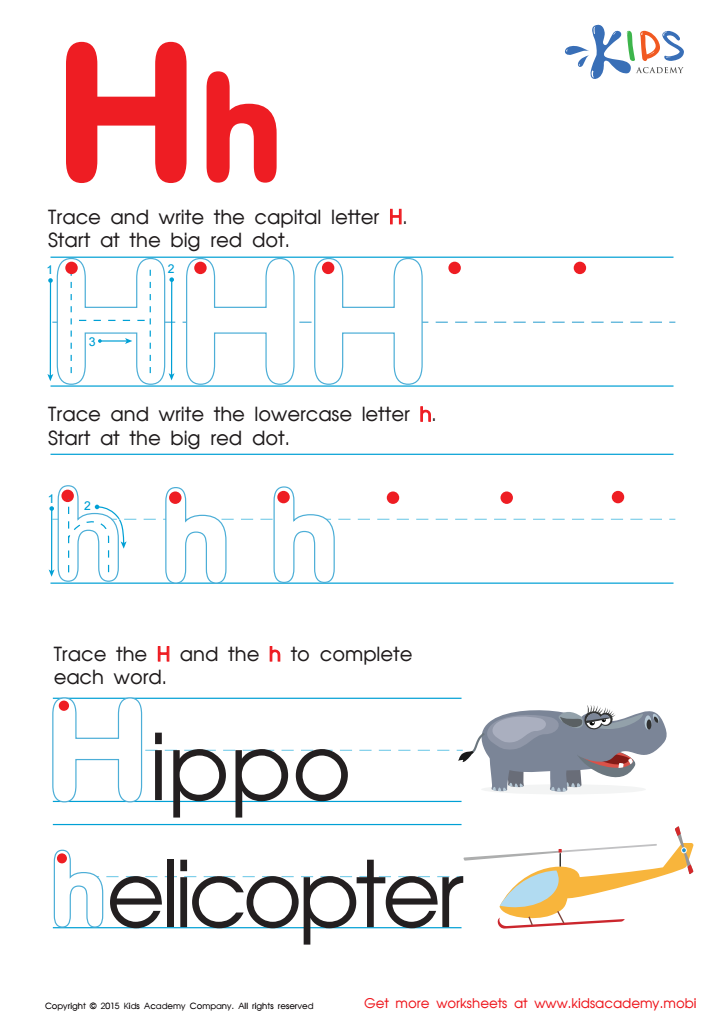
Letter H Tracing Page
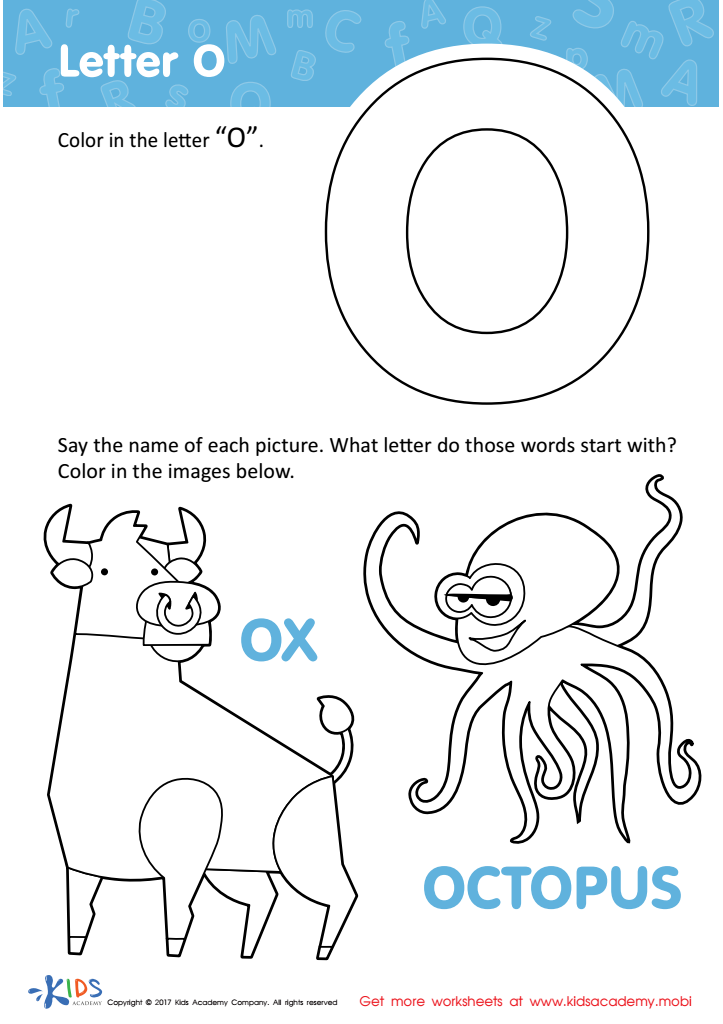
Letter O Coloring Sheet
 Assign to My Students
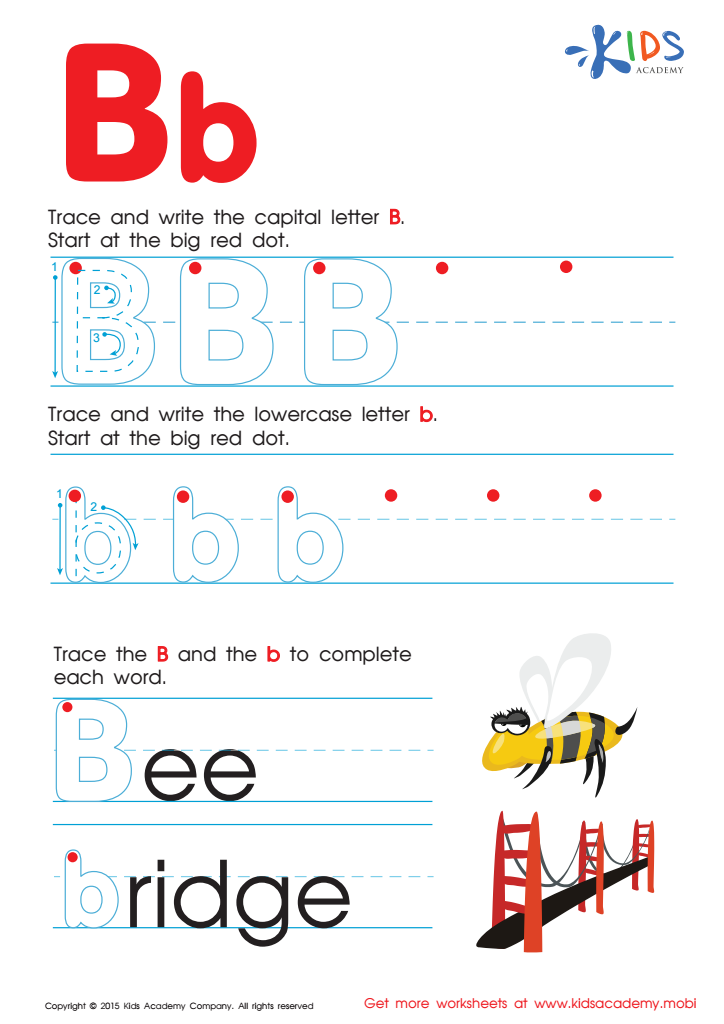
Letter B Tracing Page








Motor skills development and normal letter recognition are foundational aspects of a child’s early learning journey, making them crucial areas of focus for parents and teachers. Mastering fine motor skills, such as gripping a pencil or using scissors, equips children with the necessary tools for writing and drawing. These skills lay the groundwork for academic success and boost confidence as they engage in classroom activities.
Additionally, letter recognition is vital for early literacy. Recognizing letters is the first step in reading and writing, supporting phonemic understanding and vocabulary development. When children can identify letters by name and sound, they are better prepared to decode words, making the transition into reading smoother and more enjoyable.
Furthermore, the interplay of motor skills and letter recognition fosters overall cognitive development. Engaging in activities that promote both—like writing, crafting, or interactive letter games—encourages fine motor dexterity while reinforcing letter learning in a fun way. By prioritizing these developmental milestones, parents and teachers create a strong foundation for future academic and social success, nurturing confident learners who are equipped to thrive in an increasingly literate world. Investing time and resources in these skills is essential to support children's holistic growth.








