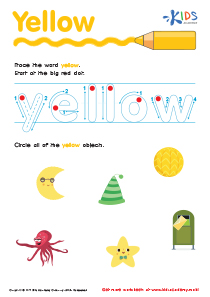
Alphabet Learning Normal English for Beginners Worksheets for Ages 3-8
3 filtered results
-
From - To
Discover our comprehensive collection of "Alphabet Learning Normal English for Beginners Worksheets for Ages 3-8". Tailored to young learners, these printable resources foster foundational language skills using engaging activities. Ideal for children aged 3-8, our worksheets cover letter recognition, tracing, and basic phonics. Each sheet is designed to captivate and educate through fun illustrations and interactive tasks. Whether at home or in the classroom, help your little ones master the alphabet with confidence. Visit us to explore and download these essential tools for early language development and set the stage for lifelong learning success.
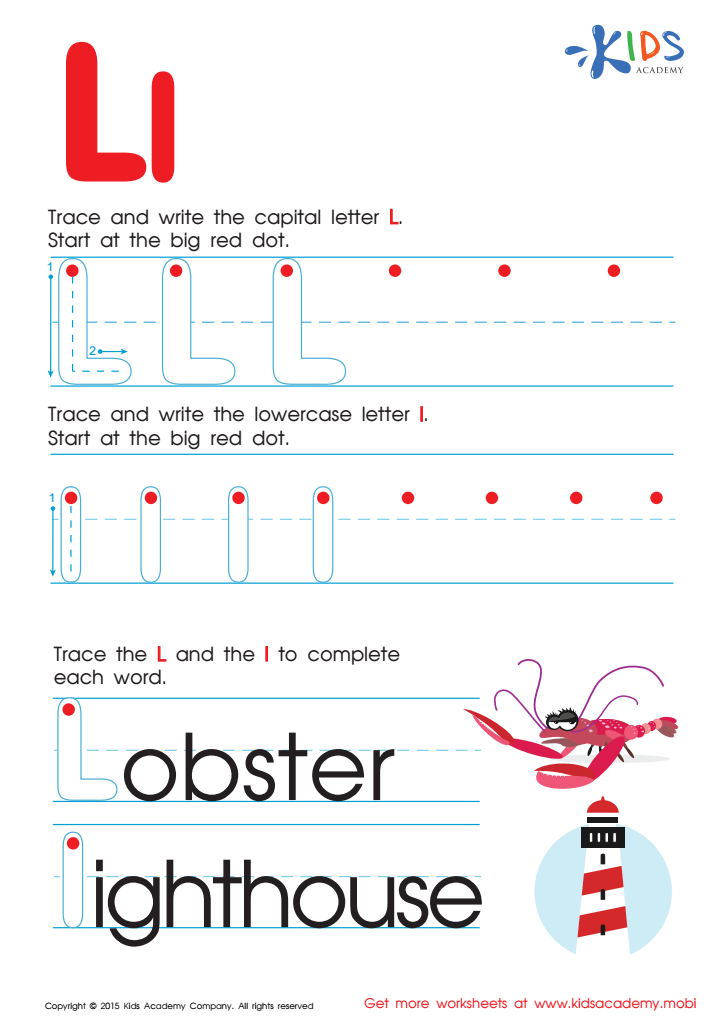
Letter L Tracing Page
 Assign to My Students
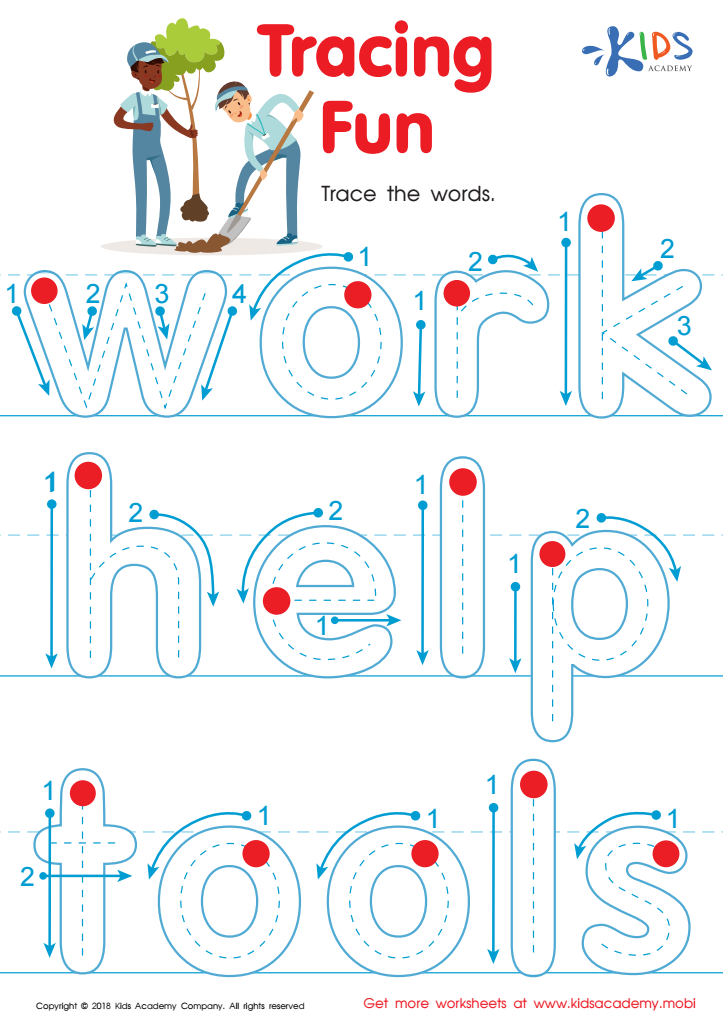
Tracing Fun Worksheet
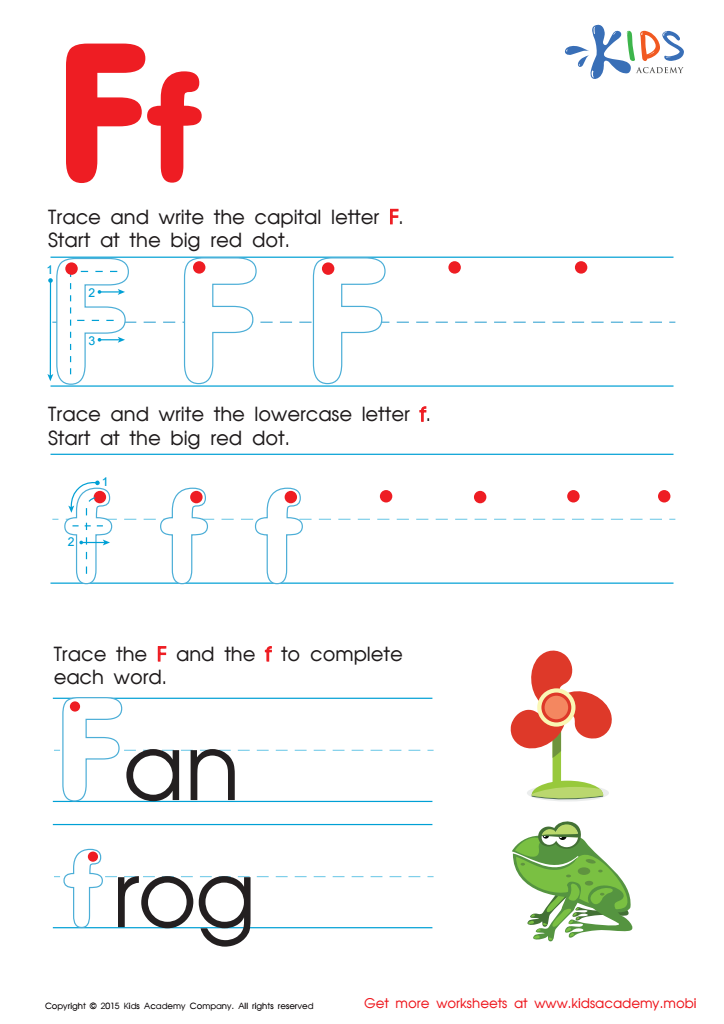
Letter F Tracing Page




Alphabet learning for young children, between the ages of 3-8, is crucial as it lays the foundation for literacy and language development. Understanding and recognizing letters at an early age helps children develop essential reading and writing skills. For parents and teachers, an emphasis on alphabet learning ensures that children grasp core components like letter names, shapes, and sounds, which are vital for decoding words and advancing in their reading journey.
Children who engage with the alphabet early on tend to have a smoother transition to reading books, writing simple sentences, and understanding basic instructions. This early grasp of literacy skills boosts their confidence and curiosity in learning. In addition, alphabet learning isn't just about memorization. It's an interactive experience that can include fun activities like singing alphabet songs, tracing letters, and playing letter-focused games, which enhance a child's fine motor skills and cognitive abilities.
By dedicating time to alphabet learning, teachers and parents are essentially setting up a strong academic foundation. This commitment to early education fosters a love for reading and continuous learning, which has profound long-term academic and social benefits. Engaging young minds with the alphabet encourages positive educational experiences that support a lifetime of learning and growth.