Alphabet Recognition Normal English for Beginners Worksheets for Ages 3-8
19 filtered results
-
From - To
Welcome to our "Alphabet Recognition Normal English for Beginners Worksheets" designed specifically for ages 3-8! These engaging worksheets help young learners recognize and master the English alphabet, laying a strong foundation for future literacy skills. Filled with vibrant illustrations and interactive activities, our materials make learning fun and effective. Each worksheet focuses on different letters and includes exercises such as tracing, matching, and identifying to boost recognition and retention. Ideal for classroom use or at-home learning, these resources support children in developing essential skills in a playful and supportive environment. Get ready for your child to excel in their journey with the alphabet!
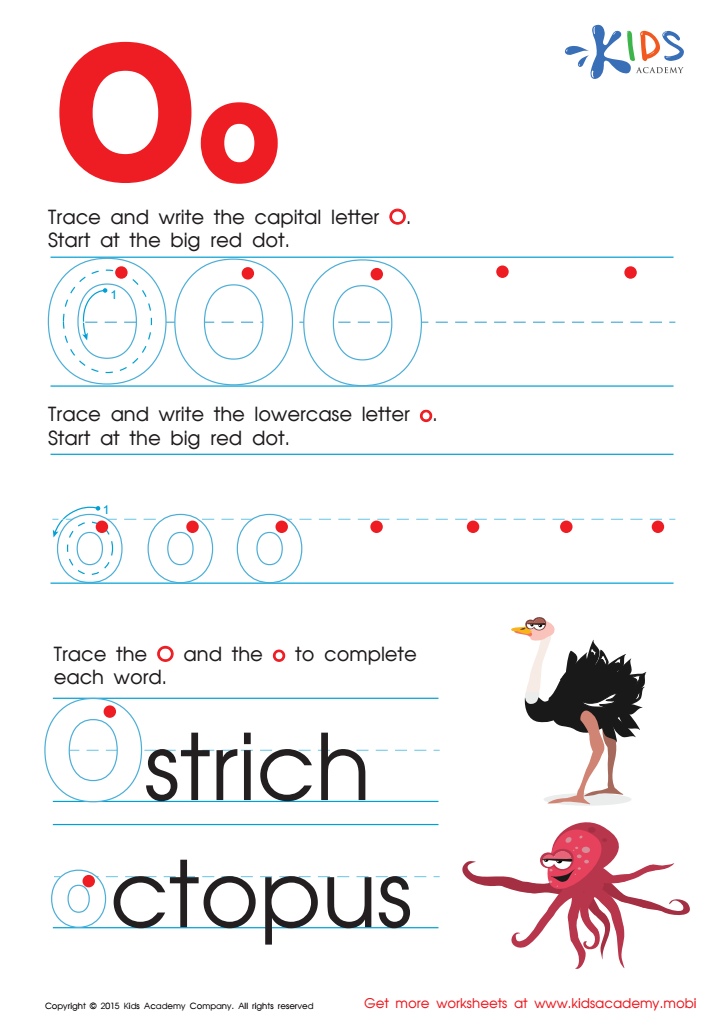
Letter O Tracing Page
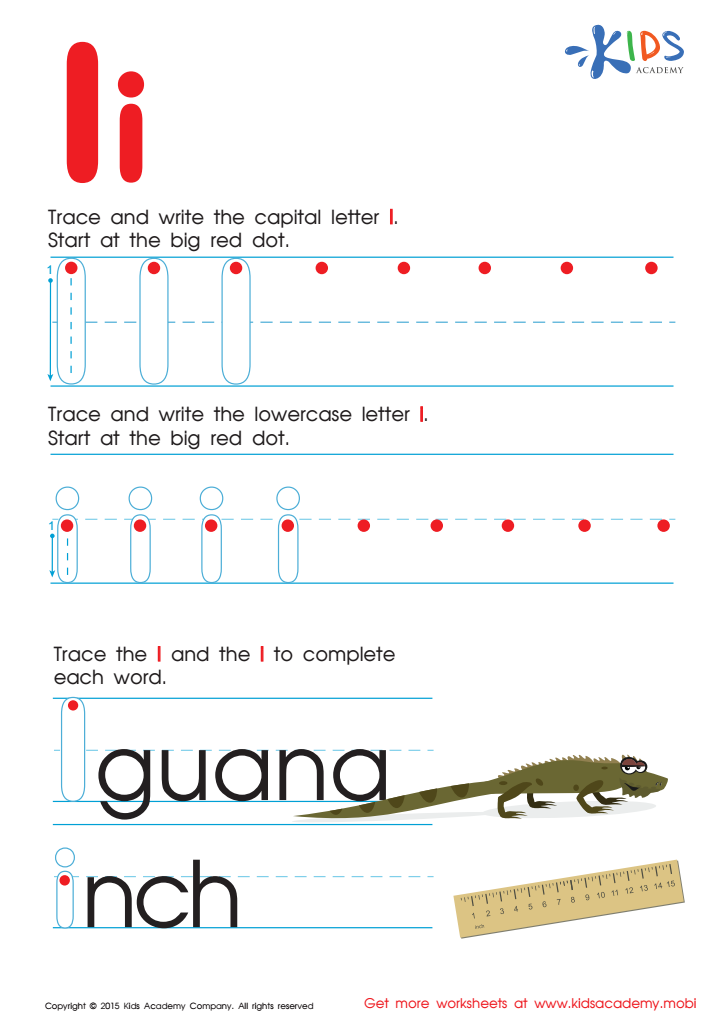
Letter I Tracing Page
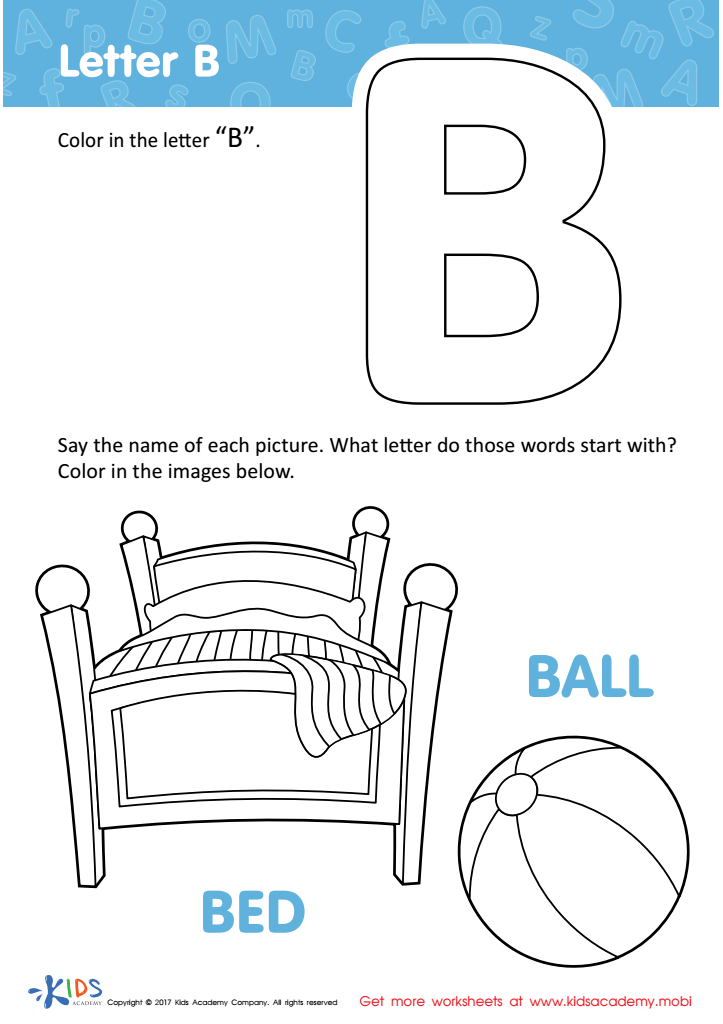
Letter B Coloring Sheet
 Assign to My Students
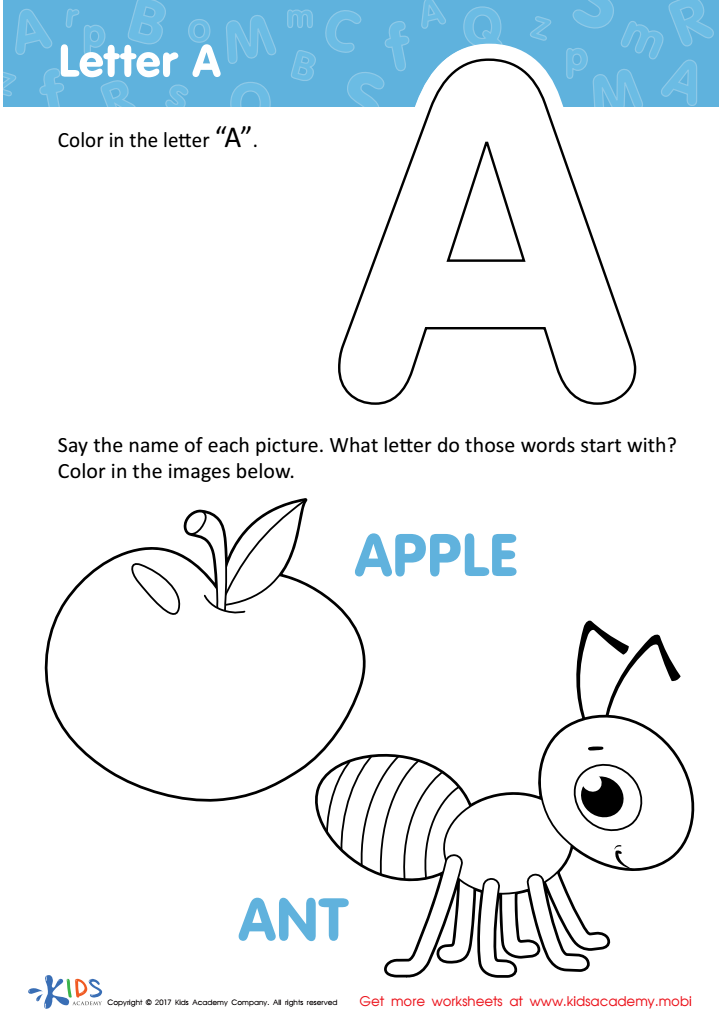
Letter A Coloring Sheet
Assign to My Students
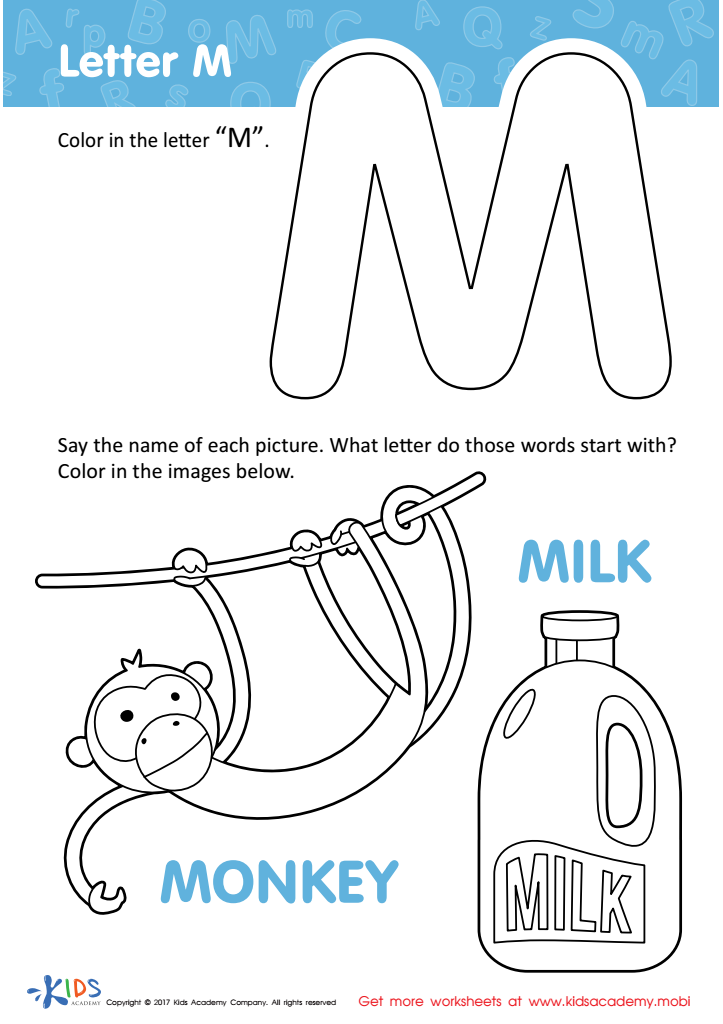
Letter M Coloring Sheet
Assign to My Students
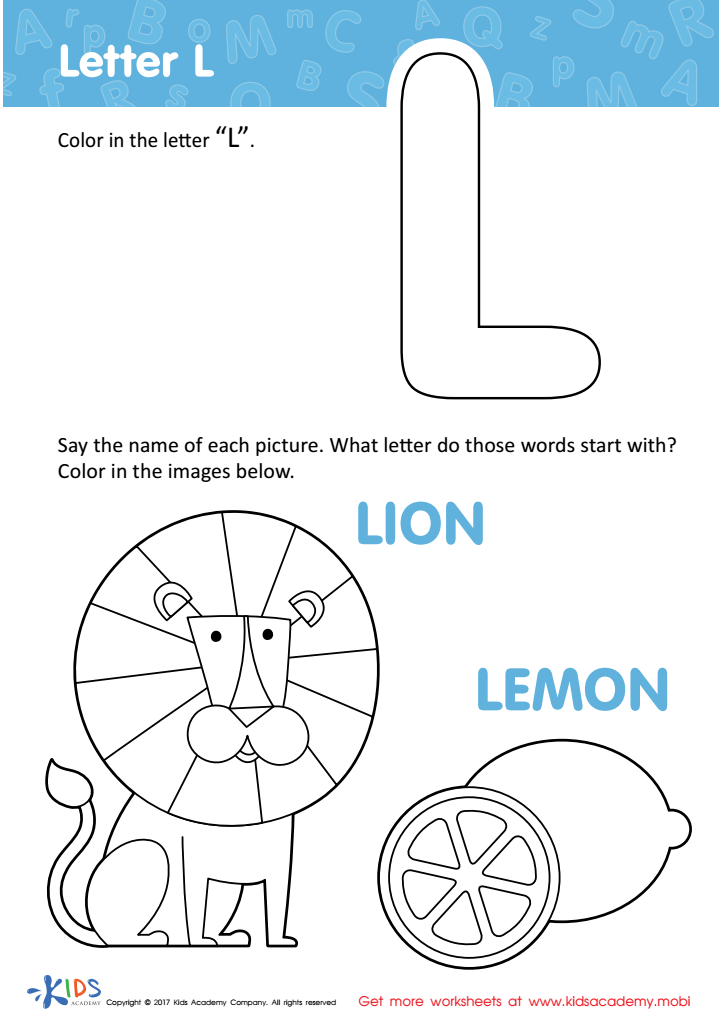
Letter L Coloring Sheet
Assign to My Students
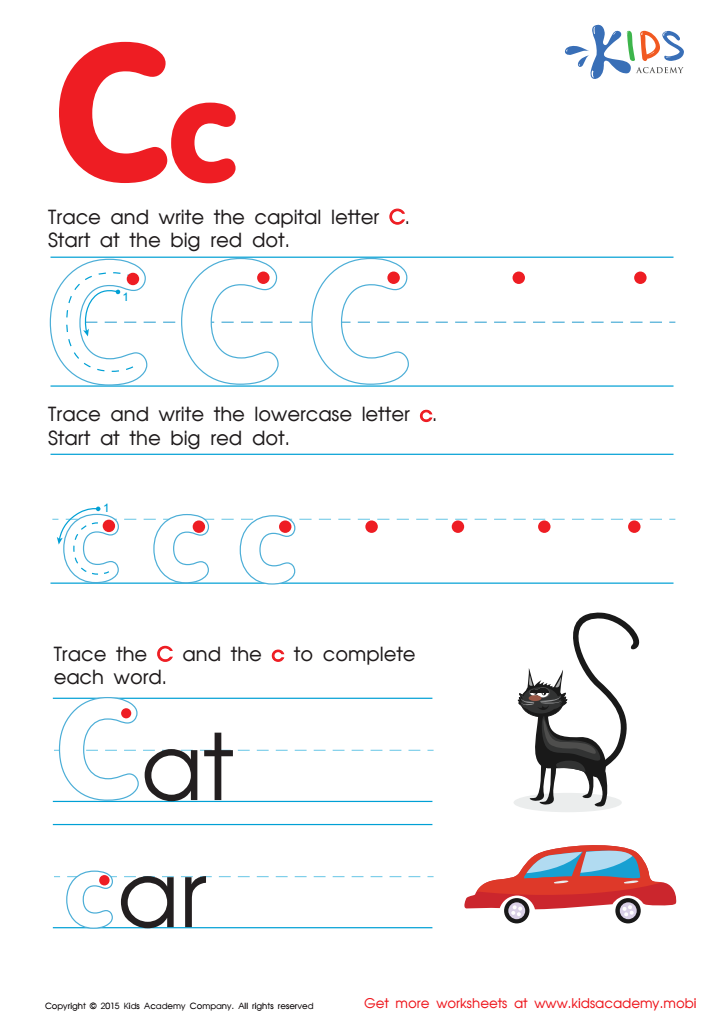
Letter C Tracing Page
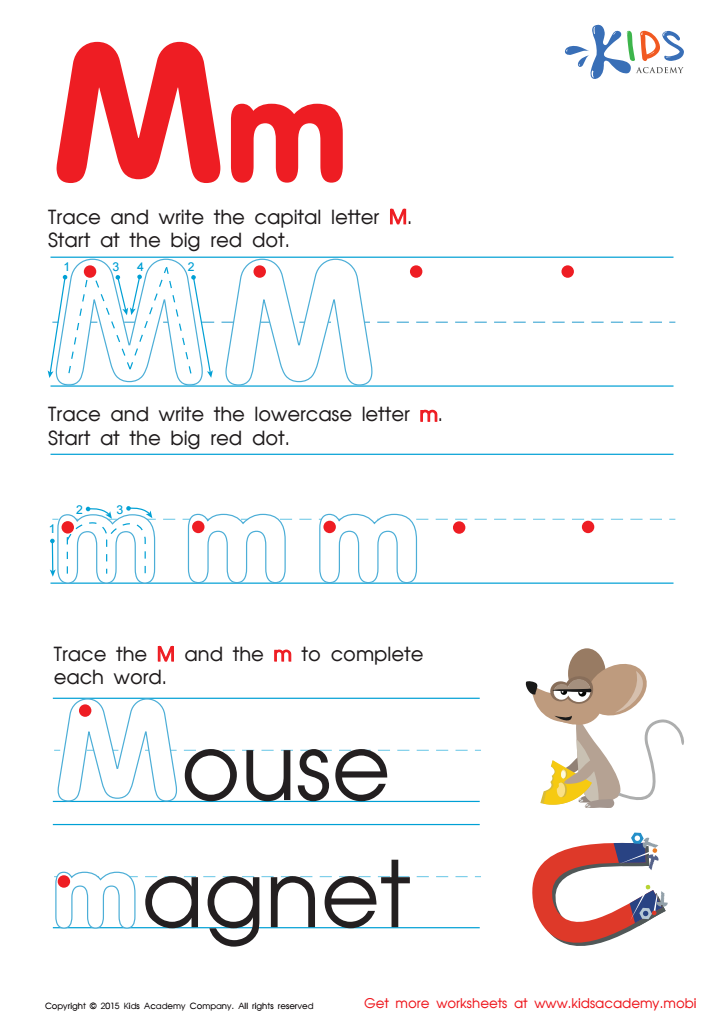
Letter M Tracing Page
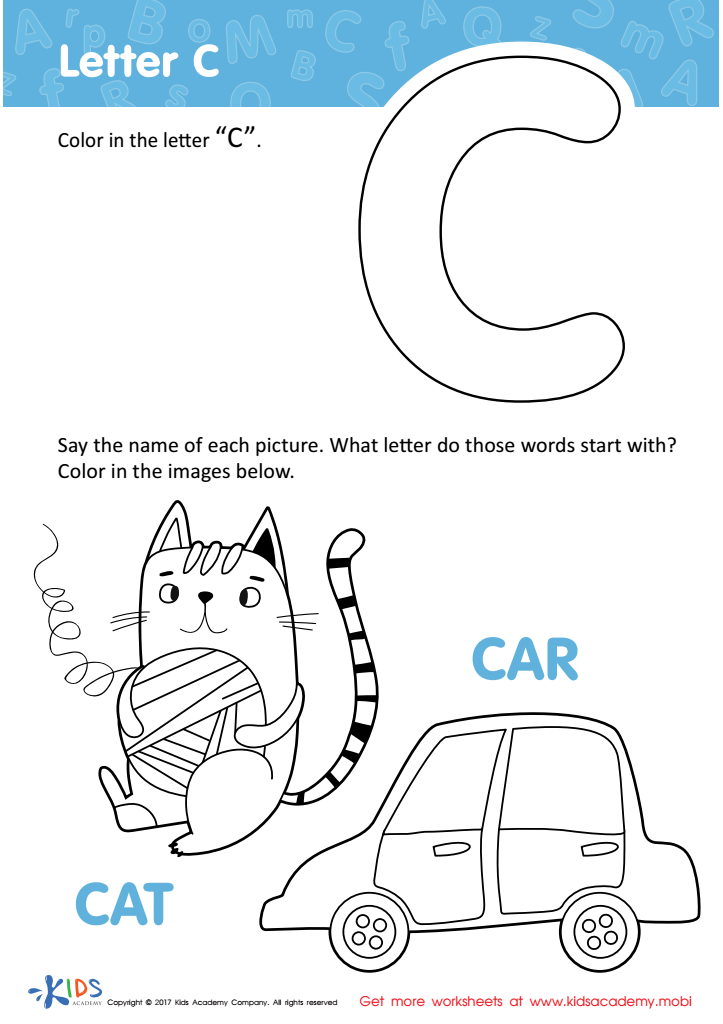
Letter C Coloring Sheet
Assign to My Students
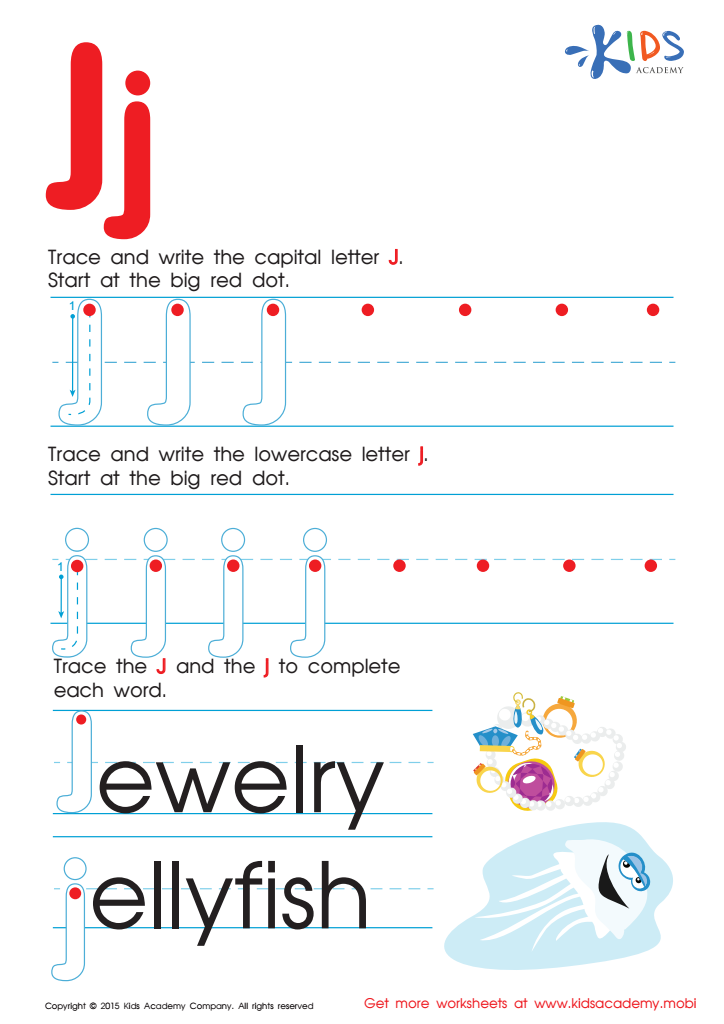
Letter J Tracing Page
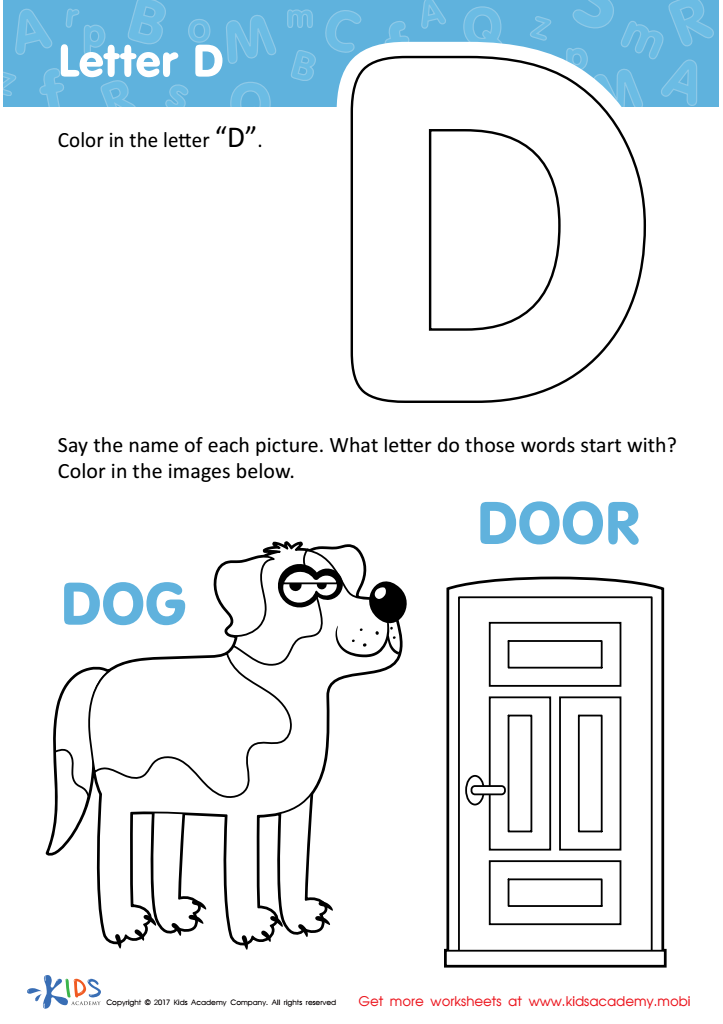
Letter D Coloring Sheet
Assign to My Students
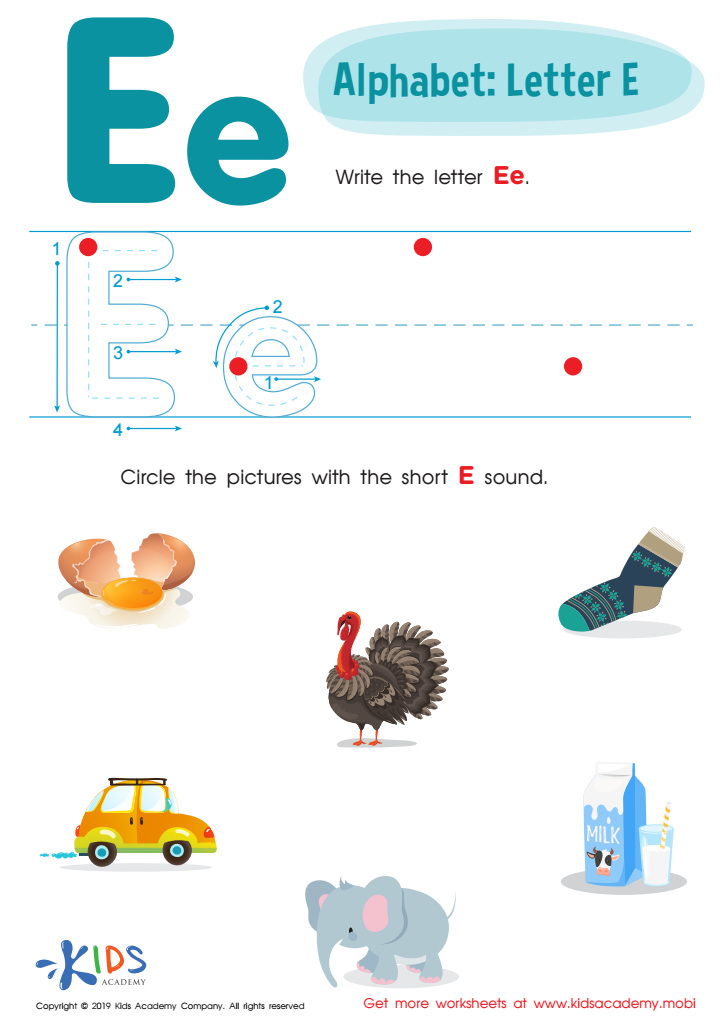
Letter E Tracing Worksheet
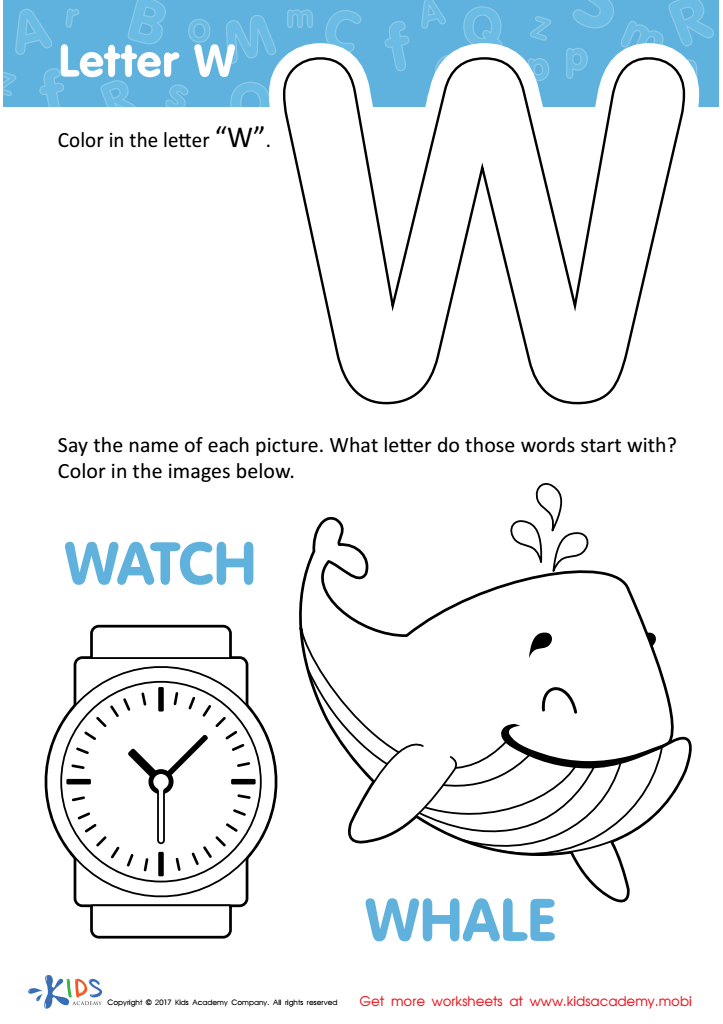
Letter W Coloring Sheet
Assign to My Students
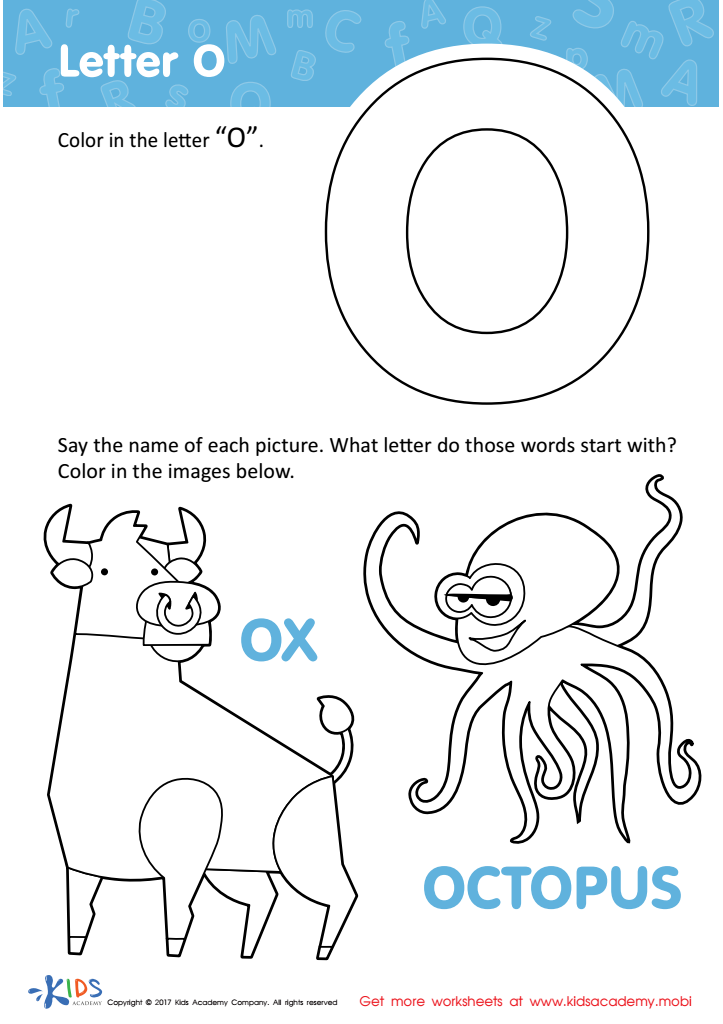
Letter O Coloring Sheet
Assign to My Students
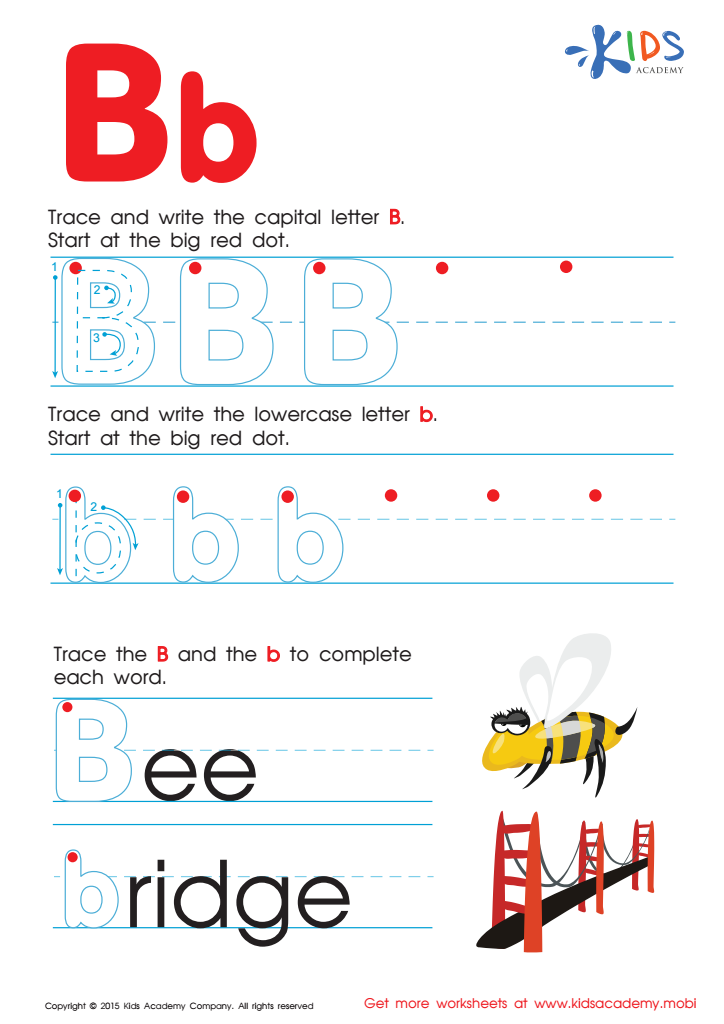
Letter B Tracing Page
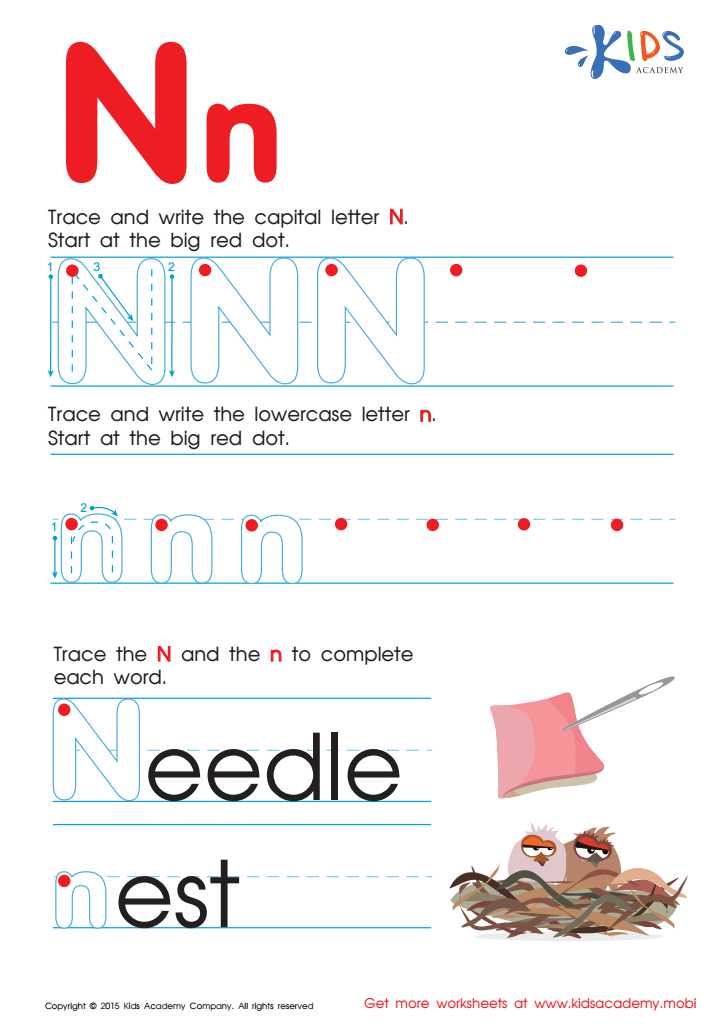
Letter N Tracing Page
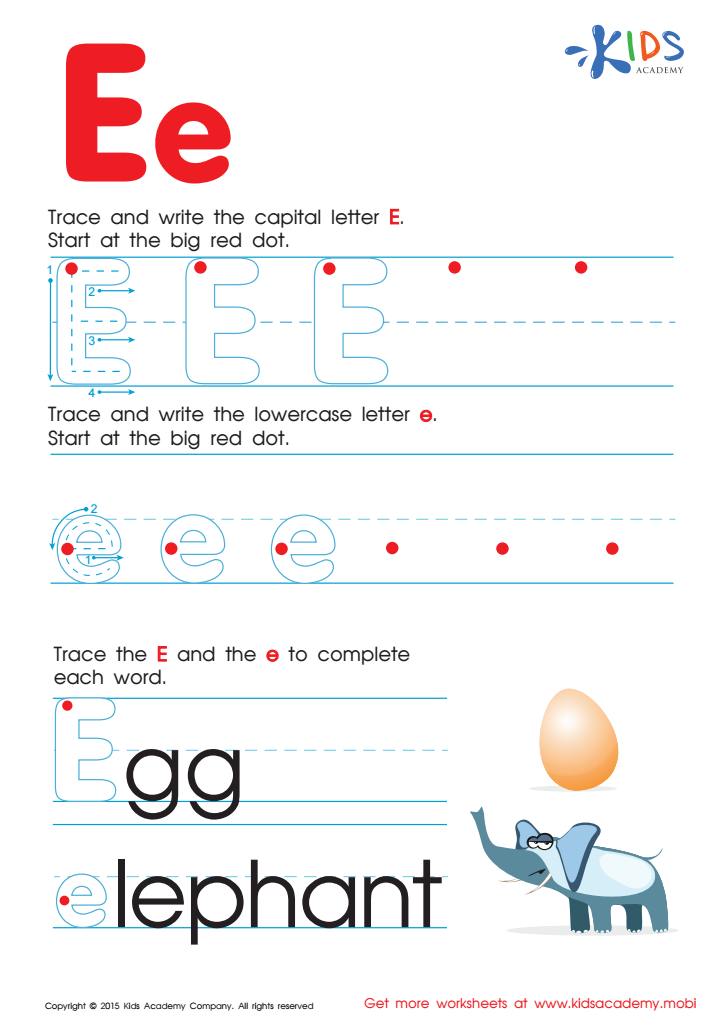
Letter E Tracing Page
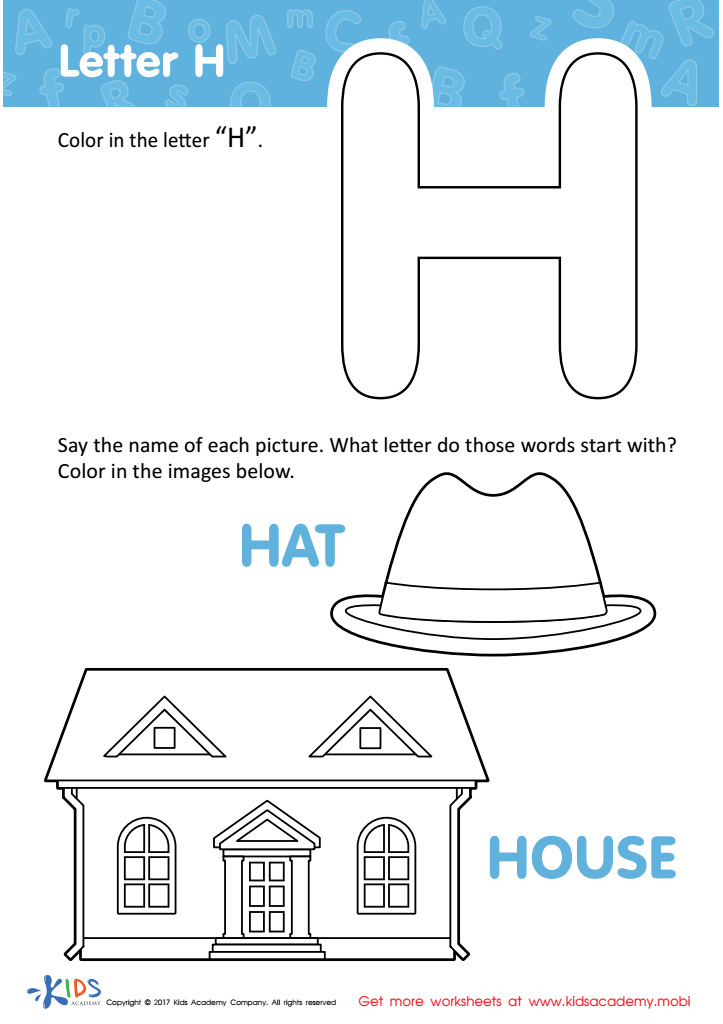
Letter H Coloring Sheet
Assign to My Students
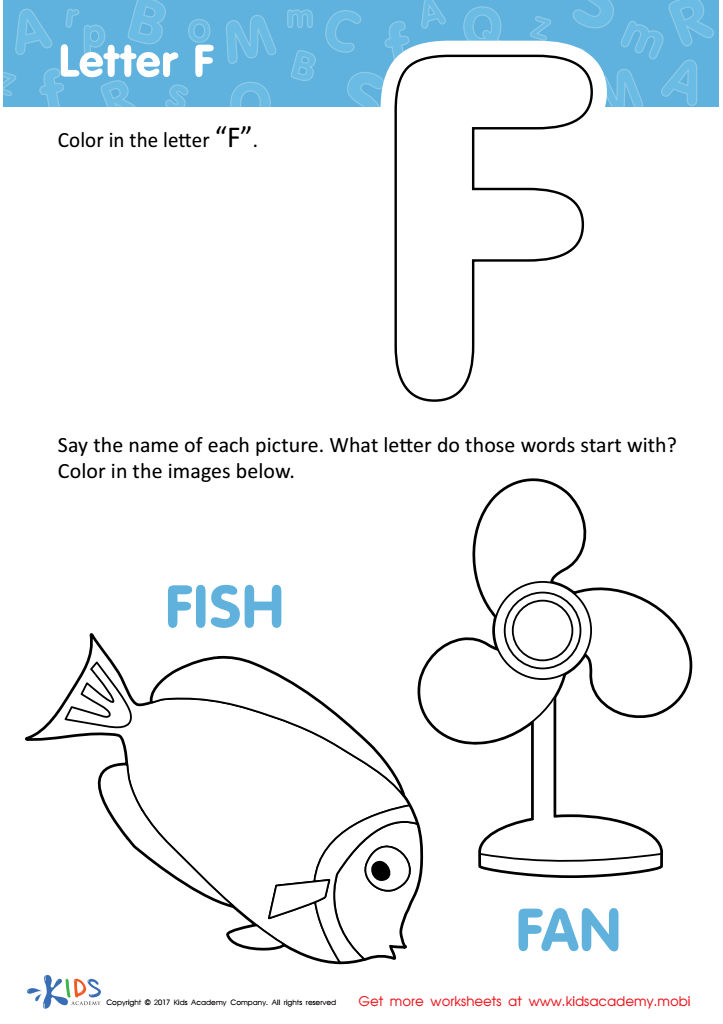
Letter F Coloring Sheet
Assign to My Students





Alphabet recognition is a foundational skill that is critical for early literacy development in children aged 3-8. Parents and teachers should prioritize this skill for several reasons. First, recognizing letters is the first step toward reading. When children can identify letters, they can begin to understand phonetics, spelling, and word formation, enabling them to decode and read words successfully.
Additionally, alphabet recognition fosters confidence and enthusiasm for reading. As children learn to recognize letters, they feel a sense of accomplishment, motivating them to engage further with books and written language. This engagement not only enhances literacy skills but also promotes critical thinking and communication abilities.
Moreover, early exposure to the alphabet improves vocabulary and comprehension skills, helping children articulate thoughts and foster a love for storytelling. It also creates an excellent opportunity for bonding between parents, teachers, and children—a shared experience that can make learning enjoyable and interactive.
Finally, instilling these skills early on lays the foundation for future academic success. Children proficient in alphabet recognition are better prepared for school, making them more likely to excel in other subjects as they progress. Therefore, investing time and resources into alphabet recognition is essential for a child's overall development.