Counting practice Normal Building Vocabulary Worksheets for Ages 3-8
3 filtered results
-
From - To
Boost your child's early learning journey with our Counting Practice Normal Building Vocabulary Worksheets, designed specifically for ages 3-8. These engaging worksheets combine fun activities to enhance counting skills while enriching vocabulary development. Ideal for preschool and early elementary learners, our resources feature colorful illustrations and relatable scenarios that make learning enjoyable. Each worksheet promotes fine motor skills and encourages independent problem-solving, helping children grasp essential math concepts seamlessly. Whether at home or in the classroom, these valuable worksheets are perfect for reinforcing foundational skills in a playful and interactive manner. Start your child's adventure in counting and reading today!
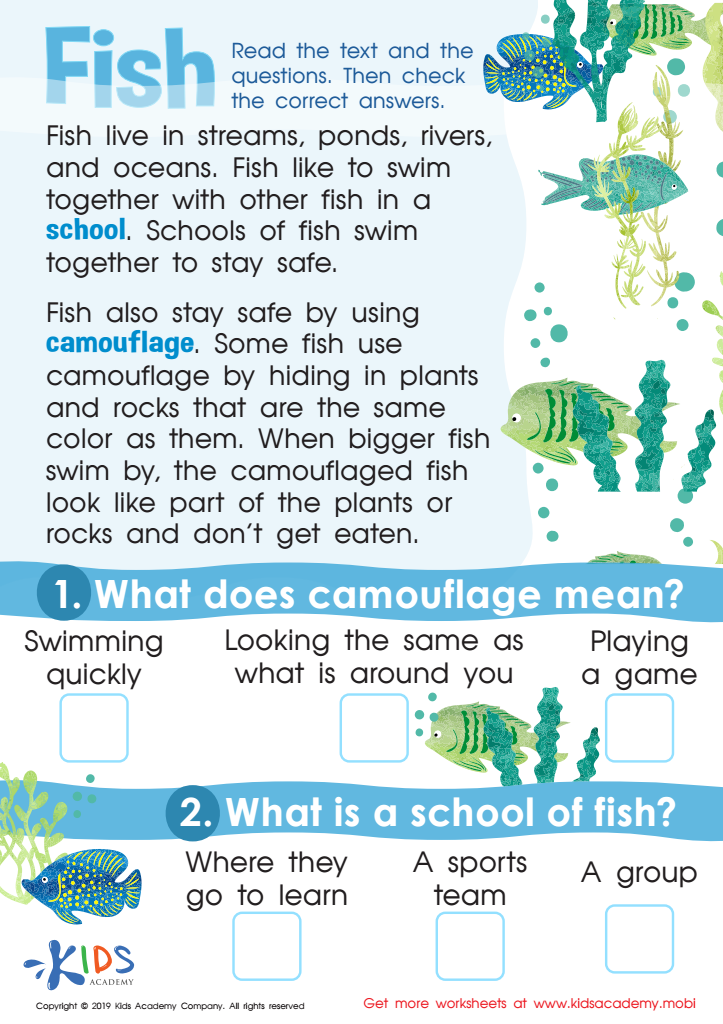
Fish Worksheet
 Assign to My Students











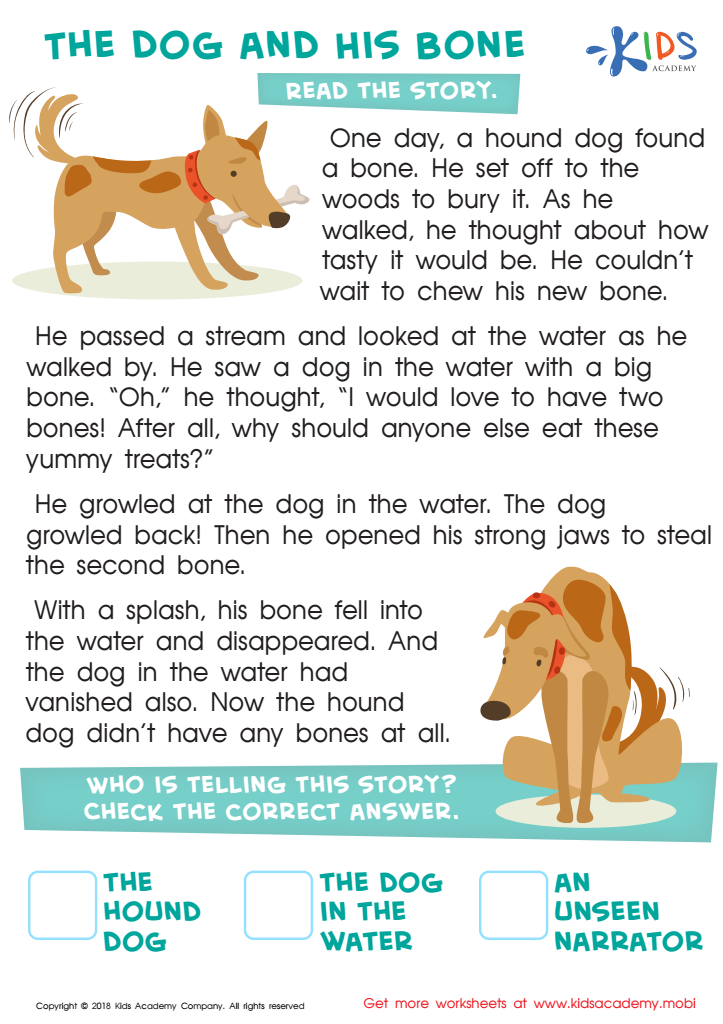
The Dog and His Bone Worksheet
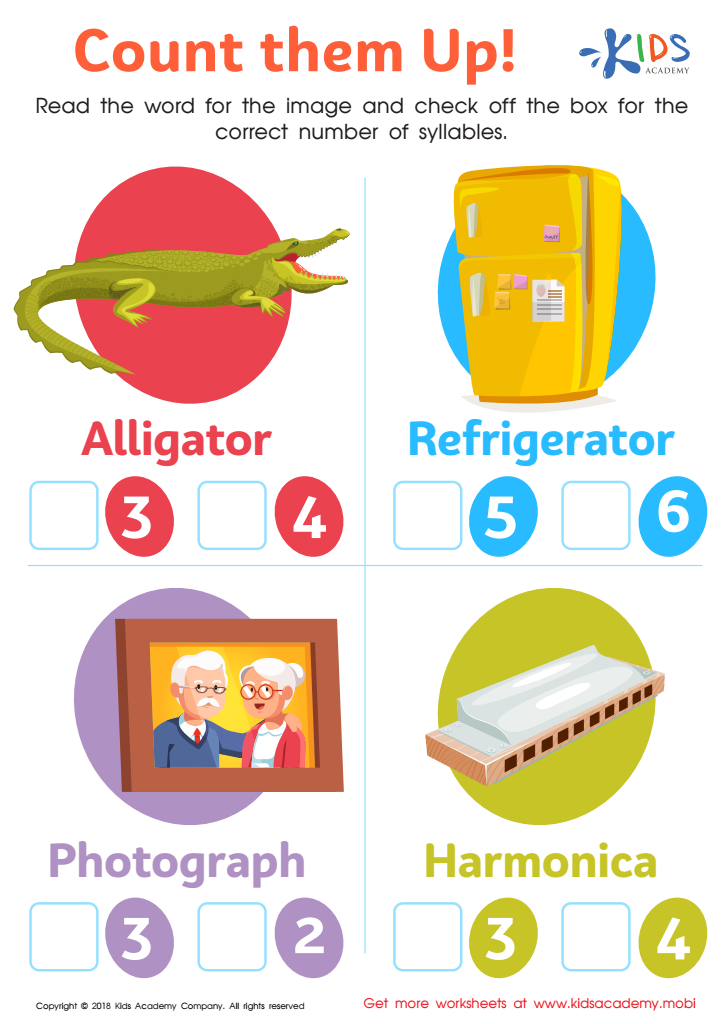
Count Them Up Worksheet








Counting practice and vocabulary building are essential components of early childhood education, significantly impacting children aged 3-8. At this developmental stage, children are curious and eager to explore the world around them. Introducing counting through engaging activities helps them develop mathematical skills crucial for future academic success. Understanding numbers lays the foundation for problem-solving, measurement, and quantitative reasoning, skills that are integral in everyday life and later learning.
Simultaneously, building vocabulary boosts a child's communication abilities. A rich vocabulary enhances reading skills, comprehension, and expression. When children learn new words, they gain the tools to articulate their thoughts and ideas, fostering confidence in verbal interactions.
For parents and teachers, supporting both counting practice and vocabulary acquisition creates a holistic learning environment. Through playful activities and discussions, they can nurture a child's cognitive and linguistic development. Encouraging these skills not only prepares children for formal education but also sets the stage for lifelong learning. Ultimately, by prioritizing counting and vocabulary practice, adults contribute to their children’s overall development, ensuring they become not only competent students but also effective communicators and critical thinkers. Engaging young learners in these foundational practices is an investment in their future.








