Handwriting practice Normal Building Vocabulary Worksheets for Ages 3-8
4 filtered results
-
From - To
Discover our Handwriting Practice Normal Building Vocabulary Worksheets, specially designed for children ages 3-8. These engaging worksheets combine essential handwriting skills with vocabulary development, helping young learners master letter formation while expanding their word knowledge. With fun and visually appealing themes, each worksheet encourages practicing letters, words, and phrases that are crucial for early literacy. Perfect for classroom or home use, these resources promote fine motor skills, enhance language comprehension, and boost confidence in young writers. Get started today and support your child’s journey to becoming a proficient reader and writer with our comprehensive, easy-to-use worksheets!
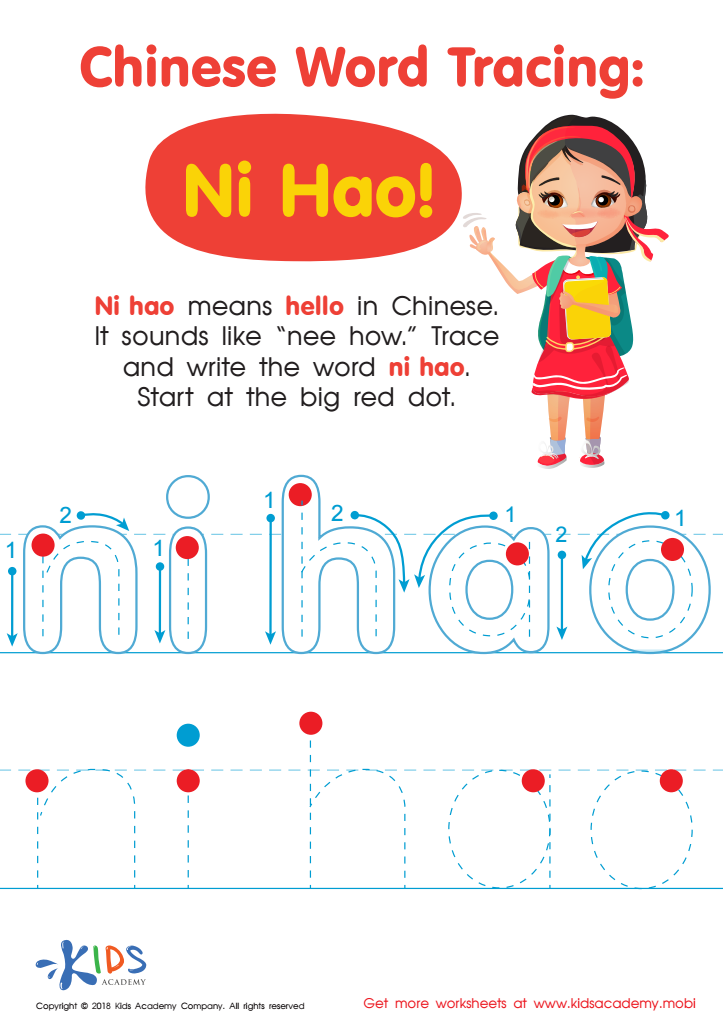
Chinese Word Tracing: Ni Hao Worksheet
 Assign to My Students











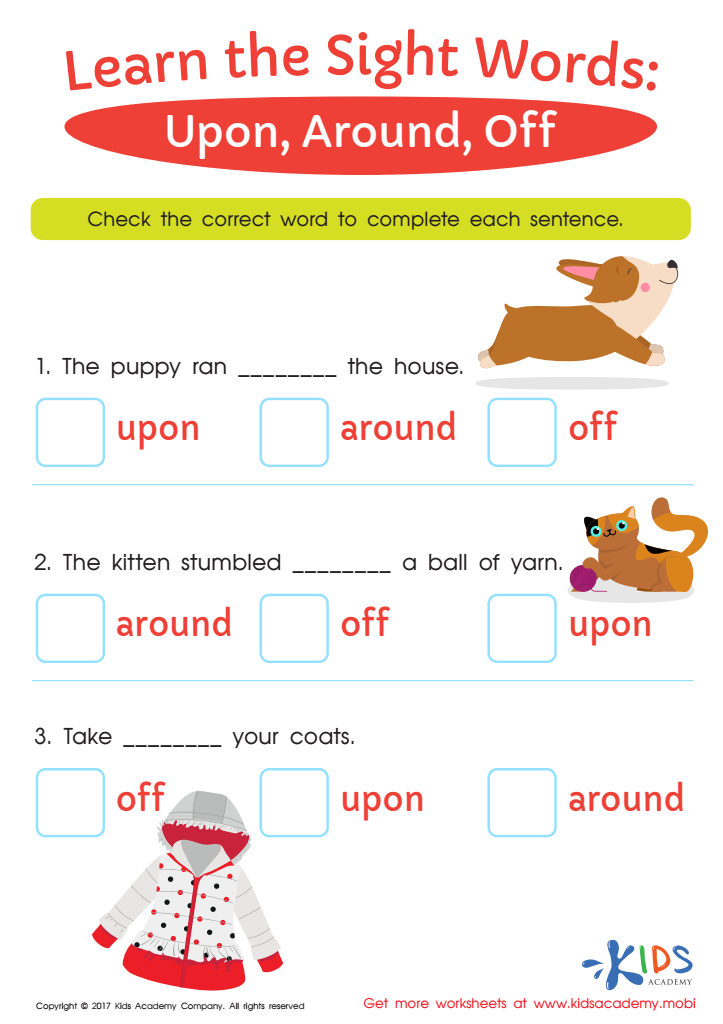
Upon, Around, Off Sight Words Worksheet
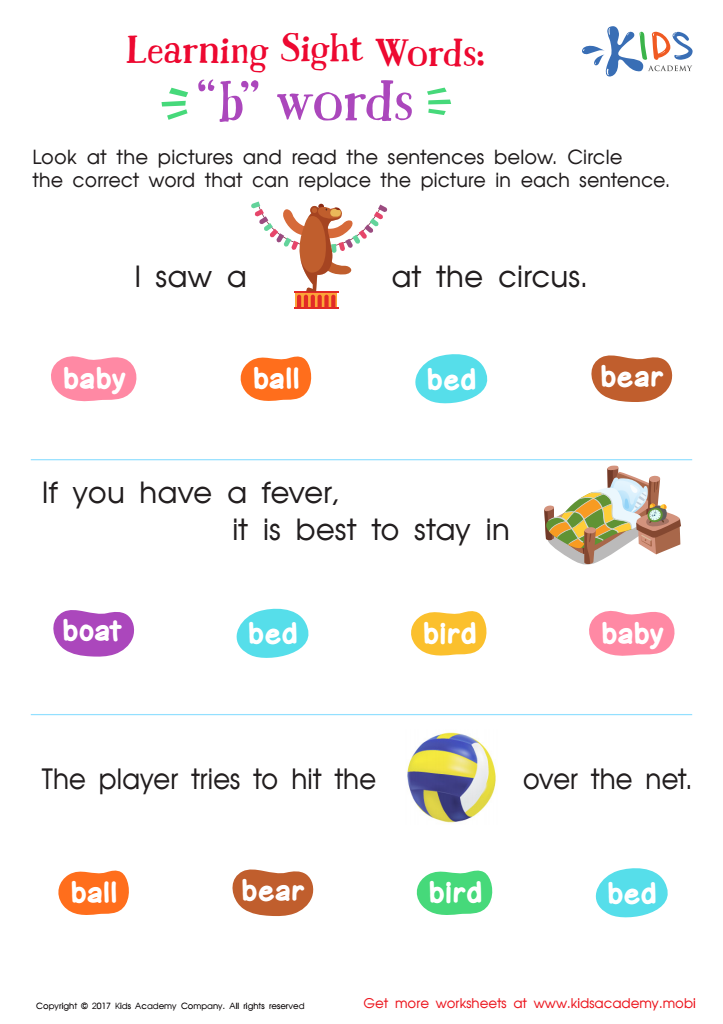
"B" Words Printable Sight Words Worksheet
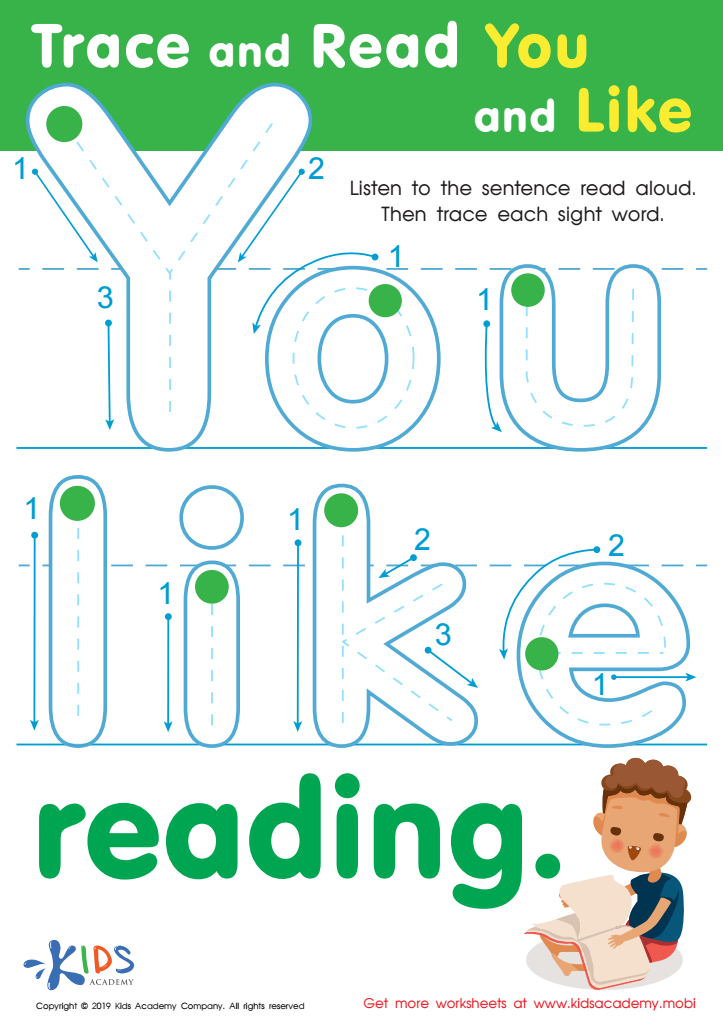
Trace Read You Like Worksheet



.jpg)




Handwriting practice and vocabulary building are crucial aspects of early childhood education, particularly for children aged 3-8. At this developmental stage, children are not only learning to recognize letters and words, but also beginning to express their thoughts and emotions through written language. Engaging in handwriting practice helps children develop fine motor skills, which are essential for coordination and control needed in various day-to-day tasks. Mastering handwriting enhances their ability to communicate clearly and effectively as they progress in their education.
Furthermore, building a strong vocabulary during these formative years nurtures a child's literacy development and boosts their confidence in both speaking and writing. A rich vocabulary allows children to articulate their ideas better and fosters deeper comprehension when they encounter new texts. It also enhances their ability to engage in conversations and interact with peers more fluently.
For parents and teachers, prioritizing handwriting and vocabulary practice means investing in children's academic success and emotional well-being. By providing consistent and engaging writing activities combined with vocabulary enrichment, adults can create a robust foundation that empowers young learners for future academic challenges and lifelong learning. Thus, these practices should be seen as integral components of early developmental curricula.








