Reading Skills Normal Building Vocabulary Worksheets for Ages 3-8
4 filtered results
-
From - To
Enhance your child's reading skills with our engaging vocabulary worksheets designed for ages 3-8! Our expertly crafted resources focus on building a strong foundation in vocabulary through fun and interactive activities. Each worksheet incorporates simple words and visuals to stimulate learning, making it easier for young learners to understand and remember new terms. Perfect for use at home or in the classroom, these worksheets aim to foster a love for reading while improving comprehension and language skills. Explore our collection to provide your child with the tools they need to thrive in their literacy journey! Start building their vocabulary today!
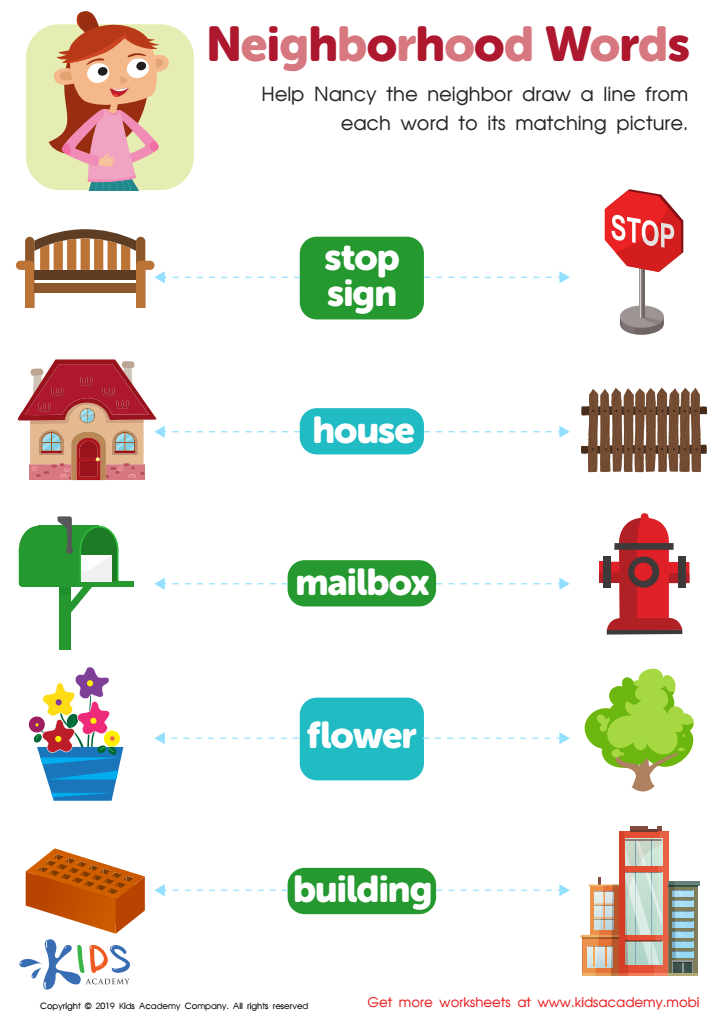
Neighborhood Words Worksheet
 Assign to My Students











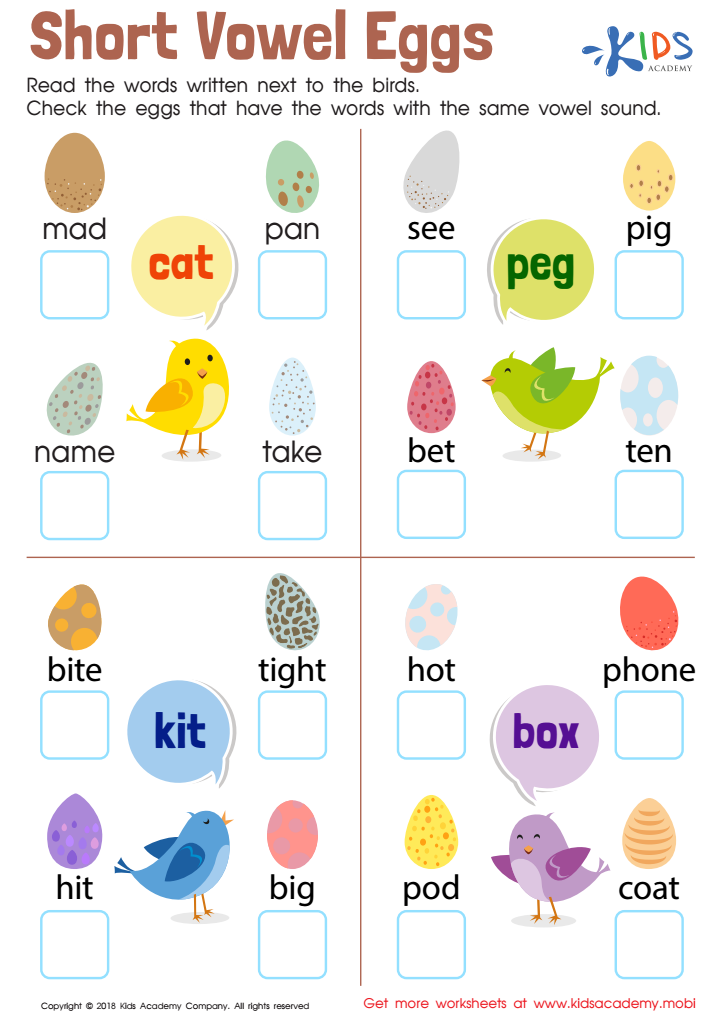
Short Vowel Eggs Worksheet
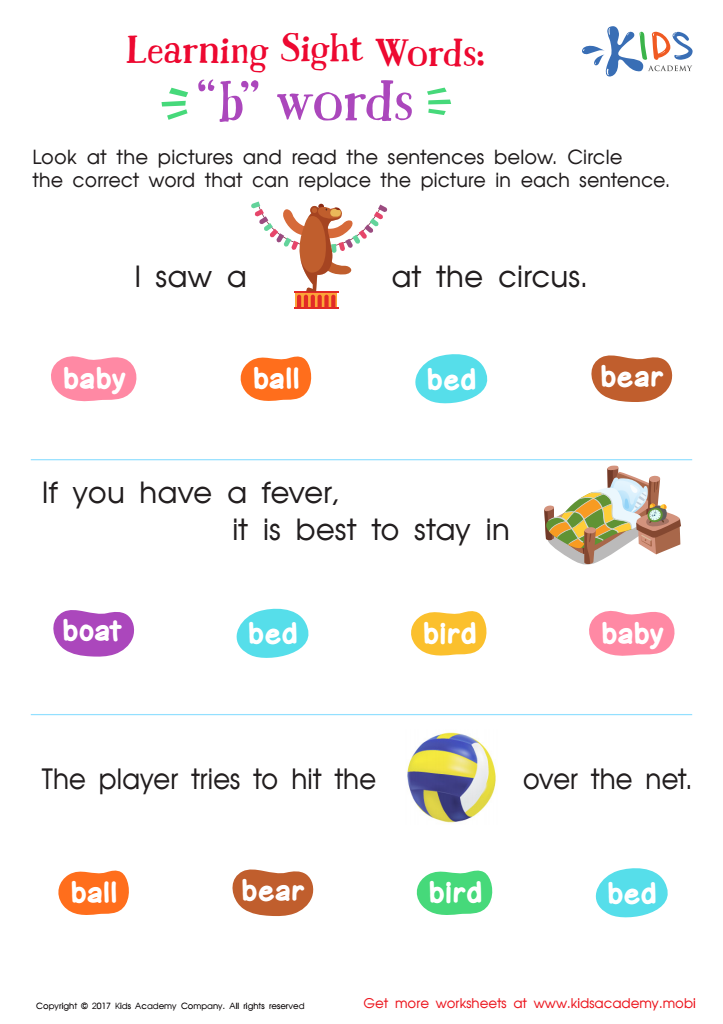
"B" Words Printable Sight Words Worksheet
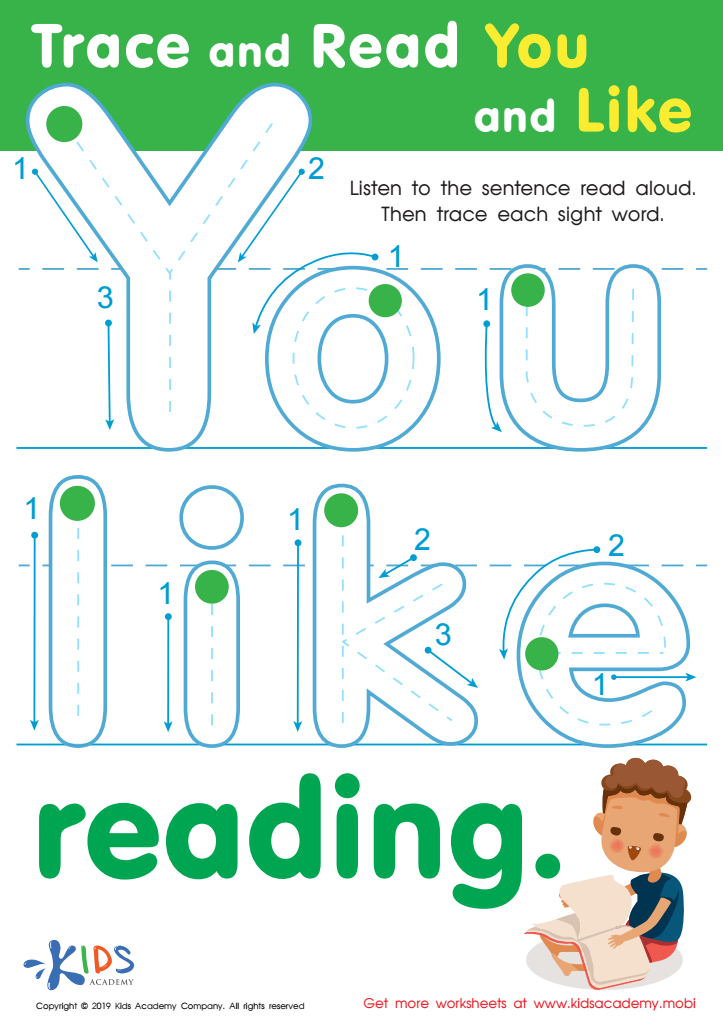
Trace Read You Like Worksheet








Reading skills and vocabulary development are foundational components of a child's education, especially between the ages of 3 to 8. During this period, children are rapidly acquiring language skills, and the breadth of their vocabulary significantly influences their future academic success. A strong vocabulary correlates with better reading comprehension, critical thinking, and effective communication skills.
Parents and teachers should prioritize vocabulary building because it enhances cognitive growth and emotional intelligence. Engaging children in rich language experiences—through storytelling, songs, and interactive discussions—makes learning enjoyable while instilling a lifelong love for reading. Vocabulary is not just about knowing words; it’s also understanding their meanings and contexts, which enables children to articulate thoughts, engage in conversations, and express their ideas clearly.
Moreover, the early years are critical for establishing a strong literacy foundation. Children with a robust vocabulary are better equipped to tackle more complex texts in later grades, fostering confidence and a positive attitude towards learning. By nurturing vocabulary development during this crucial age, parents and teachers lay the groundwork for successful reading skills, ultimately enriching a child's academic journey and preparing them for lifelong learning. Active involvement in this process can make a significant difference in a child's literacy trajectory and their overall development.








