Color recognition Normal Reading Worksheets for Ages 3-8
3 filtered results
-
From - To
Enhance your child's learning experience with our Color Recognition Normal Reading Worksheets designed for ages 3-8. Tailored to make learning fun and engaging, these worksheets help young learners improve their color recognition and reading skills simultaneously. Each worksheet features vibrant images and interactive tasks that stimulate cognitive development and visual discrimination. Perfect for early learners, these activities encourage children to identify and name colors while starting their journey in reading comprehension. Foster a love for learning and boost confidence with our expertly developed resources. Discover the perfect blend of fun and education at Kids Academy today!
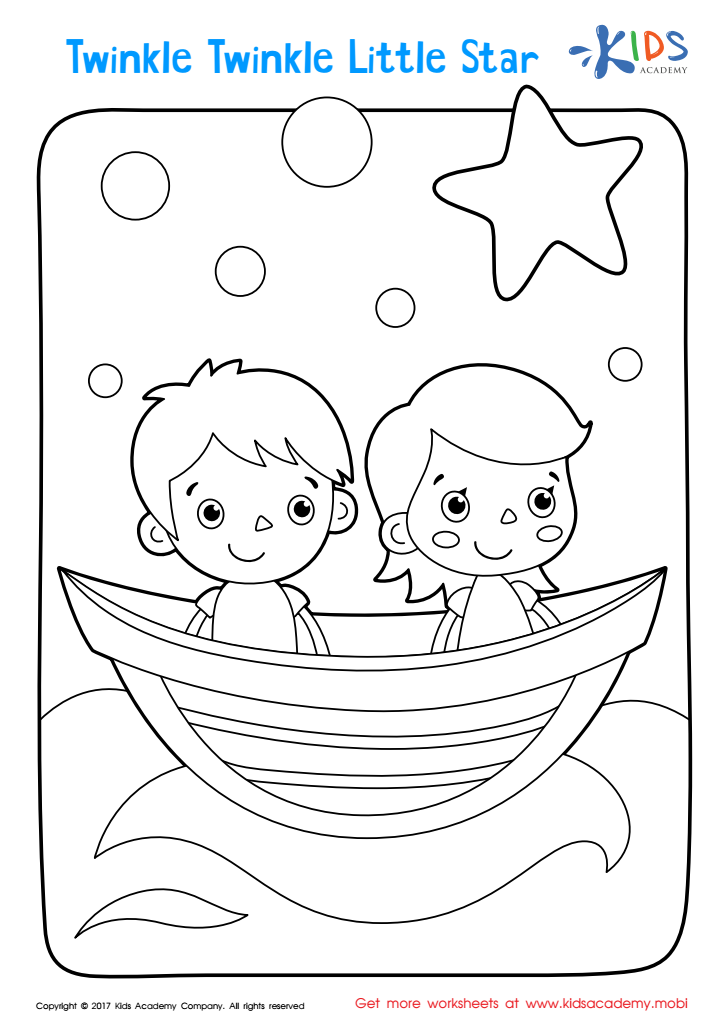
Twinkle Twinkle Little Star Coloring Page
 Assign to My Students
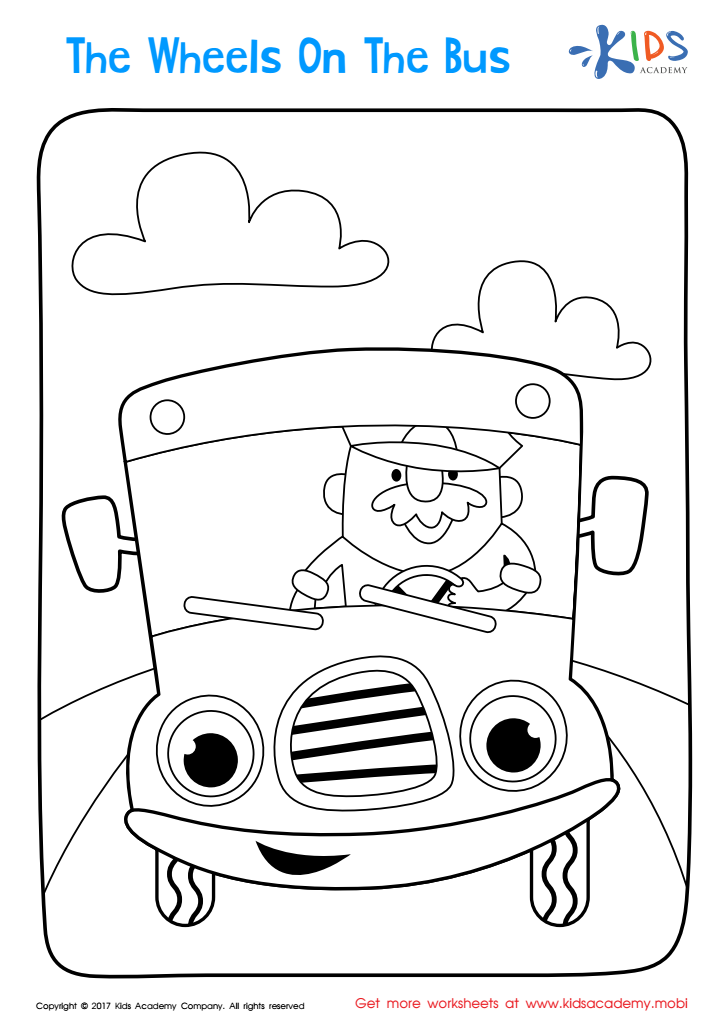
The Wheels on the Bus Coloring Page
Assign to My Students
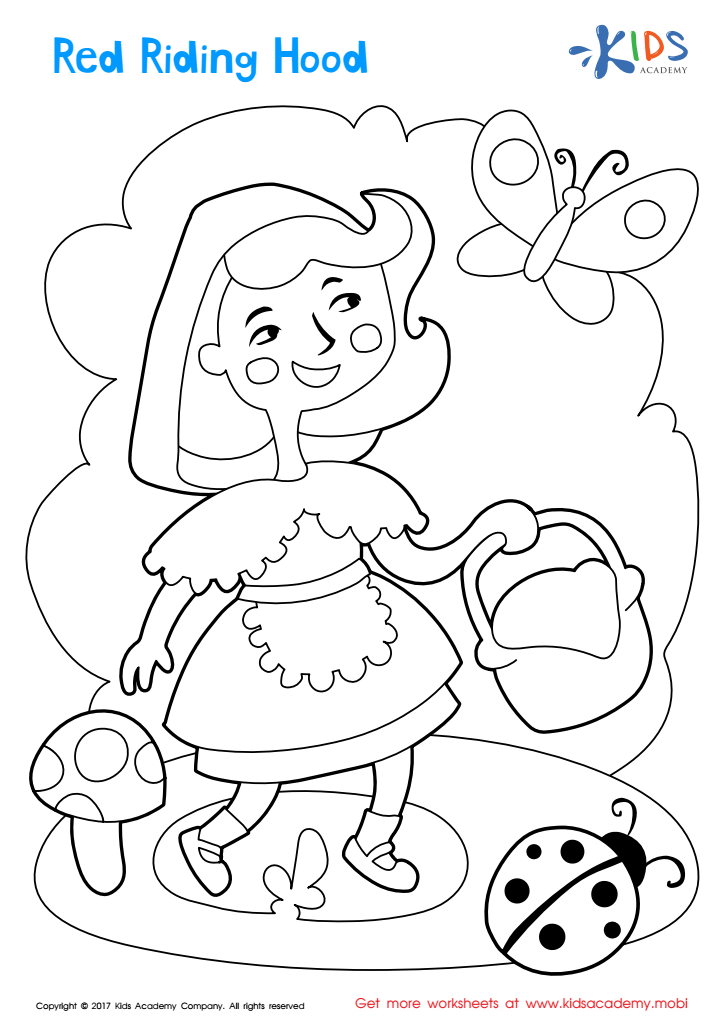
Red Riding Hood Coloring Page
Assign to My Students








Color recognition and reading skills are foundational for children aged 3-8 as they contribute crucially to overall development and future success. Color recognition lays the groundwork for cognitive and language skills. When children learn to identify and name colors, they enhance their vocabulary, sharpen their memory, and develop keen observation skills. This ability also acts as an early math skill, enabling sorting, categorizing, and pattern recognition, which are fundamental concepts in later stages of learning.
Reading skills, on the other hand, are imperative for communication and comprehension. Normal reading proficiency within this age range ensures that children can understand and respond to their environment effectively. Early reading promotes phonemic awareness, expands vocabulary, and improves attention span. It also ignites imagination and enhances social skills through exposure to diverse stories and scenarios.
Parents and teachers play pivotal roles in fostering these skills. Engaging activities like color games, reading aloud, or incorporating colorful books can make learning enjoyable and effective. Monitoring and supporting these developments ensure children don't face future academic hurdles. Cultivating these abilities during early years sets the foundation for a lifelong love of learning, creativity, and academic stability, ultimately making children well-rounded individuals.








