Handwriting practice Normal Reading Worksheets for Ages 3-8
6 filtered results
-
From - To
At Kids Academy, we offer engaging Handwriting Practice Normal Reading Worksheets specifically designed for children aged 3-8. These expertly crafted worksheets focus on developing essential handwriting skills while enhancing reading comprehension and fine motor coordination. Our diverse exercises include tracing, writing, and recognizing letters and words, providing a comprehensive learning experience in a fun and interactive way. Perfect for early learners, these worksheets aim to build foundational literacy skills and confidence in young readers. Through consistent practice, children will improve their handwriting, boost their reading proficiency, and prepare for future academic success. Visit Kids Academy for effective and enjoyable learning resources today!
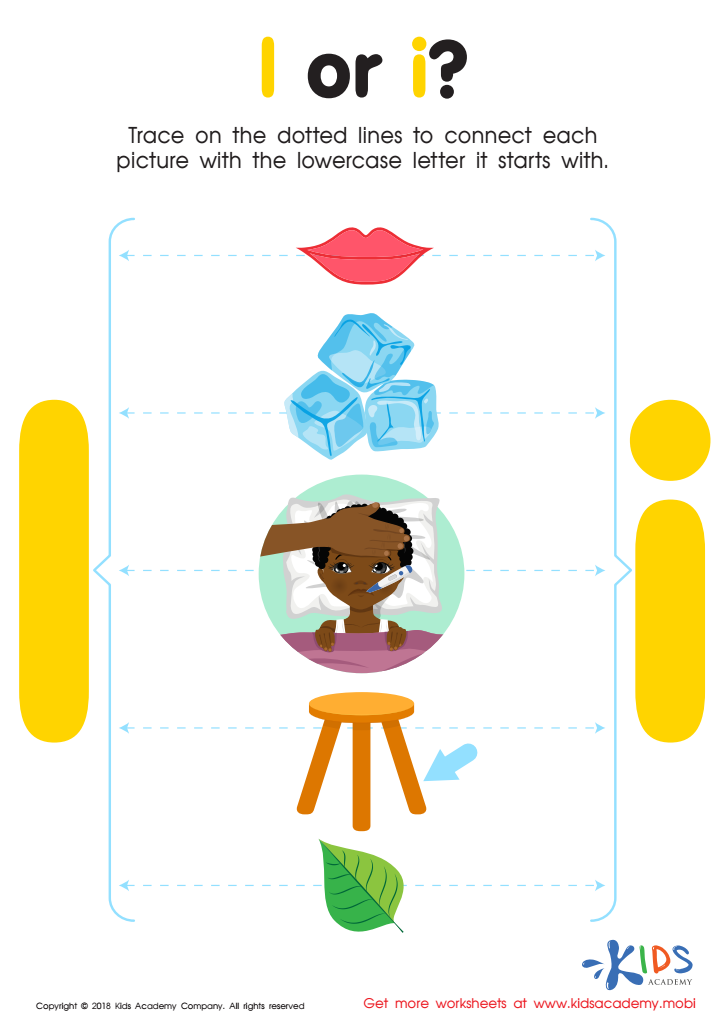
l or i? Worksheet
 Assign to My Students
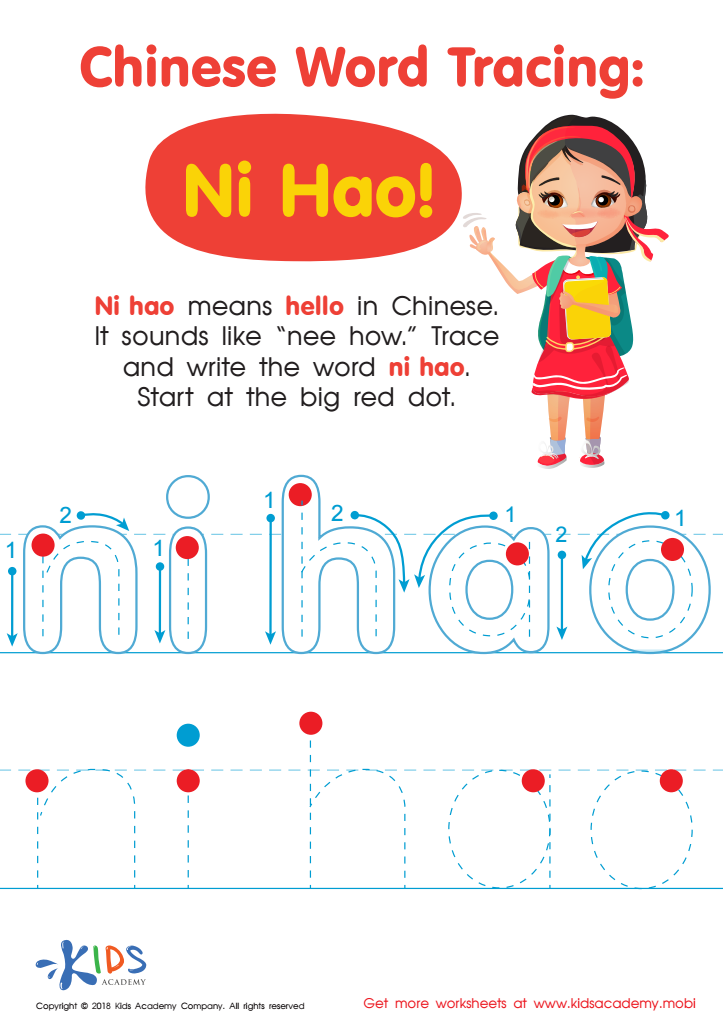
Chinese Word Tracing: Ni Hao Worksheet
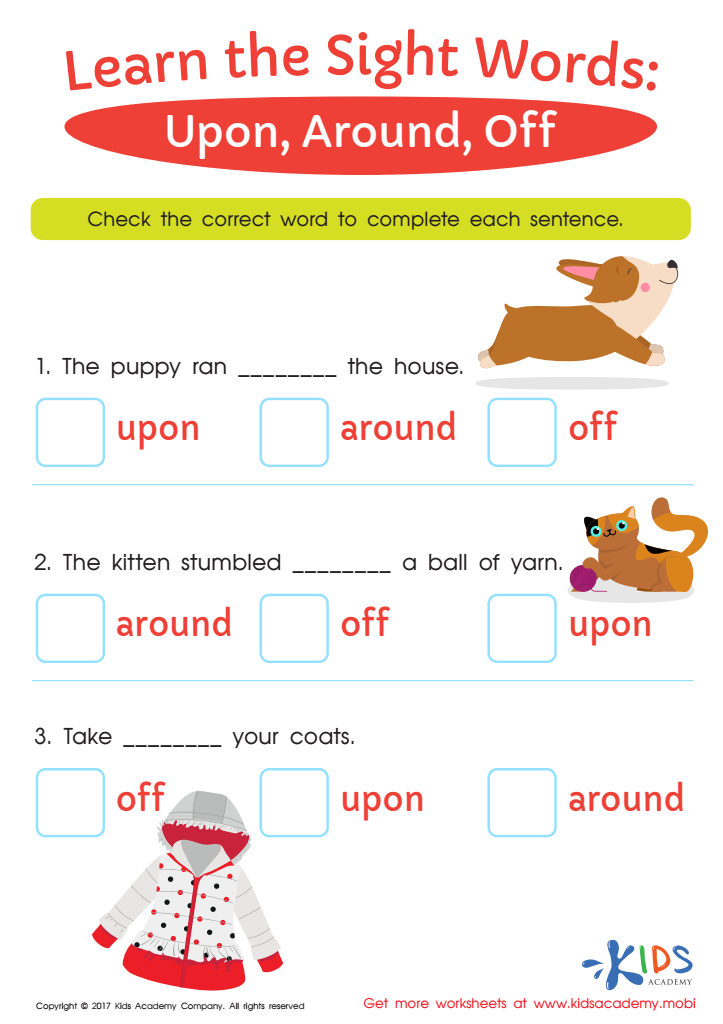
Upon, Around, Off Sight Words Worksheet
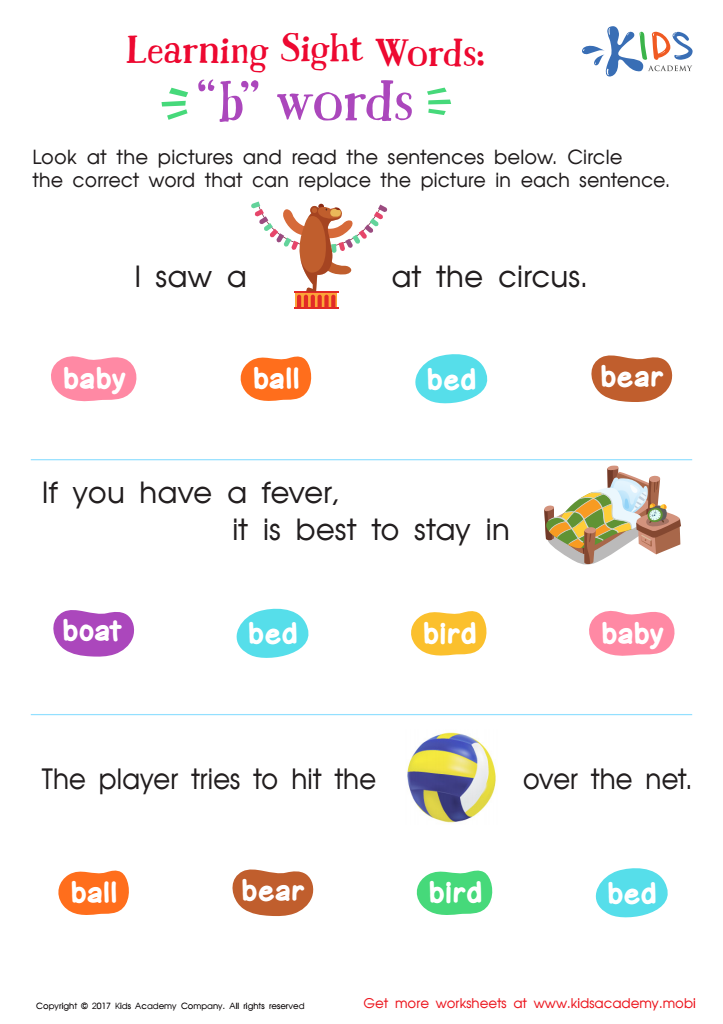
"B" Words Printable Sight Words Worksheet
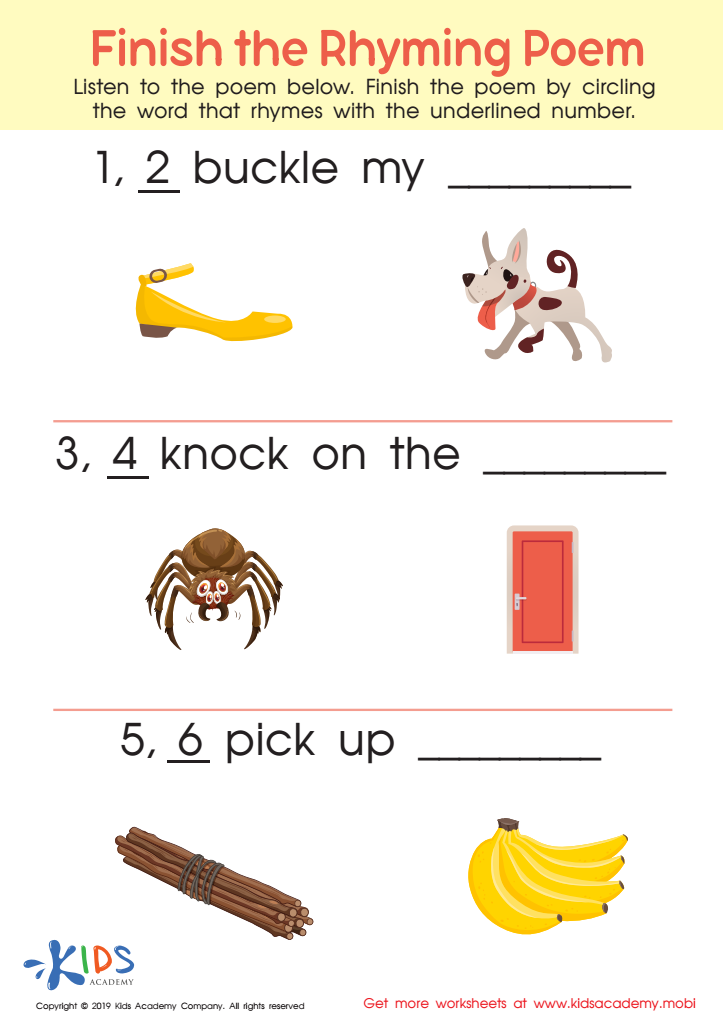
Finish Rhyming Poem Worksheet
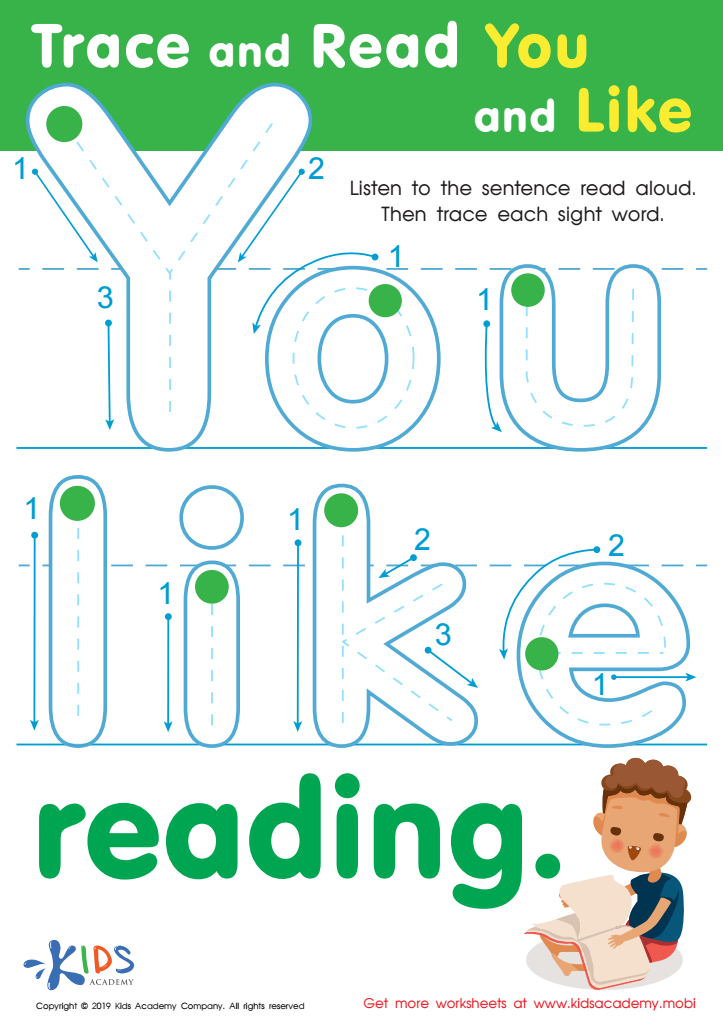
Trace Read You Like Worksheet








Handwriting practice and reading proficiency are vital in shaping the cognitive and motor development of children aged 3-8. At a young age, the act of handwriting helps fine-tune motor skills. The repetitive motion of pencil-to-paper strengthens hand muscles, coordination, and overall dexterity, setting the stage for smooth and legible writing as they grow. Handwriting practice also reinforces memory and learning. By writing letters and words, children better internalize shapes, patterns, and sequences, an essential component of literacy.
On the other side, regular reading introduces young minds to a world of vocabulary, rhythm, and storytelling. It enhances comprehension, broadens cultural awareness, and sparks imagination. Reading aloud helps improve listening skills and pronunciation while nurturing an affection for literature. Frequent reading also lays a strong foundation for academic success by boosting critical thinking and problem-solving abilities.
Collectively, these practices equip children with the tools they need for academic achievement and personal growth. By prioritizing handwriting practice and normal reading habits, parents and teachers help cultivate well-rounded, confident individuals ready to navigate the complexities of learning. It involves a marriage of tactile and intellectual stimulation, fostering not just literacy, but a lifelong love for learning that serves them well throughout their educational journey and beyond.








