Understanding Sequences Normal Reading Worksheets for Ages 3-8
3 filtered results
-
From - To
Unlock the joy of reading with our "Understanding Sequences" worksheets designed for children aged 3-8. These engaging resources help young learners enhance their comprehension skills by practicing the essential concept of sequences. Students will gain confidence as they explore colorful, age-appropriate activities that encourage logical thinking and storytelling. Each worksheet is crafted to address varying levels of understanding, making them perfect for diverse learning needs. With our fun and interactive approach, children will enjoy tracking events, identifying patterns, and retelling stories in their own words. Download these invaluable resources today and support your child's reading journey!
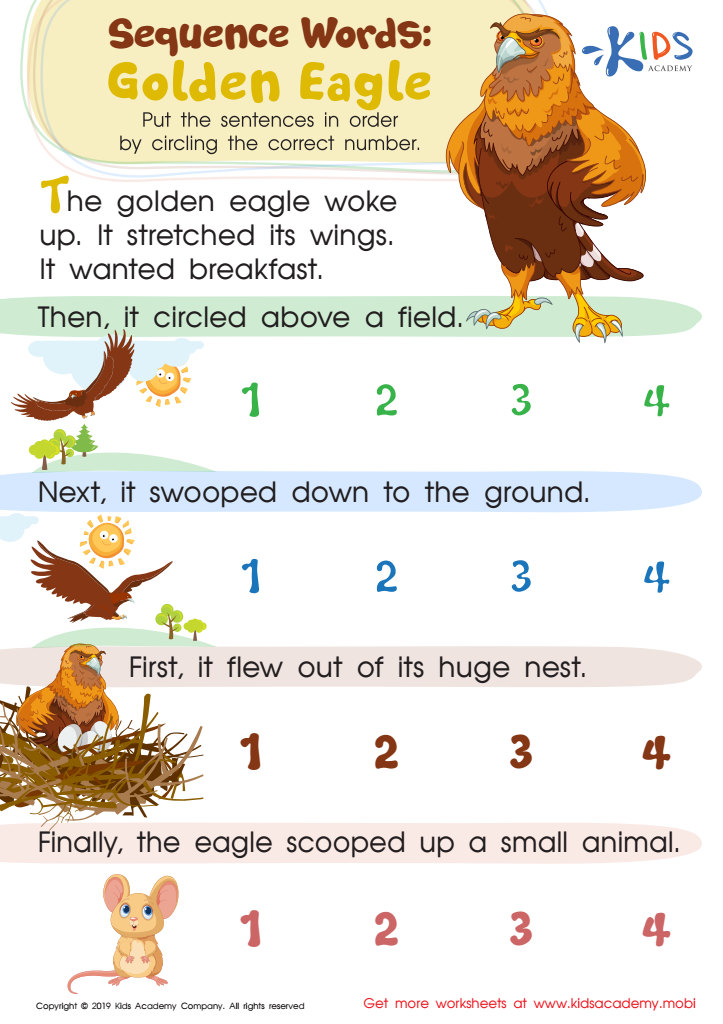
Sequence Word Eagle Worksheet
 Assign to My Students
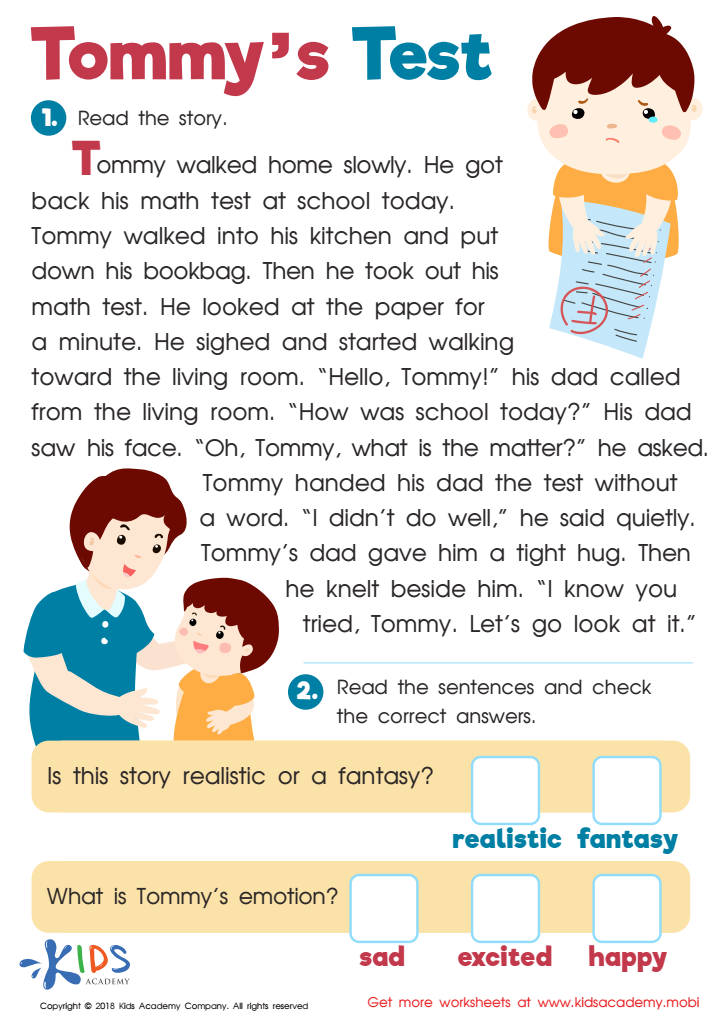
Tommys Test Worksheet
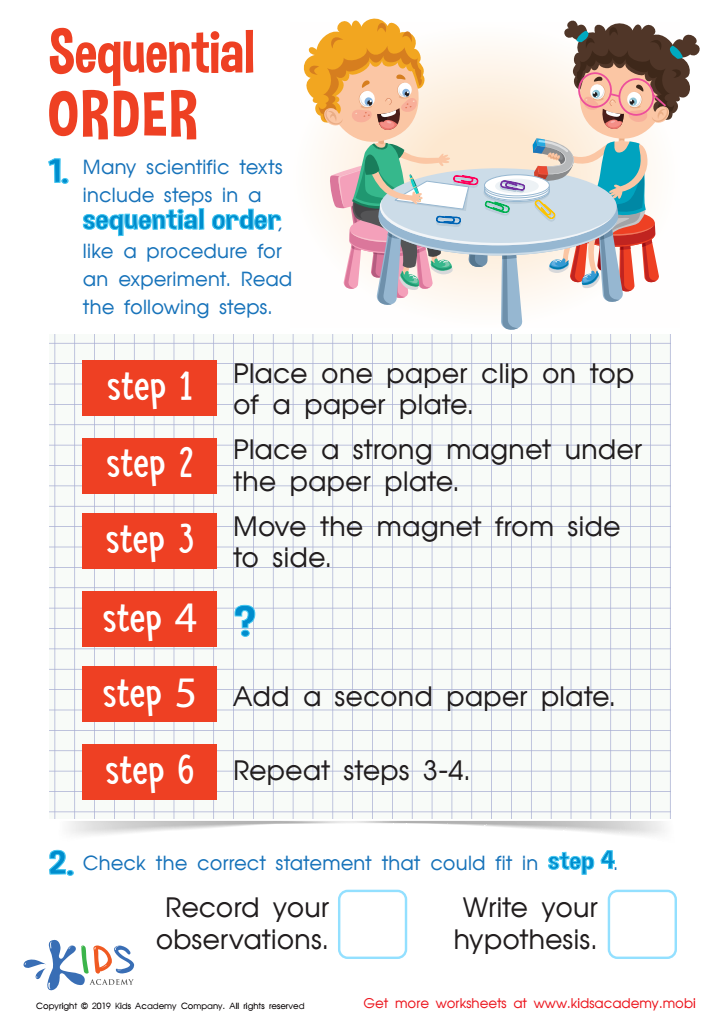
Sequencential Order Worksheet




.jpg)



Understanding sequences is crucial for children aged 3-8, as it lays the foundation for their cognitive and literacy skills. For parents and teachers, fostering this skill is essential for several reasons. First, sequences enhance a child's ability to organize thoughts and events logically, which supports effective storytelling and comprehension. When children grasp the concept of beginning, middle, and end in stories, they develop critical thinking and narrative skills that carry over into their academic journey.
Moreover, sequences are pivotal in everyday activities, from following directions to problem-solving. Children learning to arrange steps for tasks helps nurture independence and confidence. By understanding sequences, they can better navigate routines, grasp cause and effect, and learn time management.
In literacy, sequences are also integral to enhancing vocabulary and fostering a love for reading. Engaging children in books that highlight sequences—such as “first, next, last”—enriches their understanding of language structure and narrative flow, bolstering their future reading abilities.
Ultimately, prioritizing sequence comprehension equips children with essential life skills, ensures their academic success, and nurtures a well-rounded, curious learner capable of facing challenges with confidence and creativity. Both parents and teachers play a vital role in this important developmental area.








