Categorization skills Normal Science Worksheets for Ages 3-8
4 filtered results
-
From - To
Explore our engaging “Categorization Skills Normal Science Worksheets” designed for children aged 3-8! These worksheets promote critical thinking as young learners identify, sort, and group various objects based on common characteristics. With vibrant visuals and fun activities, kids will enjoy learning about the natural world while developing essential categorization skills. Our thoughtfully crafted resources cater to different learning styles, ensuring an enjoyable and educational experience. Perfect for use in classrooms or at home, these worksheets will help your child build a solid foundational understanding of scientific concepts while enhancing their ability to classify familiar items. Start fostering curiosity and cognitive growth today!
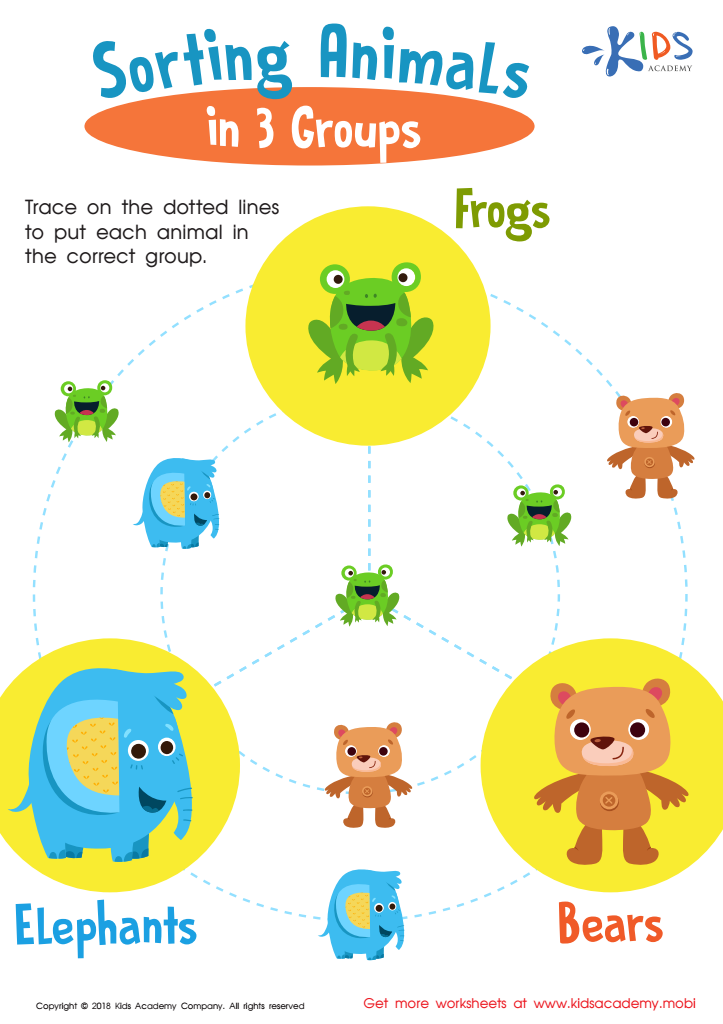
Sorting Animals in 3 Groups Worksheet
 Assign to My Students
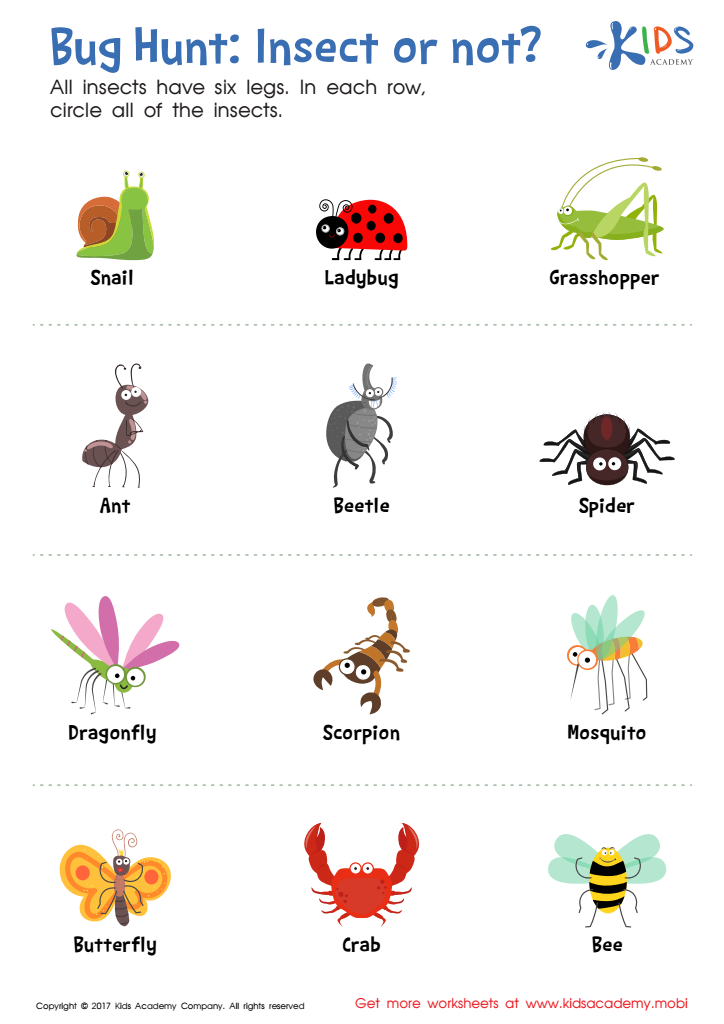

Identifying Living or Non–living Worksheet
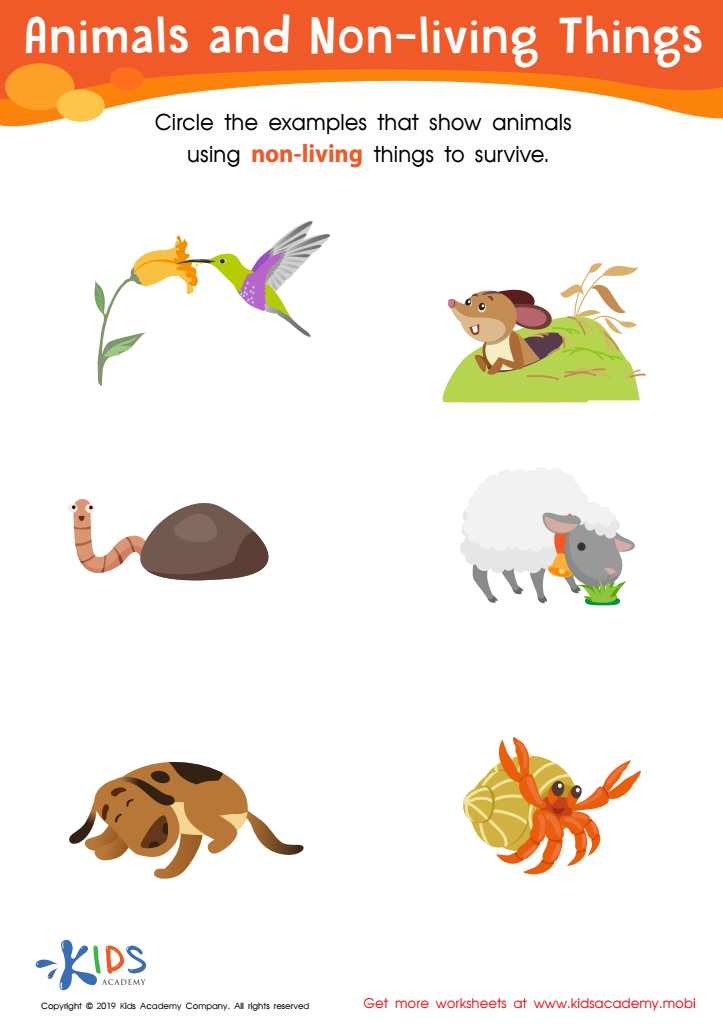
Animals and Non-Living Things Worksheet






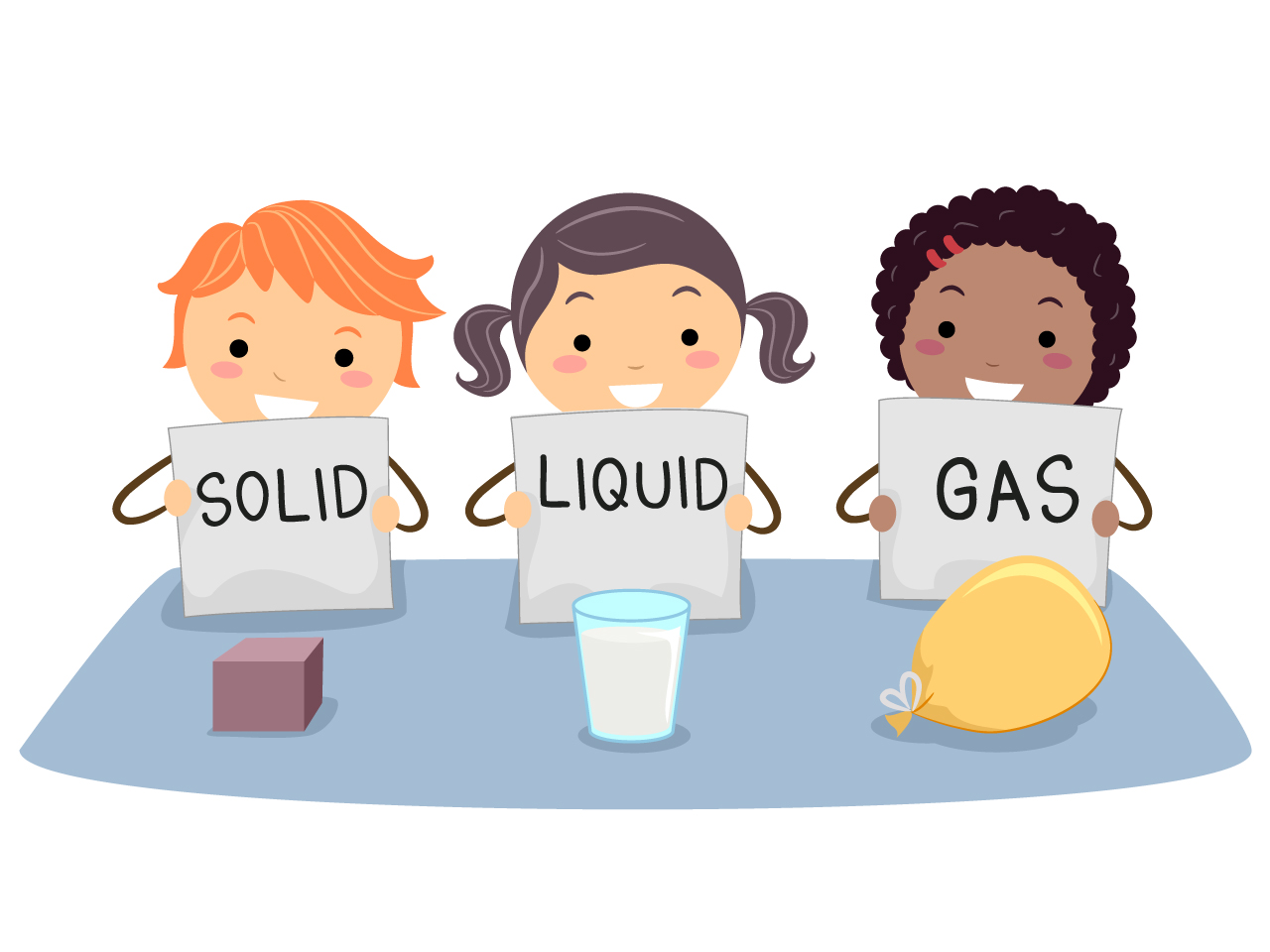
Categorization skills, a foundational element of normal science for young children aged 3-8, are essential for cognitive development and learning. These skills enable children to group objects based on shared characteristics, which fosters critical thinking and helps them make sense of their world. For parents and teachers, nurturing categorization abilities lays the groundwork for essential academic skills, including math, reading, and science.
Understanding how to classify objects promotes language development, as children learn to articulate the properties and relationships of items within categories. This verbalization enhances vocabulary and communication skills. Moreover, categorization supports problem-solving abilities; as children identify similarities and differences among objects, they begin to employ analytical skills conducive to scientific thinking.
At this age, engagement with categorization can be both playful and educational, involving activities like sorting games, nature exploration, or hands-on science experiments. Such experiences also teach children about organization, a skill they will carry into adulthood.
Recognizing the importance of categorization skills informs educators and parents in creating enriching learning environments where children can explore, discover, and understand their surroundings, ultimately fostering a lifetime love for learning and inquiry. Investing in these foundational skills equips children for enhanced academic achievement and lifelong success.







