Enhancing categorization skills Normal Science Worksheets for Ages 3-8
3 filtered results
-
From - To
Enhance your child's developing categorization skills with our engaging Normal Science Worksheets designed for ages 3-8. These worksheets provide a fun, interactive way for young learners to explore the natural world while organizing information effectively. Through colorful visuals and age-appropriate activities, children will practice classifying various objects, animals, and plants, fostering critical thinking and observational skills. Our resources encourage creativity and exploration, making learning enjoyable and meaningful. Ideal for home learning and classroom use, these worksheets support early science education while building a strong foundation in categorization that is essential for cognitive development. Explore the joy of learning today!
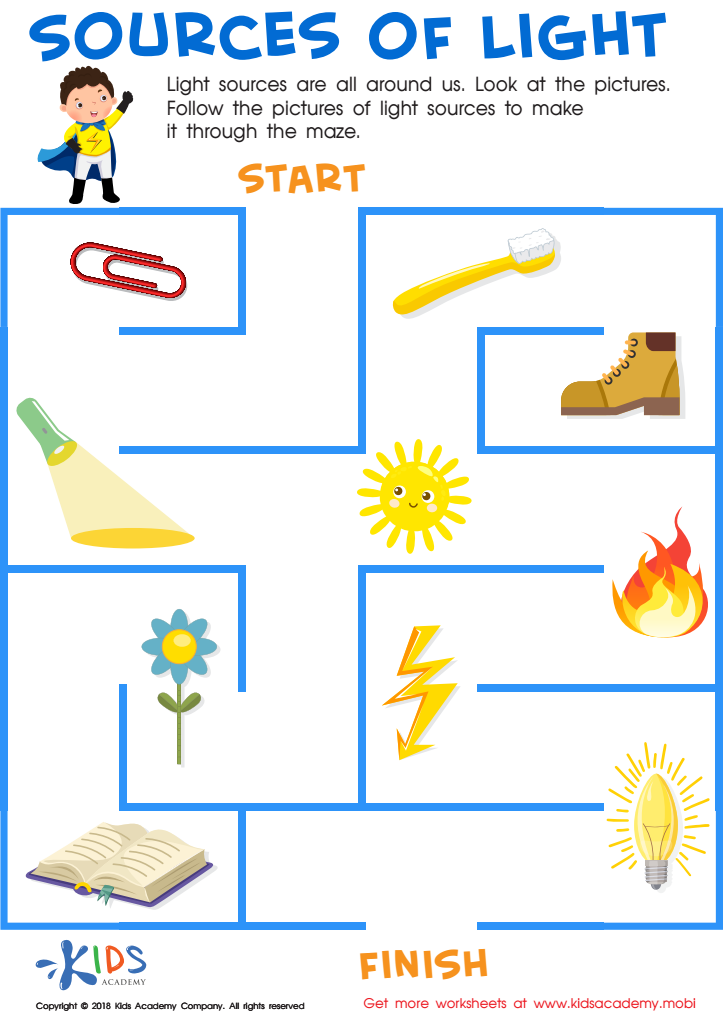
Sources of Light Worksheet
 Assign to My Students
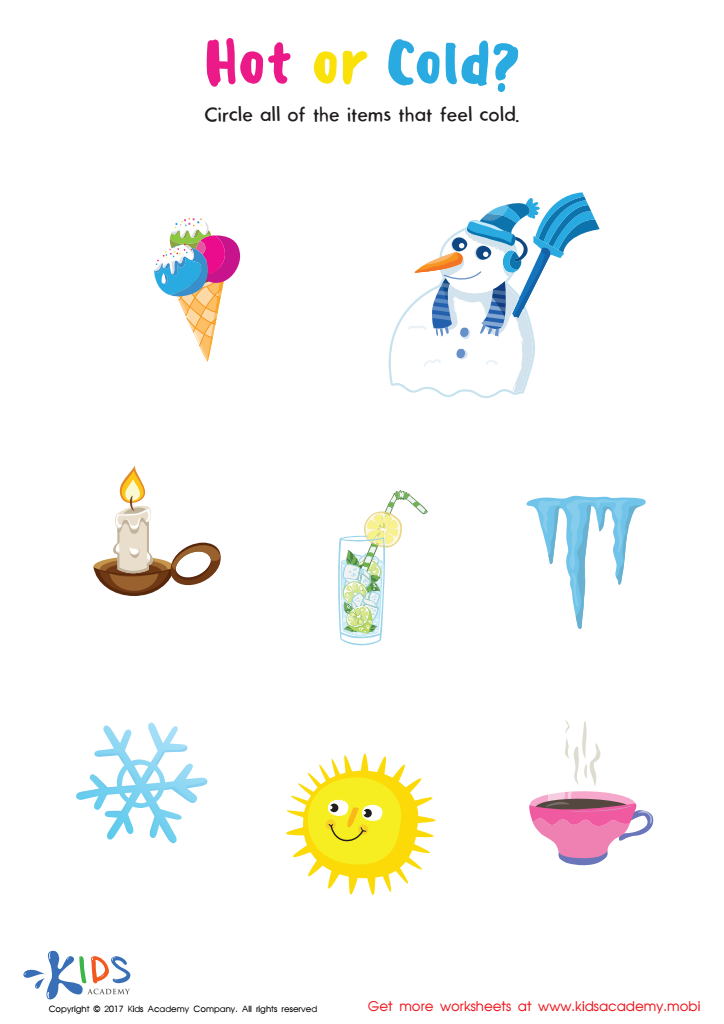
Hot or Cold Printable
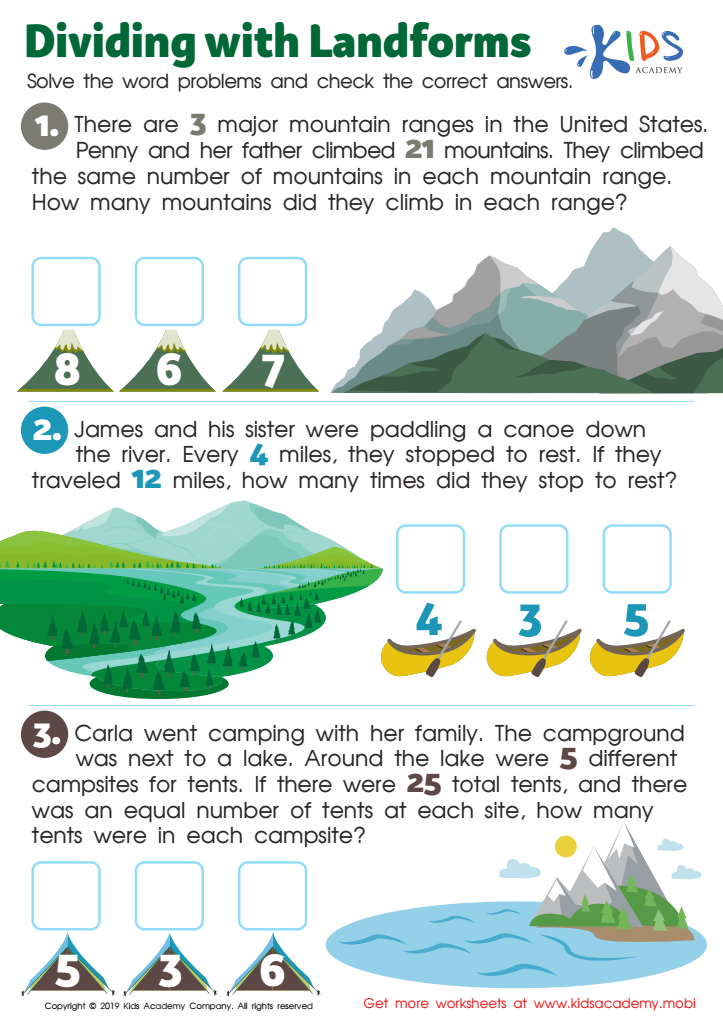
Dividing with Landforms




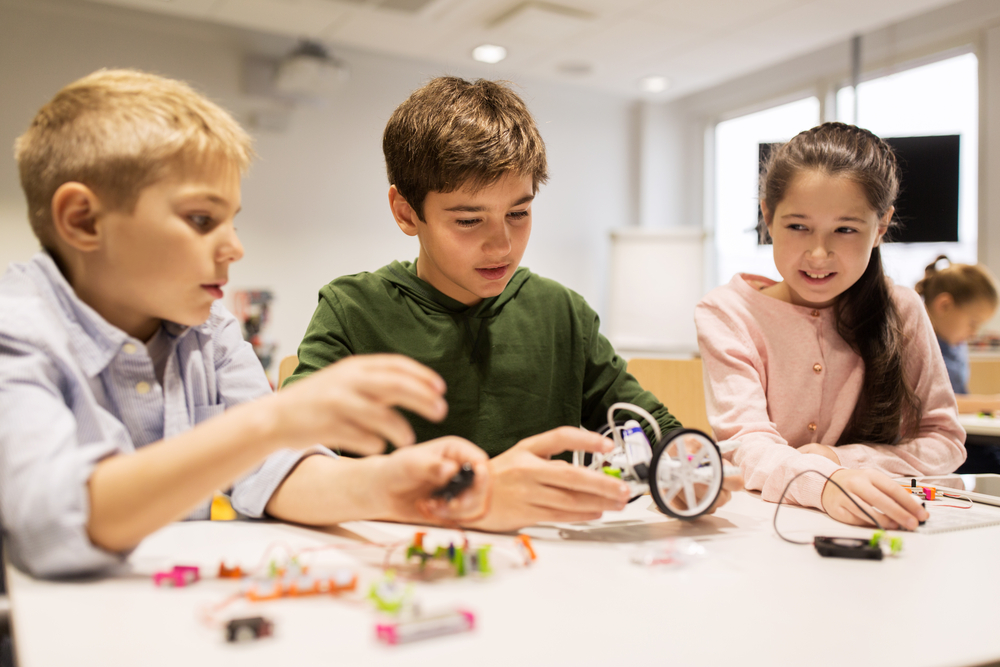
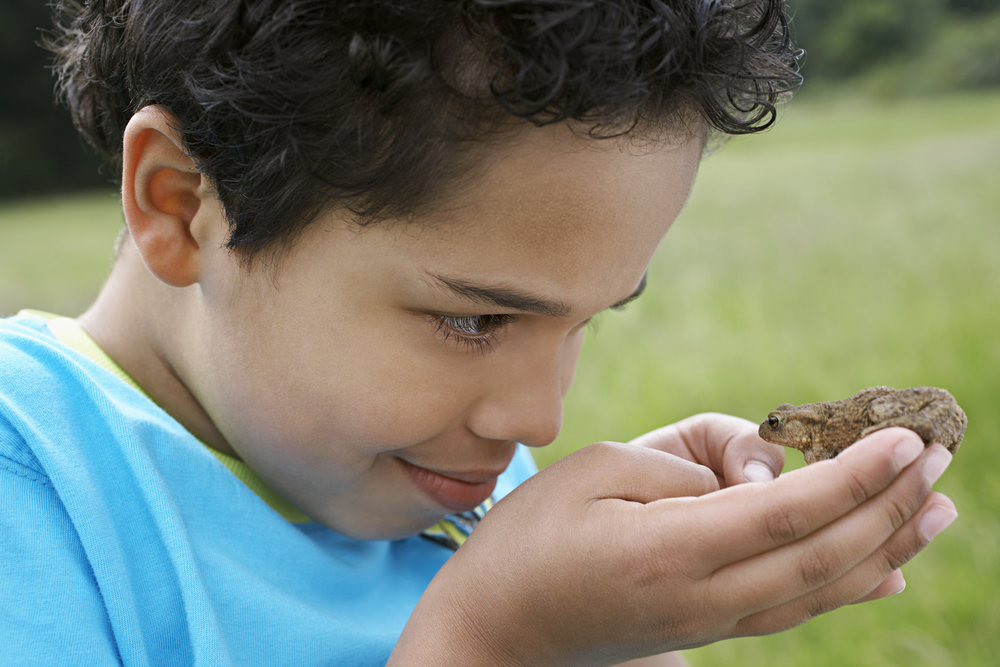

Enhancing categorization skills in children aged 3-8 is vital for their cognitive and social development. From an early age, the ability to categorize helps children make sense of their world, allowing them to group similar objects, understand relationships, and recognize patterns. This skill forms the foundation for critical thinking and problem-solving, which are crucial throughout their education and life.
For parents and teachers, developing categorization skills also promotes language development. As children classify items—a task often accompanied by verbal reasoning—they expand their vocabulary and enhance their expressive capabilities. Additionally, these skills support early math concepts, such as sorting by size, shape, or color, laying the groundwork for more complex mathematical reasoning later on.
Socially, understanding categories aids in developing empathy and emotional intelligence. By categorizing feelings and social situations, children learn to relate to their peers and navigate the complexities of relationships. Ultimately, emphasizing categorized learning experiences, such as through play, arts, and structured activities, can have lasting benefits, fostering well-rounded, intellectually curious individuals. Parents and teachers should therefore prioritize this fundamental skill, ensuring children are equipped for future learning and interaction in an increasingly complex world.







