Motor skills development Normal ABC Letters Worksheets for Ages 3-9
3 filtered results
-
From - To
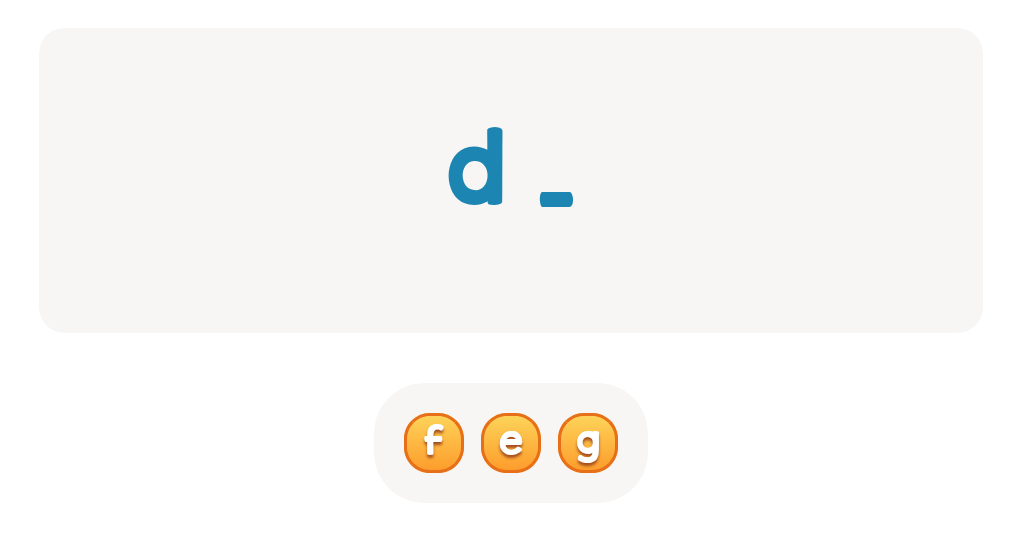
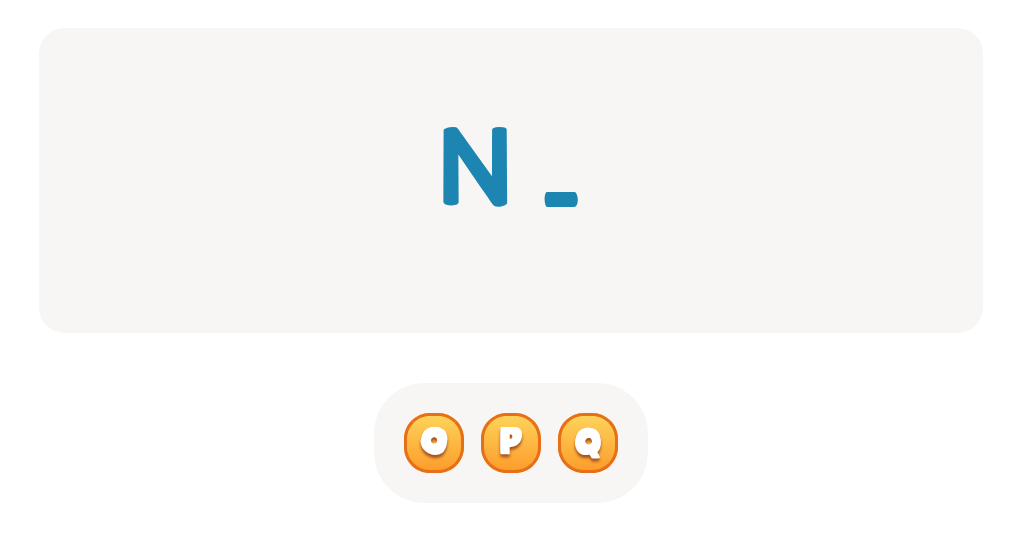
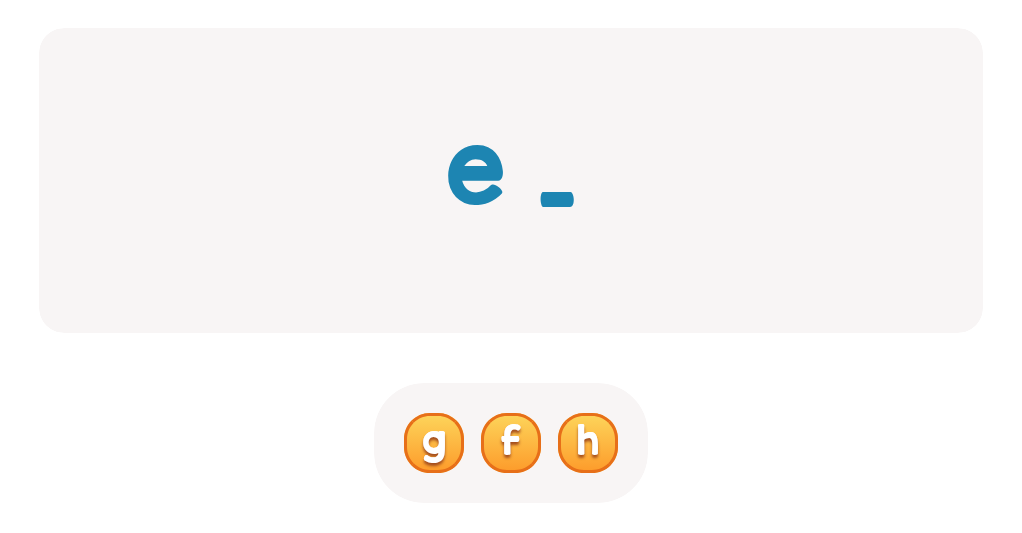
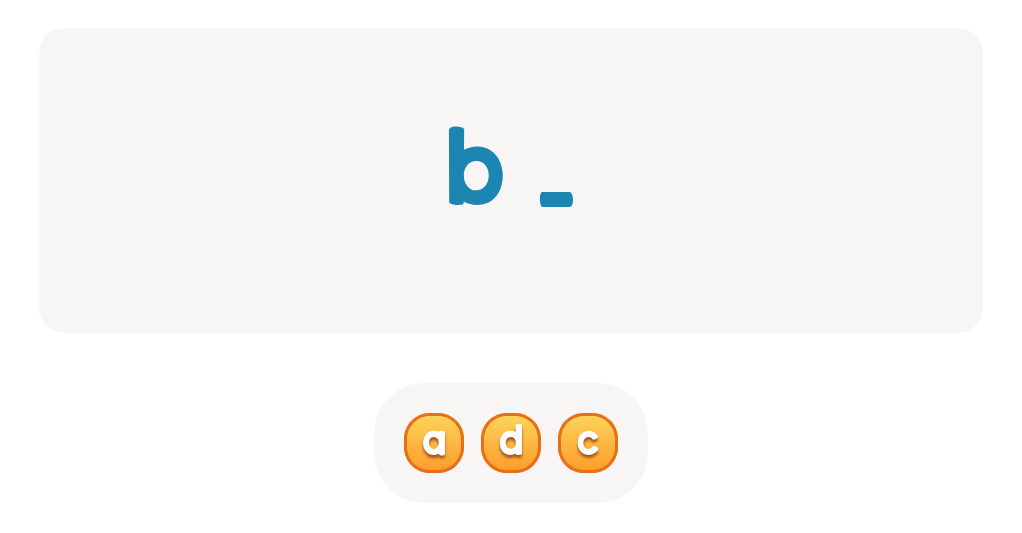
Enhance your child's motor skills with our engaging Normal ABC Letters Worksheets, specially designed for kids aged 3-9. These worksheets provide a fun and interactive way for young learners to practice their alphabet while developing essential fine motor skills. Each activity encourages tracing, coloring, and writing, ensuring that children improve their hand-eye coordination and dexterity. Perfect for preschoolers and early grade learners, our worksheets align with educational standards, making learning enjoyable and effective. Foster a love for learning and creativity in your child as they explore the fundamentals of the alphabet through playful and hands-on activities! Download now and start the adventure!

Letter H Tracing Page




Letter O Coloring Sheet
 Assign to My Students

Letter B Tracing Page








Motor skills development is crucial for children aged 3-9 as it lays the foundation for their overall growth and learning. During this formative period, children refine their fine and gross motor skills, which directly impact their ability to write, interact with peers, and perform everyday tasks. Overall motor skills play a significant role in letter recognition and formation; a child who can accurately manipulate objects and control their hand movements is more likely to recognize and write letters correctly.
Developing normal ABC letter skills also fosters cognitive abilities, such as concentration, coordination, and spatial awareness. When children engage in activities involving letters, such as tracing, coloring, or playdough, they enhance their dexterity and hand-eye coordination while building their literacy skills.
Additionally, strong motor skills can boost a child's self-esteem and confidence. Children who struggle with motor skills may experience frustration, negatively affecting their willingness to participate in activities or engage with peers.
Ultimately, parents and teachers should care about motor skills development, as it not only supports academic achievement but also contributes to a child's social and emotional well-being. Promoting these skills at an early stage sets the stage for lifelong learning and success.







